







Executive Overview
The landscape of live sports broadcasting is undergoing a seismic, irreversible transformation. For decades, the ritual of watching professional football was tethered to the living room television, anchored by traditional cable bundles and satellite subscriptions. Today, that monolithic model is fracturing under the weight of digital-first consumption habits. At the center of this revolution is YouTube’s high-stakes acquisition of the NFL Sunday Ticket.
Far more than a simple platform migration from television to the internet, this strategic alignment represents a profound cultural and structural shift in how live sports are consumed, monetized, and shared. According to YouTube CEO Neal Mohan, the integration of professional football into the platform’s massive digital ecosystem is successfully "aging down" the NFL’s core audience. By seamlessly blending high-value, premium live broadcasts with the dynamic, decentralized world of creator-driven commentary, reaction videos, and short-form clips, YouTube has engineered a holistic viewing experience tailored specifically to Gen Z and millennial demographics.
As traditional television ratings face steady declines among younger cohorts, the partnership between the world’s largest video platform and America’s most dominant sports league offers a masterclass in audience retention. By tearing down the barriers of cable exclusivity and meeting younger fans natively within their preferred digital habitats, YouTube and the NFL are not merely adapting to the future of media—they are actively defining it.
Detailed Chronology: The Evolution of Digital Sports Broadcasting
To understand the magnitude of YouTube’s current dominance in the sports media landscape, it is essential to examine the chronological progression that brought the tech giant and the legacy sports league together.
The Cable Era and the Fragmentation Problem
For the better part of half a century, the National Football League operated under a classic distribution model. Games were broadcast via legacy broadcast networks (CBS, FOX, NBC, ESPN) and regional cable packages. While this model generated unprecedented revenue and solidified the league’s status as a cultural behemoth, it created an invisible wall between the sport and younger demographics.
As telecommunications evolved, younger consumers began cutting the cord in droves. They rejected traditional pay-TV subscriptions in favor of on-demand streaming services, social media feeds, and independent content creators. The NFL recognized a looming existential threat: while total viewership remained high, the average age of the television viewer was steadily climbing. The league needed a bridge to the digital native, but building an independent direct-to-consumer infrastructure carried immense financial and technical risk.
The Landmark Sunday Ticket Acquisition
The turning point arrived when the NFL awarded the coveted out-of-market Sunday Ticket package to YouTube, specifically leveraging the power of YouTube TV and YouTube Primetime Channels. This was not a standard rights-fee transaction; it was a structural reimagining of sports delivery.
Unlike traditional cable providers, YouTube possessed an existing infrastructure boasting over two billion daily active users. More importantly, it possessed an army of digital creators who had already built vibrant, highly engaged communities around sports analysis, fantasy football, gaming simulations, and comedic commentary. By housing Sunday Ticket within this ecosystem, YouTube instantly solved the NFL’s fragmentation problem, centralizing live games and the digital conversation surrounding them onto a single pane of glass.
Democratizing Access: The Global Free-Stream Milestone
Pushing the envelope even further, YouTube and the NFL broke from traditional paywalled models by introducing high-profile, globally accessible free streams. A prime example of this progressive strategy is the scheduled September 5 season-opening clash between the Kansas City Chiefs and the Los Angeles Chargers—hosted internationally in São Paulo, Brazil.
By streaming a marquee matchup globally and for free on YouTube, the platform abandoned the rigid subscription-only gates of the past. This tactical maneuver serves as a top-of-funnel acquisition tool, designed to lower entry barriers, capture casual international viewers, and convert digital spectators into long-term subscribers. It proved that YouTube’s ambitions extended far beyond monetizing die-hard fans; the goal was total global market penetration through frictionless access.
Supporting Context & Metrics: The Anatomy of Gen Z Sports Consumption
The migration of sports to digital platforms is driven by hard data regarding shifting consumer behavior. To contextualize the partnership between YouTube and the NFL, industry analysts look closely at how younger generations interact with media compared to their generational predecessors.
The Death of the Passive Viewer
Historically, watching a football game was a passive, three-hour broadcast experience. Today’s younger sports fans—primarily Gen Z and younger millennials—do not view media in isolation. Their consumption habits are defined by multitasking, multi-screening, and community engagement.
According to behavioral insights shared by YouTube leadership, younger fans consume sports through an interconnected web of digital touchpoints. A typical consumer might watch live snippets of a game on a smartphone, jump to YouTube to watch an instant tactical breakdown by an independent creator, browse TikTok for viral memes generated during a controversial referee call, and participate in real-time text threads or Discord channels with friends.
The Scale of the YouTube Ecosystem
The sheer scale of YouTube provides a unique gravitational pull that legacy networks simply cannot replicate. With more than two billion daily active users, the platform functions as the internet’s primary video utility.
- Creator Economy Integration: Hundreds of thousands of independent creators produce sports-adjacent content daily, generating billions of impressions.
- Algorithmic Discovery: YouTube’s recommendation engine expertly identifies user interests, seamlessly sliding live sports highlights and game broadcasts into feeds traditionally dominated by gaming, music, and vlogging.
- Cross-Generational Reach: While older audiences utilize YouTube via smart TV living room apps in much the same way they used cable, younger demographics interact with it as a social network, search engine, and community hub.
This dual utility allows YouTube to capture the attention of older, high-intent sports fans who want reliable, high-definition live coverage while simultaneously engaging a younger, mobile-first audience that thrives on micro-content and creator personalities.
Official Statements and Industry Insights
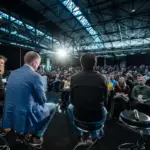
The strategic vision behind YouTube’s sports expansion was detailed extensively during a public conversation between YouTube CEO Neal Mohan and Ankler Media’s Janice Min. Their dialogue shed light on the psychological and business motivations driving the platform’s aggressive investments.
The "Aging Down" Phenomenon
Addressing industry skeptics who questioned whether a tech platform could successfully handle the rigorous demands of live, high-stakes sports broadcasting, Mohan emphasized that the partnership had an immediate, positive demographic impact on the league.
"Younger fans don’t just watch games anymore," stated Neal Mohan, CEO of YouTube. "They watch reactions, highlights, creator commentary—content that lives within the YouTube ecosystem."
Mohan illustrated this paradigm shift with a personal anecdote, citing his own 17-year-old son. As a dedicated sports enthusiast, his son consumes almost exclusively creator-driven sports media on YouTube rather than sitting through traditional, unedited television broadcasts. This anecdote mirrors a broader macroeconomic reality: the traditional broadcast format is losing its monopoly on youth attention.
The Flywheel Effect
Mohan detailed the core economic engine powering YouTube’s sports strategy, describing it as a self-sustaining ecosystem designed to maximize user lifetime value.
"That was the flywheel we were betting on," Mohan explained. "If fans discover live games through the creators they already watch, we can convert that interest into something bigger."
This flywheel relies on a symbiotic relationship. Independent creators drive initial interest, cultivate passion, and maintain daily engagement during the off-season and mid-week news cycles. When game day arrives, YouTube directs that concentrated audience toward live game broadcasts. Once the game concludes, the cycle reverses: clips, analysis, and fan reactions immediately flood the platform, extending the cultural lifespan of every single play well beyond the final whistle.
Future Outlook: The Digital-First Horizon of Sports Media
As the dust settles on the initial phases of the YouTube-NFL partnership, industry forecasters are left looking ahead at the next frontier of digital sports entertainment. The implications of this deal stretch far beyond American football, serving as a blueprint for the future of global sports media.
Blurring the Lines Between Official and User-Generated Content
The traditional sports media complex has historically guarded its intellectual property with extreme legal prejudice, aggressively striking down unauthorized clips, fan reactions, and unauthorized highlights. YouTube’s model fundamentally challenges this restrictive approach. By encouraging an ecosystem where official broadcasts and creator commentary coexist, the NFL is learning to leverage the free marketing power of internet culture.
In the future, we can expect deeper integration between live broadcasts and creator content. Imagine watching an NFL game on YouTube TV with the option to sync alternative audio tracks featuring your favorite digital creators, or accessing real-time, creator-hosted watch parties directly inside the live-streaming interface. The boundary between the stadium, the broadcast booth, and the fan’s bedroom is officially dissolving.
Global Expansion Through Digital Infrastructure
American football has long harbored ambitions of becoming a truly global sport, mirroring the international footprint of soccer or the NBA. Traditional television distribution made this difficult due to regional licensing complexities, prohibitive international cable costs, and a lack of localized cultural entry points.
By utilizing YouTube’s ubiquitous global infrastructure, the NFL can now distribute games to fans in South America, Europe, Asia, and beyond with a single click. When paired with localized creator content in native languages, this strategy transforms the NFL from a domestic entertainment product into a borderless, global phenomenon.
The Inevitable Digital Singularity
The success of YouTube’s Sunday Ticket strategy answers the most pressing question facing modern media executives. The debate is no longer about whether live sports will complete their migration to digital platforms, but rather how fast the industry will complete the transition.
As younger generations age into prime consumer demographics—bringing their aversion to legacy cable boxes and their loyalty to digital creators with them—other major sports leagues (including the NBA, MLB, and Premier League) are watching YouTube’s playbook closely. The era of appointment-to-view television is giving way to the era of omnipresent, interactive, community-driven digital streaming. And in this new frontier, YouTube and the NFL have firmly established themselves as the architects of the future.