











Executive Overview
Content marketing remains fundamentally rooted in the principle of reciprocity. Before a merchant can successfully capture a consumer’s attention, earn their trust, or secure a financial transaction, they must first deliver tangible value. This value typically manifests as educational insights, operational utility, or pure entertainment. As the digital landscape matures into the final quarter of 2026, the expectations placed on e-commerce content creators are higher than ever. Audiences are bombarded with synthetic media, hyper-personalized automated ads, and formulaic copywriting. Consequently, brands that wish to stand out must engineer content strategies that are authentic, deeply contextual, and culturally resonant.
October 2026 offers an exceptional calendar of events, cultural milestones, and seasonal shifts that forward-thinking brands can leverage. From the centenary of a beloved literary bear to the multi-billion-dollar juggernaut of Halloween, the month is packed with thematic launchpads. Furthermore, the rising ubiquity of generative artificial intelligence creates a compelling tension that marketers can exploit—contrasting machine-generated advice with human expertise, leaning into authentic user-generated content (UGC), diving into corporate archives, and reacting swiftly to breaking cultural news hooks. This report provides a comprehensive blueprint for e-commerce content marketers aiming to maximize engagement, retention, and conversion throughout October 2026.
Detailed Chronology: The October 2026 Content Roadmap
To execute a successful month-long content campaign, digital merchants must map out milestones, cultural observances, and seasonal consumer behaviors well in advance. October bridges the gap between the end of third-quarter campaigns and the runaway freight train of the fourth-quarter holiday shopping season. It is a transitional month characterized by changing physical environments, shifting consumer mindsets, and rich historical touchpoints.
[October 1-7]        -> American Archives Month Launch & Corporate History Audits
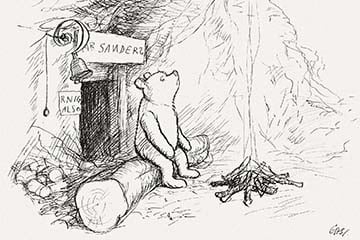
[October 8-14]       -> Winnie-the-Pooh Centennial Preparations & Literary Tie-Ins
[October 15-21]      -> AI vs. Expert Seasonal Maintenance Campaigns
[October 22-31]      -> Halloween UGC Surge & Real-Time News Hook Integration
Phase 1: Historical Grounding and Archival Audits (October 1 – October 7)
Kicking off American Archives Month, the first week of October challenges e-commerce brands to look backward to move forward. Rather than chasing fleeting trends, digital merchants are encouraged to dust off old product catalogs, archived packaging designs, retired hardware, and legacy brand photography. For established businesses, this week serves as an invitation to showcase brand evolution. For newer operations, it is an opportunity to explore the historical trajectory of their niche—such as mapping the evolution of cast-iron cookware or the mechanical development of cold-weather gardening tools.
Phase 2: Cultural Milestones and Centenary Celebrations (October 8 – October 14)
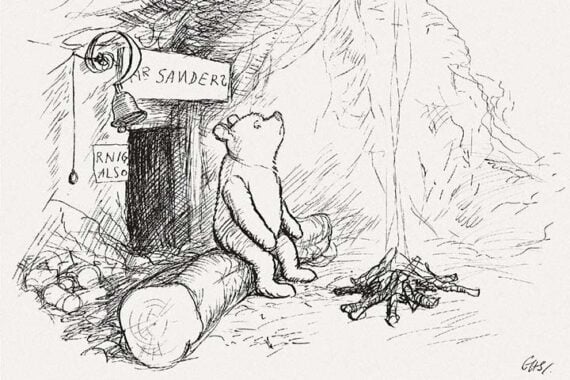
Marking exactly one hundred years since A.A. Milne’s Winnie-the-Pooh first arrived in the United States and Great Britain on October 14, 1926, this week centers on timeless storytelling. While traditional booksellers and toy manufacturers have a clear runway, the broader Hundred Acre Wood theme unlocks content angles across multiple verticals. Brands operating in home goods, children’s apparel, gourmet foods (particularly honey and preserves), and outdoor recreation can weave themes of comfort, friendship, conservation, and nostalgia into their editorial calendars.
Phase 3: The Practical Pivot: AI vs. Human Expertise (October 15 – October 21)
As consumers begin preparing their homes and vehicles for the biting cold of winter, practical how-to content spikes in search volume. This period is ideal for deploying comparative "AI vs. Expert" content. By prompting popular generative AI assistants for seasonal maintenance guides—such as winterizing a lawnmower, preparing a vehicle’s cooling system, or sealing home windows—and subsequently having human specialists critique, correct, and elevate those instructions, brands establish profound authority. This transparency not only builds trust but also addresses the systemic flaws inherent in unverified AI-generated text.
Phase 4: High-Velocity Engagement: Halloween UGC and News Hooks (October 22 – October 31)
The final stretch of October is dominated by urgency, high-stakes consumer spending, and real-time responsiveness. Halloween—a multi-billion-dollar seasonal event spanning costumes, confectionery, home decor, and pet products—reaches its crescendo. Brands must harvest and deploy user-generated content (UGC) aggressively during this window to combat consumer fatigue over synthetic, AI-generated marketing imagery. Simultaneously, content teams must maintain constant vigilance over breaking news hooks, reacting swiftly to cultural statements and viral moments from public figures to capture high-intent organic traffic.
Supporting Context & Metrics: The Data Driving October Strategies
Understanding the macro-economic and digital consumer trends underpinning October 2026 is critical for allocating marketing resources effectively. The convergence of artificial intelligence saturation, evolving platform algorithms, and massive seasonal retail spend dictates a strategic pivot toward authenticity.
The Halloween Economic Engine
According to retail analytics, Halloween represents a consumer spending powerhouse in the United States, consistently surpassing the $13 billion threshold. While candy and costumes capture the lion’s share of media attention, a substantial percentage of this expenditure is directed toward home decorations, themed entertainment, party hosting supplies, and pet costumes.

+-------------------------------------------------------------+
|              U.S. Halloween Spending Breakdown              |
+-------------------------------------------------------------+
| Costumes & Apparel       [█████████████]  35%               |
| Candy & Confectionery    [██████████]     30%               |
| Decorations & Lighting   [████████]       20%               |
| Greeting Cards & Parties [████]           10%               |
| Pet Products             [██]              5%               |
+-------------------------------------------------------------+
For e-commerce content marketers, this financial volume means that high-ranking seasonal content directly influences top-line revenue. However, simply publishing generic buying guides is no longer sufficient. Shoppers are actively seeking inspiration, DIY ideas, and peer validation.
The Generative AI Paradox and the Rise of UGC
The widespread adoption of generative AI tools has democratized content creation, making polished text and synthetic imagery cheap and abundant. Yet, this abundance has triggered a counter-reaction among consumers and digital platforms alike. Synthetic content often fails to prove that real, living humans actually use, enjoy, or endorse a product.
Major digital platforms have systematically introduced transparency measures to distinguish between human and machine-generated media:

- Pinterest has implemented explicit labeling systems for AI-generated images, empowering users to filter out synthetic content in specific recommendation feeds.
- TikTok and Meta have rolled out comprehensive watermarking and labeling protocols across their respective ecosystems to flag AI-generated or manipulated media.
This structural shift elevates User-Generated Content (UGC) from a nice-to-have marketing tactic to an essential trust signal. Customer photographs, unboxing videos, authentic reviews, and social media tags provide undeniable proof of product utility that generative models simply cannot replicate.
Official Industry Perspectives and Expert Insights
To gain a deeper understanding of how modern content marketers are navigating the October 2026 landscape, industry observers point to the growing emphasis on authority, provenance, and real-time agility.
The Value of Verified Human Expertise
Digital marketing veterans emphasize that while large language models can draft basic instructional copy in seconds, they routinely hallucinate technical details or overlook critical safety steps in DIY tutorials. By pairing AI prompts with human subject-matter experts—such as certified mechanics, master chefs, or experienced home contractors—brands create a compelling value proposition.
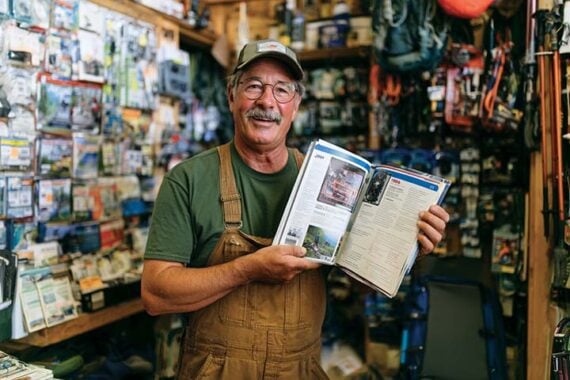
"When an e-commerce brand openly tests an AI’s advice against a human expert’s decades of hands-on experience, they stop being a faceless storefront and become an authoritative publisher. Consumers reward that transparency with brand loyalty."
— Digital Commerce Content Strategist
Capitalizing on Cultural and Technological Discourse
The intersection of technology and culture continues to generate high-value news hooks for agile content teams. For instance, recent high-profile commentary from industry leaders regarding the trajectory of artificial intelligence—such as public declarations concerning AI’s capability to manage digital tasks at a superhuman level—provides fertile ground for brand storytelling.
When science fiction merchandise platforms rapidly publish contextual articles linking modern technological advancements to classic sci-fi literature, they capture surging search traffic and position themselves at the center of contemporary cultural conversations. E-commerce merchants must build workflows that allow their content teams to pivot within hours of a major industry announcement, bridging the gap between breaking news and product inventory.

Future Outlook: The Evolution of E-Commerce Content Marketing
Looking beyond October 2026, the trajectory of digital content marketing points toward hyper-authenticity, deep historical storytelling, and rigorous quality control. As automated generation tools continue to saturate the web, search engines and social platforms will increasingly prioritize content that demonstrates verifiable human experience, first-party data, and real community engagement.
- The Premium on Provenance: Brands that maintain physical or digital archives will find unique value in their history. Using historical catalogs, vintage packaging, and retrospective comparisons will serve as a powerful differentiator against generic competitors.
- Hybrid Editorial Workflows: The most successful content teams will stop viewing AI as a replacement for writers and start viewing it as a research assistant, utilizing human editors to verify, contextualize, and humanize every published asset.
- Community-Centric Campaigns: The integration of customer-submitted media into core product pages, email newsletters, and social channels will become an automated, frictionless loop, turning everyday shoppers into long-term brand advocates.
By embracing these strategic pillars during October 2026, e-commerce marketers can transcend traditional promotional noise, building lasting connections that drive both immediate seasonal conversions and enduring brand equity.