









Executive Overview
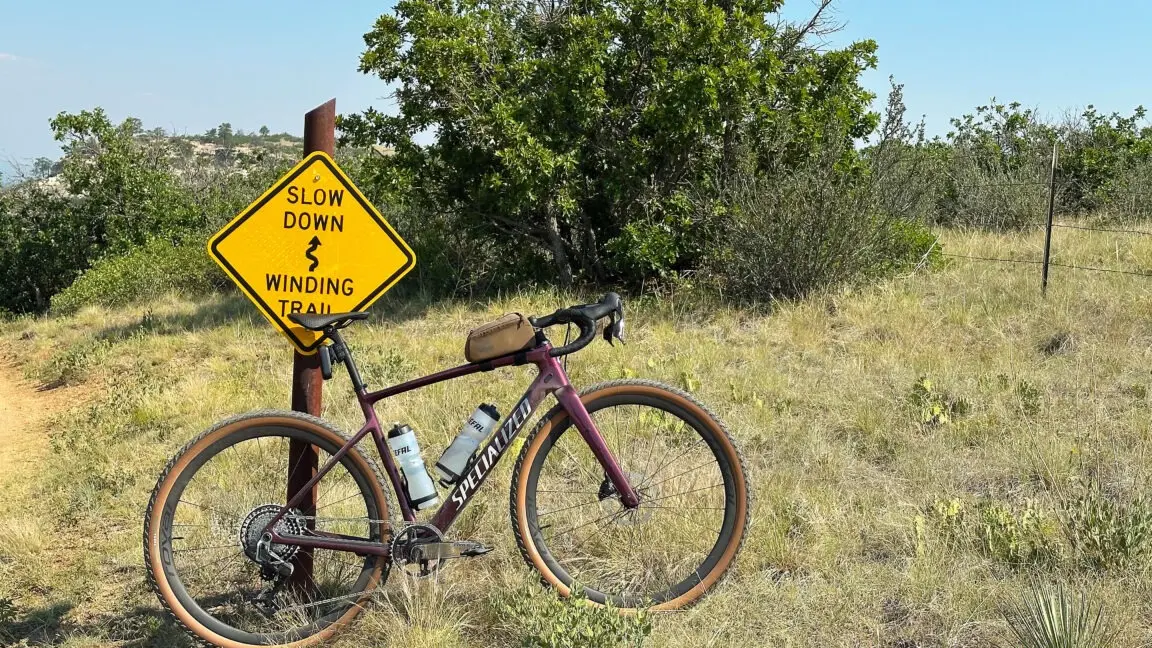
For gravel cyclists who prefer their routes rugged, technical, and entirely disconnected from civilization, the pursuit of the ultimate machine is a never-ending journey. Enter the Specialized Diverge 4 Pro, a human-powered marvel engineered to blur the line between a traditional endurance road bike and a drop-bar mountain goat. Priced at an uncompromising $8,249, this platform is marketed not merely as another entry in a crowded market segment, but as "the ultimate getaway vehicle"—meticulously crafted through a collaborative design process involving off-road adventure riders, biomechanical scientists, and endurance racers.
Positioned comfortably beneath Specialized’s ultra-exclusive flagship tier (occupied by machines like the $12,500 S-Works Diverge 4), the Pro model aims to deliver near top-tier race performance, uncompromising long-distance comfort, and robust backcountry utility. Built around a mid-range FACT 9r carbon frame and featuring the revolutionary Future Shock 3.3 suspension system, the Diverge 4 Pro arrives with high expectations.
In this comprehensive review, we examine how Specialized’s latest high-end gravel contender performs when removed from the pristine, manicured limestone paths of suburbia and subjected to the grueling, high-altitude gradients and loose, technical singletracks of the Colorado Rockies. From its hydraulic damping mechanics to its SRAM Force XPLR E1 electronic drivetrain, we dissect whether the Diverge 4 Pro justifies its premium price tag for riders whose ambitions lean more toward events like Unbound Gravel than casual Sunday coffee spins.
Detailed Chronology: Putting the Diverge 4 Pro Through Its Paces
The Testing Grounds: From Illinois Flats to Rocky Mountain Ascents
The evaluation of the Diverge 4 Pro began long before the bike ever touched dirt. For annual trips out to Denver, Colorado, cyclists from flatter regions—such as the glacier-scoured, punch-carded grid of northeastern Illinois—frequently seek out topography that challenges both lungs and hardware. In advance of this year’s expedition, Specialized supplied the Diverge 4 Pro to provide a stark contrast against fastidious suburban paths and test its mettle in an environment defined by relentless climbs and loose, shale-strewn descents.
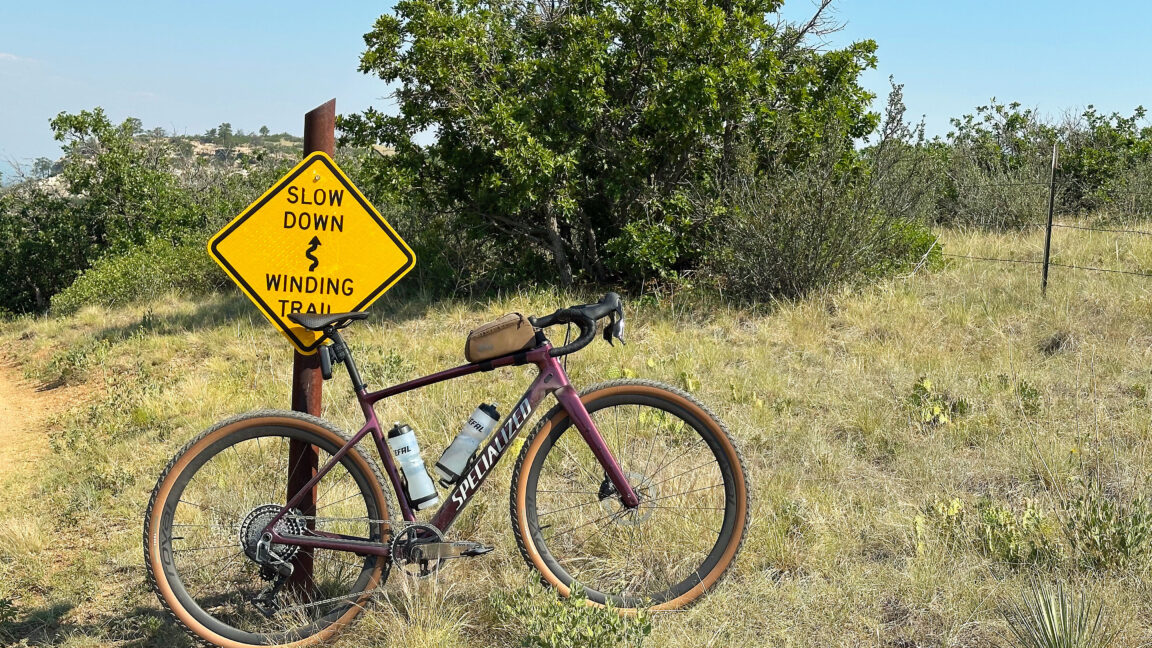
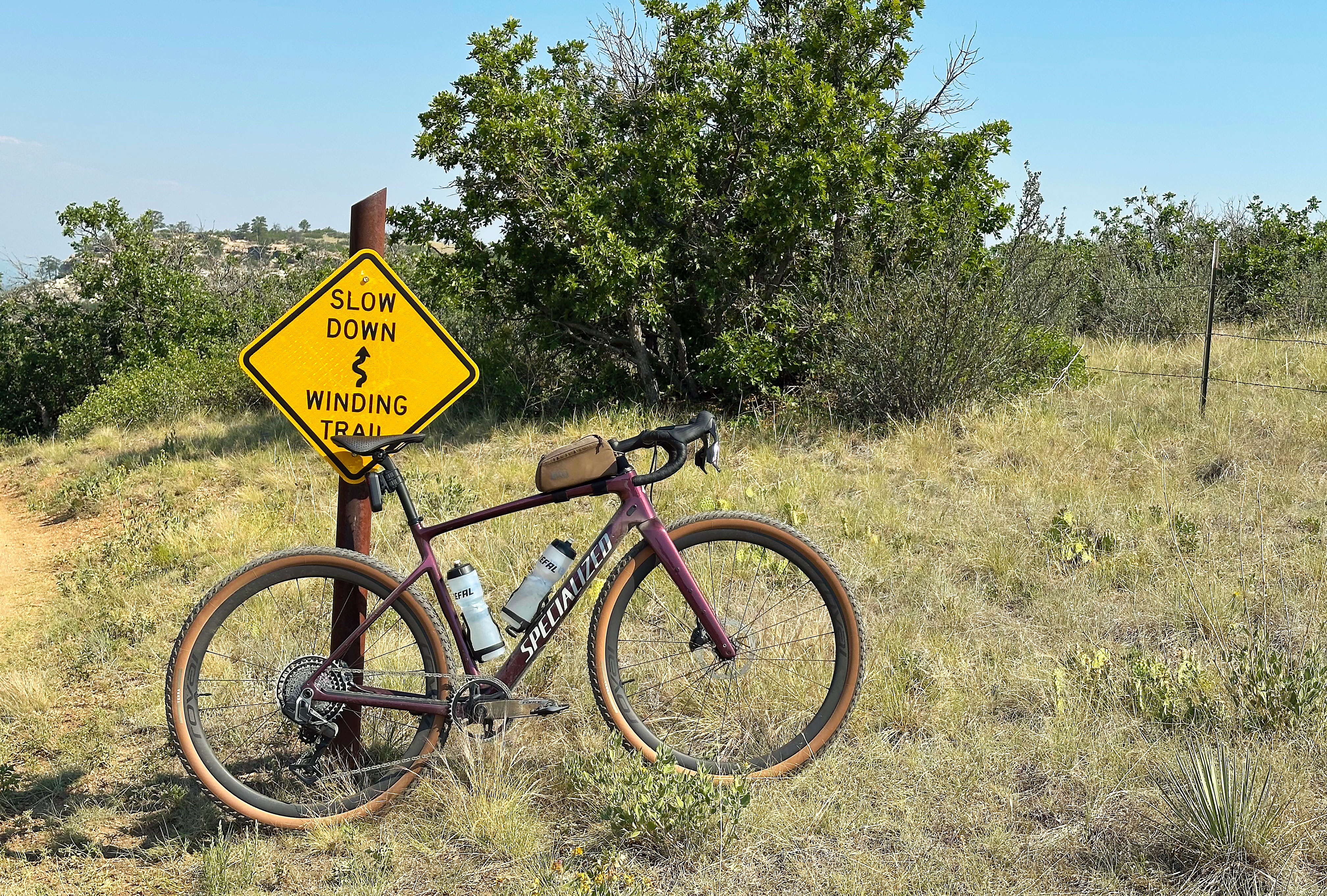
Unlike the electrically assisted Specialized Turbo Creo 2 gravel e-bike reviewed previously, the Diverge 4 Pro is strictly human-powered. Its first real trial took place at the summit of an ambiguous trail in Douglas County, Colorado—a route that danced along the razor-thin boundary between a gravel road and technical singletrack.
The Descent of Truth
At the top of the climb, surrounded by sweeping vistas of the front range, the trail dropped off sharply. The descent was heavily rutted, scattered with loose scree, and presented technical challenges far beyond anything typically found in the Midwest. Taking a deep breath, I tipped the bars down and let gravity take over.
Within minutes, it became abundantly clear that if mistakes were made on the descent, the equipment would not be to blame. The bike tracked true through choppy corners, absorbed heavy impact spikes without deflecting, and maintained absolute composure under hard braking. The machine’s geometry and compliance design translated rider inputs into calculated maneuvers, effectively neutralizing the panic normally induced by high-speed, loose-surface drop-bar descents.
Supporting Context & Metrics: Engineering the Ride
Future Shock 3.3: A Masterclass in Micro-Suspension
The standout engineering triumph of the Diverge 4 Pro lies in its suspension architecture: Future Shock 3.3. Unlike traditional suspension forks found on mountain bikes—which add considerable weight, alter front-end steering geometry, and suffer from "brake dive" under heavy deceleration—Future Shock isolates the rider rather than the front wheel.
The mechanism is housed discretely between the head tube and the stem. The fork, head tube, and front wheel remain rigidly connected as a cohesive structural unit, while the stem and handlebars float vertically through 20 mm of travel relative to the rest of the bicycle.
- Hydraulic Damping vs. Simple Springs: Earlier iterations and basic suspension stems utilize raw springs that compress and immediately rebound, creating an erratic "pogo-stick" sensation on sustained washboard roads. Future Shock 3.3 introduces hydraulic damping. By forcing oil through a controlled internal pathway, the system converts kinetic energy from impacts into heat, resulting in a controlled, deadened vertical stroke rather than a violent bounce.
- Laboratory Metrics: Specialized’s internal testing data indicates up to a 53 percent reduction in peak impact forces transmitted to the handlebars when compared to competing rigid and semi-rigid setups. While laboratory conditions rarely translate 1:1 to real-world chaos, the physiological benefits were undeniable. Long-ride upper-body fatigue—specifically in the hands, wrists, forearms, and shoulders—was markedly reduced.
- On-the-Fly Adjustability: A simple dial situated at the very top of the stem allows riders to alter compression damping on the fly. Turning it toward the firmest setting practically locks out the mechanism for efficient out-of-the-saddle sprinting on smooth tarmac, while fully opening it unleashes the full, supple nature of the 20 mm travel when the trail turns hostile.
Frame Geometry and Compliance
Beyond the headset, Specialized reworked the foundational layout of the bike. Built using a mid-range FACT 9r carbon frame, the Diverge 4 Pro features an elongated reach that centers the rider’s weight more effectively over the wheel base.
To further enhance stability, the bottom bracket has been dropped by 5 mm. This subtle adjustment lowers the rider’s center of gravity, yielding a deeply planted, confident feel when carving high-speed gravel corners. Tipping the scales at a respectable 8.72 kg, the bike strikes an impressive balance between lightweight climbing agility and rugged structural integrity.
Component Breakdown and Drivetrain
The Diverge 4 Pro comes generously outfitted with modern componentry designed to withstand abuse:
- Tires and Wheels: Out of the box, the review model arrived sporting beefy 50 mm Terra TLR Trail gravel tires mounted on a tubeless-ready Roval Terra CL carbon wheelset. While the frame officially clears 45 mm tires in certain configurations, there is ample spatial allowance for true 50 mm rubber, maximizing floatation and mechanical grip in loose terrain.
- SRAM Force XPLR E1 Groupset: Shifting duties are handled by SRAM’s wireless electronic gravel groupset. It features a single 40-tooth chainring paired with a wide-range 13-speed, 10–46T cassette, alongside programmable bonus shift buttons integrated into the brake hoods. The rear derailleur mounts directly to a replaceable Universal Derailleur Hanger (UDH), ensuring trailside repairs or replacements are standardized and straightforward should a stray rock impact the drivetrain.
- Integrated Power Meter: A Quarq DUB-PWR power meter is neatly integrated into the crank spindle, measuring left-side wattage to compute overall power output metrics for structured training and pacing.
- Downtube Storage ("SWAT"): Expanding upon the previous generation, the internal downtube storage compartment is larger, easily accommodating a spare inner tube, CO2 cartridges, tire levers, and multi-tools out of sight and off the rider’s back.
Official Statements & Design Philosophy
Specialized frames the Diverge 4 Pro not as a niche tool, but as a holistic adventure platform. In promotional literature, the company designates it as "the ultimate getaway vehicle," emphasizing that its creation relied on heavy feedback loops from ultra-endurance racers, bikepacking guides, and scientific researchers studying fatigue mitigation.
"The goal was never to build a mountain bike with drop bars," design notes suggest. "The goal was to protect the rider’s cognitive and physical stamina over six, eight, or twelve hours of relentless high-frequency vibration, allowing them to maintain handling precision long after fatigue would normally set in."
Industry experts note that bikes like the Diverge 4 Pro represent a broader philosophical shift in cycling: the acknowledgment that comfort equals speed. By insulating the human body from microscopic impacts that sap energy over long distances, riders maintain fresher legs and sharper reflexes when navigating technical terrain deep into a ride.
Future Outlook & Considerations
Minor Quibbles and Ergonomic Preferences
Despite its overwhelming competence, no machine is entirely without quirks. Extended testing revealed a few areas where personal preference clashed with Specialized’s design choices:

- Power Measurement Granularity: The Quarq power meter estimates total wattage by doubling the output measured exclusively on the left crank arm. For an $8,249 machine, many purists would prefer a true bilateral or spider-based power meter that captures exact data from both legs.
- Crank Arm Length: The 56 cm review model was equipped with 172.5 mm crank arms. Given modern biomechanical trends favoring shorter cranks—particularly for riders managing knee health or seeking a more aggressive aerodynamic posture with reduced hip impingement—shorter options (such as 165 mm) would be a welcome stock alternative.
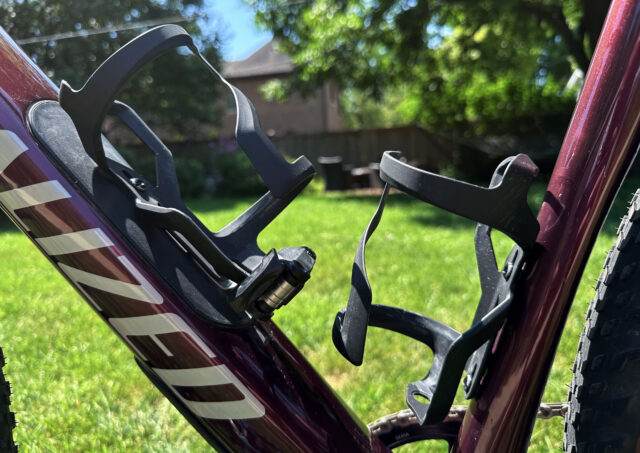
- Bottle Cage Design: The bike utilizes a mountain-bike-style S-Works Carbon Zee side-load bottle cage. While functional for standard configurations, riders utilizing large one-liter bottles on hot summer days occasionally found their legs brushing against the bottle lids due to the side-loading geometry.
- Pavement Performance: Transitioning to the trails requires a couple of miles of asphalt riding. Here, the DT350 hubs and knobby 50 mm tires emit a distinct, dynamo-like hum, and the bike feels heavy and stolid rather than lively and springy. It is a machine that tolerates pavement rather than celebrating it.
Market Positioning: Who Is This Bike For?
At an MSRP of $8,249, the Diverge 4 Pro occupies rarefied air. It is definitively not a budget-friendly entry point for casual cyclists who would be better served by aluminum frames or mechanical groupsets. Nor is it designed for road purists who demand instantaneous acceleration on pristine tarmac.
However, for riders whose calendars are marked by events like Unbound Gravel, multi-day bikepacking excursions through remote wilderness, or weekend epics scaling rugged mountain passes, the Diverge 4 Pro stands as a formidable benchmark. It turns rough, punishing terrain into an absolute playground, proving that when the road gets genuinely ugly, this bicycle is truly in its element.