







Executive Overview
For decades, the human-computer interface has remained fundamentally unchanged in its physical philosophy. Whether we are tapping glass on a smartphone, clicking a physical mouse, or striking keys on a mechanical keyboard, our primary conduit to digital systems relies on the physical manipulation of external devices. We touch, we see, and we interpret.
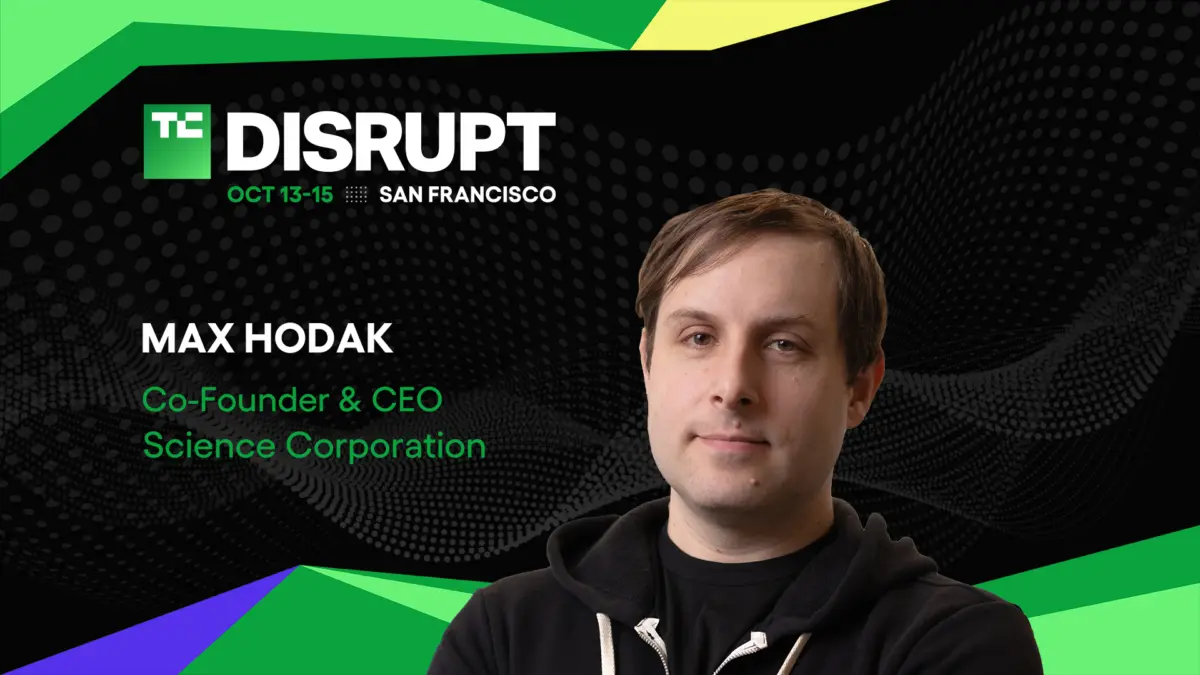
However, a quiet revolution is underway in the laboratories of Silicon Valley and academic neuroscience centers—one that seeks to bypass physical hardware entirely. Max Hodak, co-founder of Neuralink and current CEO of Science Corporation, is at the forefront of this paradigm shift. Over the past several months, Hodak and his team have advanced toward a radically different vision of computing: the biohybrid brain-computer interface (BCI). By enlisting top-tier neurobiologists to spearhead the first U.S. human trials for its proprietary neural sensors, Science Corporation is moving the tech industry closer to a post-screen future.
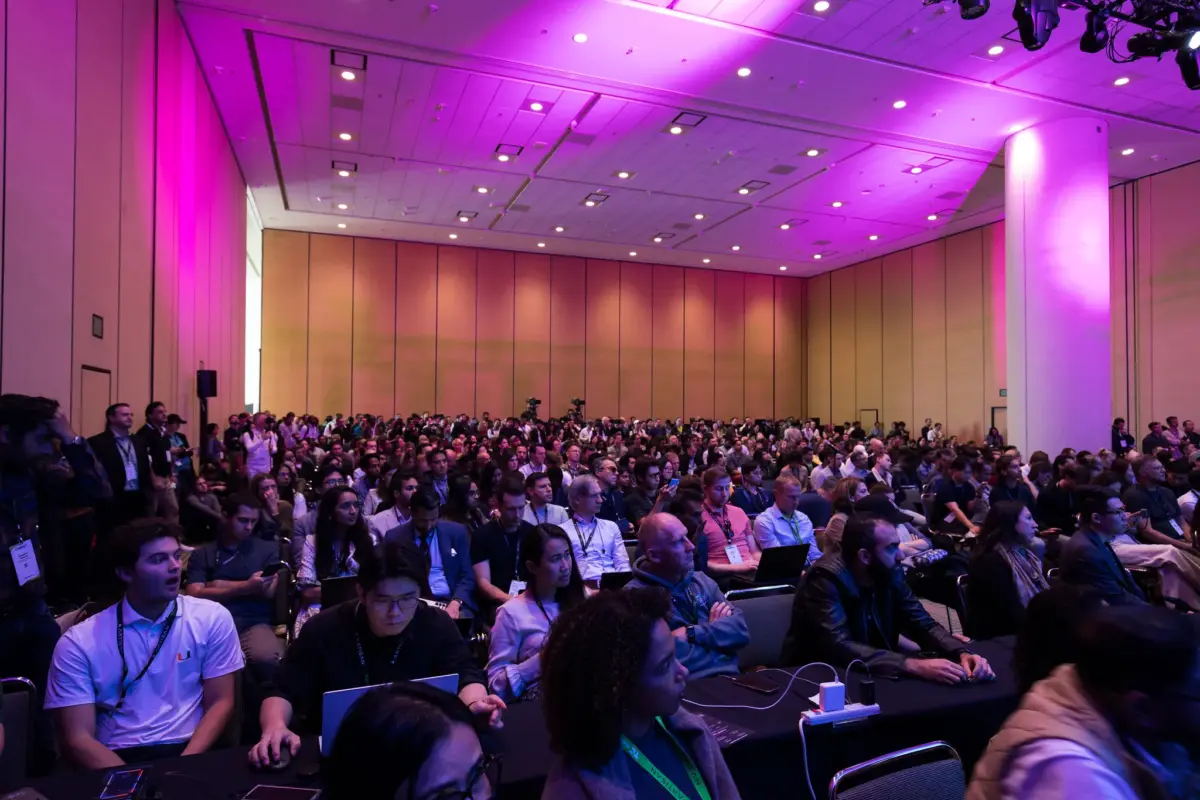
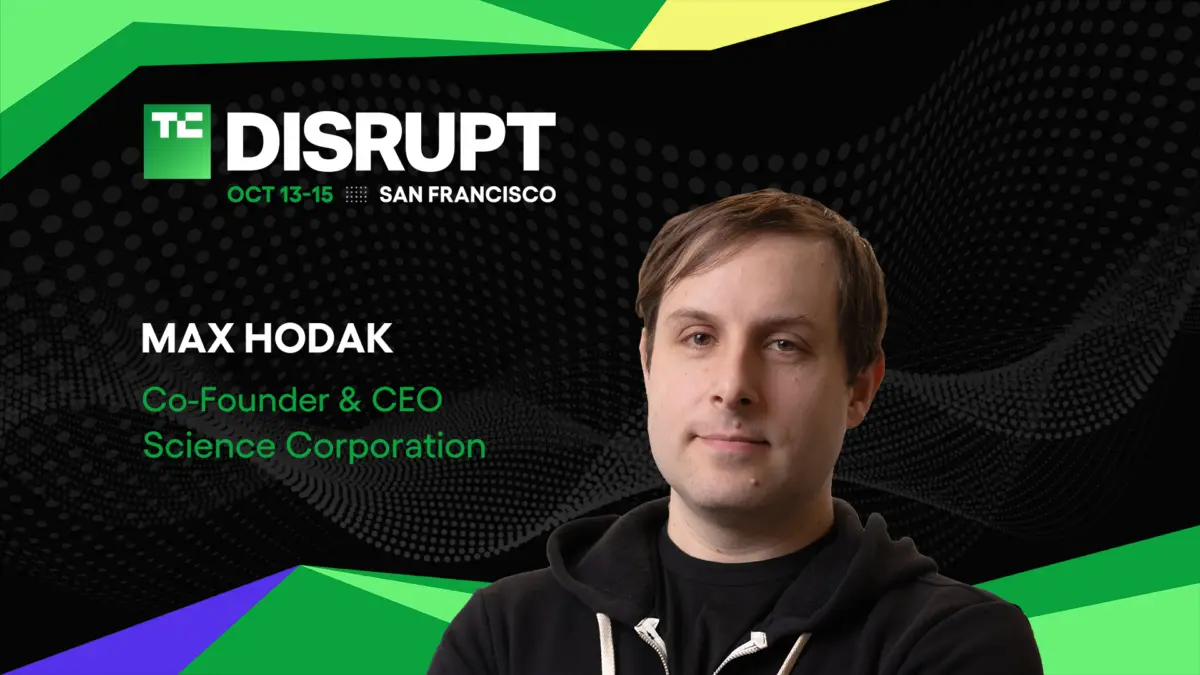
Hodak is set to unpack these monumental discoveries at TechCrunch Disrupt 2026, addressing a crowd of over 10,000 tech leaders, startup founders, and venture capitalists at San Francisco’s Moscone West. His keynote session, titled "Beyond Screens," will argue that the next epoch of technological evolution will not be defined by higher-resolution displays or faster processors, but by adaptive, seamless interfaces that merge directly with the human central nervous system.
This article explores the trajectory of Max Hodak’s career, the technological breakthroughs driving Science Corporation, the clinical successes already altering human lives, and what a post-screen, brain-interfaced future means for society, medicine, and business.
Detailed Chronology: From Biomedical Roots to Neural Engineering Pioneer
To understand Max Hodak’s current pursuit of biohybrid computing, one must trace a career defined by an unyielding ambition to optimize the conduit between biology and technology. Hodak’s fascination with computing began early; he was writing code by the age of six. This early exposure to software logic paired naturally with an academic gravitation toward the physical sciences. He enrolled at the prestigious Duke Pratt School of Engineering, where he studied biomedical engineering.
At Duke, Hodak embedded himself in the world-renowned laboratory of Miguel Nicolelis, a pioneer in the field of brain-machine interfaces. Nicolelis’s lab was famous for breaking ground on how primates could control robotic limbs using only neural signals. The conceptual seeds planted during Hodak’s time in the Nicolelis lab would shape his professional destiny, instilling a firm belief that the ultimate limitation of human capability was not biological, but technological.
The Entrepreneurial Leap: Transcriptic and Neuralink
Before changing the neurotech landscape, Hodak tested his mettle in the life sciences software sector. He co-founded Transcriptic, a pioneering robotic cloud laboratory designed to automate life science experimentation. While Transcriptic laid the groundwork for his capabilities as a technical founder, it was his next venture that catapulted him into the global spotlight.
In 2016, Hodak joined forces with Elon Musk and a team of top-tier scientists and engineers to co-found Neuralink. Serving as the company’s initial president, Hodak played an instrumental role in shaping its organizational structure, early engineering milestones, and public narrative. Neuralink successfully shifted brain implants from the realm of science fiction into the public consciousness, proving that high-bandwidth, ultra-fine neural threads could theoretically be implanted into the cerebral cortex.
Yet, as the company matured, Hodak chose to chart an independent course. In 2021, he departed Neuralink to establish Science Corporation, a venture designed to tackle the most complex hurdles in neural engineering and translational medicine without the circus-like media scrutiny often accompanying his former enterprise.
Founding Science Corporation
Science Corporation was built with a specific mission: to develop advanced neural engineering and BCI technologies that could directly translate into clinical applications, focusing heavily on vision restoration, cognitive enhancement, and mobility assistance.
Unlike companies chasing hyper-futuristic, sci-fi concepts like telepathic gaming right out of the gate, Hodak anchored Science Corporation in immediate, high-impact medical utility. The company recognized that the human eye and optic nerve represent the most accessible gateways to the central nervous system. This pragmatic yet visionary approach has allowed Science Corporation to outpace many of its competitors in delivering tangible clinical outcomes.
Supporting Context & Metrics: The Science Corp Ecosystem
While many startups in the neurotechnology space rely heavily on speculative pitch decks and multi-decade roadmaps, Science Corporation has backed its ambitions with hard clinical data, significant capital, and rigorous regulatory achievements.
Financial Footing and Market Valuation
Science Corporation is well-capitalized to weather the notoriously expensive and protracted development cycles inherent to medical device manufacturing and clinical trials. The company successfully closed a massive $230 million Series C funding round, driving its valuation to an impressive $1.5 billion. This strong backing from premier institutional investors and venture capitalists underscores market confidence in Hodak’s leadership and the commercial viability of biohybrid interfaces.
The PRIMA Implant: Restoring Sight to the Blind
The most striking validation of Science Corporation’s technology thus far is the clinical success of the PRIMA implant. Designed for patients suffering from severe vision loss—specifically geographic atrophy caused by dry age-related macular degeneration (AMD)—the PRIMA system is a masterclass in biohybrid engineering.

The system operates through a sophisticated interplay between hardware and neurology:
- The Smart Glasses: The patient wears a specialized pair of glasses equipped with a discreet, high-definition miniature camera.
- Visual Capture: The camera captures the visual scene in real time, processing the data via an external pocket processor.
- Optical Projection: The processor beams the captured scene as an infrared light pattern directly onto a tiny, wireless photovoltaic chip surgically implanted beneath the retina.
- Neural Translation: The microchip converts the light into electrical impulses, stimulating the surviving retinal cells and sending signals down the optic nerve to the visual cortex, effectively restoring a form of patterned, functional sight.
Clinical data from European trials demonstrating the efficacy of the CE-marked PRIMA implant have shown that legally blind patients can recover recognizable forms of vision, reading lines of text and navigating complex environments. This monumental achievement shifts Science Corporation from a theoretical research lab into a clinical powerhouse.
Expanding Horizons: Beyond Vision
Vision restoration is merely the opening chapter for Science Corporation. The company’s pipeline includes advanced applications designed to:
- Heal Damaged Brain Cells: Utilizing targeted electrical and chemical signaling to encourage neuroplasticity and cellular repair following traumatic brain injuries.
- Seizure Warning and Prevention: Developing predictive sensors capable of detecting abnormal neurological activity before the onset of an epileptic episode, delivering localized intervention to halt seizures in their tracks.
- Neurodegenerative Treatment: Investigating how implantable sensors can modulate neural circuits to alleviate debilitating motor symptoms associated with conditions like Parkinson’s disease.
Official Statements & Industry Perspectives
The convergence of biotechnology and consumer electronics has triggered intense debate across the global technology sector. Speaking ahead of his appearance at TechCrunch Disrupt 2026, Hodak has consistently emphasized that the limitations of current technology are forcing humanity down a technological dead end.
"When we look at the trajectory of human-computer interaction over the past forty years, we’ve optimized every variable except the bottleneck: our bodies," Hodak has noted in technical briefings. "We have incredible computing power in our pockets and in the cloud, yet we are forced to funnel all of that intent through our thumbs tapping on glass. The next era of technology cannot be built on screens. It must be built on adaptive interfaces that meet human biology halfway."
Industry analysts attending Disrupt 2026 are eager to dissect how Science Corporation’s recent transition into human clinical trials will alter the regulatory landscape. Dr. Elena Vance, a prominent neurobiologist unaffiliated with the company, remarks on the significance of Hodak’s recent hires:
"Enlisting top-tier neurobiologists to lead human trials isn’t just a regulatory checkbox; it signals a maturation of the BCI industry. We are moving away from cowboy engineering and entering an era of rigorous, clinical neuroscience combined with high-performance silicon engineering."
TechCrunch Disrupt 2026: The Epicenter of Innovation
The announcement of Hodak’s keynote aligns with TechCrunch Disrupt’s expanded commitment to breakthrough technologies. Returning to Moscone West in San Francisco from October 13–15, this year’s conference expects to host over 10,000 founders, investors, and startup operators across more than 250 sessions.
With a definitive emphasis on sustainable artificial intelligence and deep tech, the event features programming distributed across six specialized industry stages. The inclusion of Hodak’s "Beyond Screens" session highlights the organizers’ recognition that the future of AI will not be confined to software chat windows; it will require physical, biological integration to truly augment human intelligence.
Future Outlook: Navigating a Post-Screen Society
As Science Corporation prepares to execute its landmark U.S. human trials for its biohybrid brain-computer interfaces, the implications stretch far beyond the medical sector. While the immediate beneficiaries are patients suffering from blindness, paralysis, and neurodegenerative disorders, the long-term horizon points toward a generalized consumer paradigm shift.
The Ethical and Societal Frontier
The prospect of non-medical, consumer-grade neural interfaces raises profound ethical, security, and philosophical questions. If thoughts, visual inputs, and neural pathways can be intercepted, analyzed, or augmented by machine learning algorithms, the definition of cognitive liberty will undergo severe stress tests.
- Data Privacy: Traditional data privacy centers on what we type, search, or buy. BCI data privacy will center on neurological telemetry—unconscious reactions, emotional states, and raw intent. Regulatory frameworks will need to evolve rapidly to protect citizens from neurological surveillance.
- Socioeconomic Divides: Early iterations of BCI technologies will inevitably be prohibitively expensive, raising concerns about a two-tiered society where the affluent possess enhanced cognitive and sensory capabilities, while others remain bound to traditional biological limits.
- Human Identity: As artificial intelligence models merge more tightly with human neural tissue through biohybrid architectures, the boundary between biological selfhood and synthetic augmentation will blur. Philosophers and ethicists must grapple with what it means to be human when thoughts can be co-processed by silicon chips.
Conclusion: The Road Ahead
Max Hodak’s journey—from programming at age six to co-founding Neuralink and now leading Science Corporation—reflects the relentless march of human ingenuity. The upcoming "Beyond Screens" session at TechCrunch Disrupt 2026 serves as a cultural and technological waypoint. It invites the tech community to lift its gaze from the illuminated rectangles in our hands and look inward, toward the complex electrical symphony of the human brain.
For founders, investors, and technologists gathering in San Francisco this October, the message is clear: the most lucrative and transformative startups of the coming decades will not simply build better apps for existing screens. They will dissolve the screen entirely, forging a direct, harmonious union between human consciousness and machine intelligence.
Registration and ticket details for TechCrunch Disrupt 2026 remain open, with early-bird registration discounts available for those looking to witness Silicon Valley’s most ambitious minds chart the course for a post-screen world.