








Grand strategy video games have long captivated players with their intoxicating sense of scale. Titles such as Sid Meier’s Civilization, Hearts of Iron, and Crusader Kings invite enthusiasts to construct sprawling empires from the ground up, manipulating intricate resource networks, steering geopolitical tensions, and charting the course of human history over centuries. For veterans of the genre, these systems offer unmatched emergent storytelling, profound agency, and unforgettable moments of triumph or tragic downfall.
Yet, for newcomers, the barrier to entry can feel insurmountable. Dropping a novice into the middle of World War II in Hearts of Iron IV or expecting them to instantly master the feudal web of Crusader Kings III often results in immediate frustration, decision paralysis, and a steep learning curve dominated by dense, opaque menus and relentless number-crunching.
Enter Afterworld, the upcoming grand strategy and 4X title from Paradox Interactive and Paradox Development Studio. Helmed by veteran game director Dan Lind—whose past credits include heavy-hitters like Hearts of Iron IV and Crusader Kings III—Afterworld aims to dismantle traditional genre barriers. By transplanting the grand strategy formula into a post-apocalyptic North America, the development team is rewriting the rules of the genre.
Instead of forcing players to inherit thousands of years of historical baggage or complex geopolitical borders, Afterworld effectively restarts history. Set centuries after total global collapse, the game challenges players to guide isolated factions, known as tribes, as they step out of subterranean bunkers, makeshift surface towns, and fortified ruins to rediscover and rebuild the world. Blending deep role-playing elements, narrative-driven exploration, and a unique ideological growth system inspired by titles like Disco Elysium, Afterworld positions itself not just as a bold evolution for Paradox, but as an open gateway for a brand-new audience of strategy gamers.
Detailed Chronology: The Evolution of Afterworld
The conceptual roots of Afterworld extend much further back than the public might realize. Long before Dan Lind took the helm of major historical simulations, the core idea for a post-apocalyptic grand strategy game sat quietly in his personal backlog.
The Backlog Genesis (Pre-Hearts of Iron IV)
Years before he began designing the complex, theater-spanning warfare of Hearts of Iron IV, Lind sketched out the foundational concepts for Afterworld. At the time, however, the project was deemed too radical and experimental for Paradox Interactive. The studio’s bread and butter remained historical simulations firmly anchored in real-world timelines. Venturing into a wholly fictional, post-apocalyptic sandbox felt like an unnecessary gamble for a company still solidifying its dominance in historical strategy.
Proving Ground: Building Studio Credibility
To earn the internal capital necessary to pitch and develop a radical departure from historical grand strategy, Lind had to deliver critical and commercial successes. Over the subsequent years, his work as game director on Hearts of Iron IV and Crusader Kings III proved instrumental. Crusader Kings III in particular redefined what Paradox titles could achieve, breaking records by blending intricate kingdom-management mechanics with deeply personal, character-driven storytelling.
The immense success of these titles—alongside the stellar performance of space-faring 4X game Stellaris—demonstrated that Paradox players craved narrative agency just as much as mathematical optimization. This shifting design philosophy provided Lind with the leverage and studio backing he needed to finally pull Afterworld out of the backlog and into active development.
First Public Look and Playtest Impressions
In recent early previews of Afterworld, the game’s distinct rhythm began to crystallize. Observers stepping into the shoes of the "Shelterborn"—a faction of vault-dwellers isolated from the surface world for generations—immediately noticed the unique pacing of the experience.
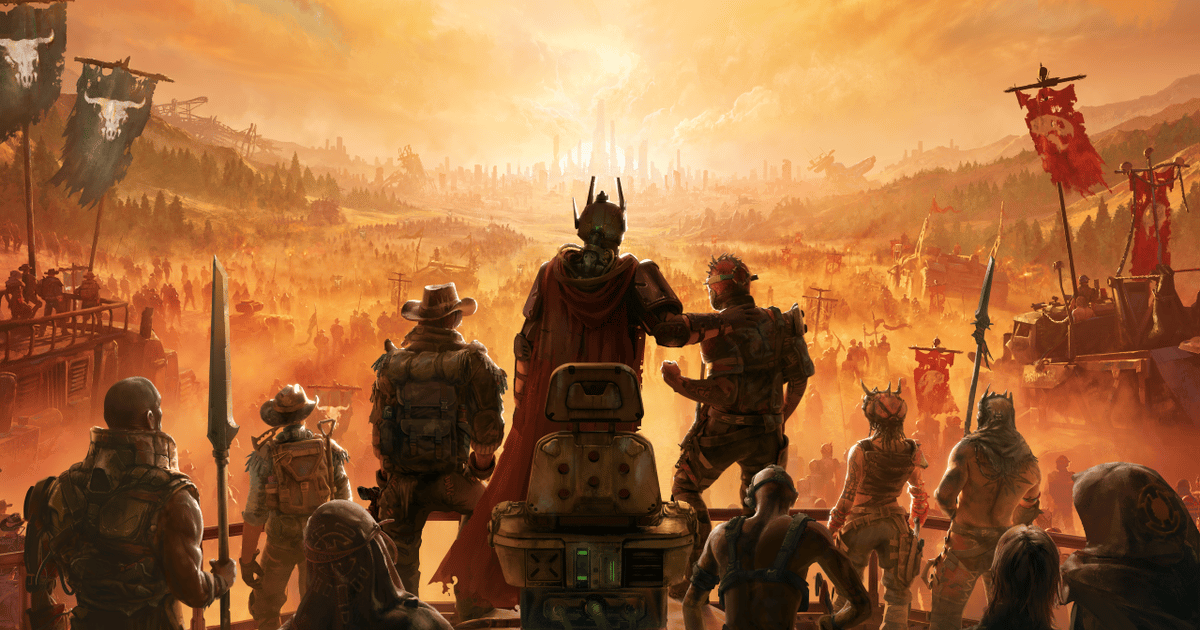
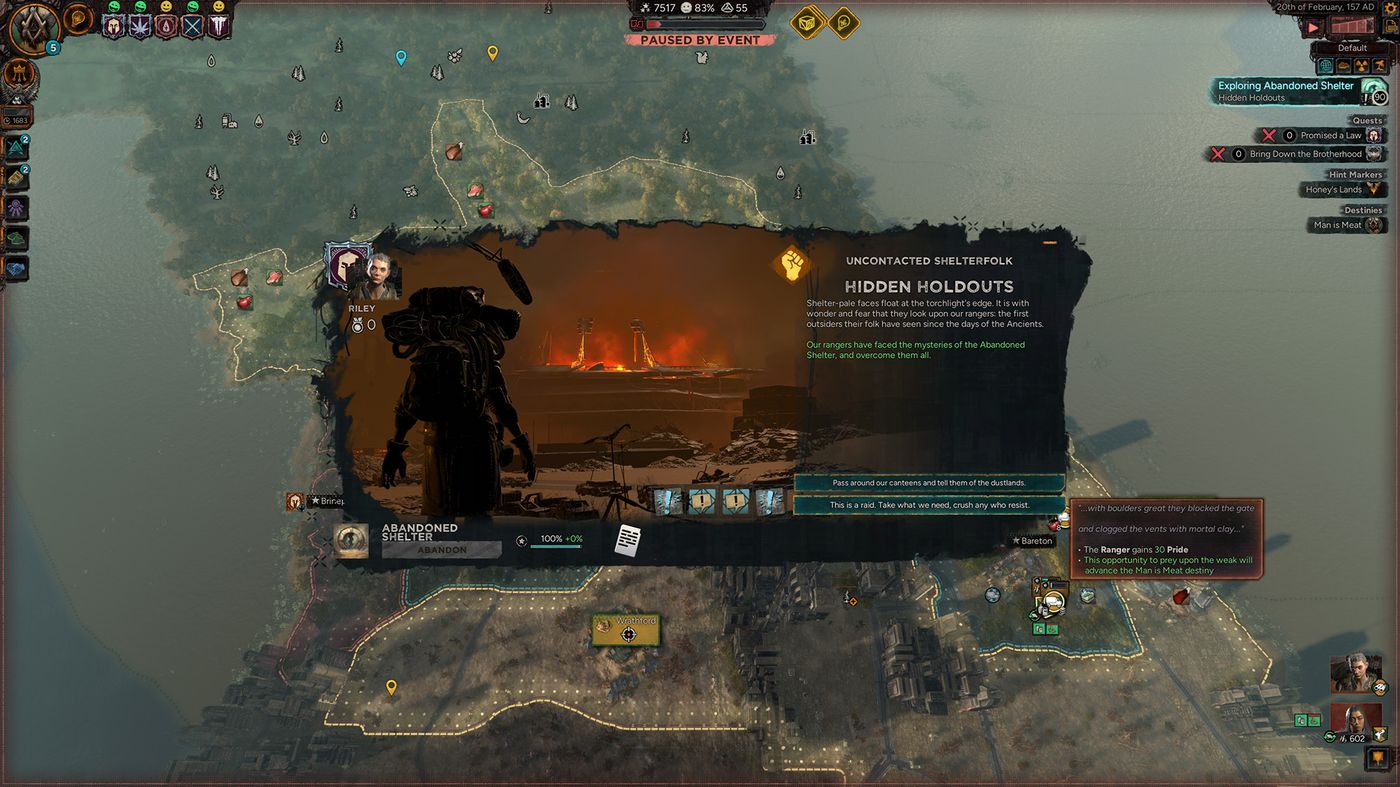
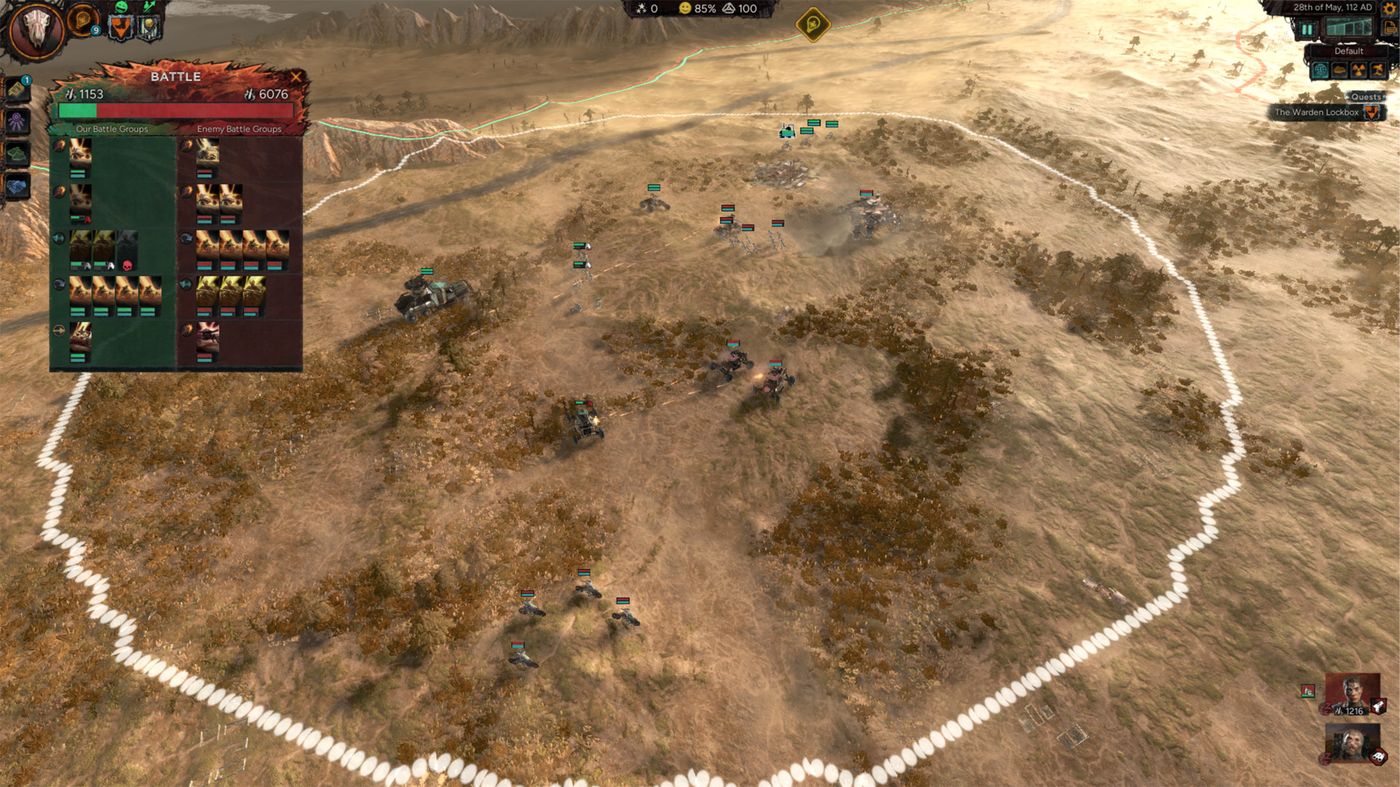
The opening acts of Afterworld play out like a strategic road trip. Players are forced to guide their vault-dwellers out of an aging, decaying subterranean shelter (which dramatically explodes after a fixed number of phases pass, eliminating any option to turtle indefinitely). Once on the surface, the Shelterborn must navigate an unfamiliar, mutated wasteland, secure vital resources, establish initial safe havens, and eventually interact with roaming rival factions and formidable cyborg warlords demanding tribute. This narrative-first onboarding process replaces dry statistical tutorials with immediate, high-stakes survival decisions.
Supporting Context & Metrics: Redefining Strategy Accessibility
To understand why Afterworld represents such a vital pivot for Paradox Development Studio, one must examine the demographic challenges facing the grand strategy genre at large.
Breaking Down Genre Barriers
Traditional 4X and grand strategy games suffer from a notorious accessibility problem. Metrics across the industry consistently show that games featuring thousands of interconnected background variables struggle to retain players who lack prior experience with the genre.
| Genre Feature | Traditional Grand Strategy (Hearts of Iron, Europa Universalis) | Afterworld Approach |
|---|---|---|
| Starting Point | Mid-history, complex geopolitical borders, active wars | Post-apocalyptic sandbox, blank slate, "restarted history" |
| Learning Curve | Heavy front-loaded number crunching and data analysis | Role-playing focus, narrative onboarding, emergent goals |
| Faction Generation | Rigid historical nations or heavy setting menus | Dynamic tribal origins and evolving ideological "backstories" |
| Core Progression | Territorial expansion, economic optimization, military conquest | Cultural evolution, ideological paradigm shifts, narrative survival |
As Lind noted during early press briefings, starting a game like Hearts of Iron places the player in the middle of a historical freight train. You are thrust into a complex web of pre-existing alliances, industrial capacities, and military doctrines that demand immediate mastery.
Afterworld sidesteps this hurdle entirely by wiping the slate clean. By setting the game in a post-apocalyptic North America where civilization has been fractured for centuries, every player starts on equal footing in the dark. There is no historical blueprint to memorize, encouraging organic experimentation over optimal wiki-reading.
The Stellaris Precedent
Paradox is no stranger to expanding its demographic reach through unconventional settings. The 2016 launch of Stellaris served as a massive inflection point for the company. By moving away from Earth’s history and into a science-fiction sandbox, Paradox attracted an entirely new cohort of gamers who had never touched Crusader Kings or Europa Universalis.
Afterworld is explicitly designed to replicate and expand upon that success. By combining the survival-horror flavor of a post-apocalyptic wasteland with the empire-building mechanics of 4X strategy, Paradox hopes to capture a crossover audience of tabletop role-players, sci-fi enthusiasts, and narrative-driven gamers who might otherwise bounce off traditional spreadsheet-heavy strategy titles.
Official Statements & Industry Insights
The philosophy driving Afterworld centers on merging deep role-playing with macro-scale strategy. In interviews with game director Dan Lind, the studio’s overarching vision for the project comes into sharp focus.
"We have always been very focused on the audience that we have with our games, and I hope all of them will like this too, but since we’ve grown as a company, we want to broaden the audience more as well," explained Dan Lind, Game Director at Paradox Development Studio. "When it comes to games like this, it’s always about that 4X experience of starting small and expanding as a necessity, but making that easy for all players to get into can be a challenge. I’m not sure how I would do this with Hearts of Iron, honestly, because it’s like you’re starting in the middle of history. But that’s why I like this version of a post-apocalyptic setting [with Afterworld], it’s like we’re restarting history and putting all players in that space forging that path into the unknown."
Lind elaborated on how the game shifts focus away from intimidating spreadsheets and toward organic player-driven goals:
"Instead of going the Stellaris route where it’s a lot of settings to tune, we’re gonna try to ease you into playing a role-playing game with your tribe, essentially. I think for people who are not used to how a grand strategy game works, it can be quite hard to understand that you can do anything and to find out what your own goal is. With Afterworld, it’s gonna make you adapt and stay in the moment. I think at some point you’ll realize you’ve actually set goals for yourself and you’re able to do stuff. So I’m hoping we’ll be able to attract people who are invested in [the] story and won’t have to think too much about number crunching."
The director also reflected on the personal weight and long-term commitment required to finally bring his long-dormant concept to life:
"I’ve had this concept for Afterworld in the backlog for some time, even before I started work on Hearts of Iron IV. I had sketches of this game, but it felt too experimental for us to dare gamble on. I had to deliver on some games before someone lets me do a totally different grand strategy game like this, right? You don’t work on something like this without being passionate about it for a long time. It’s a huge commitment and a big responsibility to take on, right?"
Future Outlook: What Afterworld Means for Strategy Gaming
As Afterworld continues its development cycle toward a future release, its impact on Paradox Development Studio and the broader grand strategy genre will be closely monitored by industry analysts and fans alike.
Redefining Tribal Evolution and Core Ethos
One of the most mechanically innovative features previewed in Afterworld is its system for tracking a tribe’s evolving culture. Drawing inspiration from the abstract, psychological character-growth paths found in narrative RPGs like Disco Elysium, Afterworld presents players with an expansive ideological menu.
As a tribe explores the post-apocalyptic wasteland, encounters mutant wildlife, negotiates with cyborg billionaires, or uncovers remnants of old-world technology, new ideas and concepts are introduced to the population. Introducing the right idea at a critical juncture can fundamentally alter the makeup and ethos of the entire society.
Players are granted immense freedom in shaping their civilization’s moral compass. A former vault-dwelling community might evolve into an egalitarian, communist collective dedicated to dismantling slavery and injustice across the wasteland. Alternatively, another faction might embrace ruthless pragmatism, preserving old-world technology while gradually developing a taste for human flesh. This heavy emphasis on cultural evolution ensures that no two playthroughs will ever feel identical.
The Road Ahead
By refusing to rely solely on historical recreation, Paradox Interactive is positioning Afterworld as a testbed for the future of the genre. If the studio successfully bridges the gap between the granular economic management of 4X strategy and the immersive storytelling of a role-playing game, it could redefine what players expect from strategy titles.
For veterans, Afterworld promises a fresh, unpredictable sandbox free from historical predictability. For newcomers, it offers an accessible, narrative-rich gateway into a genre that has historically guarded its gates fiercely. As the tribes of North America prepare to step out of their bunkers and into the radioactive sun, the strategy gaming landscape stands on the precipice of a fascinating new era.