









Executive Overview
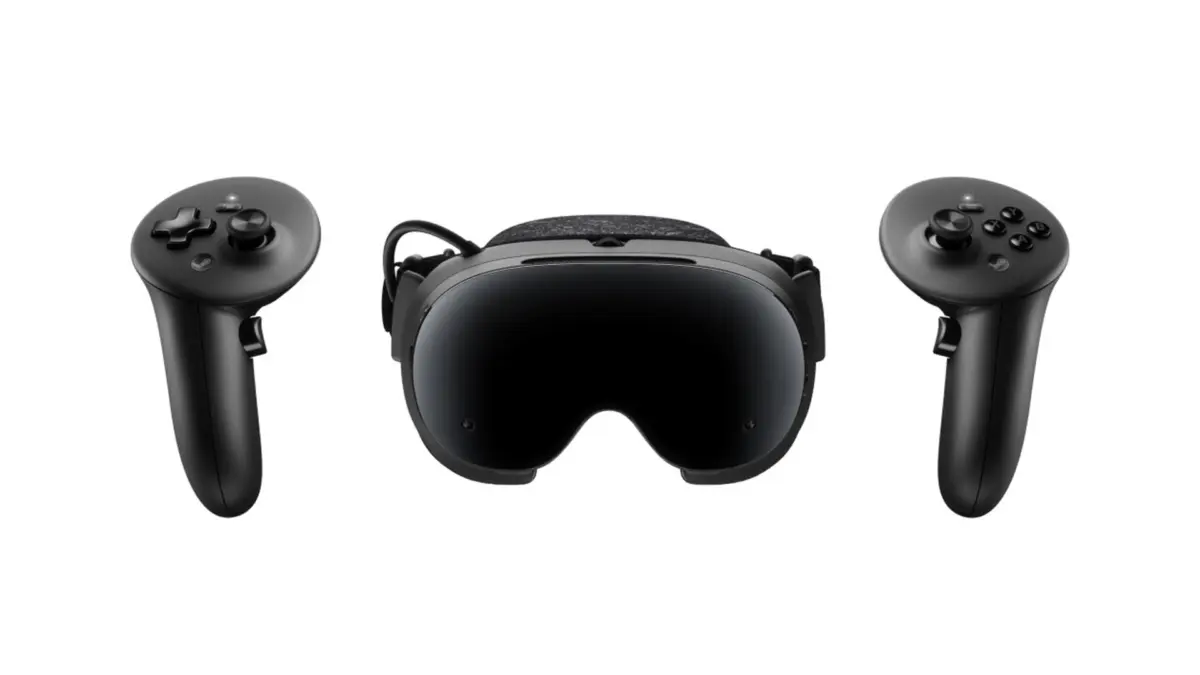
Valve has officially lifted the curtain on the pricing, packaging, and availability of the Steam Frame, rounding out its trio of major new hardware releases designed to reshape PC gaming, living room entertainment, and virtual reality. As the final piece of Valve’s contemporary hardware puzzle, the Steam Frame represents a significant technological leap—and a formidable financial investment.
According to Valve’s official store updates, the Steam Frame will launch at $1,059 for the baseline 256GB model, while the higher-capacity 1TB iteration will retail for $1,200.
Unlike many of its competitors in the consumer VR space, Valve has chosen not to subsidize the manufacturing costs of the Steam Frame. This hardware pricing strategy aligns with the company’s broader philosophical stance against creating closed ecosystems that rely on digital storefront lock-in to recoup hardware losses. Consequently, prospective buyers are looking at a four-figure baseline investment before accounting for mandatory or recommended add-ons. For instance, utilizing the headset as an independent, standalone device requires a separate $29 power supply, while an "ergonomic accessories kit" will run an additional $59.
The announcement arrives at a precarious time for consumer technology manufacturing. Both Valve and rival tech giant Meta have been forced to navigate surging component costs driven by a massive crunch in the global computer memory market. This shortage is heavily exacerbated by massive artificial intelligence corporations aggressively buying up high-bandwidth memory (HBM) and DRAM allocations through exclusive manufacturing deals with semiconductor giants like Samsung and SK Hynix.
Despite these macroeconomic hurdles—and the stark contrast between Valve’s pricing and mainstream alternatives like Meta’s $349 512GB Quest—Valve is pressing forward with confidence. Developer kits are already rolling out via the Steam Partner dashboard, signalling that Valve expects creators to optimize their portfolios for the upcoming high-end immersive ecosystem.
Detailed Chronology: The Evolution of Valve’s Hardware Ambitions
To understand the strategic significance of the Steam Frame’s pricing structure, it is essential to trace Valve’s hardware journey over the past decade. The company’s trajectory has evolved from a purely software-driven digital storefront titan into a multifaceted hardware manufacturer capable of challenging traditional console makers and PC builders alike.
1. The Early Experimentation Phase (2013–2019)
Valve’s hardware ambitions first materialized publicly through the Steam Machines initiative—an ambitious attempt to bring PC gaming into the living room via third-party pre-built consoles running SteamOS. That initial effort largely faltered due to fragmented hardware specifications, high price points, and an immature operating system. However, the foundational research yielded critical breakthroughs, particularly in input design, culminating in the Steam Controller and, more importantly, the Valve Index.
Released in 2019, the Valve Index established a gold standard for PC VR fidelity, offering unmatched field of view, finger-tracking controllers, and high-refresh-rate displays. Yet, it remained tethered to high-end gaming rigs via heavy cables and carried a hefty $999 complete kit price tag, positioning it firmly as a niche enthusiast product.
2. The Steam Deck Phenomenon (2022–2024)
The turning point for Valve’s hardware division was the launch of the Steam Deck in early 2022. By offering a portable, self-contained Linux-based PC that prioritized accessibility and aggressive pricing tiers, Valve captured the imagination of millions of gamers. The subsequent introduction of the Steam Deck OLED further cemented Valve’s reputation as a premier hardware architect capable of iterating quickly on consumer feedback.
3. Completing the Trinity: Steam Machine, Steam Frame, and Beyond (2025–2026)
Building on the momentum of the Steam Deck, Valve initiated development on three major hardware pillars designed to unify its ecosystem: a revamped, direct-from-Valve Steam Machine (starting at $1,049 for the 512GB model), an updated focus on living room integration, and finally, the Steam Frame virtual reality headset.
With the recent confirmation of the Steam Frame’s $1,059–$1,200 price point, Valve has now disclosed the economics for all three pillars of its new hardware generation. Developers have spent the last several months preparing for this ecosystem shift, and with dev kits now accessible via the Steam Partner dashboard, the race is on to populate Valve’s upcoming devices with optimized native software.
Supporting Context & Metrics: The Memory Crisis and Market Disparities
The pricing strategy behind the Steam Frame cannot be evaluated in a vacuum. It is heavily dictated by a volatile global semiconductor market and a stark philosophical divide between Valve and its closest competitor, Meta.
The AI Component Crunch
Over the past two years, the consumer electronics market has experienced severe turbulence due to an acute shortage of computer memory (DRAM and NAND flash). As generative AI models require unprecedented amounts of fast memory for data centers, major AI firms have poured billions of dollars into securing priority supply contracts with top-tier memory manufacturers such as Samsung and SK Hynix.
This corporate scramble has choked off supply lines for traditional consumer electronics, driving up component costs across the board. Meta—despite its massive financial reserves—has openly lamented these AI-driven supply constraints while simultaneously funneling billions into its own data center infrastructure. Both Meta and Valve have had to adjust their hardware pipelines and pricing strategies to absorb or pass down these inflated component costs.
A Tale of Two Philosophies: Valve vs. Meta
The divergence in pricing models between the Steam Frame and Meta’s Quest lineup highlights a fundamental philosophical split in the spatial computing industry:
- The Subsidized Ecosystem Model (Meta): Meta treats hardware as a loss leader. By pricing the 512GB Meta Quest at an aggressively accessible $349, Meta aims to maximize user adoption, capture market share, and monetize users through software sales, digital storefront fees, and data ecosystems. This approach prioritizes scale and mainstream penetration.
- The Unsubsidized Open Hardware Model (Valve): Valve, conversely, maintains a strict corporate policy against hardware subsidization. Speaking candidly on its hardware pricing principles—such as the $1,049 starting price for the new Steam Machine and the $1,059 baseline for the Steam Frame—Valve has repeatedly expressed a "religious refusal" to build closed, walled-garden ecosystems. Because Valve does not force developers or players to exclusively use a proprietary, locked-down storefront to extract long-term platform rents, the initial hardware purchase must cover its own manufacturing, research, and supply chain costs.
| Feature / Metric | Steam Frame (Base Model) | Meta Quest (High-End Tier) |
|---|---|---|
| Price | $1,059 (256GB) / $1,200 (1TB) | ~$349 (512GB) |
| Ecosystem Philosophy | Open platform / Dual standalone & PCVR modes | Closed, proprietary storefront |
| Hardware Subsidization | None (Costs reflect true manufacturing expenses) | Heavily subsidized to drive adoption |
| Additional Required Costs | $29 power supply (for standalone use); $59 ergonomic kit | Bundled base accessories |
| Target Audience | Enthusiast PC gamers, developers, power users | Mainstream consumers, casual VR users |
Official Statements and Industry Reception
Valve’s announcements have triggered intensive discourse across the video game industry, particularly among developers and hardware enthusiasts.
Industry analysts point out that while the $1,059 starting price for the Steam Frame places it well out of reach for casual consumers, it was never meant to compete with the Meta Quest. Instead, the Steam Frame occupies the enthusiast tier traditionally populated by high-end PC VR headsets that require external base stations and tethered cables—only now, Valve is offering flexibility.
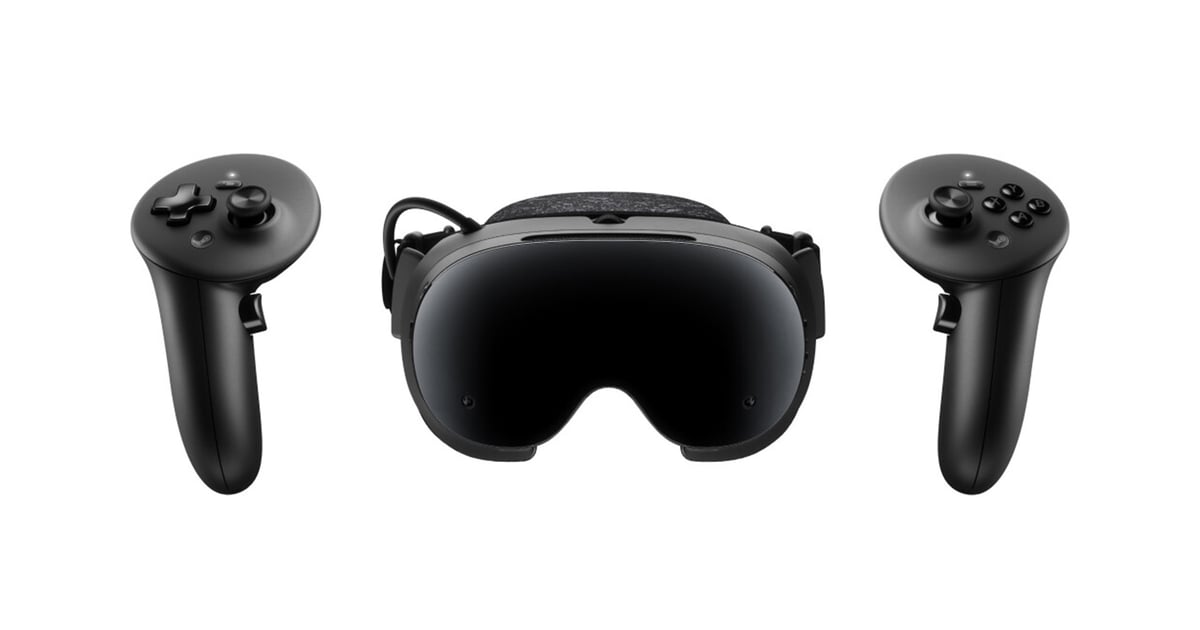
The Steam Frame functions as a hybrid device: it can operate as an independent, standalone headset running SteamOS for untethered experiences, or it can seamlessly bridge to a separate, high-powered PC for maximum graphical fidelity. This dual-functionality is expected to appeal heavily to sim-racers, flight simulation enthusiasts, and deep-pocketed PC purists who demand uncompromising visual clarity.
Furthermore, reactions from the development community have been cautiously optimistic. By opening up dev kit access through the Steam Partner dashboard, Valve is ensuring that studios—ranging from indie outfits to AAA developers—can begin testing performance scaling, control mapping, and standalone optimization early.
However, questions remain regarding adoption rates. With essential add-ons like the standalone power supply ($29) and the ergonomic accessories kit ($59) pushing the true cost of entry even higher, developers will have to weigh whether the addressable market size on Steam Frame justifies the development and optimization expenditure.
Future Outlook: What the Steam Frame Means for the Future of VR
As the dust settles on Valve’s hardware pricing reveals, the industry stands at an intriguing crossroads. The launch of the Steam Frame, alongside the new Steam Machine, signals Valve’s intent to cement a unified, Linux-powered hardware ecosystem that bypasses the traditional Windows PC monopoly while remaining entirely distinct from mobile-centric VR platforms like Meta’s Horizon OS.
1. The Proliferation of Hybrid Computing
The success of the Steam Frame’s hybrid architecture—bridging standalone portability with heavy-duty PC tethering—could establish a new blueprint for enthusiast VR. If consumers respond positively to the device’s versatility despite its high price, competing manufacturers may shift away from strict binary designs (pure standalone vs. pure PCVR) toward more adaptable architectures.
2. Developer Adaptation and SteamOS Integration
Over the next twelve to eighteen months, the influx of Steam Frame developer kits will test the robustness of Valve’s Proton and SteamOS translation layers in a spatial computing environment. As developers build games targeting both the Steam Deck architecture and the Steam Frame, the broader Linux gaming ecosystem stands to gain an unprecedented wealth of optimization data.
3. The Test of Consumer Loyalty
Ultimately, the Steam Frame’s market performance will test the limits of brand loyalty within the PC gaming community. While $1,059+ is a staggering sum for a VR headset in an era dominated by affordable, subsidized alternatives, Valve’s loyal consumer base has repeatedly demonstrated a willingness to invest heavily in premium, open hardware that respects user ownership and interoperability.
Whether this enthusiast-first strategy can sustain a thriving software marketplace on the Steam Frame will be one of the most closely watched narratives in gaming technology over the coming years.