








By Chris Kerr | Senior Editor, News, GameDeveloper.com
September 14, 2026
Executive Overview
The video game industry has weathered yet another profound loss as Seattle-based virtual reality specialist Polyarc formally announced the closure of its operations after nearly twelve years in business. Best known for developing the critically acclaimed and commercially beloved Moss franchise—an enchanting adventure series that first enchanted players on virtual reality hardware before expanding to traditional flat-screen platforms—the studio has officially wound down active development.
The closure marks the sad culmination of a prolonged period of economic instability and systemic contraction within the broader games sector, particularly for independent studios heavily reliant on emerging and high-risk hardware ecosystems. While the exact final headcount of displaced workers remains fluid due to ongoing consolidation and a previous wave of downsizing earlier in the year, a reverse-recruiting spreadsheet managed by former staff indicates that nearly 30 developers have been impacted by the final shutdown.
Polyarc’s demise highlights a recurring and distressing motif of the mid-2020s games industry: even critically lauded developers with iconic, award-winning intellectual properties are finding it increasingly difficult to survive the severe funding winters, tightening venture capital markets, and escalating budgets that characterize the modern market. As the studio turns off its servers and says its final farewells, the industry is left to reflect on a legacy that pushed the boundaries of immersive storytelling, even as the harsh economic realities of independent game development caught up with one of VR’s most pioneering creators.
Detailed Chronology: From Indie Upstart to Industry Pioneer
Founded in 2014 by a group of industry veterans with a shared vision for immersive entertainment, Polyarc set out to prove that virtual reality could be a medium for deeply emotional, character-driven storytelling rather than just tech demos or arcade experiences. Headquartered in Seattle, Washington, the studio quickly built a reputation for meticulous craftsmanship, marrying traditional game design principles with the unique psychological and spatial presence offered by head-mounted displays.
The Genesis and Ascent of Moss
For the first few years of its existence, Polyarc operated largely out of the spotlight, prototyping mechanics and building the engine technology that would eventually birth its breakout hit. That breakthrough arrived in 2018 with the launch of Moss.
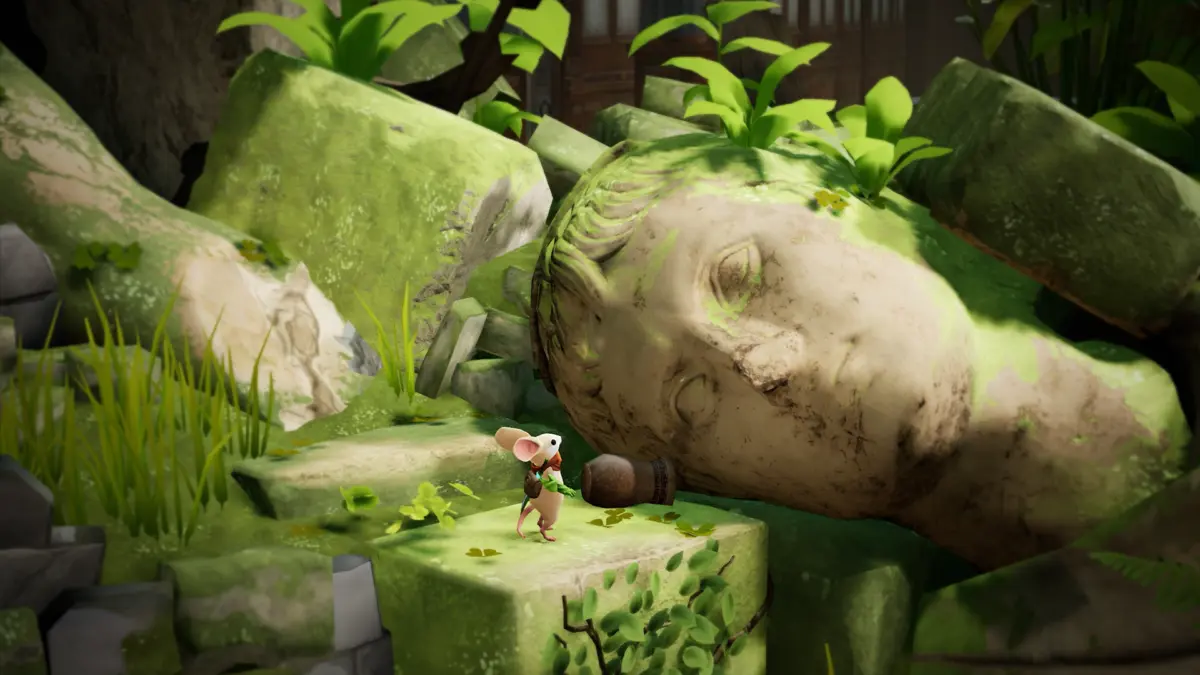
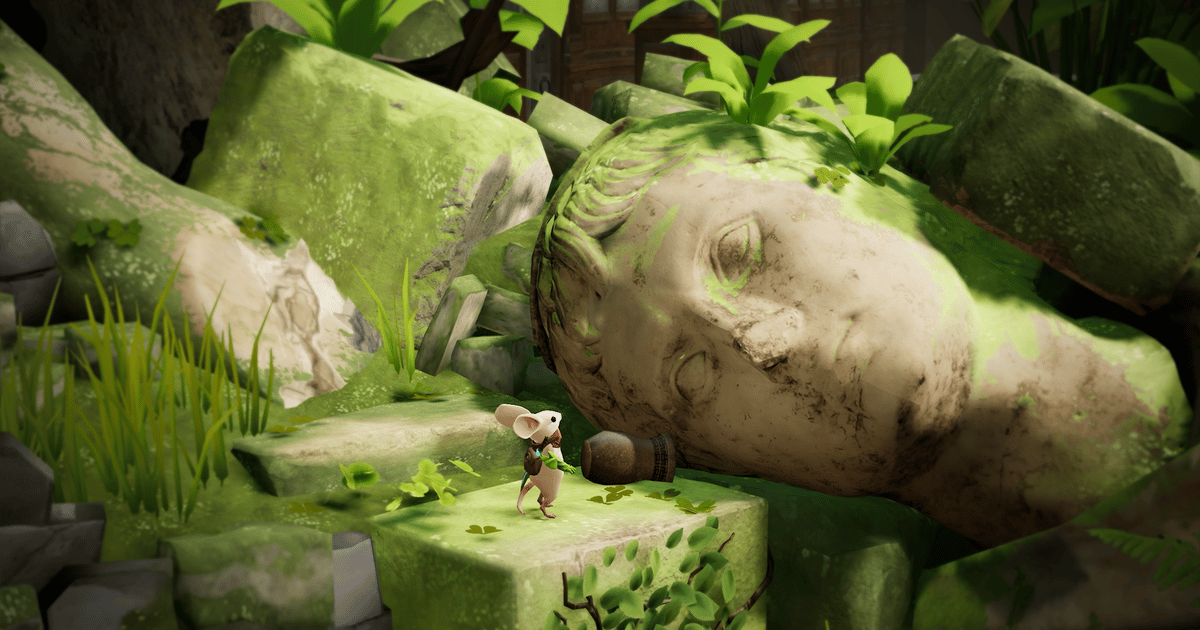
Putting players in the role of the "Reader"—an omnipresent entity that acts as both a guardian and a co-op partner to a tiny, sword-wielding mouse named Quill—Moss was heralded as a watershed moment for virtual reality. Critics praised the game for its innovative blend of first-person environmental interaction and third-person platforming, but it was Quill herself who captured the hearts of players worldwide. Through subtle animations, expressive sign language, and direct eye contact with the player, Quill established an emotional bond rarely seen in digital media, let alone in the nascent medium of VR.
Following the success of the original game, Polyarc capitalized on its newfound momentum by expanding its team and securing additional backing to develop a direct continuation. Moss: Book II launched in 2022 to widespread critical acclaim, deepening the lore, expanding the combat mechanics, and raising the emotional stakes of Quill’s journey.
The Pivot to Traditional Platforms
Recognizing the inherent market limitations of hardware-exclusive development—particularly within an immersive sector that has struggled to achieve mass-market saturation compared to traditional PC and console ecosystems—Polyarc made a strategic pivot. The studio began porting and reimagining the Moss franchise for non-VR platforms, bringing Quill’s adventures to flat-screen displays to broaden its audience reach and diversify revenue streams.
While these multiplatform releases successfully introduced the franchise to a wider demographic of gamers who did not own virtual reality hardware, the transition was not enough to insulate the studio from mounting macroeconomic pressures. The cost of game development was skyrocketing globally, and the appetite of investors to fund mid-sized, premium single-player experiences—especially those tied to niche or transitioning technologies—began to dry up rapidly.
The March 2026 Downsizing and Final Collapse
Cracks in the studio’s foundation became public earlier this year. Facing severe financing challenges and an increasingly hostile venture capital climate, Polyarc was forced to execute a significant downsizing initiative in March 2026. Hopes that the studio could restructure, secure bridge financing, or pivot to smaller scoped projects ultimately proved futile.
By September 2026, the financial runway had completely vanished. The leadership team made the agonizing decision to shutter the company entirely, ending nearly twelve years of continuous operation and bringing a definitive close to the studio’s independent journey.
Supporting Context & Metrics: The Wider Industry Crisis
Polyarc’s closure does not occur in a vacuum; rather, it is part of an ongoing, systemic wave of contraction that has swept through the interactive entertainment sector since 2023. Independent studios, worker-owned cooperatives, and mid-sized developers have borne the brunt of a post-pandemic market correction characterized by soaring inflation, rising interest rates, and a drastic shift in investor risk aversion.
The Scale of the Impact
While formal corporate announcements often obscure the human cost of studio closures, the community-driven response to Polyarc’s shutdown paints a clearer picture. A reverse-recruiting spreadsheet circulated by affected team members following the announcement indicates that approximately 30 developers have lost their jobs. This figure compounds the trauma of the initial layoffs experienced earlier in the year, leaving many seasoned engineers, artists, designers, and production staff searching for work in an oversaturated job market where major studios are simultaneously shedding talent.
The Plight of the VR Sector
Polyarc’s fate also underscores the unique and precarious economic realities of the virtual reality development ecosystem. Despite technological leaps in hardware—such as improved standalone headsets, higher fidelity optics, and wider consumer adoption—making a financially viable, AAA-quality game exclusively or primarily for VR remains an exceptionally difficult high-wire act.
Development costs for immersive titles are often comparable to, or even exceed, those of traditional flat-screen games due to the specialized optimization, rigorous quality assurance, and user-comfort testing required. However, the addressable market—the total number of consumers owning capable hardware—remains a fraction of the broader PlayStation, Xbox, Nintendo, and PC user bases. When publishers and venture capitalists pull back on speculative investments, pioneering studios like Polyarc, which built their entire identity around pushing the boundaries of immersive tech, find themselves dangerously exposed.
A Broader Trend of Creative Casualties
The studio’s closure arrives mere months after high-profile contractions at other beloved independent and mid-tier shops, such as worker-run studio KO_OP confirming its own painful rounds of layoffs. The cumulative effect of these closures is a chilling homogenization of the games industry, where mid-budget, creative, and narrative-driven titles are increasingly priced out of existence, leaving a landscape dominated by multi-year-development live-service giants and ultra-safe sequels.
Official Statements and Industry Reactions
The confirmation of Polyarc’s closure was delivered via a poignant, bittersweet statement published on LinkedIn by the studio’s leadership and shared widely across social media channels by grieving developers.
Reflecting on the twelve-year journey, the studio’s farewell message reads:
"Today is the end of an era for Polyarc. After nearly 12 years riding the joyous rollercoaster of emotions that is making video games, our time together has come to an end. As we wind down active development, we are saying our farewells to each other.
Working together over all of these years has been an honor. Bringing surprise and delight to those who played our games has been a privilege. Thank you to everyone at Polyarc, our work is now finished."
The response from the broader game development community was immediate and profound. Across platforms like X (formerly Twitter) and LinkedIn, industry peers, former employees, and fans shared tributes celebrating Polyarc’s artistic achievements. Many highlighted how Moss served as a foundational proof-of-concept for emotional storytelling in virtual reality, proving that digital companions could evoke genuine empathy from human players.
Independent developers and studio heads also used the moment to reiterate calls for structural reform within game industry financing, pointing out that brilliant creative execution and critical acclaim are no longer sufficient shields against predatory market conditions and volatile funding structures.
Future Outlook: The Legacy of Quill and Polyarc
As the dust settles on Polyarc’s Seattle offices and former employees navigate the daunting task of finding new employment, the immediate question concerns the stewardship of the studio’s intellectual property. Moss and its sequel remain universally praised works of art, raising questions about whether the rights to the franchise will be acquired by a larger publisher, sold off to service debts, or left dormant as digital artifacts of a bygone era in VR history.
Beyond the fate of individual assets, the closure of Polyarc serves as a sobering milestone for the evolution of immersive gaming. The studio proved beyond a shadow of a doubt that virtual reality is capable of rich, atmospheric storytelling populated by unforgettable characters. Quill the mouse became an icon of a medium still searching for its definitive identity, demonstrating that scale and violence are not prerequisites for emotional engagement in digital spaces.
However, the studio’s ultimate demise serves as a cautionary tale regarding the economic unsustainability of pioneering new hardware platforms without robust, long-term institutional backing. As venture capital retreats further into safe, predictable investments, the industry risks losing the very innovators who expand the horizons of what video games can achieve.
Polyarc may have closed its doors, but the emotional resonance of its creations—and the standard of excellence set by its developers—will endure in the memories of players and the DNA of the immersive gaming space for years to come.