








Executive Overview
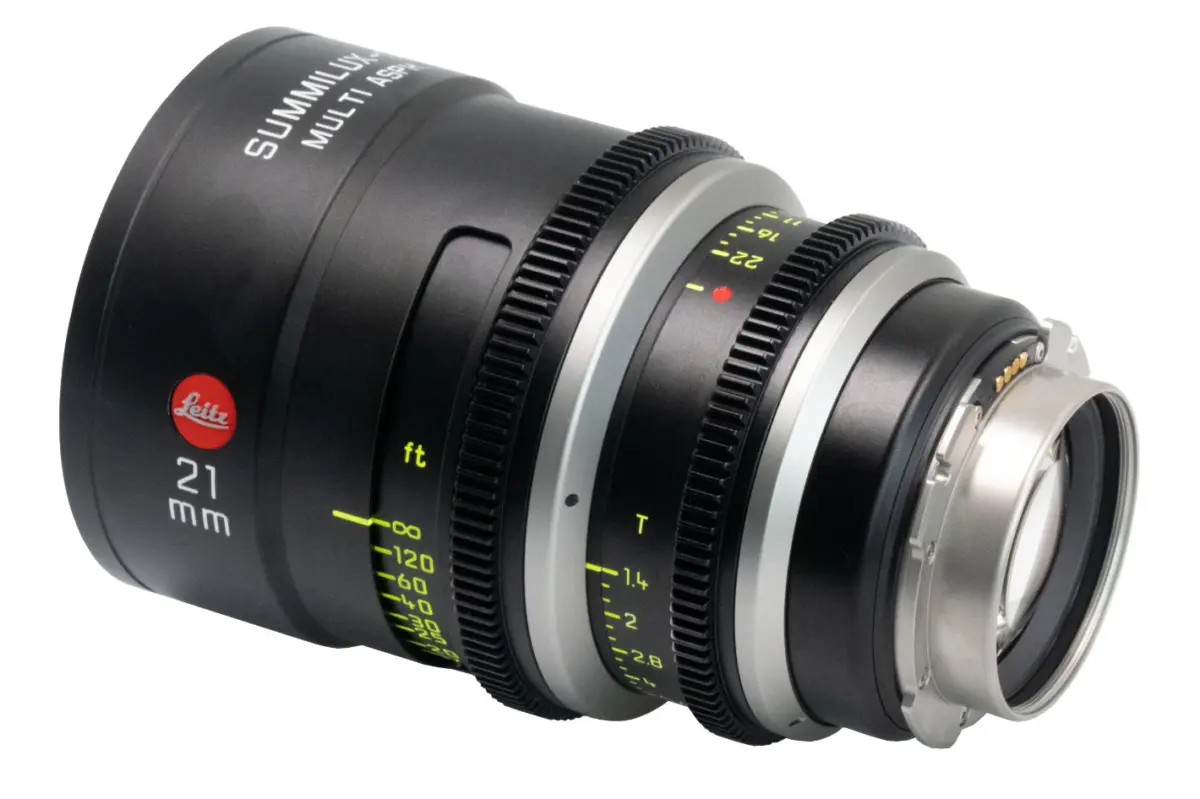
In the highly demanding arena of high-end cinematography, the line separating physical production from digital post-production is rapidly dissolving. As visual effects (VFX), virtual production, and automated post-production pipelines become the baseline for modern filmmaking, the demand for precise, frame-accurate camera and lens data has escalated from a luxury to an operational necessity. Addressing this critical workflow bottleneck, Leitz Cine has announced the launch of the Leitz iD Mount, an innovative hardware-and-software solution designed to bring advanced metadata capabilities to two of its most celebrated lens families: the Leitz HUGO and the Leitz SUMMILUX-C.
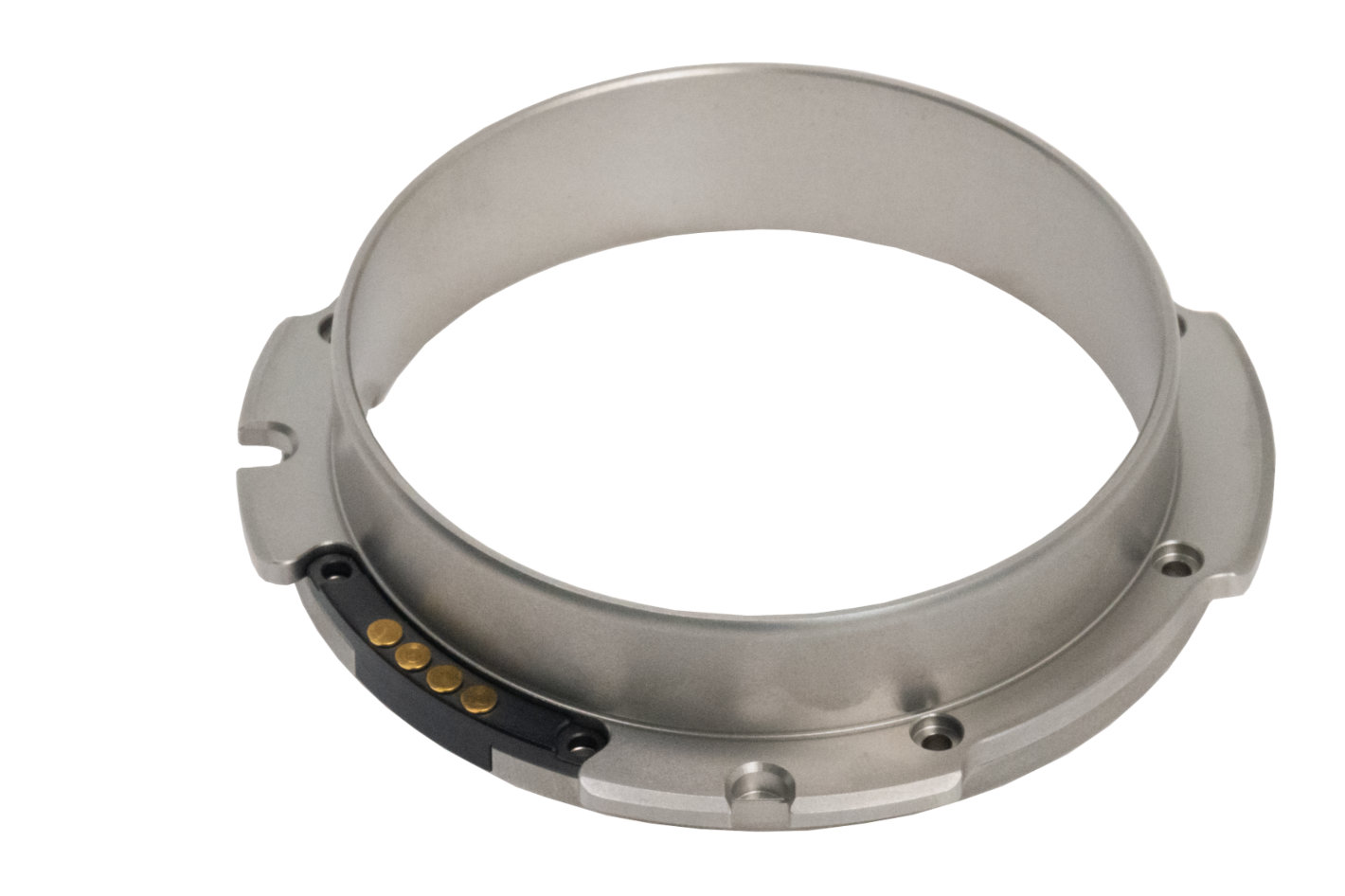
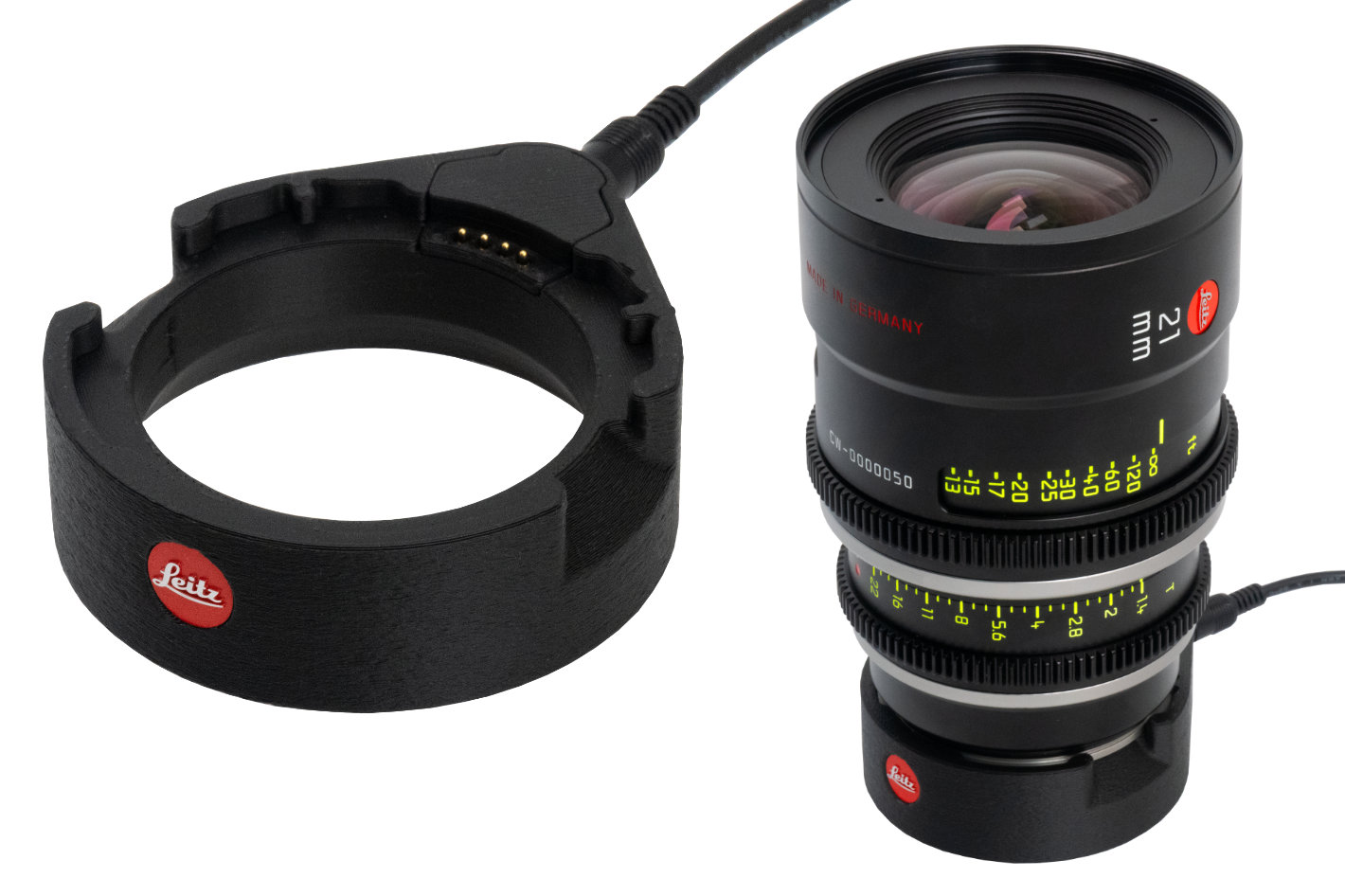
The Leitz iD Mount acts as an intelligent bridge, allowing compatible camera systems to instantly recognize the attached lens and record a robust package of static /i technology metadata directly into the camera’s clip files. By embedding essential optical parameters—such as the lens name, focal length, serial number, factory-calibrated distortion maps, and shading maps—the iD Mount aims to eliminate the error-prone process of manual lens logging.
Importantly, this upgrade does not alter the physical glass, optical path, or distinct aesthetic character of these premium lenses. Instead, it retrofits existing and new inventory with the digital passport required to navigate modern, data-driven post-production pipelines. Priced at €500 per mount, with a dedicated user-programming Update Base available for €320, the iD Mount represents a highly targeted, cost-effective modernization strategy for rental houses, boutique production companies, and owner-operators worldwide.
Detailed Chronology & Technical Mechanics
The Genesis of the iD Mount
The introduction of the iD Mount is a direct response to the evolving requirements of VFX supervisors and post-production houses. Historically, capturing lens characteristics required camera assistants to meticulously log lens changes on paper or digital sheets, while VFX teams had to shoot physical grid charts on set to calculate lens distortion and shading (vignetting) behaviors.
Leitz Cine’s development of the iD Mount streamlines this legacy process by utilizing the industry-standard Cooke /i Technology protocol to pass static lens characteristics directly through the camera mount’s electronic contacts.
+-----------------------------------------------------------------+
|                         Leitz iD Mount                          |
|  (Passes Static /i Metadata via PL/LPL Electronic Contacts)      |
+-----------------------------------------------------------------+
                                |
       +------------------------+------------------------+
       |                                                 |
       v                                                 v
+-------------------------------+                 +-------------------------------+
|     Metadata Package Assets   |                 |     VFX & Post Benefits       |
|  - Lens Name & Serial Number  |                 |  - Automated Undistortion     |
|  - Exact Focal Length         |                 |  - Precision Color Matching   |
|  - Factory Distortion Map     |                 |  - Simplified Plate Matching  |
|  - Factory Shading Map        |                 |  - Error-Free Asset Tracking  |
+-------------------------------+                 +-------------------------------+
Static Metadata vs. Dynamic Telemetry
To understand the engineering design of the iD Mount, it is essential to distinguish between static metadata and dynamic telemetry:
- Static Metadata (Supported by iD Mount): This refers to persistent, non-changing physical properties of the lens. The iD Mount stores and transmits a complete profile of the specific lens, including its optical distortion curves and shading characteristics at various points, alongside identification data like the serial number.
- Dynamic Telemetry (Not Supported): This involves real-time, frame-by-frame calculations of changing variables, such as the exact position of the focus barrel, iris ring, or zoom focal length during a shot.
By focusing exclusively on static metadata, Leitz engineered a self-contained interface that requires no internal electronic or mechanical connection to the lens’s internal moving parts. This elegant design choice dramatically simplifies the installation process and ensures that the physical operation of the focus and iris rings remains completely unencumbered and purely mechanical.
Mount Architecture: PL vs. LPL
The iD Mount is tailored specifically to the physical and optical standards of the lens families it supports:
- Leitz SUMMILUX-C (PL Mount): The legendary SUMMILUX-C prime lenses, known for their creamy skin tones and classic rendering, utilize the industry-standard ARRI PL (Positive Lock) mount. The iD Mount for this series is delivered as a PL mount featuring standard electronic metadata pins.
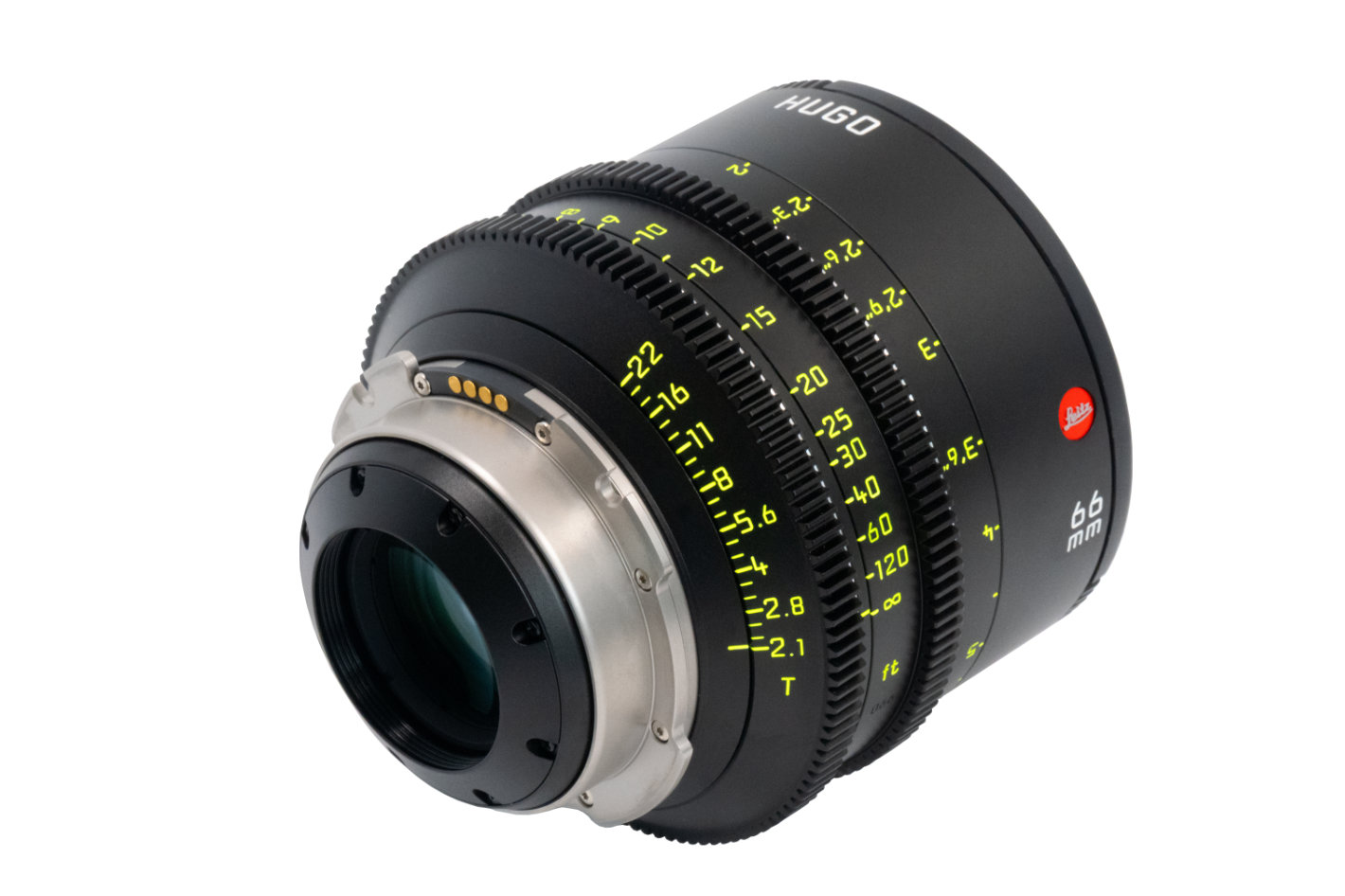
- Leitz HUGO (LPL Mount): Designed to bring the iconic Leica M mount aesthetic to large-format cinema cameras, the HUGO primes utilize the newer, wider LPL (Large Positive Lock) mount standard. The iD Mount version for HUGO lenses is delivered in this LPL configuration, optimizing metadata transfer for modern full-frame and large-format camera bodies.
Installation and Calibration Workflow
One of the most appealing aspects of the iD Mount is its ease of deployment. Because the mount does not interface with the lens’s internal mechanics, owners can perform the upgrade themselves without sending the lenses back to a specialized service center.
The installation workflow consists of three straightforward steps:
- Physical Exchange: Unscrewing the original mechanical mount and replacing it with the iD Mount.
- Backfocus Verification: Performing a standard backfocus check using a collimator or projector to ensure optical precision.
- Shim Adjustment: Adding or removing standard shims behind the mount to achieve perfect flange focal distance alignment.
Supporting Context & Metrics
The True Cost of Manual Logging in Modern Production
In professional film and television production, time is quite literally money. The financial impact of missing or inaccurate lens data during post-production can be staggering. To understand the economic viability of the iD Mount, consider the following workflow metrics:
| Phase of Production | Traditional Manual Workflow | iD Mount Enabled Workflow | Est. Time/Cost Savings |
|---|---|---|---|
| On-Set Logging | Camera Assistant manually writes down lens, focal length, and serial number for every setup. | Camera automatically writes metadata directly to the camera raw/MXF file metadata header. | Saves 2–5 minutes per setup; eliminates human transcription errors. |
| VFX Plate Preparation | VFX crew shoots physical grid charts and gray cards for every lens focal length used on set. | VFX software automatically extracts factory-calibrated distortion and shading maps. | Saves 30–60 minutes of set time per day; eliminates the need for grid-chart shoot days. |
| Post-Production Compositing | Artists manually estimate lens distortion and vignetting by trial and error to match CGI elements. | Automated undistortion and re-shading using embedded metadata profiles. | Reduces VFX artist labor hours by up to 15–20% per composite shot. |
The Power of Factory-Calibrated Maps
The inclusion of distortion maps and shading maps is the crown jewel of the iD Mount’s metadata package.
- Distortion Maps: Every lens, no matter how well-engineered, exhibits some degree of geometric distortion (barrel or pincushion). The iD Mount transmits a precise digital map of this distortion. VFX software can instantly use this map to "flatten" (undistort) the footage, composite computer-generated elements onto a perfectly flat plane, and then re-apply the original lens distortion to ensure the final image looks completely organic.
- Shading (Vignetting) Maps: Lenses naturally drop off in brightness toward the edges of the frame, especially when wide open. The shading map tells post-production software exactly how light falls off across the sensor. This allows colorists and compositors to neutralize the vignette for seamless green-screen keying or to perfectly match the shading characteristics of different lenses used within the same scene.
[Camera Sensor Capture]
       │
       ▼ (Reads iD Mount Static Metadata)
[Clip File Generated with Embedded /i Metadata]
       │
       ├─► [Lens Name & Serial Number]  ──► (Automated Dailies & Asset Tracking)
       ├─► [Factory Distortion Map]     ──► (Instant VFX Plate Undistortion)
       └─► [Factory Shading Map]        ──► (Seamless Compositing & Color Matching)
Pricing and Hardware Logistics
Leitz Cine has structured the pricing of the iD Mount ecosystem to lower the barrier to entry for both large-scale rental facilities and independent owner-operators:
- Leitz iD Mount: €500 per mount (available in PL for SUMMILUX-C and LPL for HUGO).
- Leitz iD Mount Update Base: €320 (available in either PL or LPL configurations).
For customers purchasing brand-new HUGO or SUMMILUX-C lenses, the mounts can be ordered pre-installed and pre-programmed directly from the Leitz factory.
For existing owners, Leitz offers two upgrade pathways:
- Pre-Programmed Delivery: For an additional fee, owners can provide their lens serial numbers at the time of purchase. Leitz will program the specific lens profiles onto the mounts before shipping, allowing for a plug-and-play installation.
- User-Programmed (Update Base): Customers who own multiple lenses or rental houses managing extensive inventories can purchase the iD Mount Update Base. Using this hardware interface alongside free Leitz desktop software (compatible with macOS and Windows), technicians can easily write, verify, update, or erase metadata profiles on the mounts. The software features an intuitive dropdown menu where selecting the lens family and focal length automatically loads the correct factory-calibrated maps onto the mount’s internal storage.
Official Statements
The introduction of the iD Mount represents a strategic effort by Leitz to preserve the longevity and relevance of its legacy glass in an increasingly digital industry. Managing Director of Leitz Cine, Rainer Hercher, emphasized this design philosophy:
"Lens metadata has become increasingly important throughout production and post production. The iD Mount gives owners of HUGO and SUMMILUX-C lenses a practical way to add useful identification and optical data without changing the performance or character of the lenses themselves. It is a simple upgrade designed to make these lens families even more useful in modern workflows."
This statement highlights a crucial point of reassurance for cinematographers: the upgrade is entirely external and non-invasive. The optical formula, internal mechanical dampening, and unique visual rendering—such as the gentle roll-off, flare characteristics, and micro-contrast that make the SUMMILUX-C and HUGO lenses highly coveted—remain completely untouched.
Furthermore, Hercher’s comments underscore a broader industry trend where the value of a cinema lens is no longer measured solely by its glass, but also by how efficiently it communicates with the rest of the production ecosystem.
Future Outlook
The Democratization of Intelligent Glass
The launch of the Leitz iD Mount is emblematic of a broader shift toward "intelligent glass" across the cinema industry. What was once a specialized feature reserved for high-budget VFX tentpoles is fast becoming standard practice for commercial, television, and independent film productions. As virtual production stages (LED volumes running real-time engines like Unreal Engine) continue to proliferate, the need for immediate, accurate lens identification is paramount. Even without real-time tracking, having static lens profiles instantly loaded into the virtual environment dramatically speeds up the initial alignment and calibration of the camera tracking systems.
Integration with AI and Automated Post-Production
Looking further ahead, the integration of factory-calibrated lens metadata is poised to play a massive role in the rise of AI-assisted post-production tools. AI-driven color grading, automated rotoscoping, and machine-learning-based depth map generation rely heavily on clean, structured data inputs. By providing highly accurate ground-truth data regarding lens distortion and shading, the iD Mount ensures that next-generation post-production software can operate with maximum accuracy, reducing rendering artifacts and computational errors.
Legacy Preservation in a Digital Era
Perhaps the most significant impact of the iD Mount is its role in sustainable technology practices. Cinema lenses are long-term investments, often remaining in active service for decades, outlasting multiple generations of camera bodies. By offering an accessible, modular metadata upgrade path, Leitz has ensured that the SUMMILUX-C (first introduced over a decade ago) and the newer HUGO series remain fully compatible with the most sophisticated workflows of tomorrow.
As production pipelines continue to evolve, the Leitz iD Mount sets a compelling precedent for how classic, analog craftsmanship can be gracefully updated for the digital age—proving that even the most poetic glass can benefit from a little digital intelligence.