





Executive Overview
For veterans of the personal computer gaming landscape who navigated the hobby before the ubiquitous rise of digital distribution networks like Steam, Epic Games Store, and GOG itself, the era of physical PC software was defined by sensory experiences that have largely vanished. Long before algorithms curated our libraries and compressed installation files into background downloads, the rite of passage for purchasing a new video game involved browsing the sprawling aisles of electronics retailers, computer shops, and electronics department stores. There, games were not sold in fragile, transparent jewel cases or flimsy modern amaray boxes; they commanded attention through elaborate, oversized cardboard packaging commonly referred to in the industry as the “big box.”
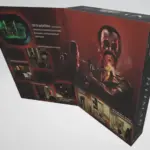
These elaborate packages served as structural masterpieces of marketing and design. They featured striking, tactile cover art, heavy cardstock construction, and, frequently, hinged front flaps that opened to reveal the game’s contents, lore sheets, and intricate manuals nestled inside custom cardboard inserts. Today, these vintage artifacts have largely vanished from basements and attics—discarded during moves, crushed by time, or degraded by environmental humidity. Surviving copies command exorbitant sums on the secondary collector’s market, occasionally sparking high-stakes authentication scandals.
In a novel approach to digital game preservation that bridges the chasm between virtual ownership and tactile nostalgia, digital storefront GOG (formerly Good Old Games) has launched a campaign aimed at resurrecting this lost aesthetic. The platform has introduced a new initiative dubbed the "Printable Big Box" collection. Available to players who purchase or own select classic titles on the platform, this feature provides downloadable, high-resolution packaging scans and interactive 3D models. Users can take these digital assets, print them out on heavy paper stock, cut, fold, and glue them to construct physical, miniature replicas of the iconic boxes that once dominated retail shelves.
While the initial launch footprint is modest—comprising just five historically significant titles—the implications of the project extend far beyond mere arts and crafts. It represents a philosophical shift in how platforms approach the preservation of gaming heritage. By treating physical ephemera with the same reverence usually reserved for software code and compatibility fixes, GOG is exploring an uncharted dimension of digital preservation: safeguarding the physical artifacts of gaming culture through the democratization of home fabrication.
Detailed Chronology
To understand the weight of GOG’s new initiative, it is essential to trace the arc of physical PC packaging design and the subsequent shift toward digital hegemony.
The Golden Age of Shelf Eye Candy (1980s–Early 2000s)
During the formative decades of commercial PC gaming, publishers understood that software required physical shelf presence to justify its often-steep price points—frequently ranging from $40 to $80 USD in unadjusted currency. Because floppy disks and, later, CD-ROMs occupied minimal physical space, publishers utilized oversized boxes to create perceived value, protect fragile media, and provide a canvas for visionary artists.
During this epoch, companies like Origin Systems, Sierra On-Line, MicroProse, and LucasArts turned box art into an art form. These packages were often filled with what modern gamers might consider extravagant luxuries: heavy, leather-bound-style manuals, fold-out cloth maps, cryptographic decoder wheels, novellas, and intricate promotional materials. The box itself was designed to be displayed proudly on bookshelves, functioning as a badge of honor for the gamer who mastered its contents.
The Digital Shift and the Disappearance of the Box (Mid-2000s–2010s)
The death of the big box was neither sudden nor accidental; it was an economic and logistical inevitability driven by the rise of high-speed broadband internet and the vulnerabilities of physical retail. The turning point arrived in late 2004 with the launch of Valve’s Steam platform, designed primarily to deliver patches and authenticate copies of Half-Life 2.
As digital distribution matured over the next decade, maintaining physical shelf space in shrinking brick-and-mortar retail chains became a costly endeavor for publishers. Retailers demanded high profit margins and charged slotting fees for shelf real estate, while unsold inventory resulted in costly returns and liquidations.
Simultaneously, the environmental and economic costs of manufacturing large cardboard boxes for media that could be transmitted instantly over fiber-optic cables proved unsustainable. By the early 2010s, the big box had all but vanished from mainstream retail, replaced first by slimline DVD cases and eventually by zero-footprint digital libraries. While PC gamers gained immense convenience, instant access, and automatic patching, they lost a tangible connection to their collections.
The Rise of the Collector Economy (2015–Present)
As digital libraries expanded into the hundreds of titles, a paradoxical counter-movement emerged. A thriving collector’s market developed around vintage PC software. Unopened or pristine big-box games from the 1980s and 90s began fetching astronomical prices at auction houses and specialized marketplaces.
However, this boom also attracted bad actors. The community has recently grappled with high-profile forgery scandals, where counterfeit big-box editions of rare role-playing games and shooters were manufactured to defraud collectors out of thousands of dollars. Finding authentic, pristine packaging became an elite, prohibitively expensive hobby, isolating everyday enthusiasts from the tactile history of the medium.
The Launch of GOG’s "Printable Big Box" Initiative
Recognizing this yearning for tangible heritage, GOG formalised its preservation strategy by expanding beyond mere software compatibility wrappers (such as DOSBox and ScummVM integrations). In late 2026, the company introduced the "Printable Big Box" feature as part of its ongoing curation and preservation framework.
Rather than attempting to manufacture expensive physical replicas—a logistical nightmare prone to supply chain bottlenecks and high retail pricing—GOG leveraged the digital nature of its platform to put the power of creation directly into the hands of the consumer. By integrating high-resolution scans and 3D assets directly into digital purchase incentives, GOG created an entirely new category of digital goodie.
Supporting Context & Metrics
The "Printable Big Box" collection is currently in an experimental, curated phase, designed to test the viability of community-driven papercraft preservation.
The Initial Lineup
At launch, the collection is restricted to five foundational titles that span critical eras of PC gaming history:
- Armikrog (2015): Representing the modern era of crowdfunded claymation adventure gaming, this title’s inclusion proves that big-box nostalgia is not strictly limited to the MS-DOS or Windows 95 eras.
- Descent (1995): Parallax Software’s revolutionary true-3D space shooter stands as a defining monument of mid-90s PC action gaming, boasting iconic, aggressive box art that pushed the boundaries of shelf marketing.
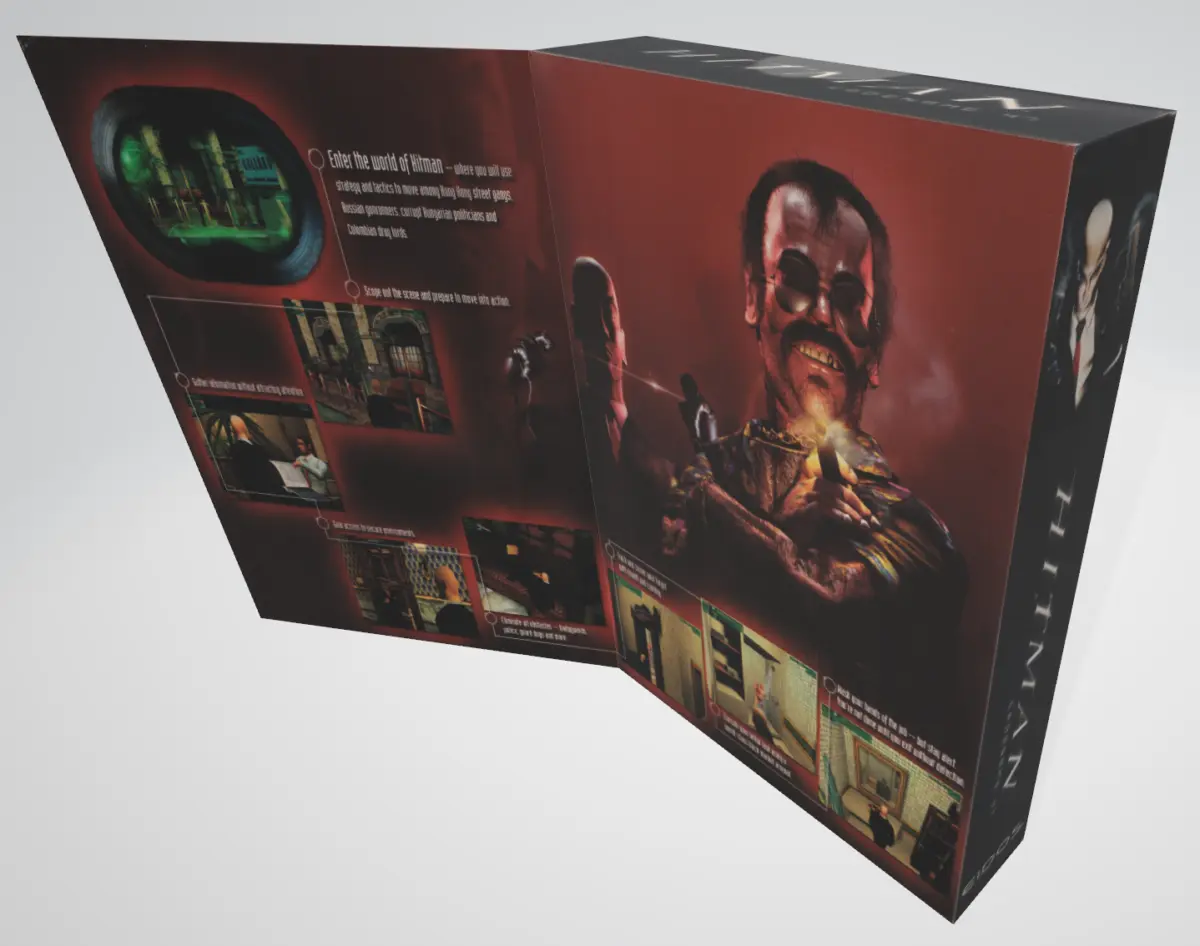
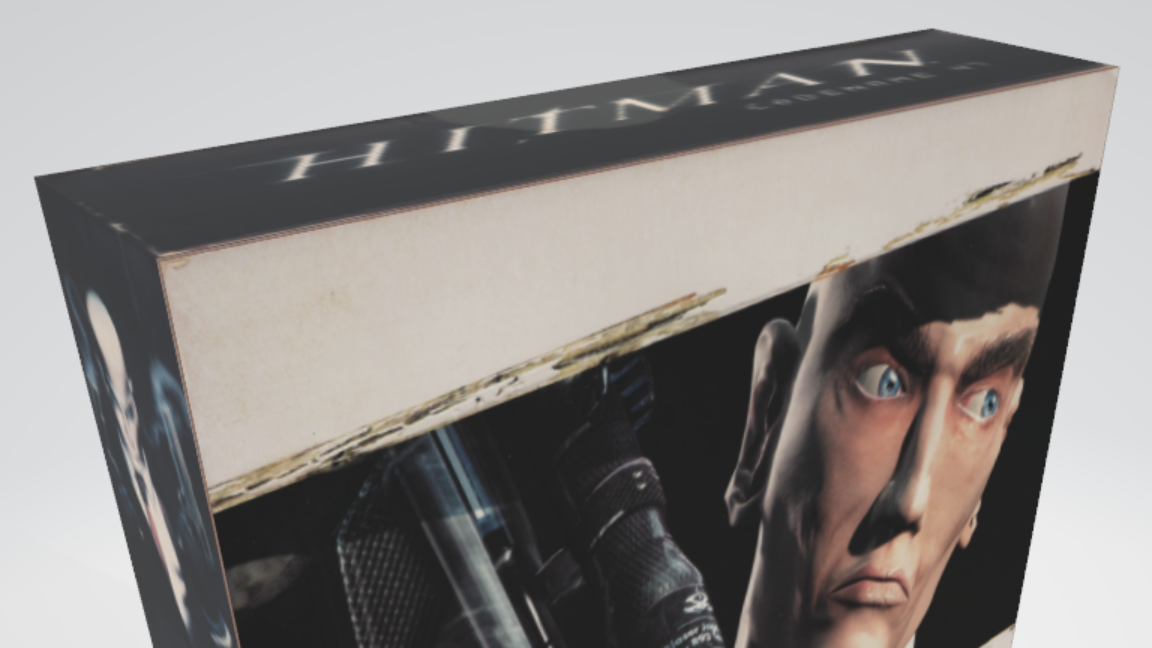
- Hitman: Codename 47 (2000): IO Interactive’s stealth masterpiece introduced Agent 47 to the world inside a striking, minimalist black-and-barcode package that set a new tone for tactical action games at the turn of the millennium.
- Myst (1993): Cyan Worlds’ puzzle phenomenon was a system-seller for early CD-ROM drives. Its enigmatic, surreal packaging invited players into a mysterious world before they even booted up the disc.
- Star Trek: 25th Anniversary (1992): Interplay Entertainment’s classic adventure game captured the golden age of point-and-click design, wrapped in packaging that appealed heavily to both sci-fi television fans and early PC enthusiasts.
Technical Specifications of the Downloads
When a user navigates to any of these five titles on the GOG store page, they will notice a new inclusion listed under the "Goodies" tab: "3D Boxes." Upon acquiring the game, users can download a comprehensive ZIP archive containing two distinct resource types:
- Interactive 3D Objects (.GLB Format): The GLB (GL Transmission Format binary) file format allows users to load the box art into modern 3D viewers or augmented reality environments. The digital model is fully animated, demonstrating the mechanics of the original packaging—such as the front flap swinging open to reveal internal elements. This allows players to inspect every angle of the artwork in crisp detail without risking damage to a physical copy.
- Flat Printable Templates (PDF, SVG, and Adobe Illustrator Formats): For the actual fabrication process, GOG provides vector-based and high-resolution raster templates. These files include precise cut lines, fold creases, and bleed zones. Users can open these files in professional design suites or standard PDF readers, print them out on heavy-weight cardstock (typically recommended at 250gsm to 300gsm for structural integrity), and manually craft their own display-ready boxes.
Official Statements
GOG framed the initiative not merely as a nostalgic marketing gimmick, but as an extension of its core corporate ethos: digital preservation. In an official press release accompanying the launch, the company articulated the philosophical underpinnings of the project:
"Physical media doesn’t survive the way software can—boxes get lost, crushed, thrown out," GOG noted in its press statement. "Scanning them, and letting you print your own, is preservation in a different shape: the same mission that keeps these games running on modern PCs, applied to the objects they used to come in."
The company emphasized that digital code can be backed up infinitely across server farms, decentralized cloud networks, and individual hard drives, ensuring that a compiled binary file can theoretically survive indefinitely. Cardboard, paper, and ink, however, are subject to the ravages of time, light exposure, moisture, and physical displacement. By shifting the preservation burden from fragile physical objects to infinitely reproducible digital templates, GOG aims to democratize access to gaming history.
Independent preservationists and design historians have largely welcomed the move. While digital archivists have spent decades focusing on dumping ROMs, archiving source code, and capturing floppy disk images, the ephemeral packaging—often containing critical contextual clues, developer notes, and DRM keys—has historically been neglected due to storage constraints in institutional archives.
Future Outlook
As the "Printable Big Box" initiative moves past its initial rollout phase, industry watchers are monitoring its potential expansion. Several critical questions remain regarding its future scalability and impact on the broader retro-gaming ecosystem.
Potential Catalog Expansion
The primary limitation of the current initiative is its scope. Restricting the collection to five titles was a prudent risk-management strategy to test server load, community engagement, and scan fidelity. However, the true value of GOG’s library lies in its thousands of classic titles.
Scaling the program will require significant labor. High-resolution scanning of vintage cardboard boxes is a delicate process. Unlike flat paper documents or comic books, three-dimensional boxes must be carefully photographed or scanned from multiple angles, digitally stitched, cleaned of wear-and-tear blemishes while retaining historical accuracy, and converted into clean vector templates with accurate fold lines.
If GOG can partner with community archivists, collector networks, and intellectual property holders to source and restore hundreds of additional box designs, the feature could evolve into a comprehensive digital museum of PC packaging history.
The Intersection of Papercraft and 3D Printing
The inclusion of .GLB 3D files opens up fascinating possibilities for future technological integration. While current templates are designed for traditional paper and cardstock crafting, the presence of standardized 3D models hints at a future where hobbyists could theoretically utilize 3D printing technologies or CNC cutting machines to produce rigid internal plastic molds or embossed cardboard shells.
Furthermore, as augmented reality (AR) hardware becomes more prevalent in consumer electronics, users could theoretically place these 3D-rendered virtual boxes on their physical desks, creating a hybrid digital-physical display case that bypasses the need for physical storage space altogether while retaining the visual splendor of the 1990s retail shelf.
Redefining the Value Proposition of Digital Stores
In an increasingly crowded digital marketplace dominated by subscription services and launcher applications that offer zero tangible ownership, initiatives like GOG’s Printable Big Box point toward a sustainable path forward for platforms that champion digital ownership (such as GOG’s DRM-free model).
By offering value-add features that celebrate the history of the medium, platforms can foster deeper emotional connections with their user base. The ability to print, fold, and display a physical artifact of a digital purchase transforms a cold database transaction into a participatory cultural hobby.
Ultimately, GOG’s Printable Big Box project demonstrates that the future of game preservation does not have to choose exclusively between cold digital efficiency and fragile physical nostalgia. By leveraging modern digital tools to recreate yesterday’s physical ephemera, the initiative ensures that the visual culture of PC gaming’s golden age remains accessible, tangible, and alive for generations of gamers yet to come.