






Executive Overview
In the hyper-connected, fast-paced world of modern music, digital distribution has become a double-edged sword. While independent platforms have successfully democratized the industry—allowing garage bands and bedroom producers to reach global audiences on Spotify, Apple Music, and TikTok for a nominal yearly subscription—the exact same infrastructure is increasingly being weaponized by bad actors.
A glaring vulnerability in this ecosystem has been thrust into the international spotlight following a high-stakes legal maneuver by JYP Entertainment, the powerhouse agency behind K- piuttosto global sensations Stray Kids. With nine Billboard 200 number-one albums, sold-out stadium tours spanning three continents, and a rabid multi-million-strong fandom, Stray Kids commands an unprecedented level of global influence. Yet, this massive commercial footprint also makes them an irresistible target for digital copyright infringement.
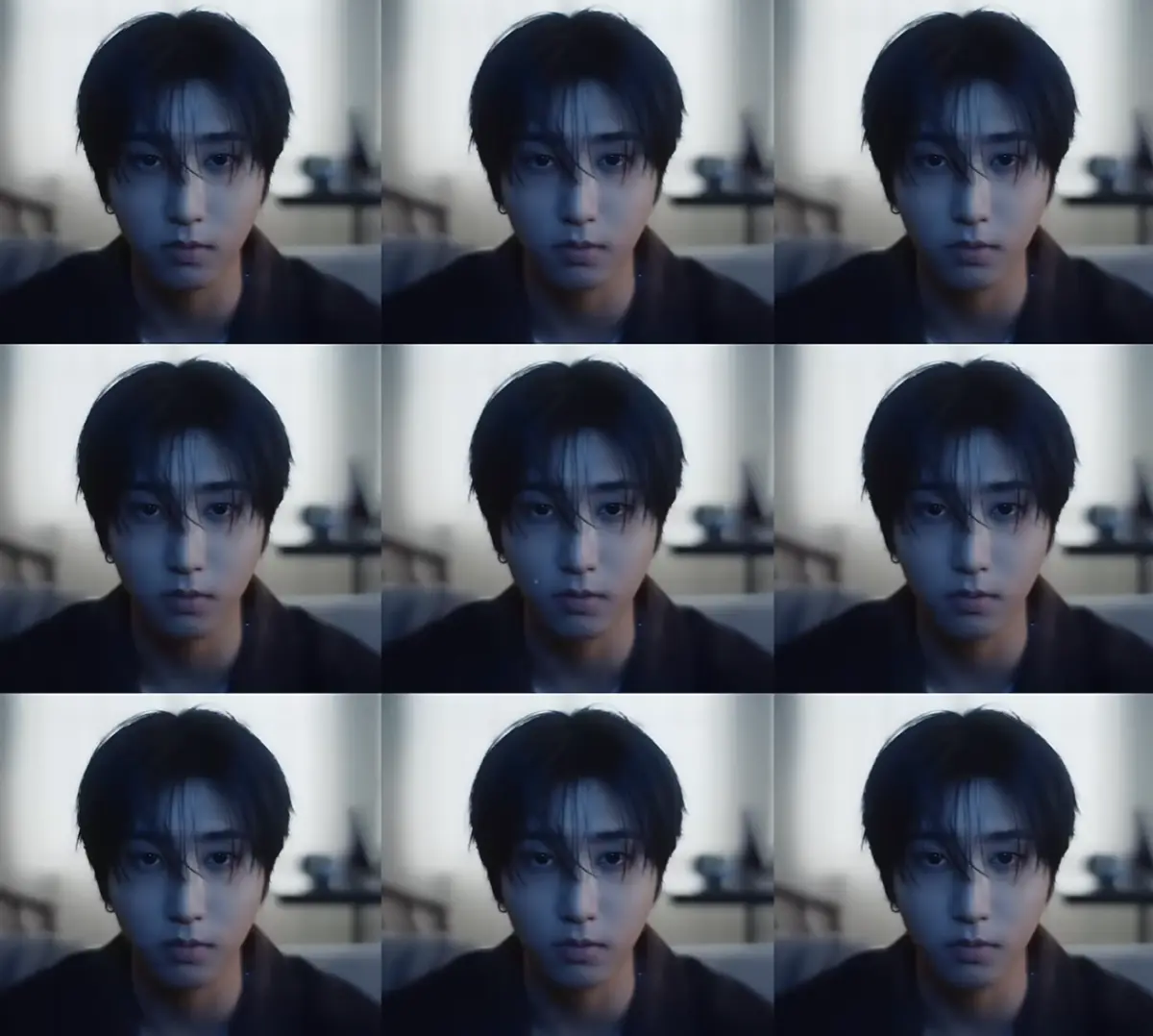
The controversy centers on "back to life," a solo track by Stray Kids member Han, which originally debuted on May 9 as a YouTube exclusive via the group’s popular SKZ-PLAYER series. In keeping with the promotional strategy of the series, the track was intentionally withheld from major streaming platforms at launch. However, within days, unauthorized bootleg versions began circulating across social media and pirate forums, culminating in a brazen stunt: the track was uploaded to official mainstream services—including Apple Music, YouTube, Instagram, and TikTok—under the guise of an entirely fabricated artist named "New Vibs," utilizing independent music distributor Symphonic Distribution.
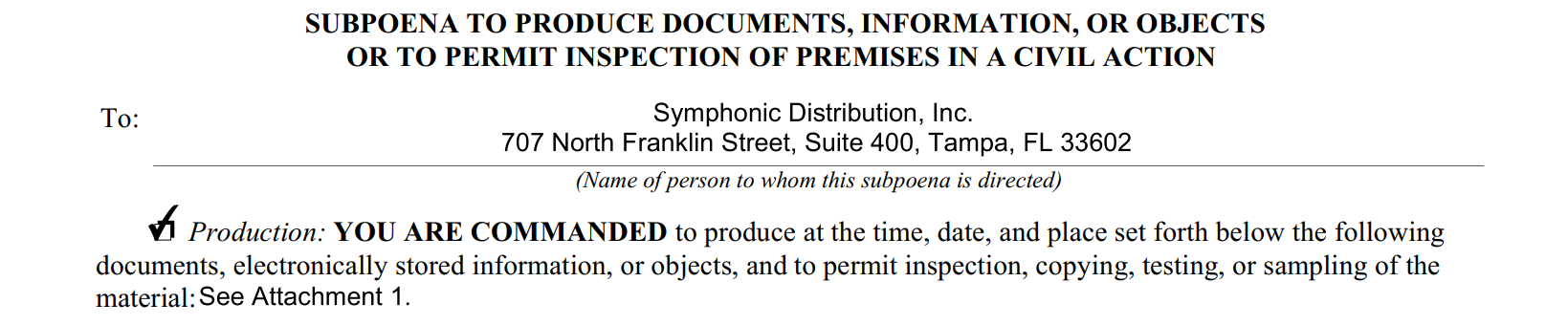
Rather than letting the incident fade after issuing standard takedown notices, JYP Entertainment has escalated the battle. Retaining the legal heavyweight firm Arnold & Porter, the South Korean label has filed a formal Digital Millennium Copyright Act (DMCA) subpoena application in a California federal court. Instead of targeting the consumer-facing platforms where the bootleg appeared, JYP is going straight to the source. The label is demanding that Symphonic surrender the comprehensive personal, digital, and financial records of the account holder operating under the pseudonym "New Vibs."
This unfolding legal confrontation signals a critical turning point in how major entertainment conglomerates plan to police independent music distributors, exposing systemic vulnerabilities in how digital storefronts vet uploads and vowing zero tolerance for monetization-driven music theft.
Detailed Chronology: From YouTube Exclusive to Federal Subpoena
To fully understand the gravity of JYP Entertainment’s legal pursuit, it is essential to trace the timeline of events that transformed a routine digital leak into a cross-border legal battle.
May 9, 2025: The Debut of "Back to Life"
JYP Entertainment releases "back to life," an emotionally charged solo track by Stray Kids member Han. Dropped specifically onto the official Stray Kids YouTube channel as part of the SKZ-PLAYER initiative, the song was presented purely as a visual and auditory treat for fans, deliberately excluded from commercial streaming platforms like Spotify and Apple Music during its initial window.
Mid-May 2025: The Rise of the Imposter
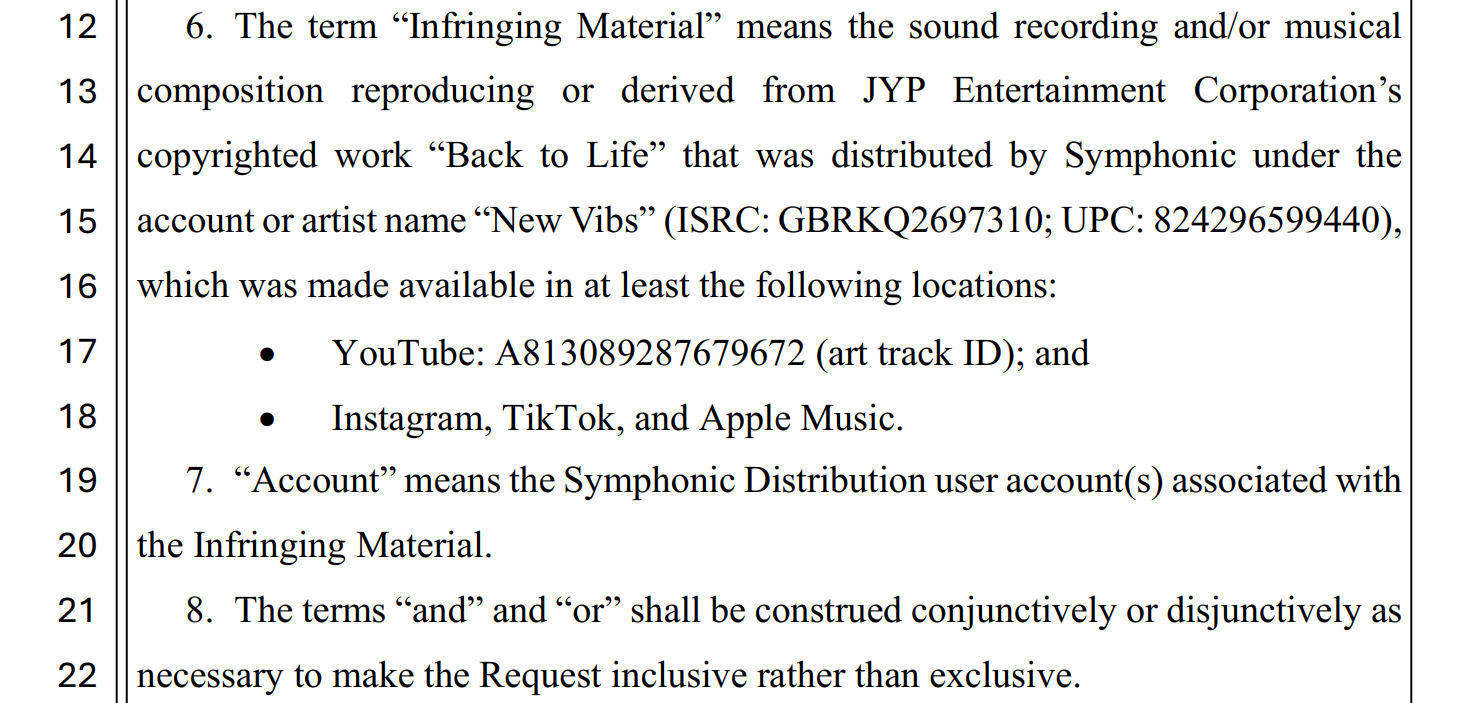
Given the astronomical demand for new Stray Kids material, the YouTube exclusive was instantly ripped by opportunistic actors. While unauthorized audio rips are common on underground file-sharing forums, the perpetrator behind the "New Vibs" persona took piracy to an industrial, commercial scale. Leveraging the streamlined upload portals of independent music distributor Symphonic, the bootlegger successfully assigned official International Standard Recording Codes (ISRCs) and Universal Product Codes (UPCs) to the track.
Within days, "back to life" appeared as a legitimate release across Apple Music, Instagram, TikTok, and auto-generated YouTube "art tracks," deliberately masquerading as authentic commercial output while siphoning streams—and potentially revenue—away from the rightful creators.
May 20, 2025: The DMCA Takedown Notice
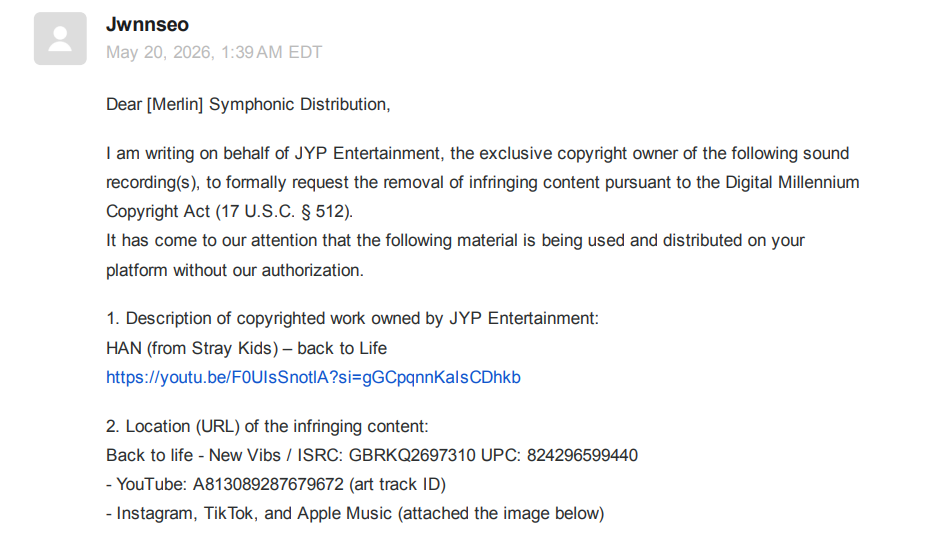
Alerted to the illicit uploads, legal representatives for JYP Entertainment acted swiftly. On May 20, the label dispatched a formal DMCA takedown notice to Tampa, Florida-based Symphonic Distribution. The document explicitly flagged the release titled "Back to life" by the phantom artist "New Vibs," detailing its unauthorized presence across multiple mainstream platforms.
The warning left no room for ambiguity:
"If the infringing content is not taken down promptly, we will have no choice but to pursue legal action to protect our copyrighted material."
Symphonic’s compliance and legal teams quickly acknowledged receipt of the notice, confirming that an internal investigation would be launched and initiating the removal of the infringing files. Meanwhile, responding to overwhelming fan demand, JYP Entertainment officially released "back to life" through its proper distribution channels weeks later, rendering the bootleg obsolete on consumer storefronts.
Late Summer 2025: Escalation to a Federal Subpoena
While the removal of the "New Vibs" tracks successfully halted the immediate public hemorrhage of streams, JYP Entertainment decided that a mere takedown was insufficient punishment for what they viewed as a calculated, bad-faith exploitation of industry infrastructure.
Instructed by the label, elite legal counsel from Arnold & Porter filed a formal DMCA Section 512(h) subpoena application in a United States federal court in California. By utilizing a DMCA subpoena—which requires only a clerk’s signature rather than a protracted civil lawsuit—JYP aims to legally compel Symphonic Distribution to pull back the curtain on the "New Vibs" operation and expose the flesh-and-blood human beings hiding behind the digital alias.
Supporting Context & Metrics: The Anatomy of Modern Music Distribution
The "New Vibs" incident is not an isolated anomaly; rather, it is a symptom of a much larger structural transformation in the global music economy. Understanding how this breach occurred requires a close examination of how independent music distribution works today.
The Democratization of Distribution and Its Discontents
Historically, getting a track onto Apple Music, Spotify, or Amazon Music required signing with a major record label or securing a distribution deal with an established corporate entity. These legacy gatekeepers enforced rigorous vetting procedures, verifying copyright ownership, artist identities, and mechanical licensing rights before a single audio file reached consumer servers.
In recent years, however, the industry has undergone a radical democratization. Independent aggregators and distributors—such as DistroKid, TuneCore, CD Baby, and Symphonic Distribution—have lowered the barrier to entry. For an annual subscription fee or a small per-release charge, anyone with an internet connection can upload audio files, assign metadata, and automatically syndicate their music to dozens of global digital service providers (DSPs).
This frictionless model has empowered millions of independent artists, enabling them to bypass traditional corporate gatekeepers entirely. Unfortunately, it has simultaneously created an open-door policy for fraudsters. Because these distribution platforms process millions of tracks monthly, automated ingestion pipelines often prioritize speed and volume over rigorous manual verification, leaving a wide margin for bad actors to impersonate famous artists, upload copyrighted material, and collect royalties before automated fingerprinting technologies catch up.
The Scale of Stray Kids and K-Pop’s Digital Vulnerability
To appreciate why JYP Entertainment is spending significant legal capital on a single bootlegger, one must look at the commercial dominance of Stray Kids.
- Chart Dominance: The group has achieved nine number-one albums on the prestigious Billboard 200 chart, placing them in an elite tier of global recording artists alongside historic acts.
- Global Footprint: Their stadium tours consistently sell out across North America, Europe, Asia, and Latin America, generating hundreds of millions of dollars in ticket sales and merchandise revenue.
- Fandom Engagement: The STAY fandom is one of the most organized and digitally active communities in modern entertainment. Millions of fans constantly track unreleased snippets, demo leaks, and exclusive content, making any new piece of media an immediate target for opportunistic monetization.
When an unauthorized upload like "New Vibs" hits streaming platforms, it does more than just siphon nominal streaming royalties. It fractures the official release strategy, confuses casual listeners regarding official discography, and compromises the meticulous promotional schedules designed by management agencies.
Official Statements & Legal Mechanisms: Inside the DMCA Subpoena
The legal strategy deployed by JYP Entertainment relies on a specific provision of United States copyright law designed to unmask anonymous online infringers without the immediate burden of filing a full-scale civil lawsuit.
Understanding DMCA Section 512(h)
Under Section 512(h) of the Digital Millennium Copyright Act, a copyright owner can file a subpoena request directly with a U.S. federal court clerk to compel an Internet Service Provider (ISP)—or in this context, a digital music distributor acting as an online intermediary—to identify an alleged copyright infringer.
Crucially, this legal tool does not require a judge’s presiding signature; once the application satisfies basic procedural requirements, the court clerk issues the subpoena. The targeted entity (in this case, Symphonic Distribution) is then legally obligated to turn over the requested documentation or risk contempt of court, though the account holder retains the legal right to file a motion to quash the subpoena if they believe their privacy or rights have been violated.
The Treasure Trove of Requested Data
JYP Entertainment’s legal filing leaves no stone unturned. The subpoena does not merely ask for a name; it demands a comprehensive dossier designed to unmask every facet of the perpetrator’s digital and financial footprint. Specifically, the label’s legal team is demanding:
- True Legal Identities: Full legal names and associated business entities linked to the "New Vibs" account.
- Contact Information: Physical mailing addresses, active telephone numbers, and email addresses provided during registration or account updates.
- Network Telemetry: IP addresses associated with the creation, access, and administration of the account, which can be cross-referenced with Internet Service Providers to pinpoint physical locations.
- Financial Records: Comprehensive payment information, including credit card details, PayPal accounts, banking information, routing numbers, and specific bank account numbers used to pay distribution fees or receive royalty payouts.
- Account Histories: Full logs of account modifications, upload timestamps, metadata alterations, and communication logs between the user and Symphonic’s support staff.
By demanding banking and payment details, JYP Entertainment is following the money trail. Because digital distributors must pay out royalties to users, every fraudulent account must ultimately connect to a real-world financial institution, providing a definitive paper trail that leads straight to the doorstep of the infringer.
Future Outlook: Industry Implications and the Road Ahead
As the legal proceedings in the California federal court progress, the outcome of JYP Entertainment’s pursuit against the "New Vibs" account holder will likely send shockwaves through the independent music distribution sector.
A Watershed Moment for Digital Accountability
For years, independent music distributors have operated under safe harbor provisions, swiftly complying with DMCA takedown notices to shield themselves from direct liability for copyright infringement committed by their users. However, aggressive legal actions like the one mounted by JYP Entertainment signal that copyright holders are no longer satisfied with passive remediation.
Major record labels are increasingly viewing distributors as gatekeepers who must bear greater responsibility for vetting uploads before they hit consumer-facing digital service providers. If JYP successfully unmasks the "New Vibs" operator and pursues damages, it will establish a potent deterrent, signaling that uploading ripped K-pop tracks under fake monikers is no longer a risk-free digital prank, but a federal offense with severe legal and financial repercussions.
What Lies Ahead for Symphonic and the Anonymous Bootlegger
At the time of reporting, court clerks are reviewing the final paperwork for issuance, and it remains to be seen whether Symphonic Distribution will quietly comply with the subpoena or if the individual operating behind "New Vibs" will surface through legal counsel to mount a defense or motion to quash.
Regardless of whether the culprit is an overseas scammer or an overzealous local fan, the walls are closing in. For Stray Kids, JYP Entertainment, and the broader music industry, this high-profile legal battle marks a decisive line in the sand—proving that while technology may make it effortless to duplicate art, the long arm of the law is fully equipped to trace every digital footprint back to its source.