





Executive Overview
As the global economy advances deeper into 2026, data center construction remains the undisputed titan of the infrastructure sector. While traditional commercial and residential construction markets display distinct signs of softness and macroeconomic cooling, digital infrastructure continues to surge forward on an aggressive, capital-intensive trajectory. Powered by the relentless global appetite for artificial intelligence (AI) training and inference, cloud computing, and advanced digital services, the pipeline for new data facilities is expanding at a historic pace.
According to data from the Dodge Momentum Index cited by Construction Dive, planning momentum for data center construction accelerated further in July, reinforcing its status as the single brightest sector in the global building landscape. This unprecedented demand has sent shockwaves of activity through associated industries, particularly the insurance, risk management, and engineering sectors. Zurich’s global construction insurance business recorded an impressive 18 percent growth rate in the first half of 2026 alone. Simultaneously, the launch of specialized risk-mitigation initiatives—such as Zurich’s dedicated Data Center Project Guard in January—has drawn more than three dozen major broker submissions, collectively representing an estimated $140 billion in active project value.
Yet, this staggering surge in demand underscores a fundamental tension in modern infrastructure development: market demand does not automatically translate into seamless delivery. The industry is rapidly encountering systemic friction points. Power grid constraints, severe labor shortages, tightening insurance capacities, and a sharp escalation in local community pushback are challenging the status quo.
Rather than serving as roadblocks, these friction points are functioning as a critical catalyst for industry-wide transformation. Stakeholders across the technology, construction, and risk-management sectors are being forced to rethink how data centers are planned, financed, engineered, and integrated into local communities. Success in the second half of 2026 and beyond will depend entirely on a new paradigm of proactive collaboration, absolute transparency, and sustainable lifecycle engineering.
Detailed Chronology: How the 2026 Hyperscale Expansion Unfolded
The current state of data center construction is the culmination of years of exponential digital acceleration, punctuated by regulatory actions and market corrections during the first half of 2026.
Early 2026: The Surge Begins and Specialized Insurance Steps Up
At the start of the year, major hyperscalers and co-location providers rushed to lock down real estate and secure massive capital allocations to support surging generative AI workloads. Recognizing the unique financial and operational risks associated with multi-billion-dollar, highly technical builds, insurance providers began rolling out tailored products. Zurich’s introduction of its Data Center Project Guard in January set a new benchmark, immediately capturing immense market interest with over $140 billion in project submissions within months. This early influx highlighted both the staggering scale of capital deployment and the acute need for specialized risk engineering designed to handle unprecedented power densities and complex supply chains.
Mid-2026: The Regulatory Brake and State-Level Interventions
As summer approached, the blistering pace of announcements collided with physical and political realities. Local communities, burdened by surging utility bills and anxious about environmental and infrastructural strains, began pushing back vigorously.
In July 2026, New York made national headlines by becoming the first U.S. state to implement a formal, one-year moratorium on new hyperscale data center projects exceeding 50 megawatts. The pause was designed to give state regulators, environmental agencies, and lawmakers time to establish comprehensive standards aimed at protecting local energy ratepayers, stabilizing the regional power grid, and mitigating environmental degradation.
Simultaneously, the regulatory spotlight shifted to Texas. Governor Greg Abbott ordered official state audits of all incoming data center projects seeking connection to the state’s electrical grid (ERCOT). The audits were prompted by mounting concerns over skyrocketing electricity demand, heavy industrial water consumption, local land-use impacts, and a perceived lack of project transparency from developers rushing to claim grid capacity.
Late Summer 2026: Industry Reckoning and Strategic Realignment
By late summer, industry leaders acknowledged that business-as-usual expansion was no longer viable. Trade events, construction summits, and insurance forums were dominated by discussions surrounding grid stability, community relations, and early-stage risk engineering. Rather than dismissing regulatory speedbumps, major developers and tech giants began shifting their strategies. Companies like Compass Datacenters and OpenAI began moving energy planning directly into their core organizational structures, recognizing that future viability relies as much on community trust and energy innovation as it does on server architecture and GPU density.
Supporting Context & Metrics: The Scale of the Buildout
To understand the macro-environmental pressures facing the data center sector, one must examine the raw data driving the current market dynamics.

- Dodge Momentum Index Performance: Throughout mid-2026, the Dodge Momentum Index—a monthly measure of the initial report for nonresidential building projects in planning—has been consistently buoyed by digital infrastructure. While manufacturing and office construction have plateaued, data center planning continues to break historical records.
- Capital Exposure: Zurich’s reporting of over three dozen broker submissions representing approximately $140 billion in project value via its specialized Data Center Project Guard underscores the colossal scale of individual campuses. Modern AI-focused data center campuses frequently exceed gigawatt-scale power requirements, with individual builds routinely surpassing the billion-dollar threshold.
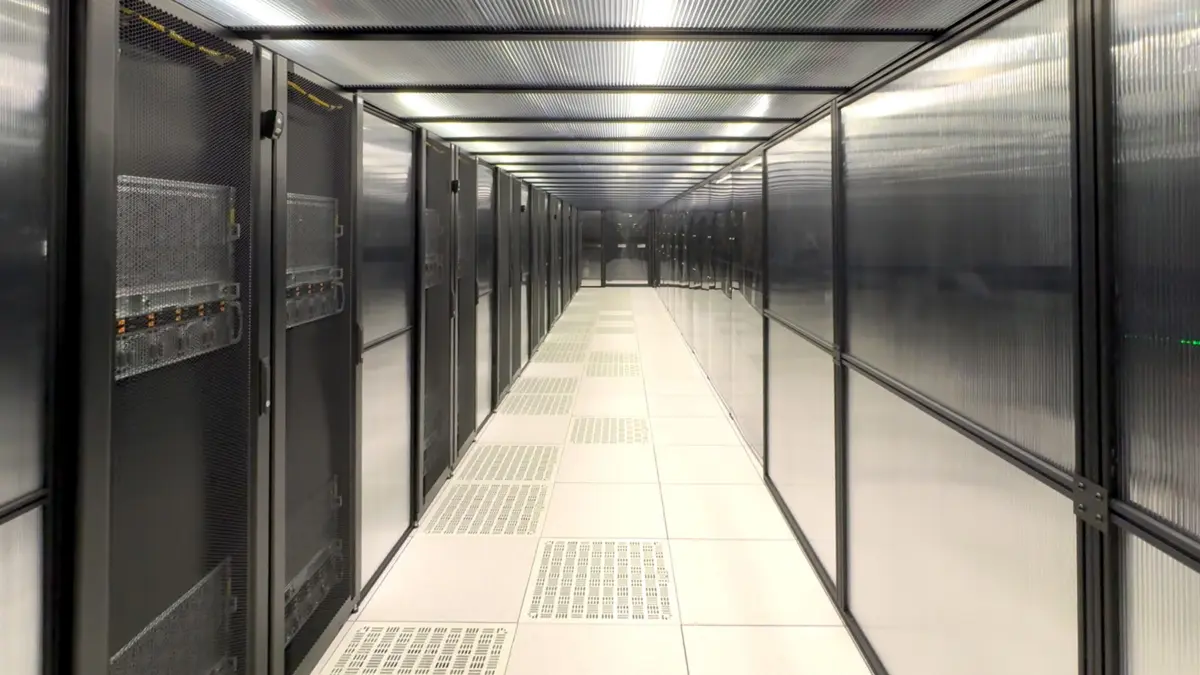
- Power Density Shifts: Traditional data centers historically operated at power densities of 5 to 10 kilowatts per rack. Modern AI training clusters, driven by advanced high-performance GPUs, routinely demand 40 to 100+ kilowatts per rack. This exponential leap in power density is the primary driver behind the current strain on municipal power grids and the necessity for innovative energy sourcing.
Official Statements and Industry Perspectives
The friction defining the 2026 data center landscape has prompted candid commentary from corporate leaders, risk experts, and policymakers.
The Community Partnership Imperative
Addressing the wave of local pushback, Compass Datacenters CEO Chris Crosby emphasized in a recent commentary that community opposition should not be met with corporate defensiveness, but rather with radical transparency. Crosby argued that communities require legitimate, long-term partners rather than facing blanket state bans, and that public trust must be earned through consistent communication and enforceable commitments. He outlined five fundamental questions that every data center developer should proactively answer for host communities:
- What will the actual, unmasked impact be on local electricity and water rates?
- How will the facility impact local carbon emissions and environmental health?
- What tangible economic benefits (beyond short-term construction jobs) will local residents see?
- How transparent will the developer be regarding future expansions and resource usage?
- What guarantees exist for the long-term stewardship of the site?
The Insurance and Risk Engineering Perspective
From the perspective of risk management, industry leaders emphasize that early collaboration is the key to overcoming delivery bottlenecks. Kelly Kinzer, Global Head of Construction and Surety at Zurich North America, noted that a major positive shift is occurring as data center owners increasingly bring insurers into projects long before final site selection or design phases are finalized.
"When engaged early, insurance underwriting and risk engineering teams can help surface issues before they become costly problems," Kinzer noted. "Early plan review can help owners address protection systems and engineering requirements up front to support longer-term insurability. Resolving these matters earlier can be pivotal to securing ongoing property insurance on terms and at pricing the owner would prefer."
Energy Strategy Evolution
Power specialists within major risk engineering groups point out that the energy conversation has matured significantly. It is no longer simply about whether an electric utility can supply enough megawatt-hours to a substation. The pressing question is whether high-quality, continuous, and reliable power can be delivered without destabilizing the broader grid for everyday residential and commercial consumers.
Future Outlook: Navigating the Path Forward
As the data center industry pushes through the second half of 2026 and looks toward the remainder of the decade, the path forward requires a fundamental evolution in strategy. The era of frictionless, rapid-fire land grabs is officially over, replaced by a more disciplined, highly regulated, and collaborative operational environment.
Diversifying Energy Pathways
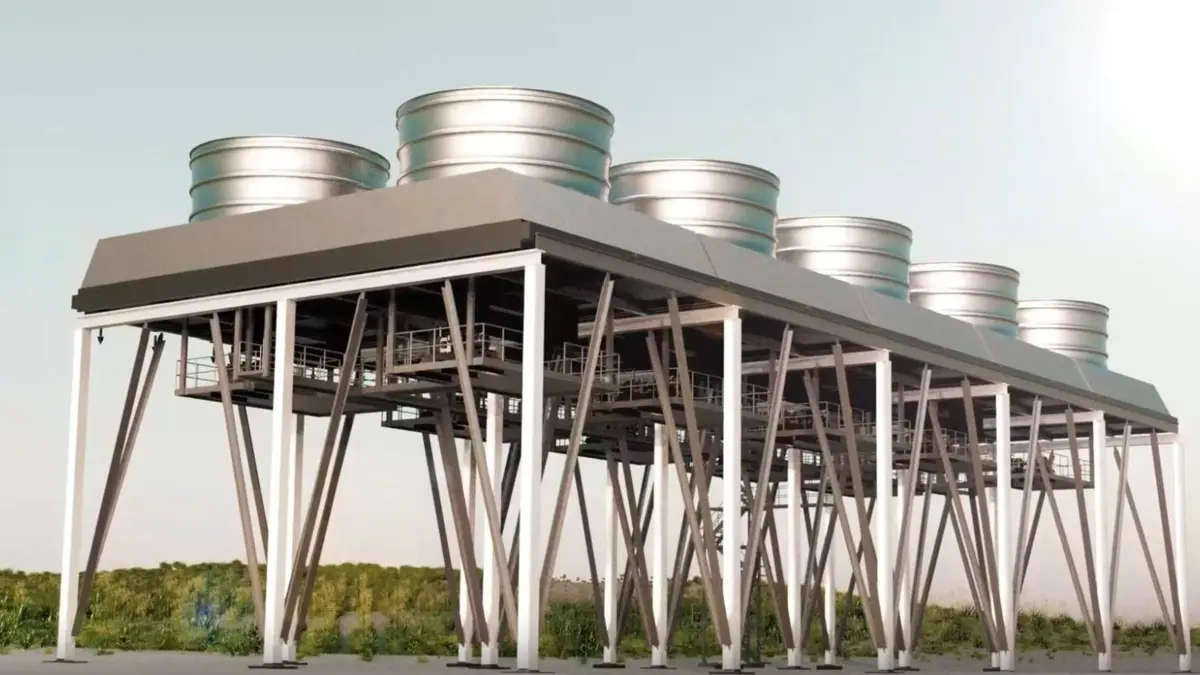
To bypass grid bottlenecks and alleviate community anxiety over utility rate hikes, data center developers are aggressively pursuing decentralized power solutions. The exploration and deployment of natural gas microgrids, high-efficiency fuel cells, advanced battery energy storage systems (BESS), and localized geothermal energy are moving from experimental concepts to standard operational requirements. Furthermore, major technology companies are actively investigating long-term nuclear power agreements—ranging from small modular reactors (SMRs) to direct power purchase agreements with existing nuclear plants—to secure carbon-free, baseload energy independent of public utility strains.
Holistic Lifecycle Engineering
The sheer physical size and technological complexity of next-generation AI campuses mean that construction risk management can no longer be treated as an administrative afterthought. Insurers, engineers, contractors, and owners are establishing integrated workflows that evaluate a facility’s resilience across a multi-decade operational lifecycle. By addressing fire suppression systems, cooling redundancy, structural integrity, and supply chain vulnerabilities during the initial blueprint phase, stakeholders can mitigate long-term catastrophic risks.
Earning Social License to Operate
Ultimately, the future of the 2026 data center boom rests on social acceptance. Hyperscalers and co-location providers that invest in community outreach, honor environmental commitments, and transparently address local infrastructure concerns will find smoother regulatory pathways. Those that ignore local friction will likely face a proliferating web of state-level moratoriums, rigorous audits, and protracted legal challenges.
The foundations being laid today are shaping the digital architecture of the next fifty years. While the journey is fraught with unprecedented challenges, the collective willingness of developers, insurers, and communities to confront these friction points head-on signals that the digital infrastructure revolution will mature into a disciplined, sustainable, and resilient pillar of the modern global economy.