







Executive Overview
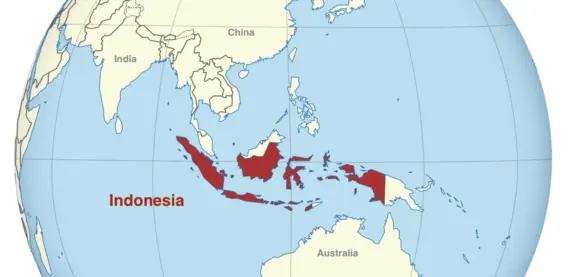
As global retail titans continuously battle for dominance in saturated Western markets, the next true frontier of e-commerce expansion lies quietly in Southeast Asia. Indonesia, an archipelago nation boasting a population of 288 million residents in 2026, has firmly secured its position as the fourth most populous country in the world, trailing only India (1.46 billion), China (1.41 billion), and the United States (345 million).
Yet, beneath this massive demographic footprint lies a fascinating paradox: while Indonesia boasts high digital engagement and widespread internet adoption, its overall retail sales and consumer expenditures remain disproportionately low compared to its global superpower peers. This stark divergence creates a compelling narrative for international brands, cross-border merchants, and strategic investors. Indonesia is not merely an emerging market; it is a high-potential digital economy poised for explosive, multi-year e-commerce growth.
However, capitalizing on Indonesia’s digital gold rush is far from straightforward. Foreign businesses seeking to enter the market must contend with intricate logistical challenges across thousands of islands, strict local regulatory frameworks, mandatory language laws, and complex distribution hurdles. To succeed, global brands must master a sophisticated mix of local digital marketplaces, dynamic social commerce channels, and robust omnichannel entry strategies. This comprehensive report explores the economic metrics, market dynamics, regulatory requirements, and strategic roadmaps essential for conquering the Indonesian e-commerce landscape.
Detailed Chronology & Market Evolution
To understand how Indonesia arrived at its current economic standing, it is helpful to examine the historical trajectory of its digital transformation over the past decade.
- The Early Mobile-First Wave (Mid-2010s): Indonesia largely skipped the desktop computing era that defined early Western and East Asian e-commerce. As affordable smartphones flooded the market, millions of Indonesians accessed the internet for the first time via mobile devices. This leapfrogging behavior laid the foundation for a mobile-first digital ecosystem.
- The Rise of Homegrown Marketplaces (2016–2019): Local technology startups capitalized on the mobile boom. Platforms like Tokopedia, Bukalapak, and regional players like Shopee captured the imagination of urban consumers. During this period, e-commerce transitioned from an alternative retail method into a mainstream shopping habit.
- The Pandemic Acceleration and Social Commerce Explosion (2020–2023): Global health restrictions catalyzed a massive shift toward online shopping. Concurrently, social commerce platforms—led by WhatsApp, Instagram, Facebook, and later TikTok Shop—transformed how Indonesians discovered and purchased goods. Live-stream shopping became a dominant cultural and economic phenomenon.
- Regulatory Tightening and Structural Maturation (2024–2026): As the digital economy matured, the Indonesian government implemented stricter compliance frameworks to protect domestic micro, small, and medium enterprises (MSMEs). Regulations governing cross-border trade, data localization, mandatory local language use, and corporate structures (such as the PT PMA framework) became formalized, forcing international brands to adopt sophisticated, long-term operational strategies rather than relying on casual, low-cost cross-border shipping.
Supporting Context & Metrics: The Numbers Behind the Opportunity
Evaluating retail and e-commerce potential across different nations often involves navigating conflicting data sources and varying economic definitions. To establish a reliable baseline, analysts frequently rely on the World Bank’s annual Household Final Consumption Expenditure metric. This indicator measures the market value of all goods and services purchased by households, offering a standardized lens for cross-country comparisons.
Recent multi-lateral economic data illustrates the vast disparity between mature consumer markets and emerging giants:
- United States: $19.8 trillion
- China: $7.48 trillion
- India: $2.4 trillion
- Indonesia: $773.6 billion
While Indonesia’s household consumption expenditure of $773.6 billion is dwarfed by the United States, its digital engagement paints a remarkably different picture. According to global digital overview reports compiled by DataReportal, internet user penetration and absolute user counts across these core markets reflect tremendous connectivity:
- China: 1.3 billion internet users (92% penetration)
- India: 1.0 billion internet users (68% penetration)
- United States: 323.9 million internet users (94% penetration)
- Indonesia: 230.4 million internet users (80% penetration)
The Penetration-Consumption Gap
The core investment thesis for Indonesia rests on a simple economic reality: high internet penetration paired with comparatively low current retail sales equals massive untapped growth potential. With over 230 million people online—and a massive portion of that population concentrated in hyper-urbanized hubs such as Greater Jakarta, home to 32 million residents—Indonesian consumers are digitally native, highly connected, and eager for global goods.
When digital connectivity outpaces mature retail infrastructure, e-commerce naturally becomes the primary vehicle for consumption leap. International brands that establish a presence today are positioning themselves at the ground floor of a consumer revolution.
Marketplaces and Social Commerce: Where Indonesia Shops
Navigating Indonesia’s digital retail terrain requires understanding precisely where consumers spend their time and money. Foreign brands typically embark on their market entry journey by launching storefronts on established e-commerce marketplaces, later diversifying into local distributors and proprietary branded web stores.
Dominant E-Commerce Marketplaces
According to data from Australia-based consultancy Asialink, online consumers in Indonesia heavily concentrate their purchasing activity on a select few local marketplaces. Shopee Indonesia, Tokopedia, and Lazada command an overwhelming 76% of all online sales in the country.

- Shopee & Lazada: These platforms operate hybrid models, combining third-party merchant marketplaces with first-party retail sales. They offer robust logistics networks, promotional campaigns, and deep consumer trust.
- Tokopedia: As a homegrown powerhouse, Tokopedia deeply integrates into the daily lives of Indonesian shoppers, offering everything from FMCG goods to financial services.
A testament to this market’s appeal, numerous international powerhouses already maintain a formidable presence across these platforms. Giants such as L’Oréal Paris, Nivea, Garnier, La Roche-Posay, Maybelline, Adidas, Puma, Samsung, Xiaomi, Philips, Tefal, Nestlé, and Kellogg’s utilize Indonesian marketplaces to reach millions of consumers daily.
The Social Commerce Phenomenon
Beyond traditional marketplaces, Indonesia is one of the world’s most vibrant ecosystems for social commerce. Platforms such as WhatsApp, Instagram, Facebook, and TikTok Shop play an integral role in the customer journey. Social commerce bridges the gap between entertainment and retail, allowing micro-influencers and direct-to-consumer brands to build hyper-engaged communities and drive immediate sales through live-streaming and social messaging.
Official Statements & Regulatory Compliance
Entering the Indonesian market demands rigorous adherence to legal and regulatory frameworks. Government bodies and trade authorities emphasize that while the market is open, compliance is non-negotiable.
The PT PMA Business Structure
For foreign brands seeking direct, independent control over their operations, establishing a PT PMA (Penanaman Modal Asing)—a foreign-owned limited liability company—is often the definitive structural choice. Trade and investment experts outline the primary requirements for a PT PMA as follows:
- A minimum of two shareholders, at least one of whom must be a foreign entity or individual.
- A substantial minimum capital requirement, traditionally set at $150,000, alongside specific sector-compliant capitalization rules.
Securing a PT PMA grants the business an NIB (Nomor Induk Berusaha), or Business Identification Number, which serves as the foundational legal prerequisite for operating any commercial or e-commerce enterprise in the country.
Operational Compliance and Localization Mandates
Regulatory oversight extends far beyond corporate registration. Foreign brands must navigate strict operational mandates:
- Language Compliance: Under Indonesian law, Bahasa Indonesia is mandatory for all e-commerce product descriptions, packaging labels, and customer-facing communications. Non-compliance can result in severe penalties or delisting.
- Cross-Border Restrictions: A critical hurdle for international e-commerce sellers is the regulatory requirement regarding wholesale import values. Indonesia enforces a minimum wholesale value of $100 per unit on goods entering the country via cross-border channels. Consequently, low-cost, direct-to-consumer cross-border shipping models (frequently utilized in other emerging markets) are highly impractical and economically unviable for low-priced items.
Future Outlook: Strategic Roadmaps for Global Brands
As Indonesia moves further into the latter half of the decade, foreign brands must adopt sophisticated, hybrid entry strategies to mitigate risk and maximize market penetration.
The Omnichannel Playbook
Successful international brands in Indonesia rarely rely on a single channel. Instead, they embrace an integrated omnichannel approach:
- Local Distributors: To secure broad market access and handle complex customs compliance, partnering with established wholesale importers—such as DKSH Indonesia or Enseval—ensures steady inventory flow and regional distribution.
- E-Commerce Enablers: Distinct from traditional distributors, specialized "e-commerce enablers" like Jet Commerce and SCI Group manage official brand stores, digital marketing campaigns, customer service, and marketplace fulfillment.
- Direct-To-Consumer & Physical Retail: Investing in branded e-commerce websites and physical retail footprints helps build long-term brand equity and captures valuable first-party customer data, balancing out the higher compliance and setup costs.
Summary Strategy for Success
The Indonesian e-commerce market rewards patience, localization, and structural commitment. Brands that view Indonesia merely as an export destination will likely stumble over regulatory roadblocks and minimum-value unit restrictions. Conversely, companies willing to establish local entities, embrace Bahasa Indonesia, partner with proven enablers, and meet consumers where they spend their digital lives—across Shopee, Tokopedia, and TikTok Shop—will unlock unprecedented growth.
Indonesia is no longer an overlooked market; it is the beating heart of Southeast Asia’s digital future.