







Executive Overview
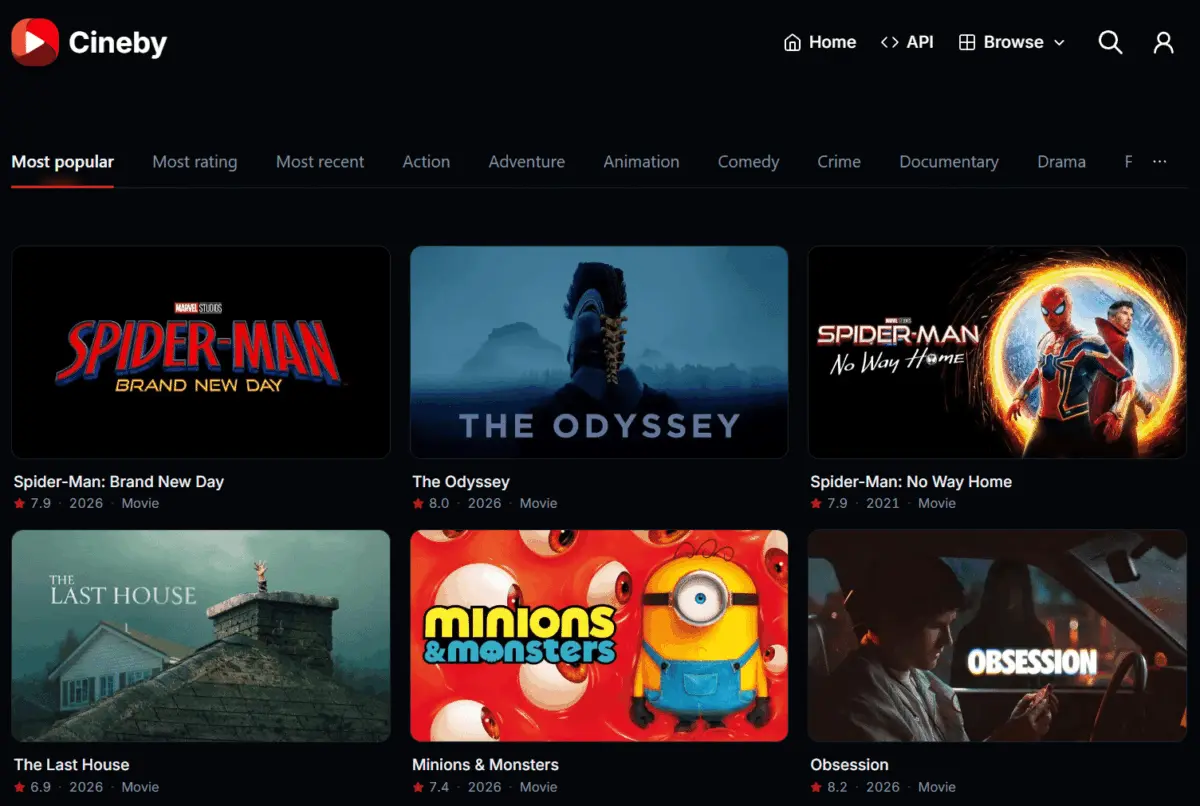
In the sprawling, high-stakes battleground of digital intellectual property enforcement, the copyright holders of Hollywood and global entertainment have notched a major—albeit complex—victory. Cineby, one of the most prolific and heavily trafficked pirate streaming portals on the modern internet, has announced it will permanently shutter its operations.
According to an official notice plastered across its domain, the platform and all related infrastructure will go dark, and user databases will be wiped entirely. For a website that pulled in an astronomical 160 million visits in a single month, this sudden capitulation marks a seismic shift in the underground streaming ecosystem.
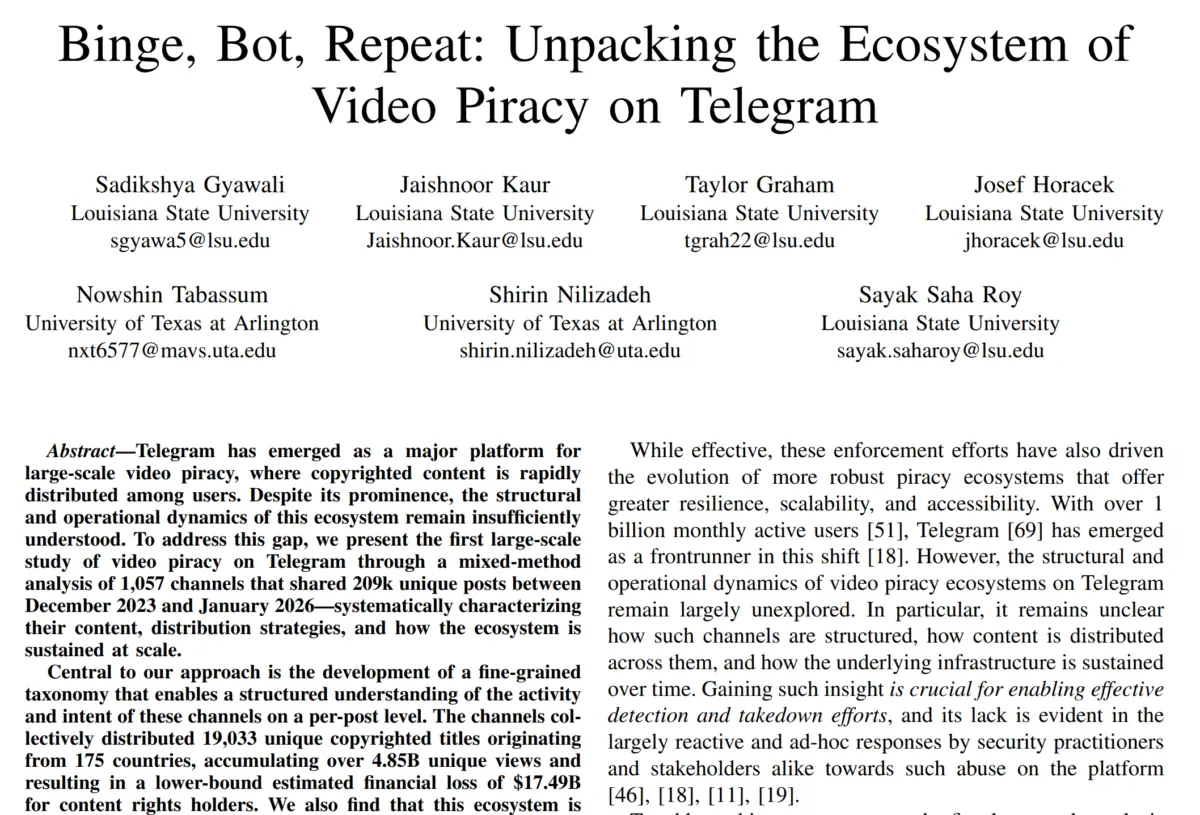
However, experienced digital forensic analysts and anti-piracy investigators know better than to celebrate a permanent victory too soon. Cineby’s planned demise comes on the heels of an unprecedented global legal offensive. Hollywood studios, spearheaded by the Motion Picture Association (MPA) and international heavyweights like HBO, have spent the past year tightening a multinational web of court-ordered injunctions, domain seizures, and diplomatic pressure.
Classified by the MPA as a dangerous "hydra site"—a rapidly expanding species of one-stop-shop piracy hubs that mimic the convenience of legal subscription services without the associated costs—Cineby had become a primary target for international law enforcement and civil litigation.
Yet, as the digital dust settles, the fundamental mechanics of internet piracy remain intact. Sites like Cineby rarely die; they mutate, rebrand, or splinter into dozens of decentralized successors. As the August 26 shutdown date approaches, the entertainment industry faces a familiar paradox: while killing a billion-visit giant is a monumental achievement, the structural foundations of modern streaming piracy ensure that new heads will quickly grow back to replace the fallen beast.
Detailed Chronology: The Rise, Pressure, and Capitulation of Cineby
To understand the magnitude of Cineby’s sudden exit, one must trace the arc of its meteoric rise and the compounding legal pressures that ultimately forced its operators to wave the white flag.
The Birth of a Streaming Juggernaut
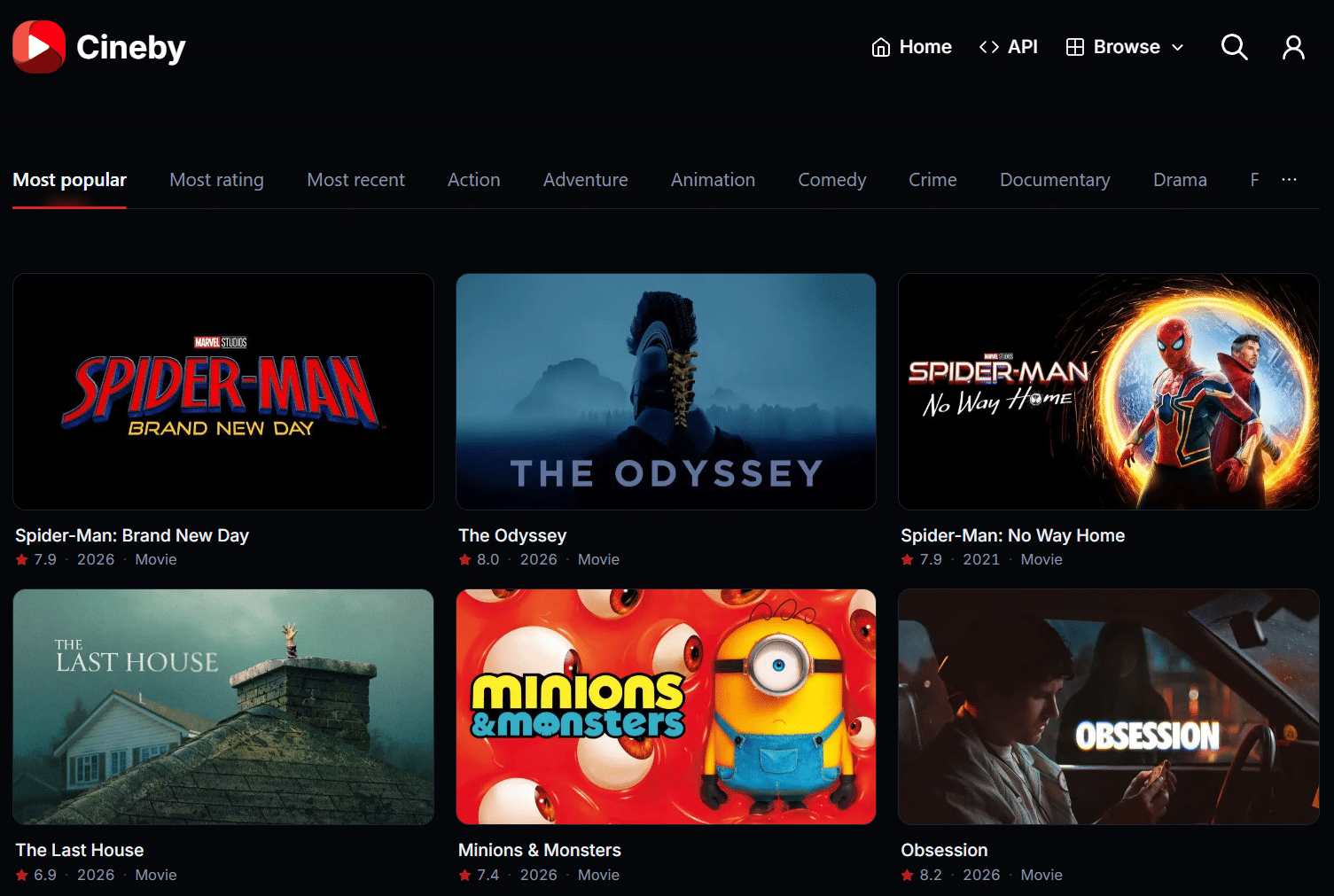
Operating in the shadows with an infrastructure allegedly linked to Russia, Cineby bypassed the traditional peer-to-peer sharing methods of old-school torrenting. Instead, it weaponized "Piracy-as-a-Service" (PaaS) frameworks. By seamlessly embedding vast libraries of copyrighted motion pictures and television series sourced from third-party hosting providers, Cineby offered users a polished, commercial-grade user interface. There were no clunky downloads, no malicious software traps—just high-definition streaming on demand, completely free of charge.
This frictionless user experience propelled the platform into the upper echelons of global web traffic. By late 2023, the site had grown so large that it could no longer fly under the radar of major entertainment conglomerates.

The MPA and the USTR Spotlight
The first major public warning shot came in the fall of last year. In its formal submission to the Office of the United States Trade Representative (USTR), the Motion Picture Association explicitly singled out Cineby. The MPA categorized the platform as a rapidly expanding "hydra site," drawing direct parallels to commercial IPTV services due to its multi-device accessibility and expansive library.
This diplomatic and trade-level scrutiny served as a clarion call for international rights holders, transforming Cineby from a localized nuisance into a top-priority target for global copyright enforcement.
The Global Legal Noose Tightens (2024)
As 2024 progressed, the legal landscape surrounding Cineby transformed into a gauntlet of cross-border injunctions.
- May 2024 (The United Kingdom): The site was formally integrated into the UK’s aggressive new "omnibus" site-blocking order. Orchestrated by major Hollywood studios, this sweeping legal mechanism targeted current domains and preemptively cast a net over any future successors or structural clones.
- June 2024 (Canada): Canada’s Federal Court issued an expanded-scope blocking order. Mirroring the UK’s proactive approach, Canadian ISPs were mandated to block Cineby and its associated network footprints, locking the platform out of North American markets.
- July 2024 (India): A massive escalation unfolded in the Delhi High Court. Initiated by Warner Bros. Discovery’s HBO and a coalition of other major international studios, the court issued a sweeping injunction. This order explicitly targeted four distinct Cineby domains, commanding Indian Internet Service Providers (ISPs) to implement aggressive network-level blocks while ordering domain name registrars to suspend the associated infrastructure.
Despite these rulings, Cineby proved remarkably resilient. Its primary .at domain remained active, and registrar Registrar.eu appeared to drag its feet on executing the Indian court’s suspension orders. To the casual observer, Cineby was weathering the storm. Behind the scenes, however, the cumulative weight of mounting legal exposure, banking restrictions, and infrastructure threats appears to have broken the operators’ resolve.
The Surprising Voluntary Shutdown
Without warning, visitors attempting to access the platform were greeted by a terse, final message:
"Cineby and all related services will cease operations on August 26th. It’s been a good run, but the time has come to stop. All servers will be shut down, and every user account will be deleted."
Shortly after the announcement went live, digital researchers confirmed that the shutdown message was not isolated to Cineby alone. Sister sites within the same network ecosystem—including Cineplay and Fmovies+—began displaying identical cessation notices, indicating a coordinated, network-wide retreat.
Supporting Context & Metrics: The Anatomy of a Digital Giant
The numbers behind Cineby illustrate the staggering scale of modern commercial piracy and why legacy entertainment companies treat these platforms as an existential financial threat.

| Metric / Indicator | Data Point |
|---|---|
| Monthly Unique Visits | ~160 Million (Peak traffic recorded prior to shutdown) |
| Primary Domain TLD | .at (Austria), alongside multiple proxy and mirror domains |
| Primary Infrastructure Model | Piracy-as-a-Service (PaaS), embedded third-party video sourcing |
| Key Geographic Restrictions | UK (Omnibus Block), Canada (Expanded Scope Order), India (Delhi High Court Injunction) |
| Primary Complainants | Motion Picture Association (MPA), HBO, Major Hollywood Studios |
| Associated Sister Sites | Cineplay, Fmovies+ |
The "Hydra" Problem and Piracy-as-a-Service
The term "hydra site," frequently utilized by the MPA to describe operations like Cineby, is deeply apt. In Greek mythology, cutting off one head of the Hydra results in two more growing in its place. In the digital realm, this translates to the rapid reincarnation of banned streaming portals.
Cineby’s operational model relied heavily on decoupling the user-facing portal from the actual video storage servers. By utilizing PaaS architecture, Cineby did not need to host massive terabytes of copyrighted video files on its own physical hardware. Instead, it acted as an agile indexing and aggregation layer. Even if a domain is seized or an ISP blocks a specific URL, the underlying video assets often remain untouched across distributed, anonymous hosting networks.
This structural separation explains why clamping down on individual domains feels like playing an endless game of digital Whac-A-Mole.
Official Statements & Industry Reactions
While the operators of Cineby chose anonymity, releasing no formal press statements beyond their stark on-site banner, industry stakeholders and anti-piracy watchdogs have been vocal about the implications of the shutdown.
The Motion Picture Association’s previous submissions frame the operational philosophy driving these enforcement campaigns:
"These are a rapidly expanding category of one-stop piracy sites offering content somewhat comparable to IPTV services, but without the need for subscriptions or dedicated devices."
Copyright protection agencies emphasize that platforms like Cineby siphon billions of dollars in potential revenue from creators, distributors, and theater owners. The democratization of high-quality, zero-cost streaming has fundamentally disrupted the traditional windowing model of film distribution, forcing studios to lobby governments worldwide for broader, more aggressive site-blocking legislation.
Legal experts tracking the litigation note that the inclusion of preemptive successor clauses in the UK and Canadian orders represents a new frontier in anti-piracy law. Rather than forcing studios to return to court every time a pirate site simply changes its domain name or rebrands under a new moniker, these modern injunctions give rights holders the legal velocity to neutralize copycats in real-time.
Future Outlook: What Happens Next?
As the clock ticks down to August 26, several critical questions remain regarding the vacuum Cineby will leave behind.
1. The Scramble for 160 Million Viewers
With 160 million monthly visits abruptly cut off from their primary entertainment hub, a massive audience of consumers is currently searching for alternatives. Historically, when a titan like Cineby, Zoro, or Aniwatch falls, the user base disperses across a myriad of smaller competitors, or drives traffic directly to the waiting arms of established copycats.
2. The Rebranding Phenomenon
Will the core operators behind Cineby truly exit the market, or will they execute a classic underground maneuver? Precedent suggests caution. For instance, the immensely popular anime streaming platform HiAnime previously operated under the guises of Zoro and the Aniwatch brand before being squeezed by international authorities (notably catching the attention of Vietnamese authorities seeking to defend against U.S. trade sanctions). Rebranding allows operators to shed a toxic domain reputation while retaining their backend infrastructure and accumulated revenue.
3. Testing the Limits of Proactive Injunctions
The true test of modern anti-piracy law will begin after August 26. As new successor domains pop up to capture Cineby’s displaced traffic, legal teams in the UK and Canada will attempt to utilize their newly expanded, scope-flexible blocking orders. If these proactive injunctions successfully neutralize copycats before they can scale to millions of users, it could signal a turning point in the friction-heavy war against digital piracy.
For now, however, cineby.at remains stubbornly online, streaming movies and television shows to millions of global viewers as the final hours of its operational life slip away. Whether this marks the permanent death of a piracy empire or merely the shedding of its skin remains to be seen.