










Executive Overview
In an era dominated by algorithmic risk aversion, intellectual property hoarding, and corporate tax write-downs, the resurrection and theatrical release of Coyote vs. Acme stands as a monumental victory for cinematic preservation and creative resilience. Distributed by Ketchup Entertainment, the hybrid live-action/animation feature has officially shattered expectations, raking in a formidable $16 million during its opening weekend. This triumph is all the more remarkable given that it shared multiplex space with heavyweight titans like Spider-Man: No Way Home and The Odyssey.
For a studio of Ketchup Entertainment’s footprint, these figures do not merely represent a solid financial debut; they constitute the largest opening weekend in the company’s operational history. Yet, the true narrative of Coyote vs. Acme extends far beyond its initial box office ledger. It is a tale of narrow escapes from the corporate vault, meticulous craftsmanship, and an unyielding commitment to the irreverent, subversive DNA that defined the golden age of animation.
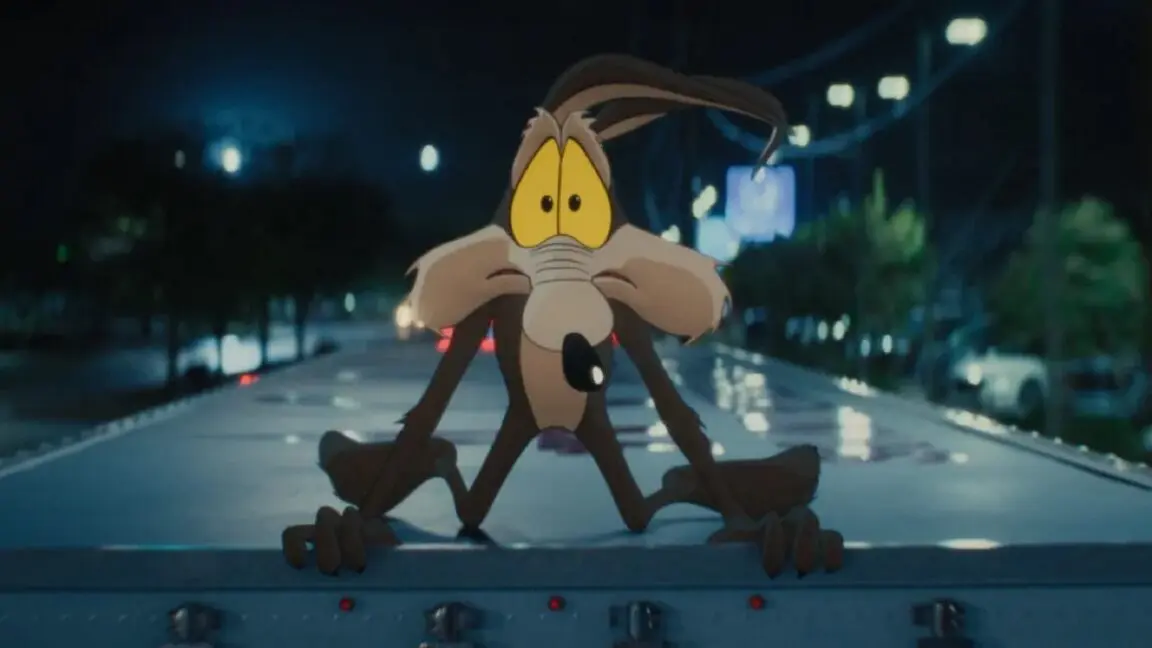
Directed by Dave Green (Earth to Echo), the film functions simultaneously as an unabashed love letter to decades of Looney Tunes history and a surprisingly profound exploration of the plucky underdog. By embedding historical easter eggs into its character names, utilizing cutting-edge hybrid animation techniques, and preserving the sharp, satirical edge that made the original shorts cultural touchstones, the creative team has delivered a rare crowd-pleaser that satisfies both nostalgic purists and modern audiences. This report explores the winding journey of Coyote vs. Acme, examining its production intricacies, the cultural weight of its homage, and the broader industry implications of its theatrical rescue.
Detailed Chronology: From the Shelf to the Silver Screen
The path of Coyote vs. Acme from script to screen is an odyssey of corporate uncertainty, fan advocacy, and cinematic salvation. For months, the film’s fate hung in the balance, mirroring the eternal struggles of its iconic protagonist, Wile E. Coyote, whose elaborate schemes against the Road Runner invariably resulted in catastrophic failure. However, unlike the animated shorts where salvation is never realized, the real-world narrative of this project found a benevolent benefactor in Ketchup Entertainment, which stepped forward to rescue the completed film from the looming specter of studio obscurity.
Director Dave Green inherited a property rich with comedic history but fraught with the logistical challenges of bridging two disparate mediums: live-action performance and traditional animation. To ensure the human actors had a tangible, spatial anchor during production, Green commissioned a life-size, physical Wile E. Coyote puppet. This tactile prop allowed the cast to interact with a physical presence, establishing genuine eye lines and physical chemistry before the animated layers were introduced in post-production.
The shooting methodology was equally rigorous. Green frequently opted to shoot scenes twice. The first take was meticulously choreographed to ensure spatial accuracy and interaction with the puppet, while the second take embraced spontaneity and improvisation from the human cast. This dual-pass approach yielded a seamless visual blend, allowing animated characters and live-action actors to share the screen without the jarring disconnect that often plagues hybrid features.
The culmination of these efforts is a film that honors its roots while forging a distinct cinematic identity. The triumphant box office returns signal that audiences were not only ready for the return of Wile E. Coyote, but hungry for theatrical content that breaks away from homogenized franchise formulas in favor of distinct auteur-driven perspectives.
Supporting Context & Metrics: The Box Office and Technical Architecture
Box Office Performance and Industry Footprint
While industry analysts correctly pointed out that Coyote vs. Acme would not shatter historical global box office records—particularly while competing against established cinematic juggernauts—its opening weekend gross of nearly $16 million is a massive win. For Ketchup Entertainment, this figure represents a watershed moment, marking the studio’s most successful opening weekend to date.
The film’s ability to carve out a distinct demographic slice amidst heavy competition proves that counter-programming rooted in recognizable, beloved intellectual property can still yield high-margin theatrical results. It validates Ketchup’s strategic gamble to acquire and distribute a film that major studios had previously deemed surplus to requirements.
Technical Craftsmanship: Blending 2D, 3D, and Live-Action
Under the guidance of Dave Green and his visual effects teams, Coyote vs. Acme navigates the notoriously difficult waters of hybrid filmmaking through a hybrid technical approach. Rather than relying entirely on contemporary 3D rendering, Green made the deliberate artistic choice to blend 3D computer graphics with traditional 2D animation styles.
The 3D approach was strategically reserved for specific sequences where the production team required absolute control over lighting, shadow mapping, and complex environmental interactions. Meanwhile, the overall aesthetic retained the flat, punchy styling of classic Looney Tunes shorts. This deliberate stylistic friction ensures that the film looks, feels, and breathes like a genuine extension of the theatrical cartoon canon.
Furthermore, the integration of live-action elements is punctuated by clever, diegetic gags that highlight the collision of the two worlds. In one standout comedic moment, Judge Troppogrosso—brilliantly brought to life by Luis Guzman—opted to use a cartoon gavel instead of a traditional wooden one, dryly noting that the proceedings constituted a "toon case." Such moments demonstrate a deep understanding of the comedic meta-narrative that has always underpinned the Looney Tunes universe.
Official Statements: Capturing the Voice of the Anarchy
To understand the tonal success of Coyote vs. Acme, one must examine the creative philosophy articulated by its director. In an extensive interview with IndieWire, Dave Green detailed the core attributes that drew him to the project and informed his directorial approach:
"All of them were just so funny to me because they were violent and they were irreverent. They weren’t saccharine: they were sarcastic and subversive and weird," Green explained. "That was always the fabric of what Looney Tunes was to me as a kid and in the DNA from the very beginning. And so, in making this movie, we tried to carry that torch the best we could, and speak as much as we could with that tonality and that voice, and keep it weird and keep it smart and sophisticated and dark and funny."
This creative manifesto serves as the bedrock for the film’s success. By refusing to sanitize or "modernize" the material into a safe, overly sweet family picture, Green and his writers preserved the sharp, anarchic spirit that made characters like Wile E. Coyote enduring icons across generations. The humor bites, the situations grow delightfully absurd, and the fundamental cynicism of the classic shorts remains intact, cushioned only by the heartwarming persistence of the central character.
Future Outlook: Implications for Studio Preservation and Intellectual Property
The unexpected triumph of Coyote vs. Acme at the box office opens up vital conversations regarding the future of completed film assets currently languishing in corporate vaults. For years, the practice of shelving completed or near-completed films for tax write-downs has drawn fierce criticism from creators, guilds, and cinephiles alike. The commercial success achieved by Ketchup Entertainment proves that these shelved assets possess tangible, monetizable market value if given a proper theatrical window.
Key Takeaways for the Industry:
- The Viability of Mid-Budget Hybrids: The film demonstrates that audiences are eager for smart, family-accessible, yet subversive hybrid features that do not rely on billion-dollar cinematic universes.
- The Power of Independent Distribution: Smaller distributors like Ketchup Entertainment can capture significant market share by rescuing high-profile orphaned projects that major studios misjudge.
- The Endurance of Classic IP: When handled with respect, reverence, and a clear understanding of original source material, legacy characters can successfully transition into contemporary live-action-hybrid formats without alienating base fanbases.
As Coyote vs. Acme continues its theatrical run, its legacy is already secured. It is no longer just a movie; it is a precedent. It stands as definitive proof that Wile E. Coyote’s relentless perseverance—his refusal to stay down after a crushing defeat—is a philosophy that applies just as readily to the artists and creators who fought to bring his latest misadventure to the silver screen. Mission accomplished, Mr. Green.