



Executive Overview
The video game industry in 2026 finds itself caught in an unprecedented vortex of creative high points and systemic corporate crises. On one hand, elite development studios continue to push the boundaries of mechanical design, with FromSoftware expanding its multiplayer footprints through Elden Ring Nightreign and the newly unveiled, Switch 2-exclusive The Duskbloods. Indie projects like House House’s Big Walk and Aggro Crab and Landfall’s Peak remind players of the raw, unadulterated joy of tightly scoped, finite creative visions.
Conversely, the macro-landscape of the industry is fracturing under the weight of hyper-capitalism, sweeping layoffs, controversial high-stakes acquisitions, and recurring waves of generative AI integration. From the unsettling $55 billion buyout of Electronic Arts by Saudi Arabia’s Public Investment Fund (PIF) and Jared Kushner, to Guerrilla Games’ desperate struggles with its live-service pipeline on Horizon Hunters Gathering, and glaring technical oversights in gacha titles like Neverness To Everness, the business of video games is experiencing a severe identity crisis. This report examines the seismic shifts defining the current global gaming landscape, analyzing both the triumphs of game design and the turbulent corporate realities threatening its workforce.
Detailed Chronology
The past several weeks have unrolled a rapid-fire sequence of industry-altering events, shifting the power dynamics between developers, publishers, and players:
- Early August 2026: Aggro Crab and Landfall release the final major content update for their multiplayer hit Peak, marking a deliberate departure from the toxic modern standard of the perpetual "live-service treadmill."
- Mid-August 2026: Sony-owned Guerrilla Games is forced to radically reboot its live-service project, Horizon Hunters Gathering, following devastatingly negative playtest feedback.
- August 19, 2026: Comprehensive reports surface detailing the massive $55 billion take-private acquisition of Electronic Arts by Saudi Arabia’s PIF and Jared Kushner, throwing internal studio morale into deep cynicism. Simultaneously, Bloomberg and major industry outlets break news on structural shifts across the board.
- Mid-August 2026: Compulsion Games officially confirms its independence from Xbox through a successful management buyout, untethering itself from Microsoft’s ecosystem following a wave of corporate restructuring.
- Late August 2026: Grand Theft Auto 6 suffers a severe three-day leak cycle, allegedly originating from a functional playable build, occurring merely a week ahead of Rockstar Games’ controversial marketing stunt with Netflix.
- Late August 2026: HoYoverse/Genshin-adjacent title Neverness To Everness faces community backlash after eagle-eyed players discover an unremoved Doubao AI watermark on a newly introduced asset, directly contradicting the studio’s previous claims of relying strictly on human creativity.
Supporting Context & Metrics
To fully understand the gravity of these current events, one must look closely at the systemic financial and structural shifts taking place across the global market.
The Live-Service Collapse and Corporate Consolidation
The industry’s gold rush toward live-service monetization continues to reap catastrophic failures. PlayStation’s aggressive pivot toward games-as-a-service has resulted in a chain reaction of studio closures, prolonged project delays, and massive layoffs. Projects like Horizon Hunters Gathering serve as glaring symptoms of a broader corporate disconnect. When executive mandates force historically single-player-focused studios—such as Guerrilla Games—into unfamiliar live-service territories, the inevitable result is wasted capital, bruised creative morale, and alienated player bases.
Concurrently, the hardware and publishing sectors are contracting sharply. Microsoft’s drastic cutbacks—including the elimination of thousands of jobs and the shedding of multiple development houses such as Compulsion Games, Double Fine, Ninja Theory, and Undead Labs—demonstrate the ruthless volatility of platform holders. Compulsion’s subsequent management buyout is a rare bright spot of survival, yet it highlights how precarious life as an external studio under a major platform holder has become.
Generative AI and Developer Disillusionment
The integration of generative artificial intelligence remains a flashpoint of contention. Recent industry data reveals a deep chasm between executive ambition and ground-level sentiment: while roughly one-third of game industry workers utilize generative AI tools in some capacity, over half view the technology as fundamentally detrimental to the industry’s creative integrity.
This friction manifested visibly with Neverness To Everness. Despite studio assertions that the game is "built on human creativity," the accidental retention of a Doubao AI watermark exposed the quiet creep of automated asset generation into high-budget productions. For players and developers alike, these gaffes symbolize a corrosive shift toward efficiency over artistry.
Official Statements & Industry Perspectives
The internal friction plaguing major publishers has brought employee sentiment to a boiling point. Speaking anonymously to journalists following the Saudi buyout of Electronic Arts, current EA staff members expressed profound alienation.
.png?width=1280&&quality=80&disable=upscale)
"I feel dirty," shared one senior employee, capturing a widespread sentiment of cynicism and moral ambiguity within the company.
With the publisher now under the direct financial control of foreign sovereign wealth funds and politically connected entities, workers have voiced distinct fears regarding creative censorship. Concerns center on whether future greenlights will be contingent upon ideological alignment with foreign governments, potentially positioning a major Western media outlet as a vessel for external political narratives.
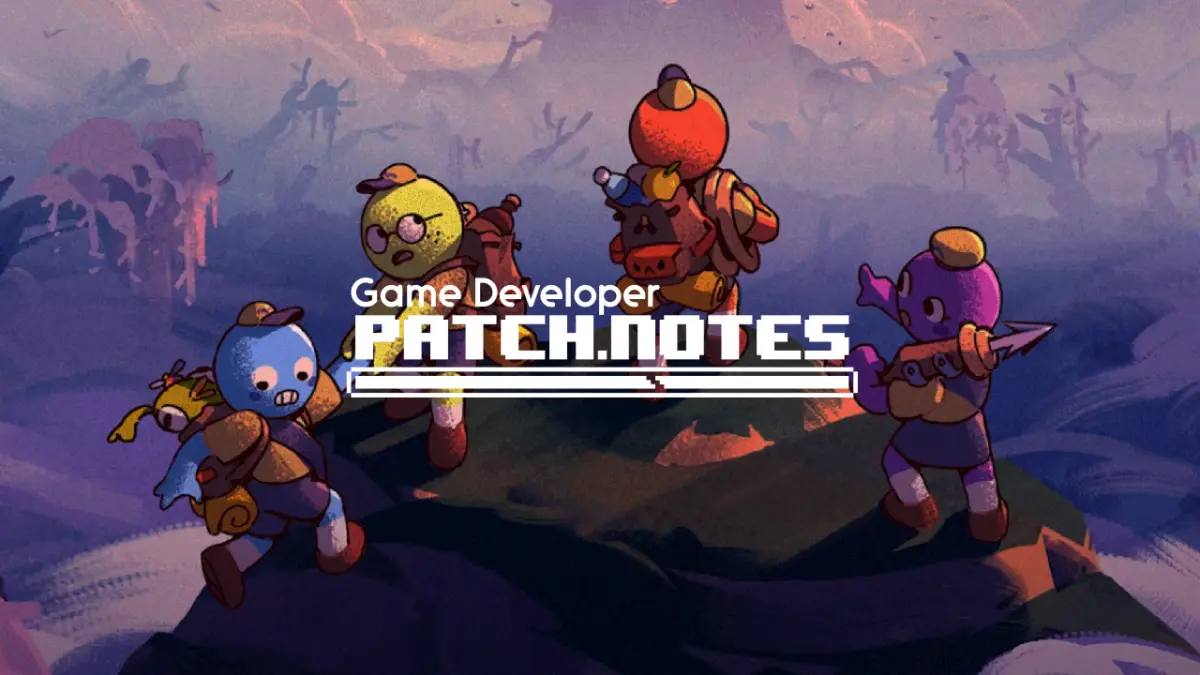
On the creative side of the spectrum, developers are increasingly pushing back against the demands of the modern games-as-a-service ecosystem. In their farewell patch notes for Peak, Aggro Crab and Landfall articulated a philosophy increasingly rare in contemporary game development:
"We don’t wish for it to become a ‘forever game’ where we constantly add new things that bloat the experience, just to try to keep people’s attention. Post-launch updates should be the cherry on top of a finished experience. Games should be allowed to end on their own terms."
This sentiment echoes the design ethos of FromSoftware, which continues to surprise the industry by pivoting into daring experimental spaces—such as the eight-player battle-royale-infused, vampire-draining mechanics of the Switch 2 exclusive The Duskbloods. Even as corporate entities stumble through macroeconomic turbulence, independent and auteur-driven studios continue to chart alternative paths forward.
Future Outlook
As the video game industry marches through the remainder of the decade, a definitive bifurcation is taking place.
On one side, legacy giants and massive conglomerates are grappling with the fallout of overextended live-service strategies, hyper-financialized acquisitions, and plummeting consumer trust. The normalization of foreign state-backed buyouts, ongoing union battles (such as those at Ubisoft Mobile Barcelona), and structural layoffs indicate that the corporate landscape will remain volatile and morally fraught for the foreseeable future. Furthermore, leaks—such as the unprecedented pre-launch security breaches facing Grand Theft Auto 6—demonstrate that publishers will face mounting challenges in controlling their own messaging and product rollouts in an era of hyper-connected digital espionage.
Conversely, the creative vanguard continues to thrive in spite of these systemic hurdles. FromSoftware’s willingness to disrupt its own formulas with Elden Ring Nightreign and The Duskbloods, coupled with the uncompromising independence of studios like Compulsion Games and House House, proves that artistic innovation remains alive and well.
The ultimate trajectory of the industry will depend on whether leadership can realign its priorities with the human talent that drives it. Until corporate strategies learn to value sustainable, finite artistic visions over endless financial extraction, the industry will likely remain trapped in this volatile cycle of brilliance and burnout.