








EXECUTIVE SUMMARY
Global data center capital expenditures are on an unprecedented trajectory, with projections indicating spending will officially surpass $3 trillion by 2030. According to a landmark market report published by the Dell’Oro Group, this nearly twofold upward revision from earlier forecasts underscores a relentless, high-stakes infrastructure buildout. Driven by the explosive demand for generative artificial intelligence (AI), sovereign AI initiatives, and the rapid maturation of specialized cloud providers, the digital economy is undergoing its most capital-intensive transformation in history.
However, this massive influx of capital is not merely a story of purchasing computer chips. The $3 trillion price tag reflects an entire ecosystem in flux—one grappling with unprecedented energy demands projected to exceed 200 gigawatts (GW) globally, critical bottlenecks in component supply chains, the wholesale redesign of thermal management systems, and a complete re-architecting of how power is sourced, distributed, and managed. As hyperscalers and neoclouds lock down long-term procurement contracts, industry participants face a complex calculus: balance the existential risk of falling behind the AI curve against the massive financial exposure of overbuilding in a volatile technological landscape.
1. Executive Overview: A Paradigm Shift in Global Capital Expenditure
The sheer scale of the data center expansion reshaping the global economy is historic. In its updated outlook, the Dell’Oro Group revealed that its 2030 capex forecast has nearly doubled compared to projections made in early 2026. This dramatic acceleration is fueled by a convergence of forces: upwardly revised spending guidance from major hyperscalers, staggering increases in global data center power capacity requirements, and persistent inflationary pressures across raw materials and specialized hardware commodities.
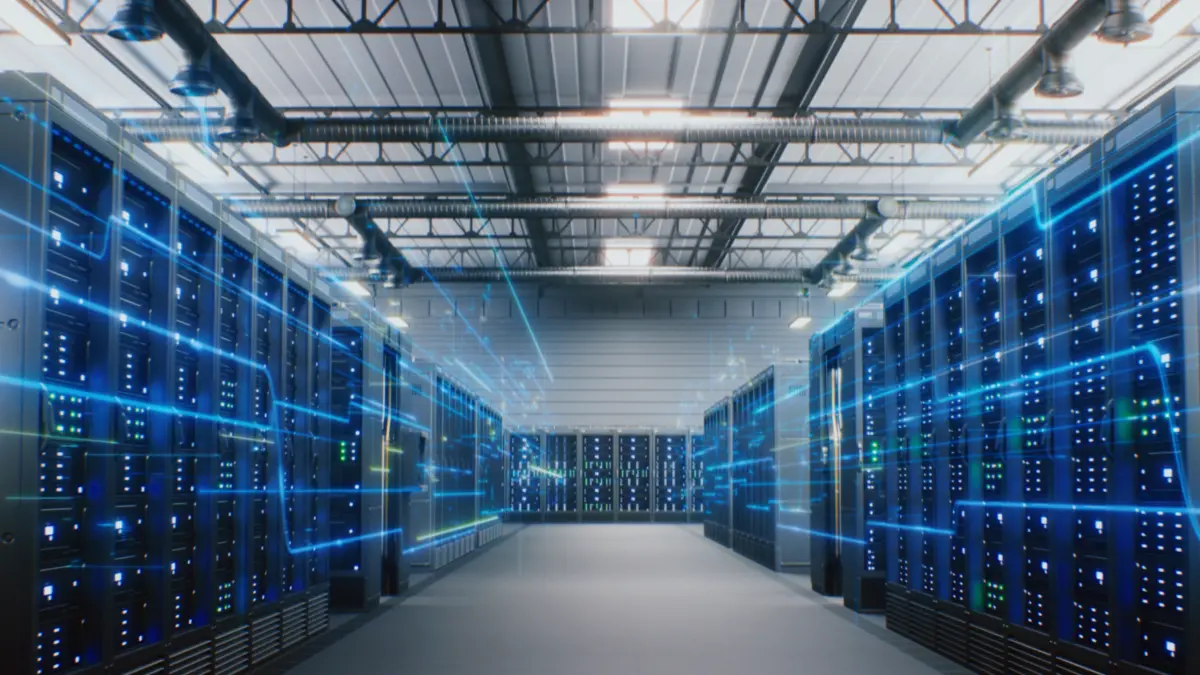
At the heart of this spending wave are AI accelerators—graphics processing units (GPUs) and specialized application-specific integrated circuits (ASICs)—which are expected to consume roughly one-third of the total $3 trillion capital outlay. Yet, as industry analysts emphasize, silicon is only the tip of the iceberg. Operating high-density AI clusters requires a complex infrastructure stack, including high-performance servers, specialized ultra-low-latency networking equipment, and massive enterprise storage systems capable of handling the relentless demands of both model training and real-time inference.
Market dominance remains heavily concentrated among a handful of key players. Dell’Oro estimates that the four largest US cloud service providers—often referred to as the traditional hyperscalers—will account for roughly half of all global data center capital expenditures through the end of the decade. Meanwhile, the AI-specialized cloud sector, comprising model developers and emerging neocloud providers, is tracking at a compound annual growth rate (CAGR) approaching a staggering 60%. Simultaneously, demand for general-purpose servers is experiencing a secondary renaissance as enterprise inference, agentic AI workflows, and advanced data storage frameworks expand concurrently.
2. Detailed Chronology: The Escalation of the AI Infrastructure Gold Rush
To understand how the data center industry reached this multitrillion-dollar inflection point, it is necessary to examine the rapid acceleration of milestones that defined the post-2022 generative AI boom:
- Late 2022 – The Catalyst: The public debut of advanced generative AI models ignited an unprecedented corporate scramble for compute power. Enterprises and cloud giants alike realized that legacy data centers were entirely unequipped for the dense, parallelized computing required by modern transformer models.
- 2023–2024 – The Silicon Bottleneck: Early market phases were dominated by acute supply shortages of high-end AI accelerators. Cloud providers engaged in aggressive capital expenditure programs to secure allotments of scarce chips, driving record revenues for semiconductor manufacturers and forcing a complete rethinking of supply chain logistics.
- 2025–2026 – The Power and Cooling Crisis: As compute density per rack skyrocketed from traditional 5-kilowatt (kW) envelopes to upwards of 40 kW, 100 kW, and beyond, the industry hit a physical wall. Power availability emerged as the primary gating factor for growth. Grid connection queues stretched into multi-year delays, and data center operators began aggressively pivoting toward alternative energy procurement strategies, on-site microgrids, and advanced liquid cooling architectures.
- The 2030 Horizon – Institutionalization and Maturity: Current market trajectories point toward a 2030 landscape where data center ecosystems are fully industrialized. With projected cumulative capex topping $3 trillion and global available power capacity scaling past 200 GW, the industry is transitioning from a speculative land-grab into a deeply integrated, highly specialized utility infrastructure sector.
3. Supporting Context & Market Metrics: Silicon, Scale, and Supply Chains
The sheer economic gravity of the largest cloud providers is fundamentally altering market dynamics. Armed with immense purchasing power, hyperscalers are increasingly bypassing traditional distribution channels to negotiate direct, long-term supplier agreements. While these multi-billion-dollar commitments guarantee the capacity needed to fuel their massive enterprise and consumer ecosystems, they introduce significant downstream friction for the broader market.
According to market analysts, these preferred-pricing and capacity arrangements risk squeezing out smaller competitors. Component availability for independent buyers is tightening, resulting in extended lead times and inflated component costs. Furthermore, the aggressive pursuit of custom silicon—proprietary chips designed in-house by hyperscalers to optimize specific workloads—is driving down costs at scale while putting intense margin pressure on traditional enterprise server manufacturers.
For many enterprises, navigating this environment requires careful strategic planning. Facing uncertain utilization rates and high upfront costs for dedicated hardware, many businesses initially lean toward rented GPU capacity through cloud and neocloud providers.
"Ultimately, the scale and economics of the largest cloud providers could further favor cloud-based infrastructure, encouraging more enterprises to shift workloads to the cloud," notes Baron Fung, Vice President at Dell’Oro Group.
However, Fung anticipates that a hybrid equilibrium will eventually emerge. Enterprises with stable, heavily utilized AI workloads will likely migrate to on-premises or co-location facilities when long-term ownership proves more economical than continuous cloud leasing, while variable, spike-driven workloads remain anchored in the cloud.
4. Official Statements & Industry Perspectives
The structural transformation of the data center industry is reverberating across multiple disciplines, drawing warnings and insights from leaders spanning thermodynamics, engineering, and legal infrastructure.
The Thermal and Physical Reality
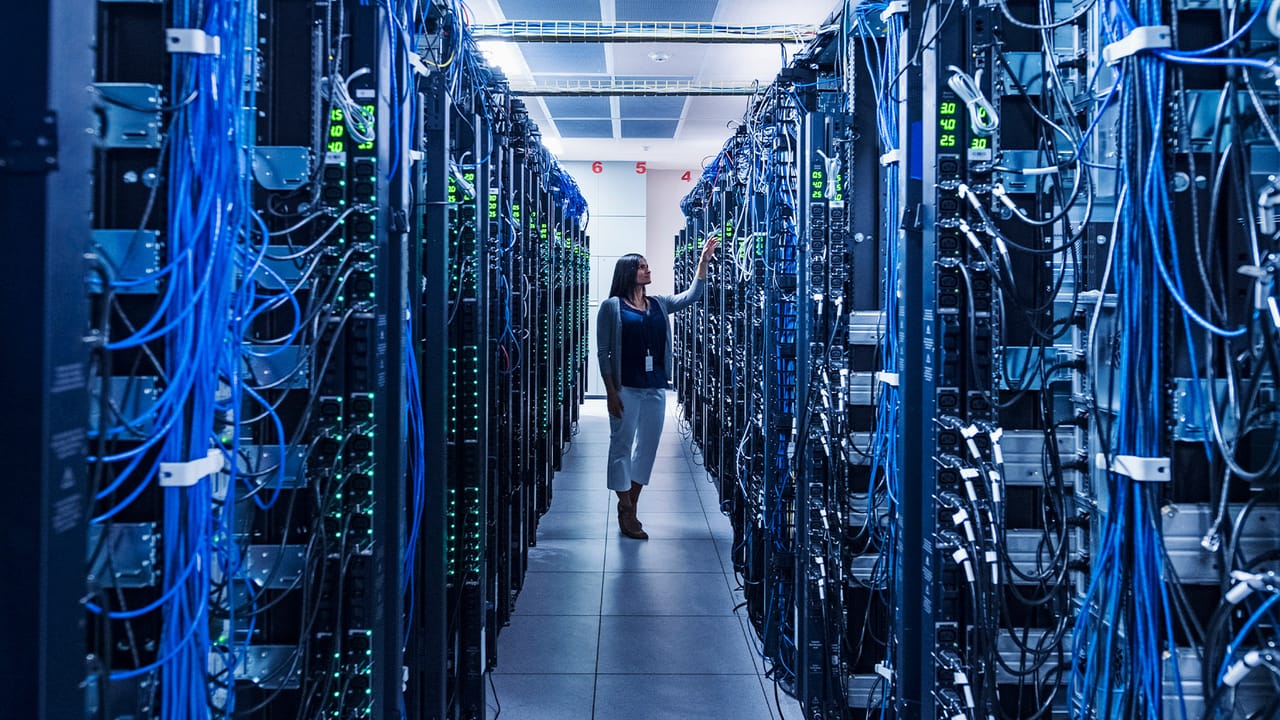
Higher-density AI architectures demand a holistic redesign of the physical facility. Gordon Johnson, Senior CFD Manager at Subzero Engineering, highlights that the challenges extend far beyond procuring powerful processors.
"AI workloads require more electrical power per rack than traditional computing, often requiring a combination of cooling strategies," Johnson explains.
Because traditional air-handling units are fundamentally incapable of dissipating the extreme heat generated by dense GPU clusters, every accelerator deployment triggers cascading investments in advanced power distribution units (PDUs), direct-to-chip liquid cooling systems, thermal containment aisles, and structural reinforcements.
Johnson cautions against speculative over-engineering, noting that the single greatest operational risk facing developers today is building too much capacity, too fast, without a clear understanding of localized high-density compute demands. "Operators must understand where high-density compute is required and integrate new cooling methods with existing infrastructure in staged phases," he advises.
The Power Procurement Crisis
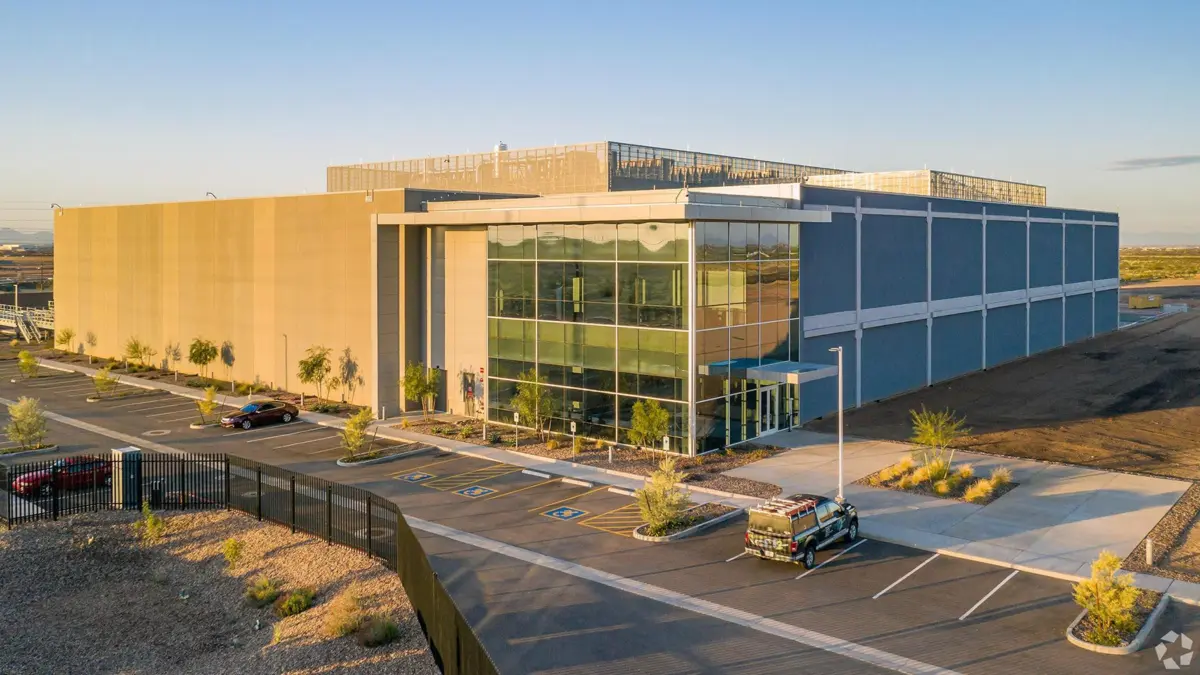
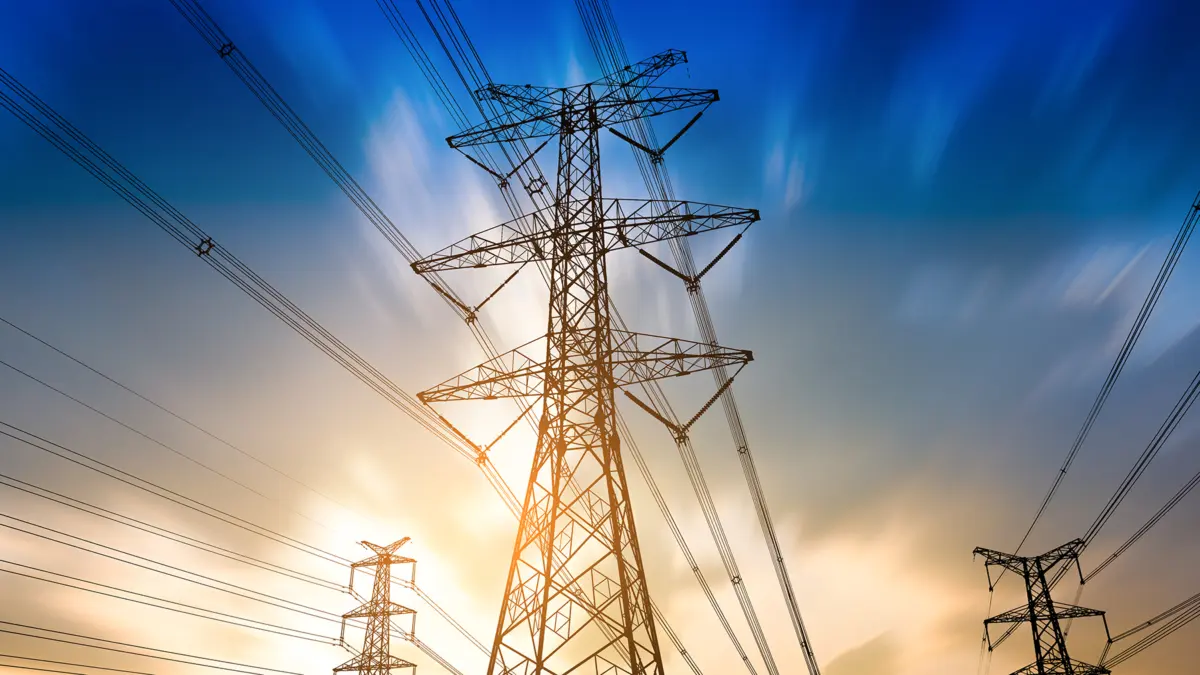
Perhaps the most formidable constraint on the multi-trillion-dollar AI buildout is not silicon, but electrons. Luke Edney, a partner at legal firm Norton Rose Fulbright, points out that power availability is now the single most influential variable in site-selection and project economics. Modern data center campuses are no longer measured in megawatts, but in hundreds of megawatts, with cutting-edge mega-campuses designed at the gigawatt scale.
"Power is also changing the economics of projects—the cost and timeline risk associated with power procurement is now a critical factor in site-selection decisions," Edney tells Data Center Knowledge.
In established Tier-1 markets, public utility grid connection timelines routinely exceed five years. This regulatory and physical lag is forcing developers to scout unconventional geographies defined by surplus renewable energy generation, flexible regulatory frameworks, and proactive utility partnerships.
Simultaneously, the unquenchable thirst for reliable, low-carbon baseload electricity is accelerating commercial interest in alternative energy vectors. On-site fuel cells, advanced battery energy storage systems (BESS), and small modular reactors (SMRs) nuclear power integration are rapidly transitioning from conceptual discussions to active board-level strategies.
Despite the prevailing "fear of missing out" (FOMO) driving many corporate boardrooms, Edney offers a pragmatic financial warning: "AI investment still needs to be tied to measurable business outcomes, not simply a response to market pressure." Enterprises must carefully balance the risk of falling behind technologically against the severe financial exposure created by committing excessive capital too early in a rapidly evolving market cycle.
5. Future Outlook: Navigating the Road to 2030
As the industry marches toward the $3 trillion milestone by the end of the decade, the data center landscape will inevitably consolidate around operational efficiency, energy independence, and architectural innovation.
The division between general-purpose computing and specialized AI infrastructure will continue to blur as agentic AI, real-time autonomous systems, and massive multimodal inference become standard enterprise requirements. For hyperscalers, the name of the game will be vertical integration—securing captive power sources, designing bespoke silicon, and deploying closed-loop liquid cooling loops capable of driving PUE (Power Usage Effectiveness) metrics down to near-perfect efficiency.
For enterprises, neoclouds, and regional operators, survival will hinge on strategic agility. Those who successfully navigate the tight component supply chains, master hybrid cloud deployment models, and secure reliable, low-carbon power agreements will thrive. Those who miscalculate the delicate balance between capital expenditure, energy availability, and tangible business ROI risk being swept aside in the most expensive technological revolution of the modern era.