








Executive Overview
The landscape of independent video game development is undergoing a quiet, lucrative evolution. As breakout hits scale to unprecedented commercial heights, a growing number of veteran indie studios find themselves facing an unexpected economic dilemma: what to do with an overwhelming surplus of capital. Rather than expanding inward into bloated corporate monoliths, creators are increasingly choosing to pay it forward.
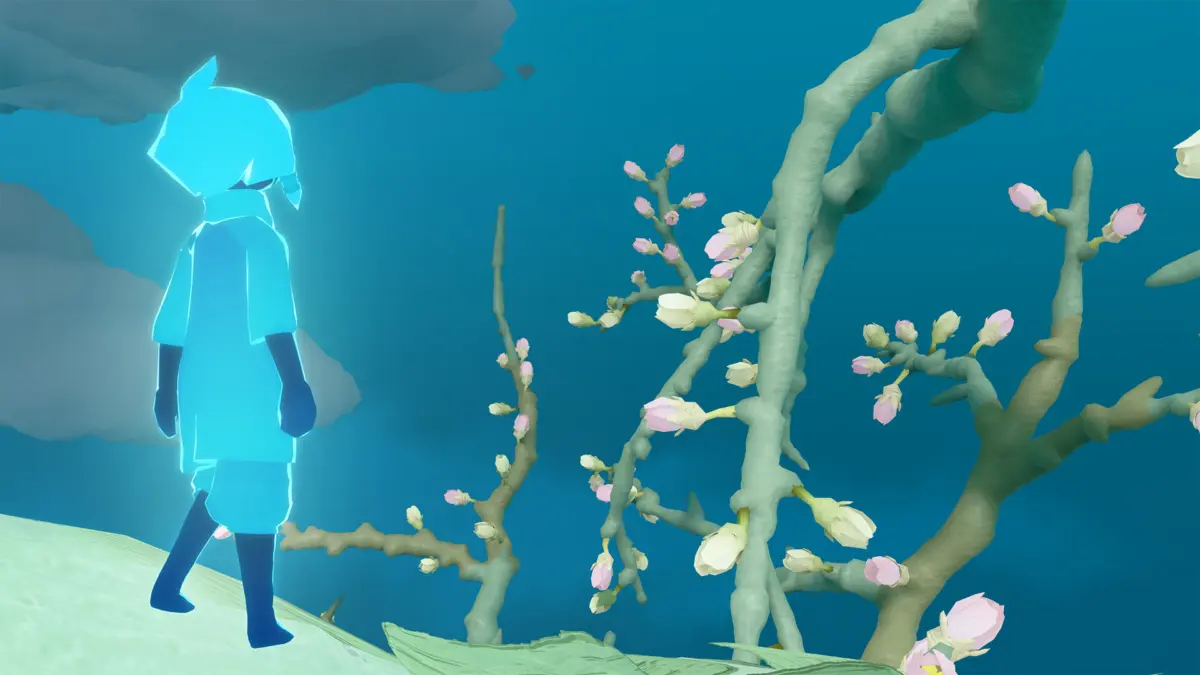
Thatgamecompany, the renowned visionary studio behind modern masterpieces like Journey and Sky: Children of the Light, is the latest industry heavyweight to join this movement. The studio announced on Tuesday the formal launch of its dedicated publishing arm, aptly named thatgamepublisher. Powered directly by the sustained financial success of Sky: Children of the Light, the new publishing label is designed to seek out, fund, and champion "emotionally ambitious games" across a diverse spectrum of platforms, genres, and development scales.
Spearheaded by publishing lead SJ Xue and backed by co-founder Jenova Chen, thatgamepublisher arrives with a distinct operational philosophy. Unlike pure financial funds—such as Innersloth’s Outersloth or Landfall’s Evil Landfall—thatgamepublisher positions itself as a full-service publisher. It intends to provide comprehensive infrastructural backing, ranging from monetary investment and strategic planning to community management and targeted marketing.
With "a couple" of unannounced titles already signed to its roster, thatgamepublisher represents a pivotal moment not only for Thatgamecompany’s corporate evolution but also for a broader paradigm shift within the independent games sector: successful indies using their hard-won prosperity to incubate the next generation of artistic storytelling.
Detailed Chronology: The Evolution of Thatgamecompany and the Birth of a Publisher
To understand the strategic rationale behind thatgamepublisher, one must first look back at the trajectory of Thatgamecompany itself. Founded in 2006 by Jenova Chen and Kellee Santiago out of the University of Southern California (USC) cinematic arts program, the studio carved out a unique niche in the gaming ecosystem. Rejecting conventional mechanics centered around combat and high-score chasing, the studio focused instead on evoking deep, resonant emotional states through interactive media.
- 2006–2012 (The Early Breakthroughs): Thatgamecompany built its critical reputation through early PlayStation Network titles developed under a three-game publishing agreement with Sony Computer Entertainment. Flow (2006) and Flower (2009) established the studio’s poetic design language. This era culminated in the release of Journey (2012), a universally acclaimed artistic triumph that redefined online cooperative interaction and won numerous Game of the Year accolades.
- 2012–2019 (The Shift to Self-Publishing and Live Services): Following the completion of its Sony contract, Thatgamecompany transitioned toward independence. This pivot required securing independent venture capital to build its most ambitious project to date: Sky: Children of the Light. Released initially for iOS in 2019 (and later ported to Android, Nintendo Switch, PlayStation, and PC), Sky transformed the studio from a critically revered boutique shop into a massively profitable live-service enterprise.
- 2019–Present (The Live-Service Boom and Capital Accumulation): Sky struck a profound chord with a global, multi-platform audience, cultivating a massive, dedicated community. The continuous revenue generated by the game’s seasonal content and microtransactions resulted in an influx of capital that far outstripped the ongoing operational needs of the core development team.
- Tuesday’s Announcement (Entering Publishing): Recognizing that its financial resources vastly exceeded the expansion capacity of its internal development teams, leadership formalized plans that had been quietly brewing behind the scenes. Thatgamepublisher was officially unveiled, marking the studio’s formal expansion from a pure development house into an industry patron.
Supporting Context & Metrics: The Rise of the Indie-Led Publishing and Funding Wave
Thatgamecompany’s transition into publishing does not happen in a vacuum. Over the past half-decade, the video game industry has witnessed an unprecedented structural phenomenon: the "wealth-spreading" movement among indie developers.
When games developed on modest, shoestring budgets explode into cultural juggernauts, the resulting financial windfall can destabilize a traditional studio. Expanding a cohesive, creative team of 20 or 30 people into a corporation of 1,000 employees often dilutes company culture, introduces administrative bloat, and shifts creative focus away from risk-taking artistry.
To circumvent this trap, developers of several mega-popular titles have chosen to recycle their profits directly back into the ecosystem:
- Innersloth and Outersloth: Following the viral, pandemic-era explosion of Among Us, developer Innersloth launched Outersloth. Operating strictly as a funding vehicle, Outersloth has backed numerous indie projects without demanding traditional publishing control, maintaining a strict policy against generative AI pitches.
- Landfall and Evil Landfall: Co-developer Landfall (Totally Accurate Battle Simulator, Peak) established financing initiatives to support external indie creators, emphasizing hands-off financial backing.
- Pocketpair and Beyond: The staggering success of survival-crafting phenomenon Palworld has similarly empowered its creators to support external talent, ensuring that independent visions unpalatable to traditional AAA gatekeepers find a lifeline.
The "Full-Service" Distinction
While funds like Outersloth and Evil Landfall serve primarily as financial reservoirs, thatgamepublisher is deliberately carving out a different operational niche. According to reports from GamesIndustry.biz, the new entity operates as a full-service publisher.
This means participating developers receive far more than a check. Thatgamepublisher will provide vital infrastructural support systems that often overwhelm small indie teams:

- Direct Capital Investment: Tailored funding packages scaled to the specific needs of the project.
- Marketing & PR Campaigns: Professional positioning to help niche, artistic titles cut through the deafening noise of digital storefronts.
- Community Development: Leveraging Thatgamecompany’s decades of expertise in cultivating kind, engaged, and loyal online player bases—a skill acutely demonstrated by the communal ecosystem of Sky.
- Strategic Production Guidance: Mentorship and operational assistance throughout the project’s development lifecycle.
Official Statements and Vision: Redefining "Emotional Ambition"
The core ethos of thatgamepublisher is deliberately decoupled from traditional industry metrics like gross revenue projections, platform exclusivity, or standardized genre classifications.
Publishing lead SJ Xue articulated this philosophy clearly in an interview with GamesIndustry.biz, emphasizing that bureaucratic gatekeeping has no home at the new label.
"The typical genre or platform restrictions would not apply to us," SJ Xue stated. "We are open to teams of any size, projects at any stage, and ideas still being prototyped. What matters is not the label, genre, scale, or format, but whether the game reaches for meaningful emotional territory and uses interactivity to take players there."
This commitment to medium-agnostic artistry means that thatgamepublisher is casting a remarkably wide net. Xue noted that the initiative is actively looking at everybody—from lone bedroom developers operating with raw, unbridled creativity to mid-sized, veteran teams managing AA-level budgets. Because the financial terms of each partnership will be customized to fit the individual project, the studio aims to maintain maximum flexibility.
Co-founder Jenova Chen offered a pragmatic yet philosophical view on why this initiative feels like a natural evolution for successful independent studios. Speaking candidly about the financial realities of modern game development, Chen explained:
"This is a very common pattern because number one, successful indie games usually are on a shoestring, and if the game becomes very successful, suddenly you have an overflow of cash. But then, you are a small team [making] games, you don’t want to suddenly become a thousands of people company, right? And then you can’t really spend the money, so with additional money, where can you invest? You want to invest in something you understand, something you really are familiar with. So investing into other indie games is a natural choice for everyone, and that’s why many indie companies are doing that."
Future Outlook: What Thatgamepublisher Means for the Industry
The launch of thatgamepublisher arrives at a precarious time for the broader interactive entertainment sector. The past two years have been characterized by sweeping corporate consolidation, devastating industry layoffs, studio closures, and an increasingly risk-averse investment climate among traditional venture capitalists and public publishers. Large corporate entities are retreating toward proven, low-risk intellectual properties and live-service formulas that promise predictable quarterly returns.
In this climate, indie-led publishing arms like thatgamepublisher serve as vital lifeboats for creative innovation. By stepping into the void left by risk-averse corporate publishers, successful independent creators are effectively building parallel economic pipelines for the arts.
What Lies Ahead
- Unannounced Titles on the Horizon: While Jenova Chen confirmed that "a couple" of games have already been signed to thatgamepublisher’s roster, public reveals have not yet been scheduled. Given Thatgamecompany’s pedigree, these initial titles are expected to focus heavily on atmosphere, narrative resonance, and innovative cooperative mechanics.
- A Shift in Power Dynamics: As more indie studios pivot to funding peers, the traditional publisher-developer power dynamic shifts. Developers who have navigated the grueling trenches of independent production are uniquely positioned to offer empathetic, artist-friendly terms that corporate executives often fail to understand.
- The Sustainability of the Arts: By funneling the financial success of Sky: Children of the Light into new, emotionally daring experiments, Thatgamecompany is not merely expanding its business portfolio; it is actively shaping the future vocabulary of video games as an emotional medium.
Ultimately, thatgamepublisher proves that commercial success in the indie sector does not have to result in corporate greed or creative stagnation. Instead, when managed with vision and empathy, a single breakout hit can become the seedbed for an entire ecosystem of artistic resilience.