Executive Overview
In a landmark cross-border consolidation within the digital health sector, U.S.-based nutrition and metabolic care startup Berry Street has announced its merger with Healthify, a prominent Indian health and fitness platform backed by venture capital heavyweight Khosla Ventures. The strategic alliance is engineered to capture a dominant share of the rapidly expanding market for GLP-1 receptor agonist medications, a class of blockbuster weight-loss and diabetes drugs that are fundamentally altering the landscape of modern medicine and consumer wellness.
While financial terms of the transaction were kept strictly confidential, the merger brings together two formidable forces in digital nutrition: Berry Street, with its robust U.S. insurance infrastructure and vast clinical network, and Healthify, a globally recognized pioneer in artificial intelligence-driven dietary coaching and large-scale consumer health apps.
As the demand for revolutionary weight-loss drugs like Wegovy, Ozempic, and Mounjaro skyrockets, healthcare systems are grappling with a severe shortage of specialized behavioral and nutritional support. Experts widely agree that pharmacotherapy alone is insufficient for long-term metabolic health; patients require intensive, ongoing lifestyle interventions to manage side effects, prevent muscle loss, and sustain weight reduction. The newly combined entity aims to bridge this critical gap. By marrying advanced generative artificial intelligence with a nationwide network of human dietitians and clinical specialists, Berry Street and Healthify are positioning themselves as the definitive infrastructure providers for the future of metabolic care.
Detailed Chronology and Structural Integration
The merger represents the culmination of parallel trajectories of growth, innovation, and international expansion by both companies over the past several years. While the formal announcement was made on Monday, the seeds of this cross-border integration were sown as both startups independently recognized the inevitable convergence of technology-led lifestyle coaching and clinical weight-loss management.
Leadership and Brand Architecture
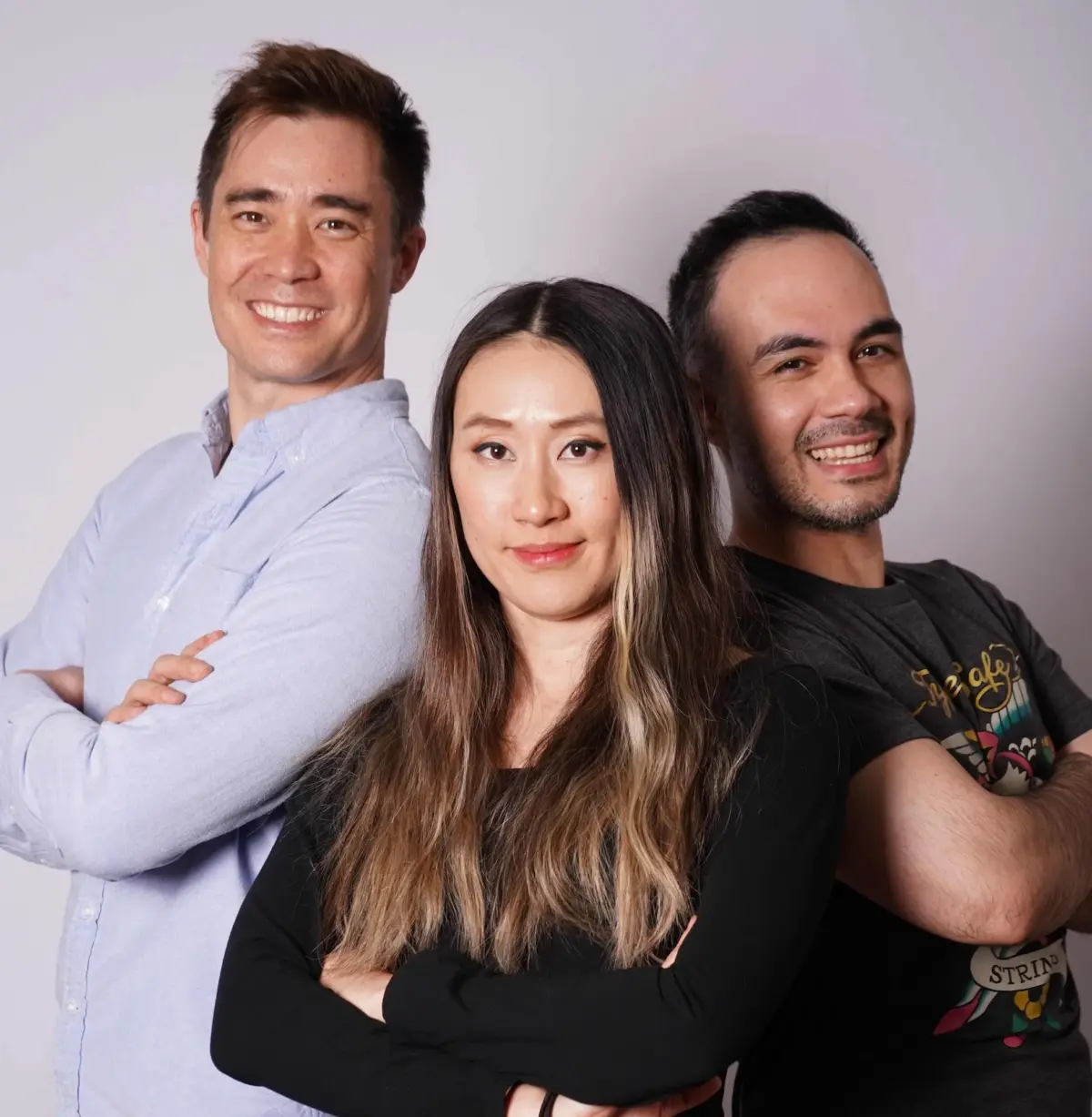
Under the terms of the merger agreement, the leadership structure of the newly formed entity will be shared. Berry Street founder Noah Kotlove and Healthify founder Tushar Vashisht will step up as co-chief executive officers, jointly steering the strategic vision and operational execution of the global enterprise.
To maximize brand equity and localized resonance, the company has adopted a bifurcated brand strategy:
- The United States: The enterprise will continue to operate under the well-established Berry Street banner, leveraging its existing clinical credibility, insurance credentialing, and domestic brand recognition.
- International Markets (Including India): The company will operate under the Healthify brand (formerly known as HealthifyMe), capitalizing on its massive user base, international footprint, and brand equity built over a decade of operation in Asia and beyond.
Operational Synergies
The structural mechanics of the merger are designed to create a seamless feedback loop between AI-driven consumer engagement and clinical-grade medical supervision.
Healthify brings to the table its sophisticated proprietary AI assistant, Ria, which recently underwent upgrades to support real-time conversational capabilities. Over its lifetime, Healthify has amassed a user base exceeding 45 million customers, backed by more than $150 million in total venture funding from prominent investors, including Crunchbase-tracked rounds involving Khosla Ventures. Last year, Healthify initiated its expansion into the U.S. market while simultaneously rolling out specialized GLP-1-aided nutritional programs in India, setting the stage for this comprehensive cross-border merger.
Conversely, Berry Street contributes a deeply entrenched domestic infrastructure. The U.S. startup boasts a network of over 2,000 specialized clinics and provides insurance-covered GLP-1 care—a crucial differentiator in the U.S. healthcare market, where out-of-pocket costs for medications and clinical consultations can be prohibitive. Berry Street’s financial footing was solidified late last year when it secured a $50 million fundraising round led by prominent venture capital firms Northzone, Sofina, and FJ Labs. Furthermore, Berry Street has built extensive B2B and institutional credibility through collaborations with major global brands, including Amazon and Walmart, helping over 200,000 individuals navigate their nutritional journeys.
By combining Healthify’s scalable, AI-first consumer engagement engine with Berry Street’s clinical backbone and insurance reimbursement pipelines, the unified company can now offer an end-to-end solution: from everyday AI meal tracking and macro-nutrient analysis to licensed dietitian consultations and insurance-backed medical weight management.
Supporting Context & Metrics: The GLP-1 Revolution and Market Dynamics
To understand the strategic imperative behind the Berry Street-Healthify merger, one must examine the staggering macroeconomic and demographic forces currently reshaping the healthcare and wellness industries.
The Explosive Rise of GLP-1 Agonists
Originally developed for the treatment of Type 2 diabetes, GLP-1 receptor agonists (such as semaglutide and tirzepatide) have triggered a cultural and medical paradigm shift. By mimicking natural gut hormones that regulate appetite and insulin secretion, these medications achieve unprecedented weight-loss results, often helping patients shed 15% to 20% or more of their total body weight.
The market adoption curve has been nothing short of vertical. According to a widely cited industry research report published this year by financial services giant J.P. Morgan, over 30 million people in the United States alone are projected to be on GLP-1 medications by the year 2030.
However, this therapeutic boom presents a profound systemic challenge. Rapid weight loss induced by pharmacotherapy often leads to adverse physiological consequences, most notably the loss of lean muscle mass (sarcopenia), nutrient deficiencies, and gastrointestinal distress. Furthermore, clinical trials consistently demonstrate that patients who discontinue GLP-1 drugs frequently regain a significant portion of the lost weight if they have not developed sustainable nutritional and behavioral habits during the treatment period.
The Dietitian Bottleneck
The sheer volume of patients initiating GLP-1 therapy has completely overwhelmed the traditional healthcare system. There is a severe global shortage of registered dieticians, endocrinologists, and obesity medicine specialists. In the United States, patients often face weeks- or months-long waiting lists just to consult a nutritionist—delaying crucial dietary interventions at the exact moment a patient begins pharmacotherapy.
This bottleneck created an opening for technology-forward digital health startups. Companies like Berry Street and Healthify realized that traditional, in-person clinical models could not scale to meet a demand curve involving tens of millions of patients. By leveraging artificial intelligence to handle daily engagement, continuous meal tracking, and behavioral nudges—while deploying human clinicians strategically for high-touch medical interventions—these startups are establishing a viable, scalable blueprint for modern metabolic healthcare.
Official Statements and Industry Perspectives
The merger has drawn significant commentary from industry leaders, investors, and the founders themselves, highlighting the transformative ambitions of the newly combined organization.
Tushar Vashisht, co-CEO of the newly formed entity and founder of Healthify, emphasized the democratization of nutrition as the core driving force behind the deal:
"Healthify’s mission has been to put a dietitian in every human’s pocket. We have spent a decade proving that AI can drive life-changing outcomes at scale. Berry Street gives us the clinical backbone and the coverage infrastructure to deliver that promise to the U.S. market at a scale no one has achieved before."
Noah Kotlove, founder of Berry Street and co-CEO of the merged company, echoed these sentiments, pointing to the unique complementarity of the two organizations’ operational models:
"By uniting Berry Street’s insurance-covered clinical network with Healthify’s world-class consumer AI platform, we are removing the friction that prevents patients from receiving comprehensive care. We are not just helping people lose weight; we are building a sustainable infrastructure for lifelong metabolic health."
Vinod Khosla, founder of Khosla Ventures and a legendary Silicon Valley tech investor known for backing category-defining artificial intelligence and healthcare ventures, underscored the broader technological significance of the merger:
"By pairing AI with a nationwide network of expert clinicians, Healthify and Berry Street are building the platform that will redefine metabolic care, giving everyone access to daily nutrition guidance and expert dietitian advice."
Industry analysts note that Khosla’s backing provides the newly merged company with not only financial muscle but also deep strategic access to cutting-edge AI research and development pipelines. As artificial intelligence models become increasingly sophisticated at parsing biometric data, predicting metabolic responses, and personalizing dietary recommendations, the integration of Khosla-backed technology positions the startup at the absolute bleeding edge of digital therapeutics.
Future Outlook: Redefining Global Metabolic Care
As the dust settles on this high-profile cross-border merger, the leadership team faces the complex task of operational integration. Harmonizing proprietary AI architectures, aligning clinical workflows across diverse regulatory environments, and scaling insurance reimbursement frameworks across international borders will require flawless execution.
Nevertheless, the strategic logic of the merger is unassailable. The future of chronic disease management and weight-loss therapeutics will not belong to standalone drug manufacturers or isolated software applications. Instead, it will be dominated by vertically integrated ecosystems that can seamlessly combine pharmaceutical interventions, continuous AI-driven lifestyle coaching, and human clinical expertise.
Key Milestones to Watch
- U.S. Market Expansion under Berry Street: Observers will be closely monitoring how rapidly Berry Street can scale its insurance-covered GLP-1 care network, particularly in terms of forging deeper partnerships with major self-insured employers, health insurance providers, and retail healthcare giants like Walmart and Amazon.
- International Scaling under Healthify: In international markets, particularly across India and emerging economies experiencing rising rates of metabolic syndrome and diabetes, Healthify is expected to deploy upgraded AI tools to reach hundreds of millions of prospective users who lack access to traditional primary care.
- AI and Clinical Convergence: The ultimate test of the merger will be the degree to which Healthify’s AI assistant, Ria, can be successfully integrated with Berry Street’s network of 2,000+ clinicians. If the company can demonstrate that its AI-human hybrid model significantly improves clinical outcomes, reduces drug discontinuation rates, and prevents muscle loss during GLP-1 therapy, it could establish a new gold standard for global healthcare delivery.
In an era where lifestyle-related chronic conditions represent the single greatest strain on global healthcare systems, the union of Berry Street and Healthify signals a bold, technology-first approach to healing. By placing advanced digital coaching alongside clinical medicine, the newly minted global titan is well on its way to fulfilling its ambitious promise: putting personalized, clinical-grade nutrition into the pocket of every human on Earth.