By Chris Kerr
Senior Editor, News, GameDeveloper.com
August 17, 2026
Executive Overview
In the rapidly evolving landscape of interactive entertainment, few milestones capture the industry’s attention quite like a major platform-defining launch. Nintendo and The Pokémon Company have officially announced that Pokémon Pokopia, the critically acclaimed life-simulation exclusive for the Nintendo Switch 2, has officially surpassed 5 million copies sold worldwide.
Released on March 5, 2026, the title has rapidly transcended its niche as a spin-off genre experiment to become a juggernaut of modern game design and commercial velocity. Combining the cozy, community-driven mechanics of life-simulators with the globally beloved iconography of the Pokémon universe, Pokopia has struck a chord with both longtime fans and casual gamers.
To contextualize this achievement, as of June 30, 2026, the Nintendo Switch 2 hardware install base stood at 23.68 million units globally. This means roughly one out of every five early adopters of Nintendo’s next-generation console has integrated Pokopia into their digital or physical library. This impressive attachment rate highlights not only the enduring cultural dominance of the Pokémon intellectual property, but also the critical role that genre-diverse software plays in driving hardware adoption during a console’s crucial early lifecycle.
Detailed Chronology: From Concept to Commercial Triumph
The journey of Pokémon Pokopia from a speculative entry in Nintendo’s hardware roadmap to a record-breaking sales phenomenon is a testament to calculated risk-taking and polished execution.
The Lead-Up and Launch (Early 2026)
While the Pokémon franchise has historically thrived on traditional role-playing formulas—catching, training, and battling—The Pokémon Company signaled a strategic shift toward peripheral gameplay genres years in advance. However, Pokopia represented something distinctly different: a dedicated, slow-paced life simulator designed specifically to leverage the advanced processing capabilities, tactile control features, and expanded fidelity of Nintendo’s successor console, the Switch 2.
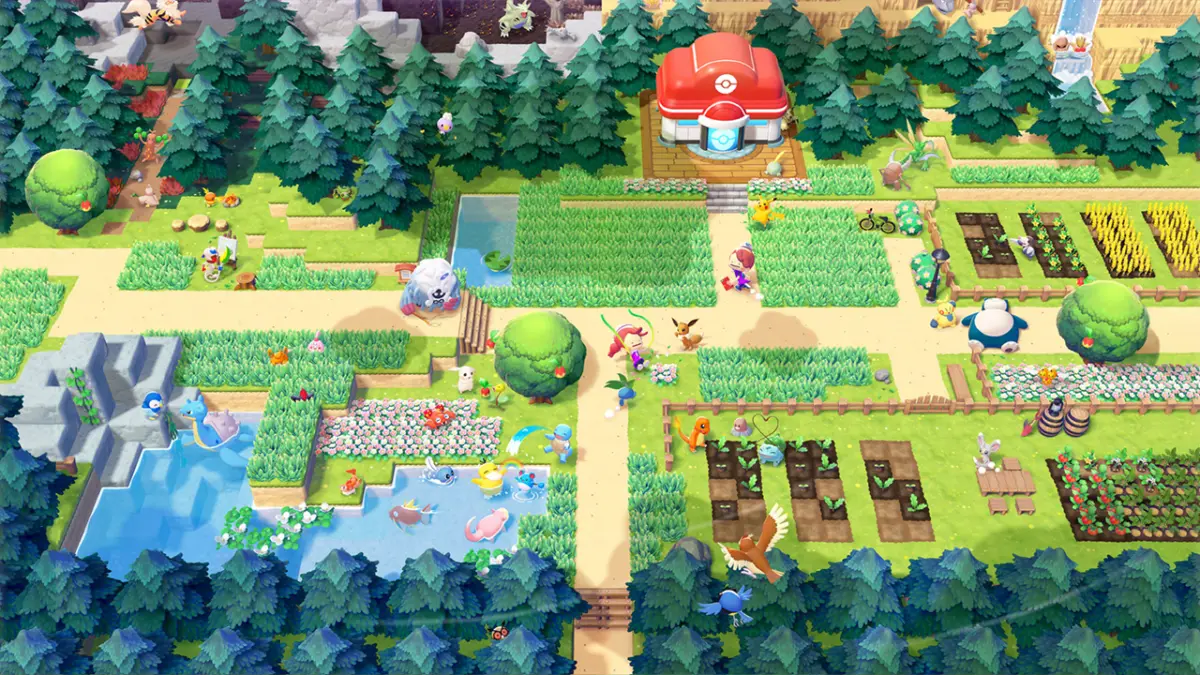
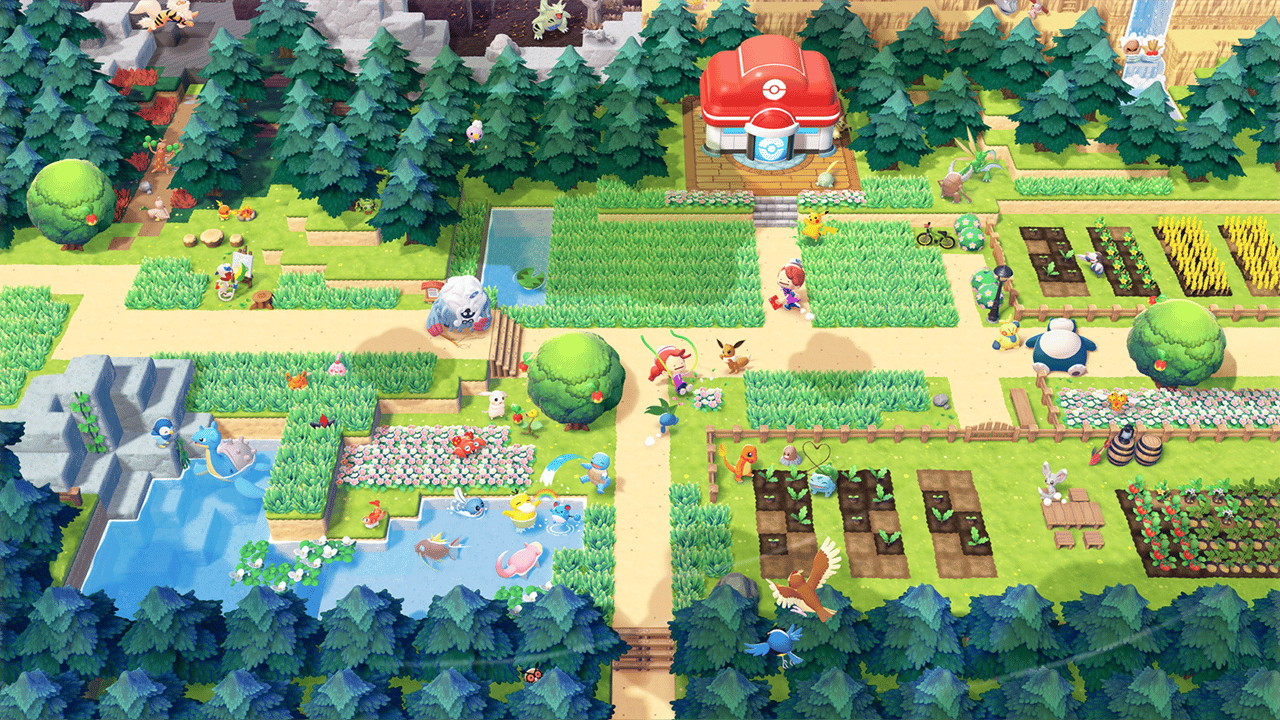
When the game officially launched on March 5, 2026, initial consumer response was immediate. Digital storefronts experienced heavy traffic, and physical retail outlets reported brisk morning queues, reminiscent of major mainline hardware and software rollouts. Unlike traditional battle-heavy entries, Pokopia invited players to collaborate with Pokémon to build, manage, and nurture idyllic rural communities, a thematic pivot that resonated deeply with post-pandemic gaming demographics craving relaxation and creative expression.
The Milestone to 5 Million (August 2026)
Over the subsequent five months, steady word-of-mouth recommendations, consistent post-launch community events, and targeted digital promotions propelled the game past the 5-million-unit threshold. According to joint disclosures from Nintendo and The Pokémon Company via Business Wire on August 13, 2026, this figure accounts for a comprehensive tally of both physical retail boxes sold and digital downloads executed across the Nintendo eShop globally.
Supporting Context & Metrics: The Switch 2 Ecosystem
To fully grasp the magnitude of Pokémon Pokopia‘s success, industry analysts must examine the broader hardware ecosystem in which it operates.
Hardware Synergy and Attachment Rates
Hardware transitions are notoriously perilous for console manufacturers. Convincing an audience to migrate from an established, highly saturated platform (such as the original Nintendo Switch) to unproven hardware requires a robust software lineup.
- Total Switch 2 Install Base (as of June 30, 2026): 23.68 million units.
- Total Pokémon Pokopia Sales (as of August 2026): 5 million+ units.
- Approximate Attach Rate: ~21.1%.
Achieving a greater than 20% attach rate within the first five months of a console’s lifespan is a rare feat in modern game publishing. It places Pokopia in an elite tier of system-sellers, proving that players were not merely buying the Switch 2 for upgraded technical specifications, but specifically for bespoke software experiences that could only be realized on the new architecture.
The Mechanics Driving Engagement
What makes these numbers particularly compelling is the game’s design philosophy. By shifting the player’s primary objective away from competitive combat and toward environmental cultivation, resource management, and social bonding with Pokémon, the developers unlocked a massive, underserved demographic. The game utilizes the Switch 2’s enhanced haptic feedback and fluid rendering capabilities to make interactions with over a hundred distinct Pokémon feel organic, responsive, and deeply satisfying—factors that heavily contributed to high retention and recommendation rates among players.
Official Statements and Industry Response
The unprecedented commercial milestone prompted coordinated corporate commentary emphasizing the collaborative nature of the project between Nintendo, Game Freak, and The Pokémon Company.
In a joint press release issued to global financial markets and media outlets, representatives from the publishing triumvirate expressed gratitude toward the global player base.

"We are profoundly humbled by the enthusiastic response from players around the world who have welcomed Pokémon Pokopia into their daily lives," noted executive spokespeople during the announcement. "By blending the charm of the Pokémon universe with immersive, community-building simulation mechanics, our development teams set out to create a space where players could unwind and express their creativity. Seeing over 5 million players build their ideal villages validates our vision for expanding the boundaries of how fans can interact with this beloved franchise."
Industry analysts have similarly lauded the move. Financial market watchers point out that while mainline Pokémon titles remain the financial heavyweights of the franchise, diversified spin-offs like Pokopia reduce creative fatigue, broaden the demographic umbrella, and secure recurring software revenue outside traditional release cycles.
Future Outlook: What Pokopia Means for the Next Era of Gaming
As Pokémon Pokopia stabilizes past its initial blockbuster phase, its long-term trajectory holds significant implications for both Nintendo and the wider games industry.
Potential for Expansion Content
With a thriving player base exceeding 5 million active users, the economic incentive for post-launch support is exceptionally high. Industry insiders anticipate announcements regarding seasonal downloadable content (DLC), expansions introducing additional regions or generations of Pokémon, and expanded multiplayer or community-sharing features. If supported with a robust roadmap akin to modern live-service titles—while maintaining its cozy, single-player/co-op integrity—Pokopia could easily sustain healthy revenue streams well into the late 2020s.
Blueprint for Future Spin-Offs
The commercial triumph of Pokopia serves as a flashing neon sign for intellectual property holders across the board: audiences are hungry for genre-crossing experiments grounded in familiar universes. As development costs soar and consumer tastes diversify, relying solely on traditional formulas carries increasing risk. Nintendo’s willingness to allow a flagship property like Pokémon to experiment within the life-simulation genre has paid massive dividends, offering a masterclass in how to modernize legacy franchises without alienating core enthusiasts.
As we look toward the remainder of 2026 and beyond, Pokémon Pokopia stands not just as a financial victory, but as a defining cultural pillar of the Nintendo Switch 2 era—proving that sometimes, the most profound adventures happen when you put down the Pokéball, pick up a watering can, and build a home together.