By Chris Kerr
Senior Editor, News, GameDeveloper.com
August 18, 2026
Executive Overview
The United States Senate has officially opened a comprehensive investigation into Roblox Corp., the developer behind the immensely popular user-generated gaming and virtual world platform, Roblox. Driven by mounting concerns regarding child safety, exploitation, and predation on the platform, lawmakers are turning a harsh spotlight on the company’s internal policies, moderation efficacy, and executive oversight.
Despite Roblox introducing a series of high-profile safety enhancements, age-gated accounts, and content restrictions over recent months, the platform continues to face heavy scrutiny from international governments and child protection advocates alike. The current congressional inquiry is spearheaded by Senator Josh Hawley, chairman of the Senate Judiciary Committee’s Subcommittee on Crime and Counterterrorism.
In a sharply worded letter addressed to Roblox Corporation CEO and founder David Baszucki, lawmakers argued that the public record demonstrates a systemic failure to protect the platform’s youngest and most vulnerable users. Citing a dramatic spike in suspected exploitation reports and a harrowing history of real-world crimes facilitated through the platform, the Senate has formally directed Roblox to preserve all relevant internal documents, communications, and safety data. As regulatory and legislative pressure intensifies on both sides of the border, the investigation signals a critical turning point for how major digital and virtual-world platforms are held accountable for child safety.
Detailed Chronology: From Platform Growth to Congressional Scrutiny
The trajectory that led the U.S. Senate to issue a formal congressional inquiry into Roblox is rooted in a decade of unprecedented expansion paired with persistent, high-profile moderation failures.
A Decade of Exploitation and Warnings
Over the past ten years, law enforcement agencies across the globe have arrested numerous individuals for committing severe acts of violence, grooming, sexual abuse, kidnapping, rape, and murder against minors whose initial contact occurred within Roblox digital spaces. While the platform has long marketed itself as a creative, educational metaverse for children and teenagers, its sprawling architecture—featuring millions of user-generated games, unmonitored text chats, and voice communication tools—has consistently proved attractive to bad actors.
The Turning Point: August 2026 Congressional Letter
The crisis reached a legislative tipping point on August 12, 2026, when the Senate Judiciary Committee’s Subcommittee on Crime and Counterterrorism published an aggressive investigative letter directed at David Baszucki. Signed by key legislative leaders, the correspondence asserted that public records raise "serious questions" regarding whether Roblox Corp. is fulfilling its foundational promises to safeguard children.
The letter highlighted that the platform is actively being exploited for illicit activities far beyond simple cyberbullying. According to the document, Roblox has been utilized to trade child sexual abuse material (CSAM), host sexually explicit and violent virtual experiences, extort and bribe minors into producing explicit self-generated content, and lure children into dangerous in-person meetings.
Preservation of Records and Directives
In response to these findings, the Senate did not merely issue a warning; it took binding procedural steps. Roblox Corp. has been formally directed to halt the deletion or alteration of any records, internal memos, safety metrics, or moderation logs that could be relevant to the ongoing investigation. The committee has made it clear that Congress intends to scrutinize how executive leadership weighed user safety against corporate engagement and revenue growth.
Supporting Context & Metrics: The Escalating Numbers
To understand the urgency behind the Senate’s investigation, one must examine the staggering volume of abuse data reported by Roblox itself. The sheer scale of user activity on the platform—consisting of tens of millions of daily active users, predominantly children—presents a monumental moderation challenge that critics argue the company has failed to adequately resource.
The NCMEC Statistics
The most damning evidence cited by the Senate committee originates from Roblox’s own reporting metrics submitted to the National Center for Missing & Exploiting Children (NCMEC).
- The 2025 Spike: In calendar year 2025 alone, Roblox Corp. officially reported 65,381 instances of suspected child sexual exploitation to NCMEC.
- Year-over-Year Growth: This figure represents a shocking trajectory, sitting at more than double the number of reports the company filed in 2024.
This exponential increase in reported exploitation cases undercuts Roblox’s public relations campaigns regarding its enhanced safety protocols. While company representatives often frame the rising report numbers as evidence of a more aggressive and efficient internal detection system, congressional investigators view the metric as an indicator of an unchecked, pervasive safety crisis that is spiraling out of control.
International Regulatory Pressures
The U.S. Senate investigation does not exist in a vacuum. It mirrors a broader, global wave of regulatory skepticism directed at virtual-world ecosystems. Just weeks prior to the Senate’s announcement, reports surfaced indicating that the federal government of Canada had escalated its own investigations and expressed deep concerns regarding child safety loopholes within Roblox. As international lawmakers share intelligence and regulatory frameworks, Roblox Corp. finds itself facing a multi-jurisdictional compliance nightmare.

Official Statements and Industry Reactions
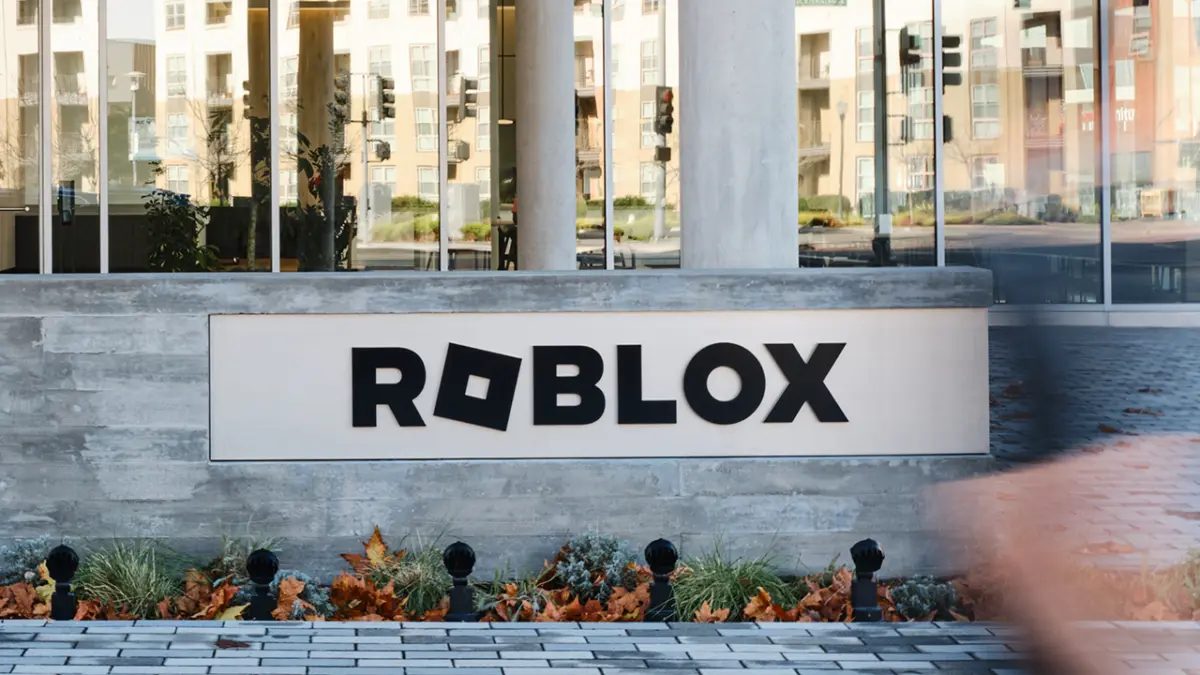
The collision between political oversight and corporate defense has yielded sharply contrasting narratives from Capitol Hill and Roblox’s corporate headquarters in San Mateo, California.
The U.S. Senate’s Stance
Senator Hawley and the Subcommittee on Crime and Counterterrorism have adopted an uncompromising posture. The closing paragraphs of their August 12 letter leave little room for ambiguity regarding congressional intent:
"Let us be clear: children on your platform are hurting. Congress will not look the other way. We await your prompt and complete response."
Lawmakers are explicitly pushing back against the foundational business model of user-generated content (UGC) platforms, where monetization is directly tied to user engagement, session length, and virtual currency transactions (Robux). The Senate’s core thesis is that Roblox has consistently deprioritized robust age-verification and active moderation in favor of financial growth and ecosystem expansion.
Roblox Corp.’s Defense
In swift response to the leaks and the publication of the Senate letter, Roblox leadership mounted a defense through public statements provided to media outlets like Kotaku.
Matt Kaufman, Chief Safety Officer at Roblox, issued a statement defending the company’s ethos and ongoing investments in platform security:
"Roblox is built on the foundation of safety. We do not compromise on that commitment. We look forward to sharing the facts about how we work to protect children on the platform."
Roblox representatives have frequently pointed to recent rollouts—such as age-based account classifications, stricter parameters for messaging younger users in unverified experiences, and upgraded AI-driven moderation tools—as proof of their proactive stance. However, the company now faces the difficult task of convincing federal investigators that these measures are sufficient to stem a tide of exploitation that has already resulted in tens of thousands of NCMEC referrals.
Future Outlook: What Lies Ahead for Roblox and the UGC Industry
The launch of the U.S. Senate investigation marks a critical watershed moment, not only for Roblox Corp. but for the broader interactive entertainment and metaverse industries.
Immediate Legal and Compliance Hurdles
Over the coming months, Roblox’s legal and compliance teams will be forced to compile and hand over vast quantities of internal data to the Senate Judiciary Committee. This process will likely expose internal debates among executives regarding safety budgets versus growth targets, potentially revealing damaging communications that could trigger further civil litigation or regulatory fines from agencies like the Federal Trade Commission (FTC).
Structural Changes on the Horizon
To survive this regulatory onslaught intact, Roblox may be compelled to implement radical structural overhauls that could fundamentally alter the user experience. Industry analysts suggest that potential outcomes of the investigation include:
- Mandatory, Friction-Heavy Identity Verification: Moving beyond self-reported ages or basic credit-card checks to robust, biometric, or government-ID-backed age verification for all users interacting with social features.
- Drastic Communication Restrictions: Bypassing open text and voice chat entirely for minors unless explicitly permitted by verified parental consent controls.
- Stricter Developer Monetization Penalties: Cracking down on independent developers who design experiences that skirt safety guidelines to capture young audiences.
A New Precedent for the Metaverse
As virtual worlds and user-generated gaming ecosystems continue to blur the lines between social media, gaming, and commerce, the outcome of the Senate’s investigation into Roblox will establish a powerful legal precedent. Lawmakers have signaled that the era of self-regulation for tech platforms hosting children is effectively over. For Roblox Corp., the path forward will require navigating intense legislative scrutiny while proving that a platform of its massive scale can truly be made safe for the millions of children who log on every day.