Executive Overview
The rapid, artificial intelligence-fueled expansion of hyperscale data centers has thrust the energy grid into uncharted territory. As developers transition from traditional 25-megawatt facilities to massive campuses exceeding 300 megawatts—and in some cases pushing past the 1-gigawatt threshold—the mechanics of powering these digital factories have fundamentally changed.
At the center of this transformation is EdgeCore Digital Infrastructure, a prominent developer-operator scaling massive projects across Arizona, Nevada, and Virginia. Amid mounting public scrutiny over rising electricity bills and grid reliability, EdgeCore maintains a firm stance: the company expects to foot 100% of the bill for the direct power infrastructure, transmission lines, and generation assets required to service its campuses.
Yet, while corporate pledges and executive commitments provide a reassuring baseline, the broader energy industry faces a far more complex financial puzzle. Where does direct, customer-specific infrastructure end, and where do broader regional grid upgrades begin? As utilities, state regulators, and tech giants grapple with cost-allocation frameworks, the intersection of data center expansion and ratepayer protection has become one of the most critical debates in modern energy infrastructure.
Detailed Chronology: The Evolution of Hyperscale Power Demands
To understand the current friction between data center developers and local utilities, one must trace the exponential growth curve of compute workloads over the past half-decade.
The Shift to Gigawatt-Scale Campuses
- The 25-Megawatt Standard (circa 2020): Five years ago, a large enterprise or hyperscale data center facility required roughly 25 MW of power. These loads could easily be integrated into existing urban and suburban substations without triggering major systemic overhauls.
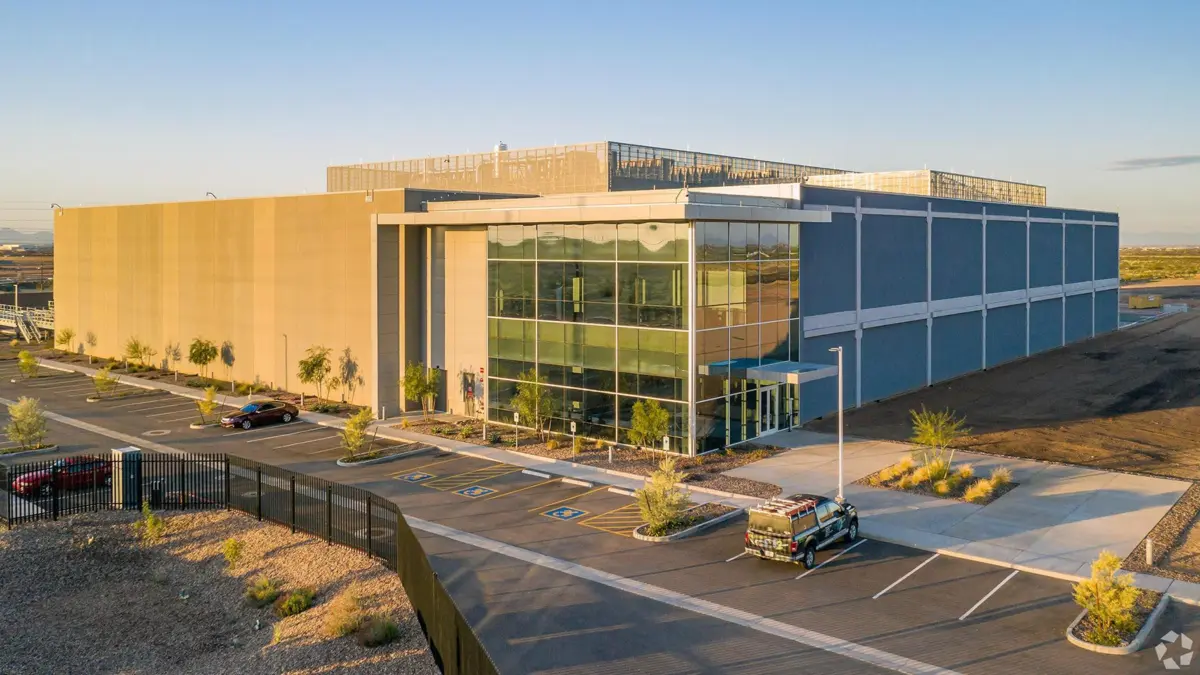
- The 300MW+ Paradigm Shift: Driven by cloud computing demands and, more recently, generative artificial intelligence infrastructure, average campus sizes have skyrocketed. EdgeCore’s current pipeline showcases this shift, featuring a 216 MW campus in Reno, Nevada; a 496 MW facility in Mesa, Arizona; and a staggering 1.1+ GW campus spanning Louisa County, Virginia—a project representing more than $17 billion in planned capital investment.
- Securing Capital in 2025: To back these massive footprints, developers have had to secure unprecedented levels of financing. EdgeCore made headlines this year by securing $1.5 billion in construction financing specifically for two fully leased hyperscale facilities in Northern Virginia.
Regulatory and Policy Milestones
- March 2025: The White House introduced the Ratepayer Protection Pledge, an initiative demanding that data center operators independently build, secure, or purchase the power required for their facilities, alongside covering all associated grid delivery and network upgrade costs.
- July 2025: The administration expanded the scope of the pledge to formally encompass local utilities, electrical cooperatives, state regulators, and data center developers. Around this same time, regional utilities began overhauling their operational frameworks. For instance, the Salt River Project (SRP) implemented its Large Customer Integration Process and updated its E-67 price plan to protect residential ratepayers from the speculative financial risks of unfulfilled large-load forecasts.
Supporting Context & Metrics: The Economics of Grid Integration
Financing the power infrastructure for a gigawatt-scale data center requires capital expenditure models that rival traditional heavy industry and energy sectors.
According to Julie Brewer, Executive Vice President of Finance at EdgeCore, power-related infrastructure typically accounts for roughly 5% to 10% of a project’s total upfront cost. While the company does not disclose project-level accounting figures, simple math reveals the massive scale: on a multi-billion-dollar campus buildout, power delivery and sub-station investments quickly scale into tens or hundreds of millions of dollars.
The Anatomy of a Dedicated Substation
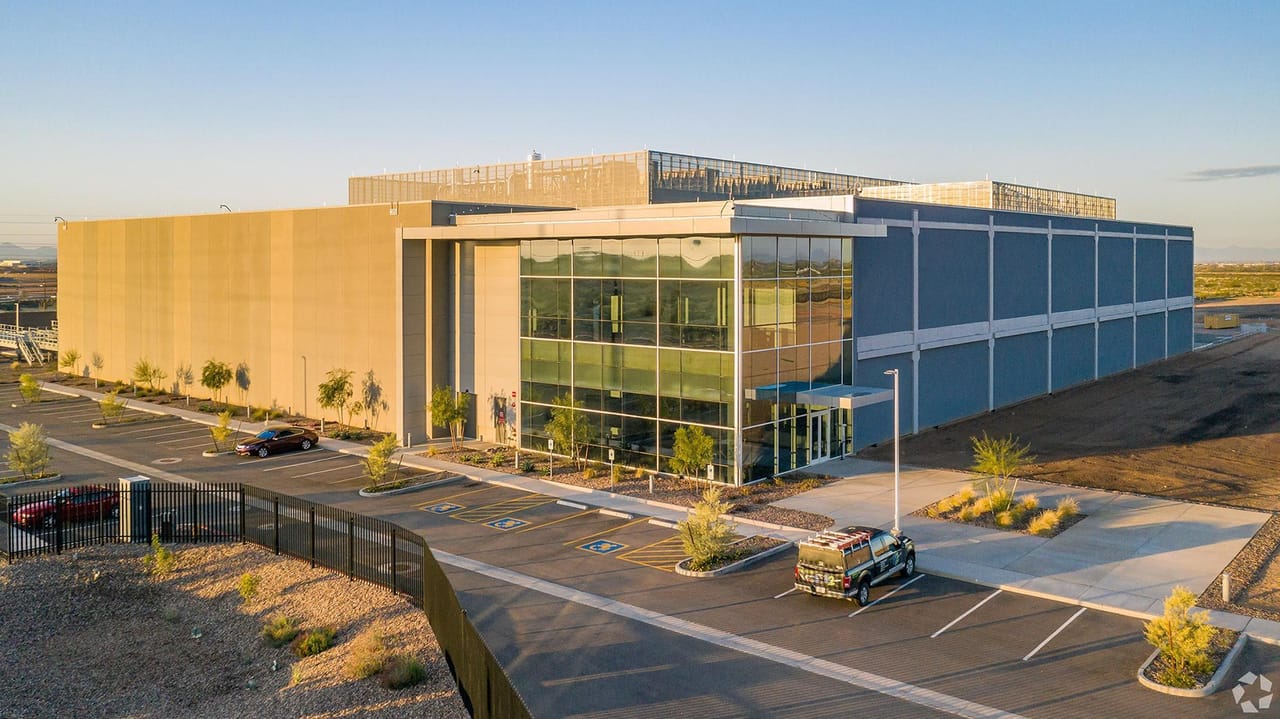
A prime example of how these campus power systems are structured can be found in Mesa, Arizona’s Elliot Road Technology Corridor. Public utility records illustrate how a commercial data center customer—identified through executive commentary as EdgeCore—interfaced with the Salt River Project:
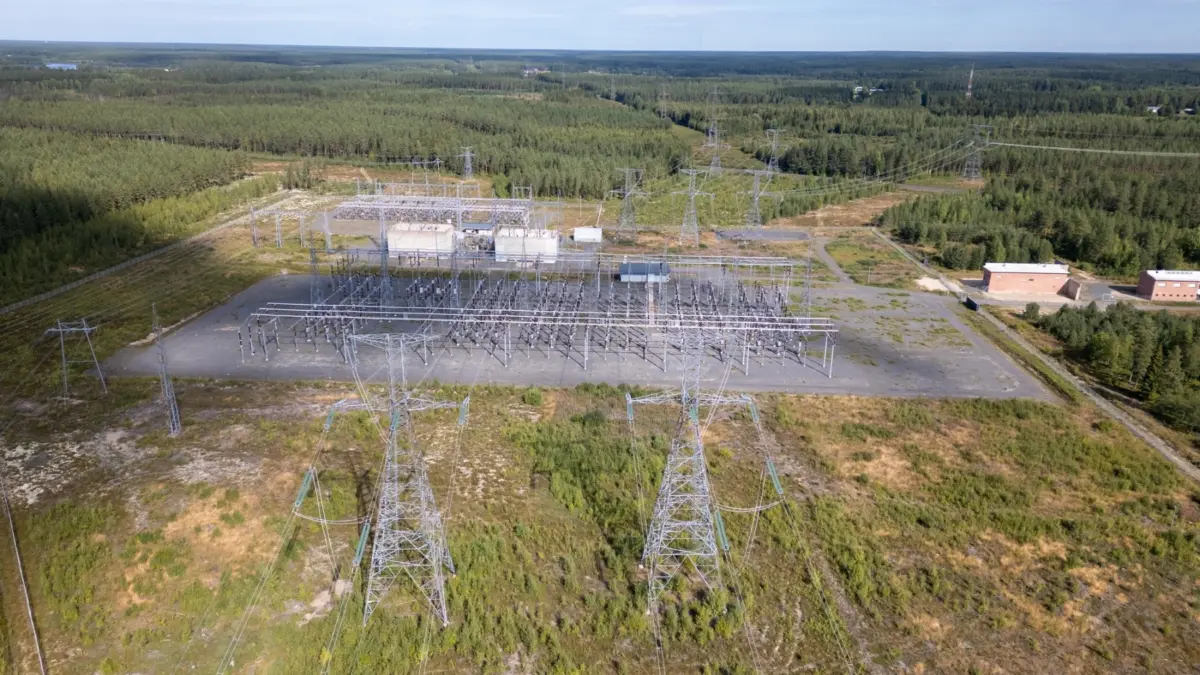
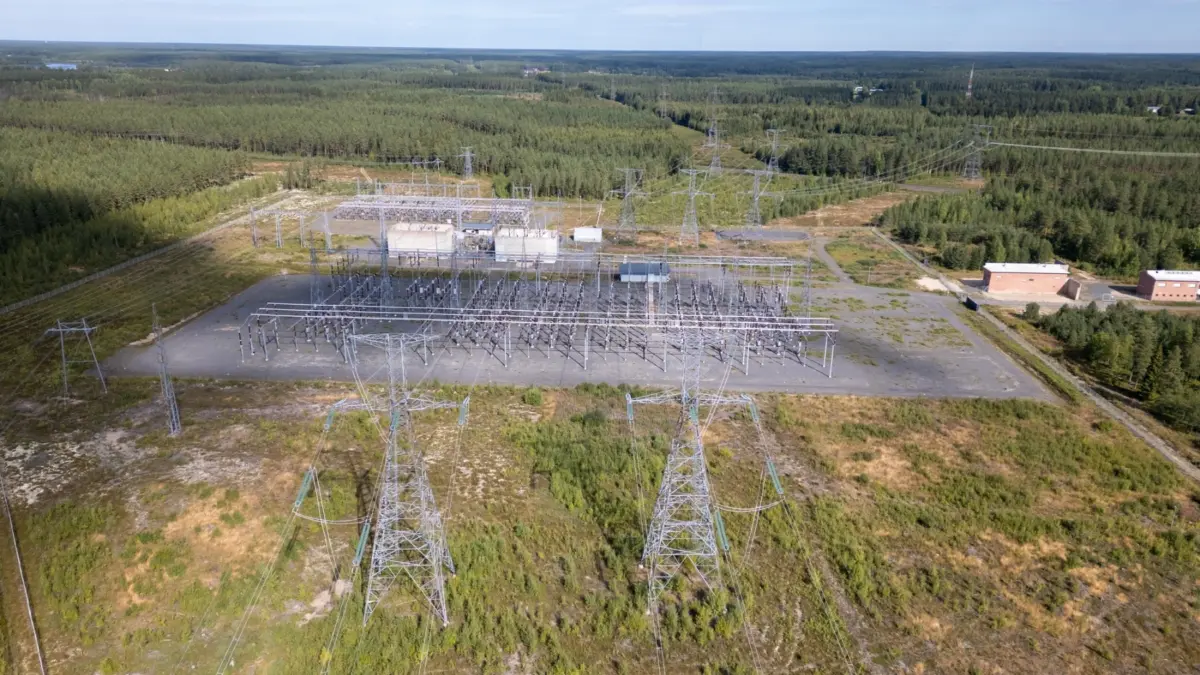
- The Hartman Substation: A customer-dedicated substation built to handle the initial loads of the campus.
- Transmission Extensions: A specialized five-pole, 69-kilovolt line extension designed to feed dedicated power directly to the facility.
- Capital Escalation: As EdgeCore expanded its Mesa campus beyond its initial 26 MW building, its financial commitments scaled in tandem, encompassing upfront deposits and construction costs for downstream transmission and generation assets.
The "Full-Cost" Allocation Dilemma
Despite clear agreements on dedicated infrastructure, industry analysts point out that defining "full cost" is legally and technically ambiguous.
Neil Osnato, founder of Persistence Analytics Group, emphasizes that while paying for a dedicated substation or local transmission line is straightforward, upstream grid impacts are far harder to isolate.
- Direct Costs: New substations, transformer banks, and dedicated line extensions. These are easily traced and billed directly to the data center operator.
- Indirect Costs: Upstream power flows, grid congestion, spinning reserve requirements, and regional transmission planning.
"The real cost-allocation question becomes: Which costs would not exist but for the data center, which costs produce broader regional benefits, and which investments were already needed for baseline reliability?" Osnato notes. While a developer can easily commit to paying identifiable incremental costs, proving prospectively that every cascading system cost has been accounted for remains a monumental challenge for utility regulators.
Official Statements and Industry Perspectives
EdgeCore’s Financial Commitment
Julie Brewer maintains that signing the White House Ratepayer Protection Pledge did not alter EdgeCore’s historic business model.
"Signing this pledge is a natural extension of the way we’ve done business historically," Brewer stated. "We expect to bear 100% of the costs [of the infrastructure required to deliver power]."
Brewer acknowledged that while the operational philosophy remains unchanged, the dollar values have exploded due to shifting scale. Furthermore, she noted that the company maintains strict financial boundaries: if power economics, structural complexities, or delivery risks render a project unviable, EdgeCore is prepared to walk away.
"Put bluntly, yes," Brewer responded when asked if the company would abandon a project based on adverse power economics, though she noted EdgeCore has not yet faced a complete project cancellation post-investment.
Utility Safeguards: The Salt River Project Model
Utilities are under immense pressure from consumer advocacy groups and state regulators to ensure that the AI boom does not inflate monthly bills for everyday families.
An SRP spokesperson emphasized the utility’s protective stance to industry reporters:
"We are committed to helping ensure new data centers in our service territory do not raise electric rates for residential customers."
Under SRP’s updated regulatory frameworks, large-load customers must pay upfront cost estimates for all required system upgrades. Additionally, the revised E-67 price plan mandates that customers forecasting at least 20 MW of demand must meet strict minimum billing thresholds—paying based on actual usage or 80% of their forecast demand, whichever is higher. This protects the utility from building massive generation capacity for tech clients who ultimately consume less power than projected.
Future Outlook: Defining Boundaries for the Next Decade
As the digital infrastructure landscape races toward multi-gigawatt deployments, the line separating private corporate responsibility from public utility stewardship will define the speed and success of the AI transition.
- The Generation Conundrum: While transmission and distribution costs are increasingly codified through developer tariffs and upfront capital deposits, the question of generation remains murky. Whether operators choose to build dedicated renewable microgrids, contract long-term power purchase agreements (PPAs), or fund utility-scale nuclear and natural gas plants, the mechanism for guaranteeing ratepayer insulation is still evolving.
- The Power of Tariffs vs. Pledges: Political pledges establish high-level corporate intent, but legally binding tariffs dictate day-to-day enforcement. State utility commissions will ultimately act as the arbiters, deciding whether complex regional grid enhancements are billed to hyperscalers or quietly absorbed into the public rate base.
- Project Viability Thresholds: With billions of dollars hanging in the balance, developers like EdgeCore are signaling that power availability and grid economics are now the primary bottlenecks in digital real estate. If transmission queues stall or regulatory costs become unpredictable, the willingness of operators to walk away from multi-billion-dollar investments could slow the pace of global compute expansion.
Ultimately, the gigawatt era cannot succeed without a synchronized partnership between tech innovators and energy providers. As long as developers continue to shoulder 100% of their direct infrastructure burdens while regulatory frameworks rigorously safeguard residential ratepayers, the grid may successfully weather the unprecedented electrical demand of the artificial intelligence revolution.