Executive Overview
The creator economy has officially graduated from a niche digital subculture into a multi-billion-dollar juggernaut that shapes global commerce, consumer behavior, and traditional entertainment. Recognizing this seismic shift, e-commerce and streaming titan Amazon is executing a massive strategic push into the space, aiming to bridge the gap between independent digital creators and enterprise-level brands.
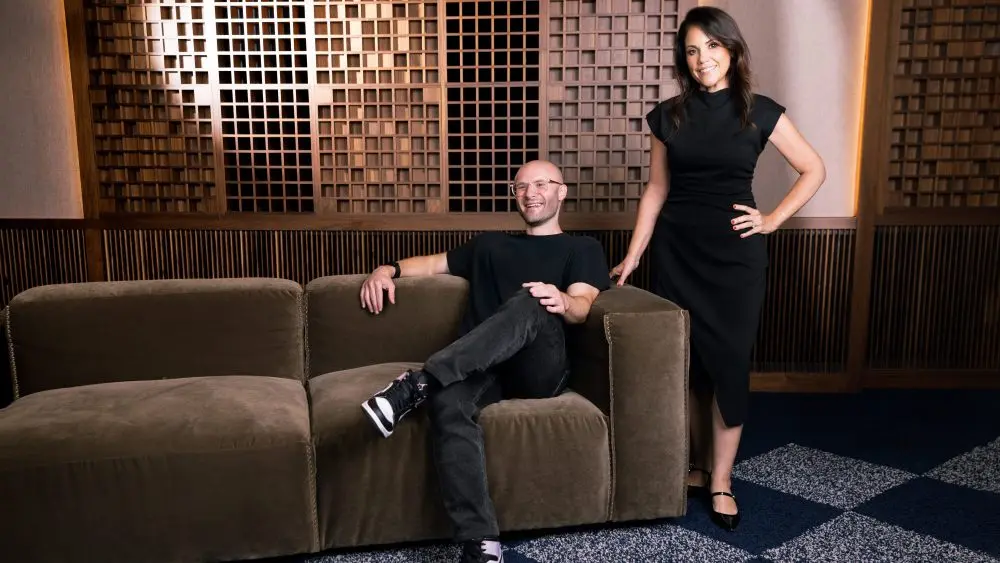
In a recent appearance on Variety’s “Strictly Business” podcast, two of Amazon’s primary architects in this arena—Matt Sandler, General Manager of Creator Services, and Angie More, Head of Creator Ad Partnerships—detailed how the digital giant is harnessing its vast ecosystem to empower a new breed of content entrepreneurs. By shifting the paradigm away from traditional, siloed sponsorships toward integrated e-commerce and full-funnel advertising campaigns, Amazon is positioning itself as the definitive infrastructure provider for the modern creator economy.
This comprehensive report explores Amazon’s ambitious strategy, examining how the company is moving past platform-specific limitations (such as YouTube views or Twitch subscriptions) to build scalable, durable businesses. Through case studies of high-profile partnerships—including NFL stars Jason and Travis Kelce’s podcast New Heights and multimedia powerhouse Keke Palmer—we analyze how Amazon is revolutionizing ad buying, measurement, and brand integration on a global scale.
Detailed Chronology: The Evolution of Amazon’s Creator Strategy
To understand Amazon’s current dominance and expansive roadmap in the creator economy, it is essential to trace how the company evolved its approach from fragmented digital marketing to a centralized, powerhouse service division.
Phase 1: The Grassroots Era of Platform Endorsements
For over a decade, major tech platforms treated creators as isolated traffic drivers. YouTube stars, Twitch streamers, and early-stage podcasters operated within walled gardens, relying primarily on programmatic pre-roll ads, basic affiliate links, and piecemeal brand sponsorships. During this era, Amazon’s involvement was largely transactional—primarily driven by the Amazon Associates affiliate program, which allowed digital publishers to earn commissions by embedding product links within their content. While effective for driving baseline online sales, this early model lacked strategic cohesion, leaving creators without institutional backing to scale their personal brands into enterprise businesses.
Phase 2: The Rise of the Content-First Entrepreneur
As social media platforms matured, the definition of a "creator" began to transform fundamentally. Content producers stopped viewing themselves merely as entertainers and started recognizing their power as independent business owners. Matt Sandler highlights this pivotal transition during his conversation on Variety’s podcast:
"Over the last year, we’ve seen creators and the conversation around creators and media change dramatically. Creators used to be thought of in kind of more digital endemic terms… And so we took a look at creators more so as entrepreneurs. They are the center of gravity for their businesses, and most of those businesses are rooted in some form of content…"
Recognizing that these digital stars possessed unprecedented cultural influence and deeply loyal fan communities, Amazon began developing dedicated infrastructure to support them. Instead of viewing creators as ad inventory, Amazon elected to treat them as holistic storefronts and cultural enterprises.
Phase 3: Building the Ecosystem (The Modern Creator Services Era)
In recent years, Amazon formalized its commitment through specialized divisions like Amazon Creator Services and targeted ad partnerships spearheaded by executives like Sandler and More. By consolidating its vast assets—spanning Prime Video, Twitch, Wondery, Amazon Music, and its colossal e-commerce infrastructure—Amazon created a singular pipeline. Creators could now anchor their digital presence in a podcast or livestream series while seamlessly launching physical product lines, consumer packaged goods (CPG), and exclusive lifestyle merchandise directly through custom Amazon storefronts.
Supporting Context & Metrics: The Mechanics of Modern Influencer Marketing
The economic landscape of influencer and creator marketing has undergone a radical transformation. Industry analysts estimate that the global creator economy is worth well over $250 billion, with millions of professional and semi-professional creators operating worldwide. However, despite this massive valuation, both creators and Fortune 500 brands have long grappled with systemic inefficiencies:
- Fragmentation of Ad Spend: Advertisers struggled to attribute ROI accurately from social media campaigns that lived entirely off-site on platforms like TikTok, Instagram, or YouTube.
- Monetization Caps: Creators often hit a ceiling where ad-revenue-sharing models failed to sustain their growing production teams and operational costs.
- Friction in the Customer Journey: Consumers inspired by a creator’s recommendation were frequently forced to navigate cumbersome third-party checkout flows, leading to high drop-off rates before a purchase was finalized.
Amazon’s strategic intervention solves these pain points by offering a closed-loop ecosystem. When a brand partners with an Amazon-backed creator, the journey from content consumption to checkout happens within a frictionless, highly trusted retail environment.
Furthermore, Amazon’s advanced data analytics and attribution capabilities provide enterprise brands with the granular metrics they demand. Marketers no longer have to rely solely on vanity metrics like "likes," "shares," or estimated impressions; they can track precise conversion data, average order values, and long-term customer lifetime value (LTV) generated by a specific creator’s audience.
Official Statements and Case Studies: Real-World Execution
During their interview on Variety’s “Strictly Business,” Matt Sandler and Angie More illuminated how Amazon brings its grand vision to life through high-profile, multimedia collaborations. Two prime examples highlight the depth of these partnerships: the Kelce brothers’ New Heights empire and Keke Palmer’s multi-platform media footprint.
Case Study 1: The Kelce Brothers and "New Heights"
The cultural phenomenon surrounding NFL brothers Jason and Travis Kelce—accelerated by their powerhouse podcast New Heights—exemplifies the modern creator-led business model. Rather than treating the podcast as an isolated audio feed, Amazon and its partners built an entire commercial ecosystem around the show.
Central to this strategy is the Amazon-built e-commerce storefront Kelce Clubhouse. This custom digital marketplace curates a vast range of fan and lifestyle merchandise. Crucially, the product offerings extend far beyond traditional sports memorabilia, incorporating broader lifestyle goods that resonate with the show’s massive, diverse demographic. By managing the storefront and fulfillment via Amazon’s logistics network, the creators can scale their merchandising operations effortlessly without sacrificing quality or shipping speed.
Case Study 2: Keke Palmer’s Multifaceted Media Expansion
Versatile actress, host, and entrepreneur Keke Palmer represents another blueprint for modern creator success. Through her collaboration with Amazon Creator Services, Palmer expanded her hit podcast, “Baby, this is Keke Palmer,” into a far-reaching commercial and digital footprint.
The partnership extends deep into the Amazon-verse, including an agreement for Palmer to stream live on Twitch twice a month. This multi-platform approach allows Palmer to capture audiences across audio, live interactive streaming, and e-commerce, creating multiple touchpoints for brand partners looking to engage with her highly responsive fan base.
Closing the Customer Loop: The Brand Perspective
For major advertisers, navigating the creator economy has historically felt like navigating the Wild West. Angie More emphasized that Amazon’s primary value proposition to these brands is the ability to connect the dots seamlessly:
"What a lot of our advertisers are looking to us of like, how do you close the full loop of that customer journey throughout leveraging [Amazon’s] incredible creator suite and the connective tissue between a creator and their fan community… We’re really working with brands and creators and tech and we’re really focused on telling that story and helping really shape where this industry goes from a measurement and impact perspective."
By providing robust measurement tools, Amazon transforms creator marketing from an experimental brand-awareness play into a predictable, performance-driven customer acquisition channel.
Future Outlook: Where the Creator Economy is Headed
As Amazon deepens its footprint in the creator economy, the implications for the broader entertainment, tech, and retail landscapes are profound. Several key trends are expected to define the next era of creator-brand dynamics:
1. The Convergence of Content and Commerce
The line between media consumption and online shopping will continue to blur. Livestream shopping, pioneered extensively in Asian markets, is gaining strong traction in Western territories through platforms like Twitch and Amazon Live. Creators who master the art of live, interactive commerce while backed by Amazon’s robust checkout infrastructure will set the standard for retail conversion.
2. Institutionalization of Creator Businesses
As creators scale into true CEOs managing dozens of employees, physical product lines, and global brand partnerships, they will increasingly require institutional partners. Companies that offer end-to-end solutions—spanning content distribution (via podcast networks and streaming services), supply chain logistics, and advanced advertising tech—will capture the lion’s share of the market. Amazon is uniquely positioned to serve as this all-in-one institutional partner.
3. Advanced Attribution and Accountability
As advertising budgets face tighter scrutiny in fluctuating economic climates, brand marketers will demand absolute transparency regarding campaign performance. Amazon’s ability to connect top-of-funnel creator influence directly to bottom-of-funnel retail purchases will likely force competing tech platforms and social media giants to overhaul their own attribution and commerce tools.
Conclusion
Amazon’s strategic push into the creator economy, as articulated by Matt Sandler and Angie More on Variety’s “Strictly Business” podcast, represents a watershed moment for digital media and retail. By viewing creators not merely as influencers, but as sophisticated entrepreneurs at the center of thriving business ecosystems, Amazon is successfully bridging the gap between independent digital talent and enterprise brands.
Through robust infrastructure, seamless e-commerce integration, and rigorous measurement tools, Amazon is setting a new gold standard for how media, culture, and commerce intersect in the 21st century. As high-profile partnerships like New Heights and Keke Palmer continue to prove, the future belongs to those who can successfully close the loop between audience passion and scalable retail action.
“Strictly Business” is Variety’s weekly podcast featuring conversations with industry leaders about the business of media and entertainment. New episodes debut every Wednesday and can be downloaded across all major podcast platforms, including Apple Podcasts, Amazon Music, Spotify, and SoundCloud.