By Chris Kerr
Senior Editor, News, GameDeveloper.com
August 12, 2026 | 3 Min Read
Executive Overview
The high-profile visit of Xbox CEO Asha Sharma to Bethesda’s headquarters in Rockville, Maryland, intended to offer executives a sneak peek at the highly anticipated The Elder Scrolls VI, was thoroughly upstaged on August 11, 2026. Instead of a routine corporate walkthrough, leadership was greeted by a powerful, highly visible demonstration organized by the Communications Workers of America (CWA) union.
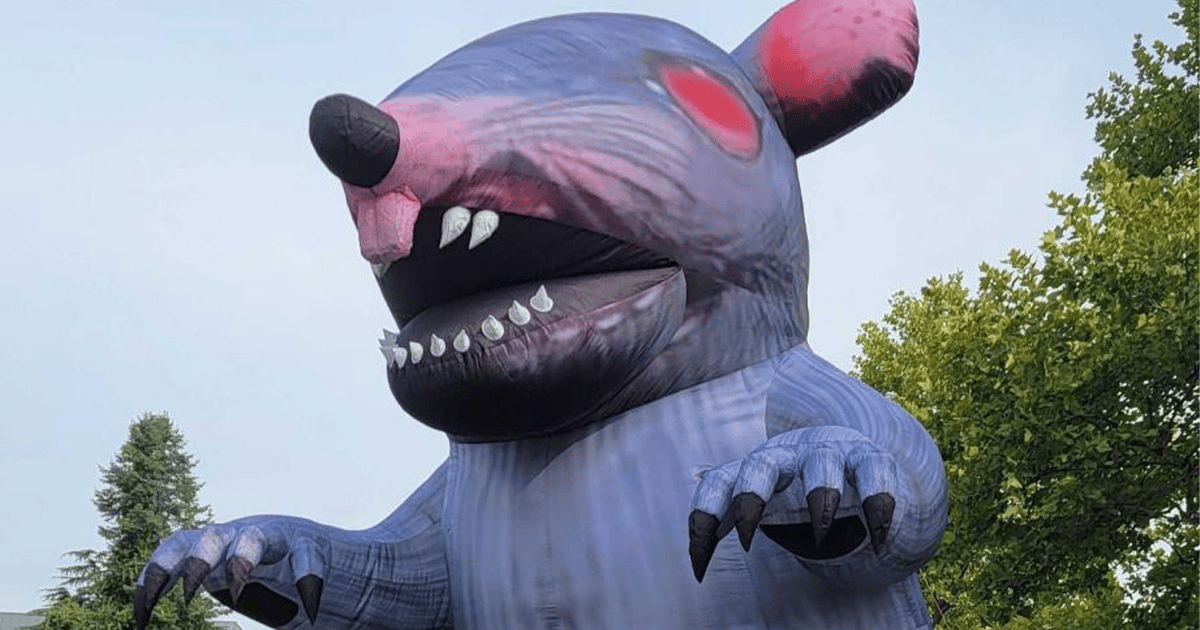
Deploying the labor movement’s iconic giant inflatable rat—universally known as "Scabby"—alongside a sea of striking red flags, union members and supportive developers sought to force executive leadership to confront the harsh human toll of ongoing, sweeping layoffs within Microsoft’s gaming division.
The protest highlights a deepening fracture between tech conglomerates and their creative talent. With Microsoft cutting thousands of jobs amidst shifting economic landscapes and aggressive corporate restructuring, workers are increasingly mobilizing through collective bargaining, public demonstrations, and legal challenges to protect their livelihoods and the future of the games industry.
Detailed Chronology: A Tense Encounter in Rockville
The confrontation outside Bethesda Softworks’ Rockville offices began early in the morning as word spread that Xbox CEO Asha Sharma was scheduled to tour the facility. For workers inside, the visit felt like a tone-deaf exercise in corporate optimism given the devastation left in the wake of recent restructuring announcements.
The Escalation of Workplace Tension
According to statements provided to Game Developer by OneBGS-CWA union member Nathan Hahn, local management immediately attempted to suppress internal dissent as workers tried to make their presence known.
- Internal Restrictions: Employees initially attempted to display supportive posters within their cubicle spaces. Management quickly stepped in, issuing a direct directive prohibiting any signage or posters facing outward toward the office windows or hallways.
- A Shift in Tactics: Undeterred by the interior censorship, workers pivoted to bringing in balloons to signal their presence visually from within their workspaces.
- The Outside Demonstration: Simultaneously, a dedicated team of recently laid-off developers and their allies executed a striking visual display outside the building’s perimeter. They planted a sea of red flags—one for every single developer cut from the roster during the latest wave of layoffs. Each flag stood as a stark, physical reminder of a displaced colleague, friend, and peer.
"We heard that Microsoft leadership was coming to our office this week, and decided to make our presence visible at the office to show how our developers have been impacted by these devastating layoffs," Hahn explained. "Each flag was a public reminder of how many people management cut from our teams—not just our colleagues and coworkers, but our friends at the end of the day."
Supporting Context & Metrics: The Anatomy of a Crisis
The protest in Rockville is not an isolated incident; rather, it is the boiling point of a systemic labor crisis that has gripped Microsoft’s gaming division over the past three years.
The Scale of Microsoft’s Job Cuts
In July 2026, Xbox CEO Asha Sharma confirmed a devastating corporate strategy: Microsoft plans to eliminate 3,200 jobs across its entire video game division by the end of the current fiscal year. This grim milestone marks the fifth major round of mass layoffs at Xbox within a three-year window.
The cuts hit immediately across major marquee studios under the Microsoft corporate umbrella, including:
- Obsidian Entertainment
- id Software
- ZeniMax Online Studios
- Double Fine
- Compulsion Games
- Ninja Theory
- Undead Labs
The Reach of the CWA
The Communications Workers of America represents a massive swath of the modern gaming workforce. CWA-affiliated members include developers, software engineers, technical artists, producers, user experience (UX) researchers, and critical quality assurance (QA) and customer support staff. These workers are the backbone behind some of the most lucrative and culturally significant franchises in the world, including Call of Duty, Overwatch, and World of Warcraft.
The normalization of mass layoffs across major tech and gaming giants has created a climate of profound job insecurity, prompting workers who historically shied away from organized labor to unionize at unprecedented rates.
Official Statements and Labor Response
The CWA has escalated its strategy from workplace organizing to aggressive public mobilization and direct legal intervention.
Worker Solidarity and Industry Accountability
Nathan Hahn emphasized that the union’s mobilization goes beyond securing severance or transitional support for those already let go; it is a battle for the very soul of game development.
"We’re mobilizing to fight back against these layoffs not just to ensure impacted Xbox devs and testers get treated fairly, but to remind our company and game studios everywhere that layoffs like this cannot continue. If Microsoft leadership does not have the courage to do what’s right for our studios to make the best possible games, it’s up to us to stand up for each other and protect the future of our careers and the game industry."
Legal Challenges and Regulatory Scrutiny
The friction between Microsoft and its workforce has extended far beyond the picket line and into the courtroom. CWA labor unions in both the United States and Canada have formally initiated legal action against Microsoft, alleging severe procedural violations and the mishandling of recent job reductions.
Speaking to Game Developer in July, CWA Canada President Carmel Smyth did not mince words regarding the manner in which the latest cuts were executed:
"The company unlawfully fired people without giving notice to or discussing it with the union."
Such legal actions test the boundaries of labor law in the tech sector, where rapid acquisitions and subsequent restructurings have often outpaced the legal protections afforded to digital workers.
Future Outlook: What Lies Ahead for Xbox and Industry Labor
The demonstration at Bethesda’s Rockville office serves as a clear warning shot to executive leadership across the tech and gaming sectors: workers are no longer willing to accept silent attrition or corporate restructuring as an inevitable cost of doing business.
Upcoming Demonstrations
The tension is poised to escalate further in the coming days. The Rockville protest followed closely on the heels of international "Save Our Devs" rallies held by CWA members outside Xbox offices across the United States and Canada.
A massive wave of coordinated rallies has been officially scheduled for August 18, 2026, targeting Xbox and subsidiary studios across a sprawling geographic footprint:
- Irvine, California
- Austin, Texas
- Dallas, Texas
- Seattle, Washington
- Albany, New York
- Rockville, Maryland
- Hunt Valley, Maryland
- Montreal, Quebec
- Minneapolis, Minnesota
The Broader Industry Implications
As studios like Bethesda continue production on tentpole releases like The Elder Scrolls VI, the moral and operational friction between corporate leadership chasing profit margins and developers striving for creative stability will remain a defining storyline of the mid-2020s.
Whether these high-profile protests and ongoing legal battles will force a fundamental shift in how tech conglomerates manage workforce reductions remains to be seen. However, one thing is certain: the era of quiet, unchallenged corporate layoffs in the video game industry has officially come to an end.
About the Author: Chris Kerr is an award-winning reporter with over a decade of experience covering the video game industry. His byline has appeared in Edge, Stuff, Wireframe, International Business Times, and PocketGamer.biz.