By James Walker, Executive Editor, Data Center Knowledge August 4, 2026
Executive Overview
The global acceleration of artificial intelligence infrastructure is reshaping physical geography, energy markets, and local regulatory frameworks at an unprecedented pace. Throughout mid-2026, the data center industry has pivoted from an era of speculative capital expenditure to an urgent, high-stakes race for immediate power, high-density connectivity, and rapid infrastructure monetization.
As hyperscalers and specialized neocloud providers confront a widening gap between soaring AI compute demand and grid capacity, investments are no longer measured in millions, but in tens of billions of dollars. From multi-gigawatt superclusters in rural North America and renewable-powered hubs in Scandinavia to massive port developments in Brazil and floating modular marine facilities in the Asia-Pacific, the data center landscape is entering a transformative, utility-grade epoch.
This comprehensive review examines the major strategic developments, architectural breakthroughs, and regional policy challenges that defined the industry over the past month.
Detailed Chronology of Regional Developments
North American Mega-Deals and Hyperscale Transformations
In North America, AI infrastructure continued to dominate planning pipelines as major technology companies refined their infrastructure strategies during Q2 2026 earnings disclosures. Industry leaders including Microsoft, Alphabet, and Meta shifted their strategic focus away from aggregate capital expenditures toward a granular focus on "time-to-energy," massive networking configurations, power procurement strategies, and the speed of converting physical concrete into revenue-generating compute power.
Amazon announced plans to further increase its AI infrastructure spending for the year, warning stakeholders that capacity will likely continue to trail customer demand well into the future. Against this backdrop of intense competition, reports surfaced that Amazon is advancing "Project Eagle," a four-building data center campus slated for Wharton County, Texas.
Meta advanced two monumental initiatives that signal the integration of hyperscale computing into utility-grade infrastructure:
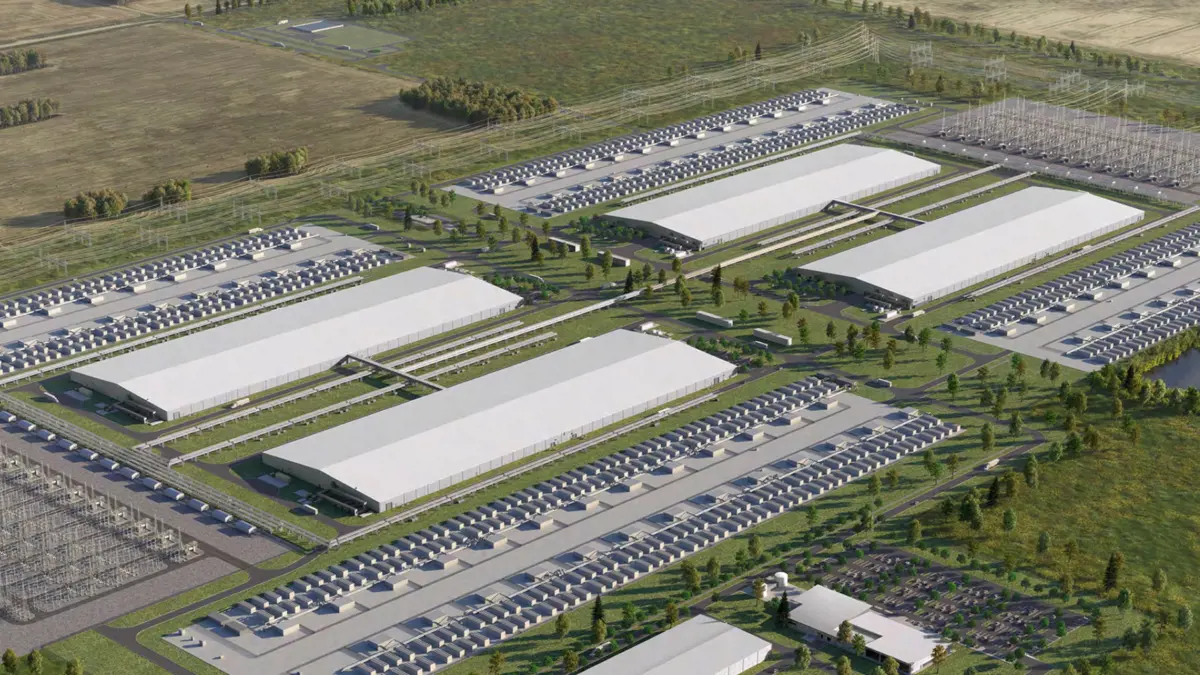
The Hyperion Expansion: In northeast Louisiana, Meta is dramatically scaling up its Hyperion campus into a projected 5-gigawatt (GW) AI supercluster. Utility planners and independent analysts note that a project of this magnitude approaches the electrical draw of a major metropolitan area, carrying profound implications for regional power grids.
Sturgeon County, Alberta: Marking its first Canadian data center investment, Meta committed more than $9 billion to a 1-GW AI campus in Alberta. The development is expected to draw approximately 3,000 construction workers at its peak and support over 300 permanent operational roles.
Meanwhile, OpenAI unveiled Project Camellia, a long-term infrastructure initiative sited in Effingham County, Georgia. Investigations by Data Center Knowledge revealed that Georgia Power had documented a massive 3,200-megawatt (MW) customer commitment months prior to the public announcement, closely aligning with the anonymized project timelines reviewed by state regulators.
Latin American Expansion: Renewable Power in the Amazon and Brazil
Latin America has emerged as a fertile ground for high-capacity, sustainably powered data center architecture.
Elea Data Centers, operating in strategic partnership with AXIA Energia, announced the Amazon region’s first "AI-neutral" data center facility in Belém, Brazil. Slated to go live in the second quarter of 2027 with an initial 7.5 MW capacity, the facility is designed to run entirely on regional renewable energy sources.
Further north along the Brazilian coast, ByteDance reportedly initiated construction on a staggering $38.4 billion data center at the Pecém port complex in Ceará. Designed with an initial capacity of 200 MW and a long-term expansion horizon reaching nearly 1 GW, the facility is positioned to become ByteDance’s largest infrastructure footprint outside of mainland China.
European Innovations: Nordic Hubs and UK Policy Friction
Europe—and Scandinavia in particular—solidified its position as a premier destination for sustainable, climate-optimized AI infrastructure.
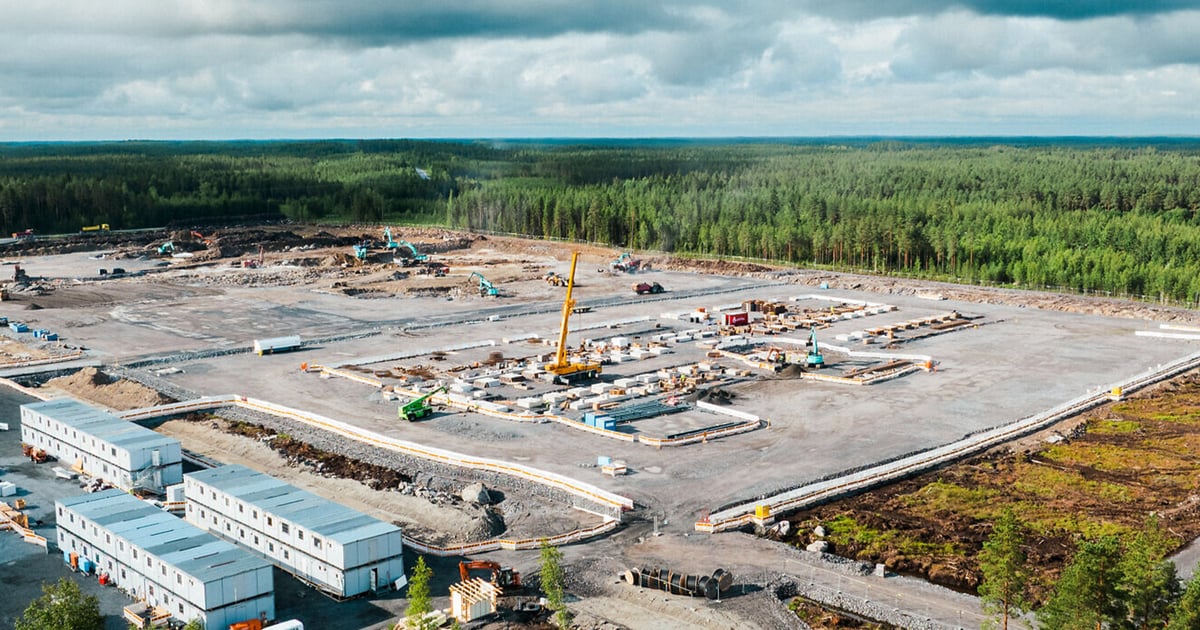
Pure Data Centres Group launched one of the largest infrastructure projects in Finland’s history, and the largest ever undertaken by a UK firm in the region. Phase 1 commits €1.5 billion ($1.7 billion) toward a 110 MW AI campus in Seinäjoki, with a total potential capital expenditure scaling up to €7.5 billion ($8.6 billion) for a facility exceeding 550 MW. Industry analysts point to Finland’s cool climate, abundant renewable energy grid, and favorable corporate tax frameworks as core drivers of this Nordic boom.
Additional Scandinavian developments include:
Sandnes, Norway: Microsoft reportedly acquired a 64-acre plot for a 25 MW data center project.
Narvik, Norway: Nscale and Nordkraft established a joint venture, Nordscale Operations, to manage local data center operations, combining Nscale’s global AI expertise with Nordkraft’s regional energy proficiency.
In the United Kingdom, newly prominent political shifts—exemplified by Prime Minister Andy Burnham’s focus on homegrown AI and regional digital autonomy—have introduced both momentum and friction. While national leaders champion digital expansion, local planning disputes, a proposed transformation of Microsoft’s underused Thames Valley Park headquarters into a gas-powered facility, and regional moratoriums continue to test the resilience of the UK’s development pipeline.
Asia-Pacific Horizons: Floating Infrastructure and Multi-Gigawatt Networks
The Asia-Pacific region showcased some of the most technologically inventive engineering concepts of the period, bridging marine architecture and continental grid scale.
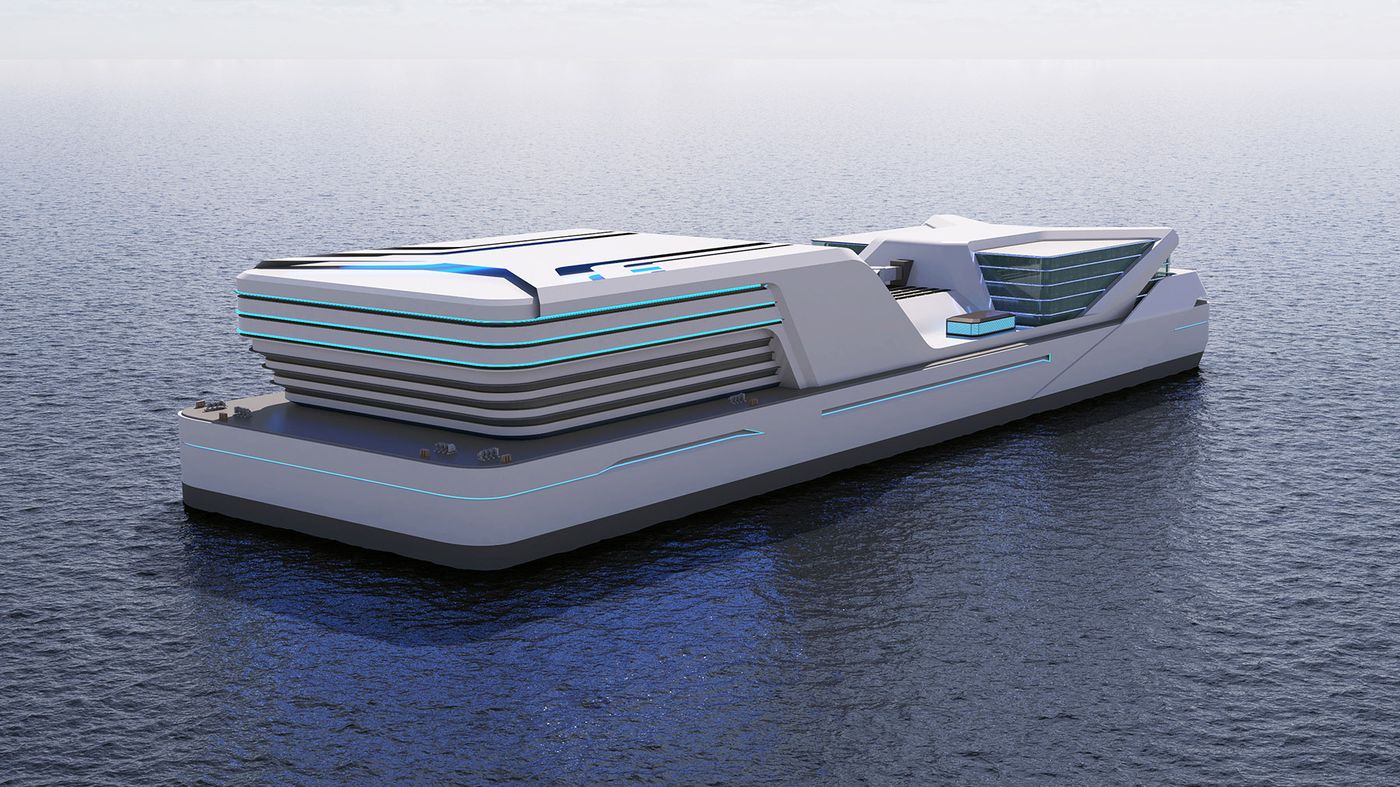
Samsung Heavy Industries (SHI) signed a formal engineering agreement with Texas-based infrastructure developer Mousterian Corporation to advance factory-built, moored floating data centers optimized for high-density AI workloads. Initially unveiled at the Posidonia 2026 exhibition, each floating unit is engineered to deliver 50 MW of critical IT capacity, with initial deployments targeted at coastal US markets including Texas.
In South Asia and Southeast Asia, hyperscale capacity continued to scale rapidly:
AWS Hyderabad Expansion: Amazon Web Services advanced its broader $48 billion investment commitment to India, allocating $21 billion specifically toward cloud and AI infrastructure through 2030.
Nippon Gateway Infrastructure: DigitalBridge Group and Japan Extensive Infrastructure formed NGI, a new colocation platform built upon data center assets acquired from NEC Corporation in Japan.
Batam Island & Australia: DayOne partnered with Firmus Technologies to build a 360 MW campus on Indonesia’s Batam Island to serve Singapore’s overflow demand. Simultaneously, Firmus secured a major 12-year, 600 MW energy supply agreement with Gunvor Group to fuel Project Southgate, its large-scale AI factory initiative in regional Australia.
Middle East and Africa: Neocloud Investments and Sovereign Cloud Projects
Investment momentum remained robust across the Middle East and Africa, driven by sovereign cloud initiatives and neocloud expansion.
In Israel, US-based neocloud provider Crusoe leased an additional 100 MW of data center capacity across three strategic sites, bringing its total planned Israeli investment to $10 billion over the next decade. The expansion relies on collaborative agreements with local firms Anan Group and MegaDC.
In North Africa, Egypt authorized Hassan Allam Digital Infrastructure to establish and operate advanced cloud computing facilities, committing an initial $400 million to serve government, banking, and commercial sectors. Meanwhile, in West Africa, Daystar Power expanded its solar footprint across Nestlé facilities in Côte d’Ivoire, Ghana, and Senegal, while Cybastion secured a $170 million authorization from the government of Côte d’Ivoire to construct a sovereign national data center and smart border security platform.
Supporting Context & Metrics
To contextualize the scale of these multi-billion-dollar investments, industry analysts highlight several critical metrics defining the 2026 economic environment:
Capital Deployment Velocity: Hyperscale capital expenditure is increasingly front-loaded toward power procurement and land banking. Projects exceeding 1 GW—such as Meta’s Hyperion and Sturgeon County developments—now routinely command investments ranging from $8 billion to upwards of $38 billion over their lifecycle.
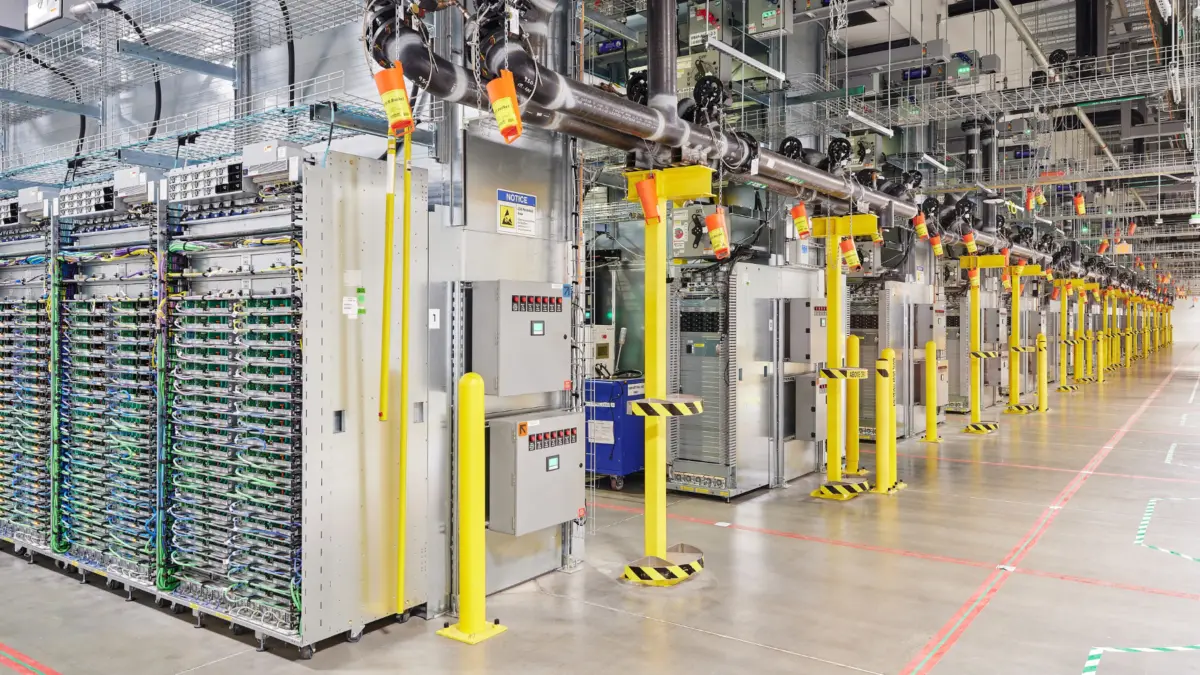
Power Density Shifts: Traditional enterprise data centers averaging 5kW to 10kW per rack have been rendered obsolete by high-density AI server deployments, which regularly require 40kW to over 100kW per rack, necessitating a total redesign of liquid-cooling and electrical distribution systems.
Grid Strain and Renewable Integration: With regional grids facing unprecedented load demands, developers are increasingly forced to co-locate facilities directly with renewable energy generation assets, ranging from geothermal and hydro in Scandinavia to utility-scale solar arrays in West Africa.
Official Statements and Industry Perspectives
The urgency characterizing the current development cycle was underscored by executive commentary throughout the quarter:
"The race for AI infrastructure has permanently shifted from a question of aggregate capital availability to a strict discipline of time-to-energy and high-density execution. Securing power ahead of the curve is the single greatest determinant of market leadership."
— Industry Infrastructure Analyst Report, Q2 2026
Developers and utility partners alike have emphasized that traditional municipal permitting playbooks are no longer adequate for multi-gigawatt facilities. Early community engagement, transparent developer-funded grid upgrades, and proactive environmental disclosures are rapidly becoming mandatory prerequisites for project approval across North America and Europe.
Future Outlook
Looking forward, the global data center industry faces a complex balancing act. While technological innovation—such as Samsung’s floating modular marine units and advanced liquid-cooled AI clusters—pushed the boundaries of engineering, the physical limitations of electrical grids and water resources will test developer resolve.
Regulatory tightening across multiple US states, water availability crises in key markets like Virginia, and community pushback in Western Europe suggest that future buildouts will require unprecedented levels of transparency and engineering ingenuity. Success in the latter half of the decade will belong to operators who can successfully synchronize rapid AI compute deployment with sustainable, grid-friendly energy solutions.