






Executive Overview
The global energy landscape is undergoing its most profound structural shift since the Industrial Revolution, yet the narrative of an inevitable, frictionless transition to an electrified future is proving to be a dangerous oversimplification. According to landmark data from the International Energy Agency (IEA), the world’s reliance on electricity for final energy consumption—the energy consumed directly by end users in homes, factories, and vehicles—has climbed substantially. In the year 2000, electricity accounted for just 16.7 percent of global final energy consumption. By 2025, that figure has risen to 23.4 percent.
This upward trajectory reflects an accelerating global consensus around decarbonization, driven by plummeting costs for solar and wind technologies, mandates for electric vehicles (EVs), and a growing corporate commitment to net-zero emissions. However, beneath these aggregate macroeconomic figures lies a deeply uneven and contested reality.
Geographically, the momentum is fractured. While emerging powerhouses like China have aggressively integrated renewables and electrified vast swaths of their industrial and transport sectors, other regions—most notably North America—have experienced comparatively sluggish transformations. This divergence is not accidental; it is the product of varying policy frameworks, resource endowments, and industrial strategies.
More importantly, leading energy-systems researchers caution against viewing this trajectory as a self-fulfilling prophecy. Far from a linear march toward a zero-carbon, all-electric paradigm, the modern energy transition resembles a complex geopolitical and socio-economic chess match. Experts describe the contemporary energy system not as a predictable machine, but as a "Rorschach test"—where optimists see the inevitable alignment of environmental sustainability, energy security, and economic viability, while realists see insurmountable trade-offs, protectionist trade barriers, stubborn technological hurdles in heavy transport, and entrenched political resistance.
This comprehensive investigative report examines the metrics driving the global electrification trend, analyzes the stark regional disparities, deconstructs the profound technical and geopolitical obstacles standing in the way of complete decarbonization, and evaluates the competing interests shaping the future of human energy consumption.
Detailed Chronology: The Evolution of Global Electrification
To understand where the global energy system stands in 2025, it is essential to trace the historical milestones, policy shifts, and market dynamics that have reshaped power grids and end-use sectors over the past quarter-century.
The Turn of the Millennium: A Hydrocarbon-Dominated Baseline (2000–2008)
At the dawn of the 21st century, the global energy architecture was overwhelmingly dependent on direct fossil fuel combustion. With global electricity accounting for a meager 16.7 percent of final energy consumption, the vast majority of residential heating, industrial manufacturing, and personal transport relied on the direct burning of coal, oil, and natural gas.
During this era, renewable energy technologies—outside of legacy hydroelectric dams—were widely viewed as expensive, intermittent, and economically unviable without heavy government subsidies. Grid networks were centralized, monolithic entities designed around fossil-fuel baseload power plants. Energy security was synonymous with securing access to oil fields and natural gas pipelines rather than bolstering domestic grid resilience or critical mineral supply chains.
The Great Renewable Cost Collapse and Policy Pivots (2009–2019)
The decade following the 2008 global financial crisis marked a watershed moment for energy technology. Driven by aggressive industrial policy in East Asia—particularly in China—the manufacturing costs for photovoltaic (PV) solar panels and lithium-ion battery cells experienced an unprecedented collapse, falling by upwards of 80 to 90 percent over ten years.
Concurrently, governments in Europe, parts of the United States, and Asia implemented feed-in tariffs, renewable portfolio standards, and carbon pricing mechanisms. Electric vehicles transitioned from niche novelty items to viable commercial products, spearheaded by early innovators and supported by government purchase incentives. Despite these gains, electricity’s share of final energy consumption grew at a relatively modest pace, as the inertia of legacy infrastructure and cheap natural gas (unlocked by the North American shale revolution) slowed the displacement of direct fossil fuel use in heating and heavy industry.
The Pandemic Shock, Supply Chain Realities, and the 2025 Horizon (2020–2025)
The COVID-19 pandemic, followed by the profound geopolitical shock of the 2022 European energy crisis triggered by the war in Ukraine, fundamentally altered the strategic calculus of global energy policy. Energy security and climate action, once viewed by some as competing priorities, temporarily converged under the banner of domestic energy independence.
Mega-legislation such as the United States’ Inflation Reduction Act (IRA) of 2022 and the European Union’s Green Deal Industrial Plan signaled a new era of state-backed industrial policy. Governments began pouring trillions of dollars into domestic manufacturing for clean energy technologies, attempting to onshore supply chains that had become dangerously concentrated overseas. By 2025, these overlapping forces—maturing technologies, emergency policy interventions, and aggressive electrification mandates—pushed the global share of electricity in final energy consumption to 23.4 percent. Yet, this macro-level progress masked deep structural frictions that would soon come to a head.
Supporting Context & Metrics: Regional Divergence and Structural Realities
The global average of 23.4 percent electrification masks a dramatic geopolitical and geographic divide. Not all regions are participating equally in the electrification wave, and the factors dictating success or stagnation are deeply rooted in domestic industrial policy, infrastructure maturity, and political economy.
The Asian Dynamo: China’s Transformative Leap
China has engineered the most radical transformation of any major economy over the past twenty-five years. Driven by a state-directed imperative to dominate the industries of the 21st century—and concurrently address suffocating urban air pollution—Beijing mobilized unmatched capital and industrial capacity.
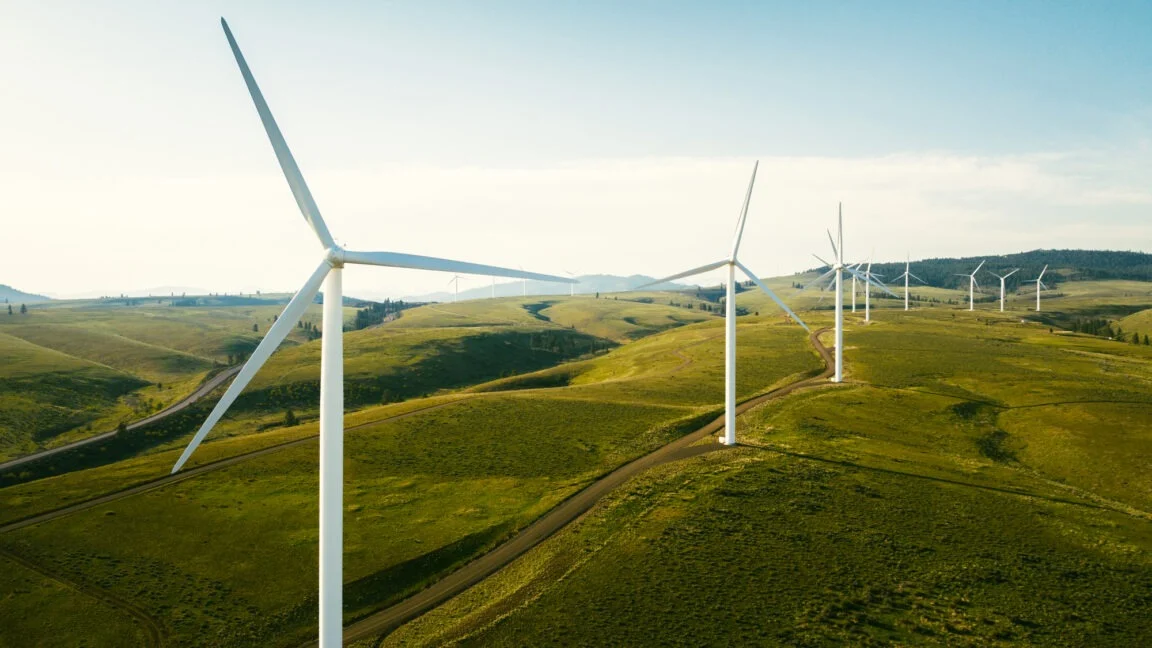
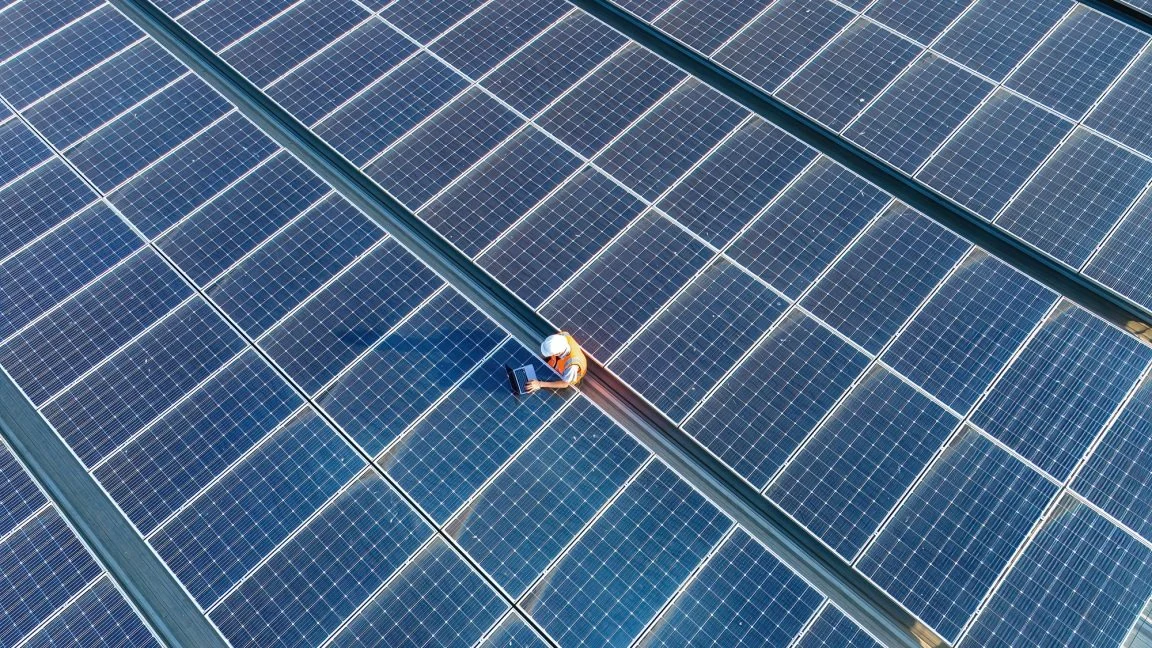
China became the world’s undisputed leader in renewable energy deployment, manufacturing the vast majority of the world’s solar panels, wind turbines, and lithium-ion batteries. Concurrently, the country’s domestic electric vehicle market exploded, backed by extensive charging infrastructure, municipal policy support, and globally competitive domestic automotive brands. This coordinated push allowed China to dramatically outpace the global average in electrifying its transport, industrial, and residential sectors, cementing its status as the epicenter of the new energy economy.
The North American Paradox: Abundance and Inertia
In stark contrast, North America—spanning the United States and Canada—has experienced one of the most modest shifts in the proportion of final energy supplied by electricity over the same timeframe. This lag is not due to a lack of technological capability or capital; rather, it is the result of unique structural conditions.
First, North America has enjoyed decades of abundant, relatively inexpensive domestic fossil fuels, anchored by the massive expansion of domestic oil and natural gas production. This abundance created a strong economic inertia favoring direct fossil fuel consumption, particularly in residential heating and industrial processes.
Second, the continent’s vast geographic expanse and sprawling suburban development models presented unique logistical hurdles for rapid EV adoption and grid modernization. While coastal states and provinces in Canada aggressively pursued electrification mandates, vast interior regions maintained deep economic and political ties to traditional energy industries. Furthermore, permitting bottlenecks, complex regulatory frameworks, and fragmented electricity markets have slowed the rapid integration of utility-scale renewable projects and high-voltage transmission lines.
Official Statements & Expert Analysis: Decoding the "Rorschach Test"
While international organizations like the IEA chart the quantitative rise of electricity, leading energy systems researchers and policy analysts urge caution, emphasizing that the pathway forward is fraught with non-linear challenges, conflicting incentives, and inescapable trade-offs.
The Energy System as a Rorschach Test
"I see today’s energy system more as a Rorschach test," said David Victor, a professor of innovation and public policy at the University of California, San Diego.
By invoking the psychological inkblot test, Victor highlights how observer bias colors the interpretation of global energy data. Optimists look at the exponential growth of solar installations and EV sales charts and see an unstoppable, exponential curve that will naturally culminate in a decarbonized, all-electric global economy. Realists, however, look at the exact same data and perceive a fragile, politically vulnerable transition besieged by material bottlenecks, geopolitical rivalries, and physical limitations.
While Victor acknowledges that it is theoretically possible for the traditional energy trilemma—balancing energy security, environmental sustainability, and economic affordability—to align harmoniously, he maintains that the practical obstacles are immense.
Hard-to-Abate Sectors
Chief among these obstacles is the stubborn persistence of sectors where direct electrification is exceptionally difficult, if not economically impossible, with current technology.
- Heavy Freight Trucks: While light-duty passenger vehicles are rapidly transitioning to battery-electric propulsion, long-haul, heavy-duty commercial freight requires energy density and rapid refuel times that current battery technologies struggle to provide efficiently without massive payload penalties.
- Maritime Transport: Global shipping relies on bunker fuels that deliver immense energy density over transoceanic voyages. While green ammonia, hydrogen, and advanced biofuels are being explored, electrifying deep-sea container ships via batteries remains fundamentally unviable.
- Aviation: Commercial aviation is inextricably tied to liquid hydrocarbon jet fuels. Battery weight constraints render commercial electric flight feasible only for short-haul regional routes, leaving long-haul global aviation dependent on synthetic or bio-derived liquid fuels for the foreseeable future.
The Return of Protectionism and Trade Barriers
Compounding these technological boundaries are rising geopolitical trade tensions. The globalized supply chains that enabled the rapid cost reduction of solar panels and batteries are fracturing under the weight of national security concerns and industrial policy protectionism.
Nations across the West are increasingly viewing reliance on foreign clean energy imports—most notably Chinese solar panels and critical mineral refining—as an unacceptable strategic vulnerability. Consequently, governments are erecting tariffs, local content requirements, and trade barriers to encourage domestic manufacturing. While these policies aim to build local supply chains and secure jobs, they simultaneously drive up the short-term cost of clean energy technologies, slowing down the pace of global deployment.
"The trade-offs are inescapable," Victor warned.
Political Friction and Entrenched Industries
The friction slowing the energy transition is not merely technical or economic; it is fundamentally political. Emily Grubert, an energy systems researcher at the University of Notre Dame, points out that the disconnect between optimistic transition projections and ground-level reality lies in who holds decision-making power.
Reflecting on global energy assessments, Grubert noted via email: "I think [IEA Executive Director Fatih Birol is] basically correct, but the reason we’re not seeing transition happening rapidly and naturally is that the ‘we’ he’s referring to is not the ‘we’ that actually makes the decisions."
In many democratic and industrial nations, the theoretical collective "we"—society at large, which stands to benefit from a stable climate and cleaner air—does not wield direct control over capital allocation and energy policy. Instead, actual decision-making power is frequently distributed among elected officials, regulatory bodies, and entrenched corporate entities whose short-term financial interests are tied to the status quo.
For decades, political power structures have been deeply intertwined with fossil fuel extraction, refining, and distribution. Industry incumbents have successfully leveraged lobbying, campaign contributions, and public relations campaigns to slow down the erosion of their business models.
This dynamic is acutely visible in countries where fossil fuel industries hold profound political sway—including the United States. In these jurisdictions, regulatory rollbacks, resistance to carbon pricing, and continued legislative support for oil, natural gas, and coal create a persistent headwind against the natural market forces pushing toward electrification. Decision-makers often prioritize the immediate profitability and labor retention of legacy industries over the long-term imperative of aggressive decarbonization, creating a system of institutional drag.
Evaluating Costs and Benefits
Amidst the competing ideological and political pressures, energy economists emphasize the necessity of rigorous, dislocated analytical accounting. Kenneth Medlock III, senior director for the Center for Energy Studies at Rice University’s Baker Institute for Public Policy, argues that policymakers must move beyond sweeping ideological slogans and conduct comprehensive, objective evaluations of the true costs and benefits associated with mass electrification.
Transitioning an entire global economy’s energy infrastructure requires staggering amounts of capital expenditure, extensive land use for generation and transmission, massive scaling of mining operations for critical minerals (such as lithium, cobalt, nickel, and copper), and significant upgrades to grid reliability and cybersecurity. Medlock stresses that failing to honestly appraise these macroeconomic trade-offs risks creating unintended consequences, including energy poverty, severe supply bottlenecks, and public backlashes against climate policies if electricity prices spike uncontrollably for end consumers.
Future Outlook: Navigating the Complex Road Ahead
As the world looks past the 2025 milestone toward the latter half of the 2030s and beyond, the trajectory of global electrification remains a high-stakes question mark. The data clearly shows that electricity is claiming a larger share of final energy consumption than ever before, moving from 16.7 percent to over 23 percent in a quarter-century. This proves that the underlying technological and market momentum toward electrification is real, powerful, and persistent.
However, the assumption that this trend represents an unstoppable, self-accelerating landslide is dangerously flawed. The next phase of the energy transition will not be determined by macroeconomic charts alone, but by how society resolves a series of deeply complex, interlocking tensions:
- Overcoming Hard Technological Barriers: Innovation in next-generation batteries, green hydrogen, synthetic fuels, and grid-scale storage must accelerate dramatically to crack the hard-to-abate sectors of heavy transport, aviation, maritime shipping, and high-heat industrial processes.
- Balancing Geopolitics and Open Trade: Nations must navigate the delicate tightrope between building domestic economic resilience through industrial policy and maintaining the cost-effective, globalized supply chains necessary to deploy clean energy at the speed and scale required by climate science.
- Overcoming Political Capture: Institutional and political resistance from entrenched fossil fuel interests and short-sighted governance frameworks must be systematically addressed through transparent policy design, labor transition support for affected communities, and robust democratic accountability.
- Managing Grid Resilience and Affordability: As electricity demand surges due to the rapid growth of electric vehicles, heat pumps, and energy-intensive artificial intelligence data centers, power grids must undergo unprecedented modernization to ensure reliability, equity, and cost containment for everyday consumers.
Ultimately, the global energy transition is neither an inevitable utopia nor an impossible dream. It is a grinding, contested historical process shaped by human agency, political struggle, and economic reality. Whether the share of electricity in global final energy consumption continues its dramatic ascent will depend entirely on how policymakers, industry leaders, and researchers confront the inescapable trade-offs of the modern energy Rorschach test.