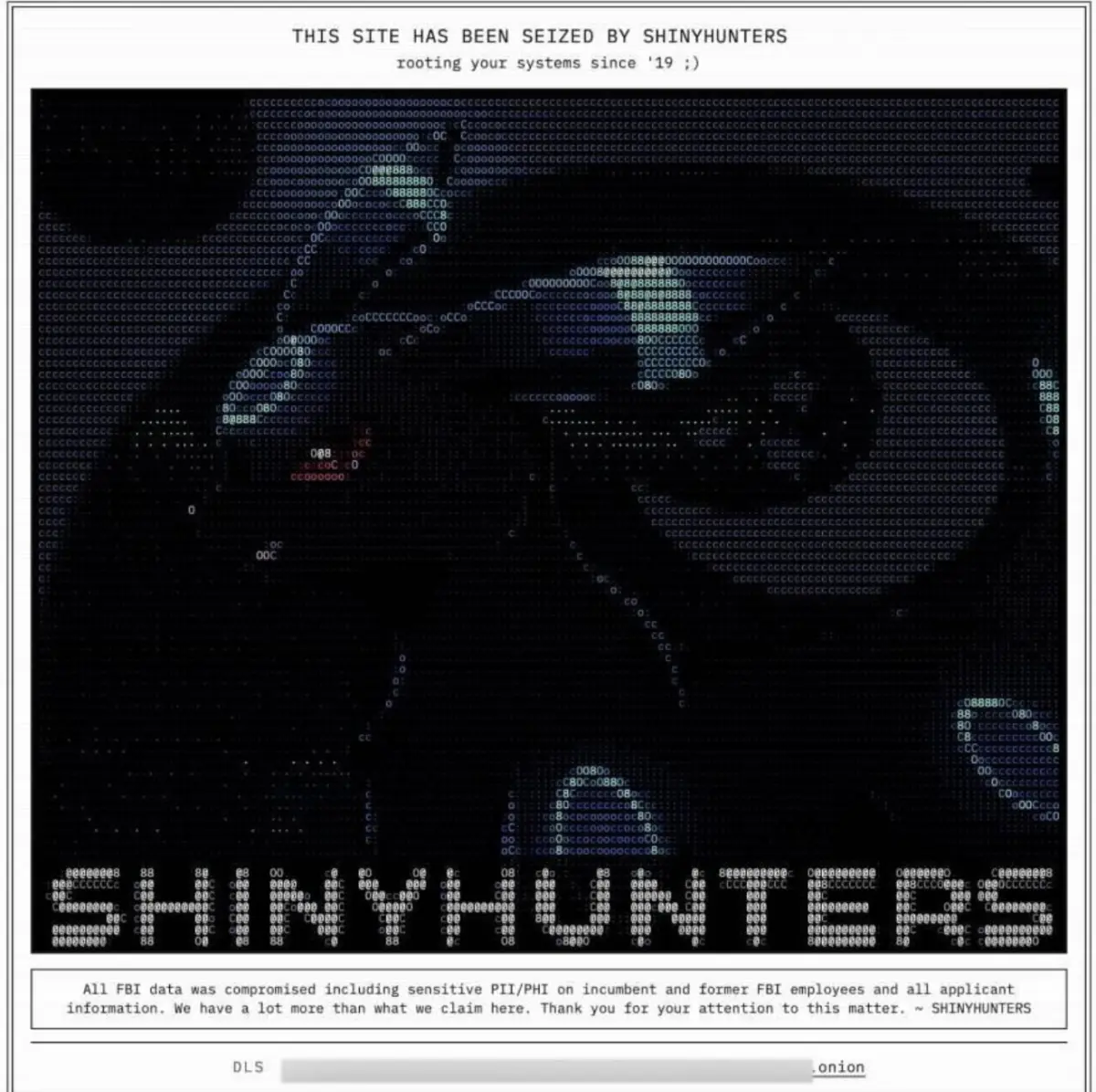
In a landmark victory for consumer privacy and law enforcement safety, the flagship domain Radaris.com and over a dozen affiliated people-search websites have been forcibly transferred to privacy enforcement entity Atlas Data Privacy Corp. The court-ordered domain seizure follows a relentless legal crusade under New Jersey’s Daniel’s Law, a statute designed to protect government personnel, law enforcement officials, judges, and their families by levying steep financial penalties against data brokers that refuse to remove their sensitive personal details.
For over a decade, Radaris built an empire by harvesting and monetizing the intimate personal data of millions of Americans. It established an industry-wide reputation for stonewalling consumer opt-out requests, employing fictitious executive personas, and obfuscating its true corporate ownership through a maze of offshore entities. However, facing escalating legal pressure and repeatedly failing to meaningfully contest claims in a New Jersey court, Radaris’s defense collapsed.
The presiding judge ordered the immediate transfer of radaris.com and its sister domains after defense attorneys engaged in persistent stall tactics and corporate shell games. Today, visitors to radaris.com no longer find a searchable database offering detailed background reports. Instead, they are greeted by a formal notice confirming the judicial domain transfer—marking one of the most substantial regulatory defeats for the predatory people-search industry to date.
Detailed Chronology: A Decade of Evading Accountability
+-----------------------------------------------------------------------------------+
| CHRONOLOGY OF THE RADARIS LEGAL BATTLE                                            |
+-----------------------------------------------------------------------------------+
| 2017         | Huebner v. Radaris: $7.5M default judgment; domain seizure halted|
|              | after defense claims Cyprus shell entity ownership.                |
| Feb 2024     | Atlas Data Privacy Corp files Daniel's Law suit against Radaris.   |
| March 2024   | Investigative unmasking exposes Lubarsky brothers & fake CEO.      |
| June 2025    | Atlas re-files expanded suit following Radaris "island-hopping."  |
| Aug 26, 2025 | NJ Court orders immediate transfer of radaris.com and 13 domains. |
+-----------------------------------------------------------------------------------+
The 2017 Precedent: Huebner v. Radaris LLC
The legal strategy employed by Radaris in New Jersey was refined over years of evading civil accountability. In 2017, Radaris was targeted in a federal class action lawsuit (Huebner v. Radaris LLC). After Radaris failed to appear, the court entered a $7.5 million default judgment against the entity.
When plaintiffs attempted to execute the judgment by court-ordering domain registry Verisign to transfer radaris.com, defense attorney Val Gurvits of the Boston Law Group intervened. Gurvits argued that radaris.com was owned not by the sued U.S. entity, but by a foreign company based in Cyprus named Bitseller Expert Limited. The judge ruled in Radaris’s favor on due process grounds, halting the domain transfer. Shortly thereafter, Radaris shifted its named operator to Andtop Company, a shell registered in the Marshall Islands, causing the Huebner plaintiffs to abandon the suit.
February 2024: Atlas Launches "Daniel’s Law" Action
In February 2024, Atlas Data Privacy Corp filed a lawsuit against Radaris in New Jersey state court. Atlas alleged systematic violations of Daniel’s Law—a state statute enacted after the tragic murder of Judge Esther Salas’s son by a gunman who obtained her home address online. The law mandates complete removal of protected personnel data upon request and establishes statutory damages of $1,000 per violation against non-compliant commercial data brokers.
March 2024: Unmasking the Lubarsky Brothers and "Gary Norden"
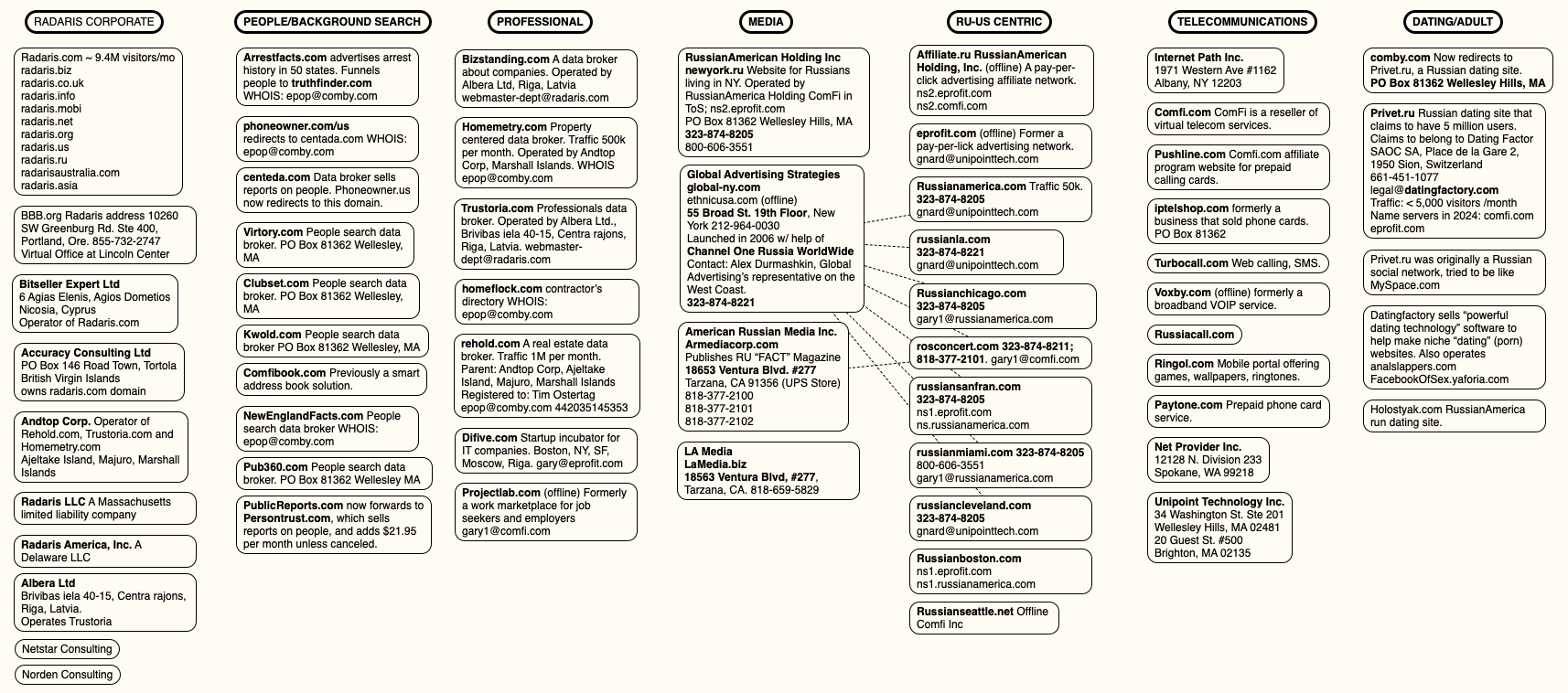
Less than a month after Atlas filed suit, investigative reporting by KrebsOnSecurity pulled back the curtain on Radaris’s real operators. The investigation exposed Russian-born brothers Igor (Gary) and Dmitry (Dan) Lubarsky (also spelled Lybarsky), residing in Massachusetts, as the true architects behind Radaris and a sprawl of associated people-search sites, Russian-language dating platforms, and online affiliate networks.
In response to the report, Val Gurvits threatened a defamation lawsuit, asserting that the true owners of Radaris were non-party Ukrainians residing in Ukraine. Subsequent reporting dismantled this defense, revealing that the Lubarsky brothers had created a fictitious CEO persona named "Gary Norden." Gurvits eventually conceded that his clients had fabricated the executive identity, which Radaris had cited in promotional materials and corporate press releases aimed at soliciting investor capital for years.
June 2025 – August 2025: The Shell Game Collapses
Faced with impending default judgments in New Jersey, Radaris attorneys claimed that Atlas had failed to serve the legitimate legal entities operating the platform. In response, Atlas re-filed an expanded complaint in June 2025, detailing a broader network of interconnected entities.
As default proceedings loomed again, defense counsel failed to present substantive defenses to the underlying statutory violations. On August 26, the judge concluded that the defendants had been granted multiple explicit opportunities to appear and defend the suit but had systematically chosen to stonewall. The court entered default judgment and commanded the registry to transfer ownership of radaris.com and 13 sister domains directly to Atlas.
Supporting Context & Metrics: Unmasking the Offshore Network
The Evidentiary Trove
Throughout the course of litigation, Atlas uncovered a treasure trove of administrative records, comprising more than 10,000 emails and operational documents. This evidentiary corpus confirmed that despite public claims of disparate foreign ownership, the entire enterprise functioned as a centralized operation run by a small group based in the Boston area.
Documentary evidence generated by payment processors, domain registrars, hosting providers, and SaaS vendors revealed that the operational, administrative, and technical infrastructure relied on a single core set of email domains—primarily difive.com and its operational successors (centerex.com, scienteco.com, eprofit.com, realmo.com, and pub360.com).
Primary Front Entities Identified in Litigation:
Radaris America, Inc.
Bitseller Expert Limited (Cyprus)
Andtop Company (Marshall Islands)
Digital Orbit Corp
Core Solutions Group Inc
Lucky Solutions Inc
Virtura Corp
Veripages Inc.
Nuform Solutions Inc.
Growth Data Advisors Inc.
Property Experts, Inc.
Financial Revenue Streams
The internal
records offered a rare look at the lucrative economics driving low-tier people-search engine operations:
Site Domain
Monthly Estimated Revenue
Key Strategic Partners / Monetization Models
Radaris.com
~$42,000 / month
Direct consumer background reports, subscription lookups, referral fees.
Veripages.com
~$45,000 / month
Partnership with Lifetime Value Company (owners of PeopleLooker, PeopleSmart, NumberGuru, Bumper).
Affiliate Network
~$25,000 / month
Monetization via Onerep—a data removal service whose Belarusian founder was revealed to simultaneously operate rival people-search sites like Nuwber.
Official Statements & Legal Positions
The Plaintiff’s Viewpoint
Executive leadership at Atlas and its legal counsel described the company’s defense tactics as a deliberate strategy of attrition that had finally hit a wall.
"We refer to this period as their island-hopping phase. Privacy policies changed constantly, and new entities kept appearing from places like the Marshall Islands, the British Virgin Islands, and Seychelles… Defense lawyers told the court that certain entities merely operated the domains and were the proper parties to sue. But by the time a judgment neared, those entities would be discarded and new entities would appear. Meanwhile, the lawyers claimed the other entities that actually owned the domains should not be held responsible."
— Matt Adkisson, President and CEO of Atlas Data Privacy Corp
To test these defensive claims, Atlas dispatched an investigator to the Marshall Islands when Radaris claimed an offshore firm managed its operations. The investigator confirmed that the corporate entity Radaris listed in its public terms of service did not legally exist at the time of the filing.
"In the past, they won by attrition. Plaintiffs’ attorneys tired of the procedural games and just gave up. That strategy worked for a decade, and it probably would have worked in this case too, since any financial recovery from foreign actors will be difficult. But we were acutely aware of the threat this website posed to law enforcement officers and other public officials in New Jersey, and decided early on to commit whatever time and resources were necessary to remove that threat."
— Raj Parikh, Partner at PEM Law (representing Atlas)
The Defense Response
Following the court-ordered domain transfer, attorney Val Gurvits stepped back, transferring primary representation to Victor Worms. Defense counsel signaled an intent to aggressively challenge the forfeiture in appellate venues.
"We have made a motion to vacate that default judgment on the grounds that it is void since a non-entity has no legal capacity to sue or be sued. We also intend to pursue all appropriate appeals because we believe the transfer of Radaris.com amounts to a forfeiture in violation of various constitutional principles."
— Victor Worms, Defense Attorney for Radaris
Future Outlook: The Constitutional Battleground and Federal Vacuum
Constitutional Challenges to State Privacy Laws
While the domain seizure represents a major blow to Radaris, the broader legal foundation of state-level data privacy enforcement remains locked in intense litigation.
                      +------------------------------------------+
                      |         STATE DANIEL'S LAWS              |
                      |   (Passed in NJ & 14+ Other States)      |
                      +--------------------+---------------------+
                                           |
                                           v
                      +------------------------------------------+
                      |    INDUSTRY CONSTITUTIONAL CHALLENGE     |
                      |  - Over 150 data broker lawsuits moved  |
                      |    to Federal Court.                     |
                      |  - Claims 1st Amendment Violations.     |
                      |  - WV statute struck down (Aug 2025).   |
                      +--------------------+---------------------+
                                           |
                                           v
                      +------------------------------------------+
                      |        U.S. 3RD CIRCUIT / SCOTUS         |
                      |          (Pending Final Ruling)          |
                      +------------------------------------------+
Data brokers sued under state privacy acts have coordinated a massive defense pushback. Over 150 lawsuits filed by Atlas against various data brokers have been removed to federal court, with industry advocates arguing that state restrictions on publishing publicly sourced data violate the First Amendment.
The legal landscape remains sharply divided:
The Third Circuit Court of Appeals is considering consolidated appeals regarding the constitutionality of Daniel’s Law, with legal scholars predicting the issue will ultimately reach the U.S. Supreme Court.
West Virginia’s version of Daniel’s Law was struck down as facially unconstitutional under the First Amendment by a federal district court in August 2025.
14 additional states have enacted statutes modeled on New Jersey’s framework, creating a patchwork of state-level regulations.
The Federal Privacy Policy Gap
Data privacy experts emphasize that piecemeal state statutes like Daniel’s Law highlight the void left by Congress’s ongoing failure to enact comprehensive federal privacy legislation.
"These days at the federal level, add in the intense amount of lobbying against these laws from social media companies, big tech, cryptocurrency firms, and now AI proponents in the mix who claim that limiting their data scraping is somehow going to collapse the whole U.S. economy under Chinese rule."
— Justin Sherman, Privacy Expert and Author of The Middlemen
Sherman points out that state privacy laws routinely carve out exemptions for public records—including property filings, court dockets, criminal histories, marriage licenses, and motor vehicle data. Because people-search engines primarily aggregate public and commercial records, these loopholes allow them to operate with near-impunity against the general public, protecting only targeted classes of government officials under specific state enactments.
Systemic Risks Highlighted by Breach Trends
The risks posed by the unmonitored accumulation of personal data were underlined by the massive breach at IDScan.net, where identity verification driver’s license scans for 153 million Americans were exposed online and weaponized for identity theft. Despite over 25 states passing mandatory age-verification laws requiring citizens to scan identity documents, no federal baseline dictates how credential-scanning intermediaries store, secure, or monetize that data.
"The average person can look at Daniel’s Law and have a perfectly normal reaction, which is that everyone should be covered, not just police and judges. But we don’t need more wake-up calls. We’ve had eight million wake-up calls already on the need for better privacy laws. The lack of comprehensive federal privacy law is not for a lack of knowledge, and anyone claiming otherwise is either not reading the news or kidding themselves."
— Justin Sherman
The transfer of radaris.com demonstrates that targeted litigation can dismantle abusive broker infrastructure. However, as the industry mounts aggressive First Amendment counter-offensives, the long-term future of personal data privacy in the United States remains unsettled.