




Executive Overview
In the contemporary culinary landscape, repeat customers serve as the bedrock of a resilient restaurant economy. Faced with escalating operational costs, tighter market competition, and constantly shifting consumer expectations, successful hospitality operators are rapidly pivoting away from one-off, transactional sales. Instead, they are prioritizing durable, long-term relationships.
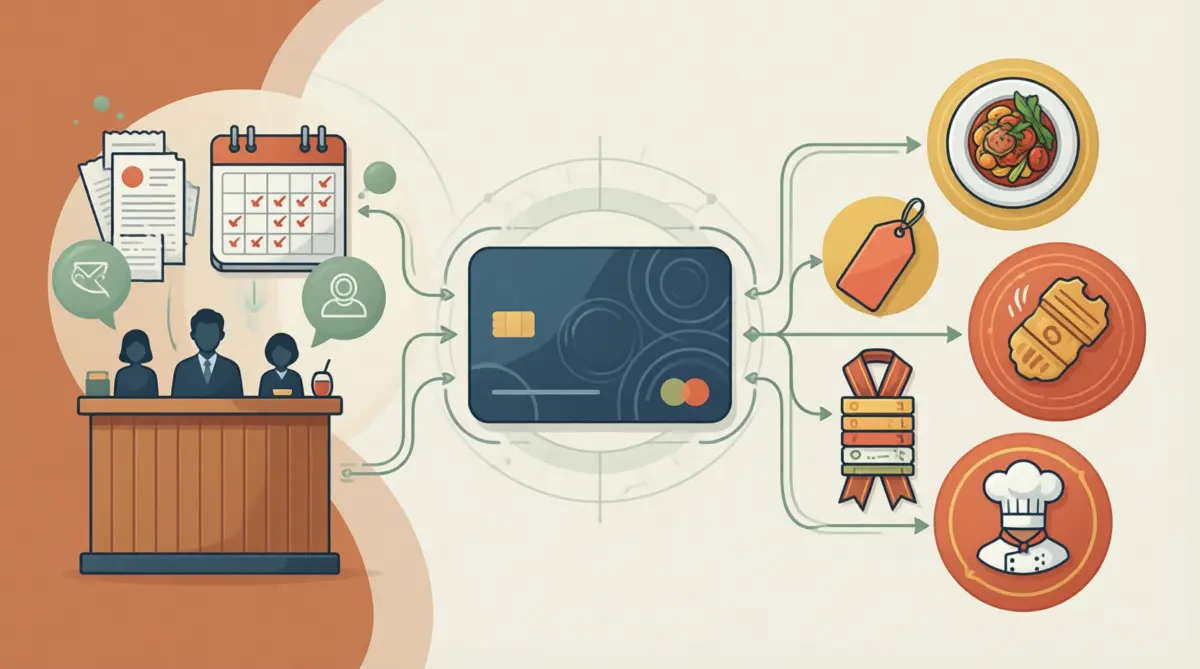
At the center of this paradigm shift are sophisticated, data-driven loyalty programs. Modern restaurant brands no longer view rewards programs as mere marketing add-ons or digital punch-cards. Rather, they treat them as core business infrastructure. By leveraging behavioral analytics, restaurants can optimize revenue performance by dynamically matching rewards to ordering patterns, visit frequencies, and specific customer preferences.
Industry insights from institutions such as Rewards Network consistently position structured loyalty initiatives as a proven mechanism for securing revenue predictability and operational efficiency. Retention has always proven more cost-effective than customer acquisition, a financial reality that makes robust loyalty systems essential. When engineered correctly, these platforms weave together personalization, robust data tracking, and integrated marketing to establish continuous, mutually beneficial connections between restaurants and their diners.
Detailed Chronology: The Evolution of Restaurant Loyalty
Understanding how modern restaurant loyalty reached its current apex requires examining its structural progression over the past two decades.
Phase 1: The Paper and Plastic Era (Early 2000s)
For years, restaurant loyalty relied heavily on physical punch cards or generic plastic magnetic-stripe cards. These legacy systems tracked little more than the sheer volume of transactions. A guest earned a free entrée after ten visits, regardless of whether they spent $15 or $150 per visit. Operators possessed zero visibility into what guests ordered, when they dined, or why they chose to return. Data collection was virtually nonexistent, and marketing remained largely a game of mass, untargeted broadcasting.
Phase 2: The Mobile App and Points Boom (2010s)
As smartphones permeated daily life, major quick-service restaurant (QSR) chains pioneered proprietary mobile applications. This era introduced digitized points-based systems. Brands like Starbucks transformed loyalty into a gamified digital ecosystem, using push notifications and tiered rewards to drive frequency. However, independent operators and mid-sized casual dining groups often found the barrier to entry—costly custom app development—prohibitive.
Phase 3: The Omnichannel Data Ecosystem (Present Day)
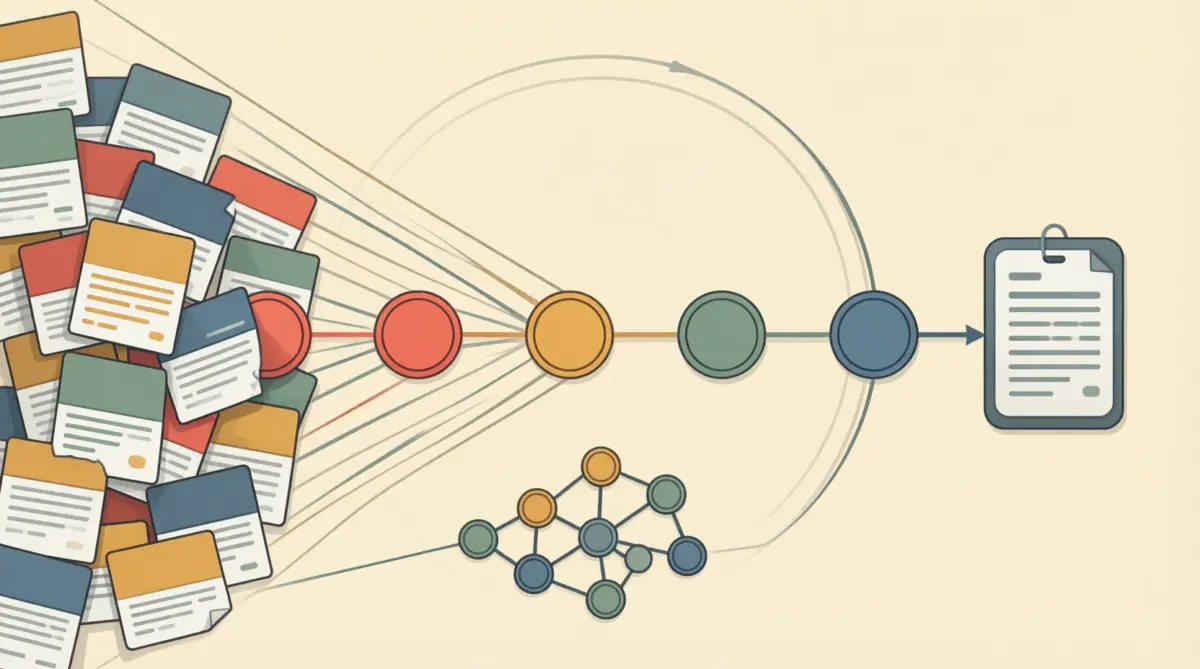
Today, loyalty infrastructure has evolved beyond simple point accumulation into comprehensive, integrated marketing engines. Modern platforms capture zero-party data (information guests willingly share, such as birthdays or dining preferences) and first-party data (actual POS purchase history). Furthermore, advanced operators grapple with bridging the operational gap between owned dining rooms and third-party delivery aggregators (such as DoorDash and UberEats). Contemporary loyalty programs utilize advanced segmentation, AI-driven targeting, and cross-channel marketing (email, SMS, social media) to treat every diner’s journey as a continuous, personalized dialogue.
Supporting Context & Metrics: The Mechanics of Program Design
Designing an effective loyalty program requires meticulous alignment between earning rules, reward structures, and guest behavior. Operators must evaluate check averages and visit frequencies to select the appropriate program architecture.
+--------------------+---------------------------+-----------------------------------+------------------------------------------+
| Structure          | Behavior Rewarded         | Ideal Target Audience             | Core Design Checkpoint                   |
+--------------------+---------------------------+-----------------------------------+------------------------------------------+
| Points-Based       | Customer spending volume  | Guests with diverse check averages| Clearly define spending-to-reward ratios |
| Visit-Based        | Repeat visit frequency    | Frequent QSR / fast-casual diners | Keep qualifying-visit rules intuitive    |
| Tiered             | Increasing engagement     | High-intent, brand-loyal guests   | Ensure every tier threshold is attainable|
| Hybrid             | Multi-behavioral actions  | Diverse, mixed-demographic bases  | Prevent rule fatigue for the consumer    |
+--------------------+---------------------------+-----------------------------------+------------------------------------------+
Choosing Rewards by Check Average and Visit Frequency
The psychological effectiveness of a reward hinges on its attainability.
- The Lunch Regular: A guest making steady, predictable quick-service visits makes rapid progress toward a visit-based reward.
- The Occasional Fine-Diner: A customer making infrequent but high-dollar purchases sees far more value in a spending-based points system that accumulates toward a significant discount.
If an operator imposes tier thresholds that an occasional diner cannot realistically reach, participation plummets. Gamification—such as completing specific weekend ordering challenges—adds engagement, provided the earning conditions remain crystal clear and the rewards deliver genuine, perceived value.
Personalization and Zero-Party Data Capture
Generic, blanket promotions no longer move the needle. Modern consumers expect brands to anticipate their preferences. Loyalty programs enable this personalization by continuously ingesting transaction history. For example, a guest who consistently dines during weekday lunch hours responds far better to midday promotions than to late-night discounts.
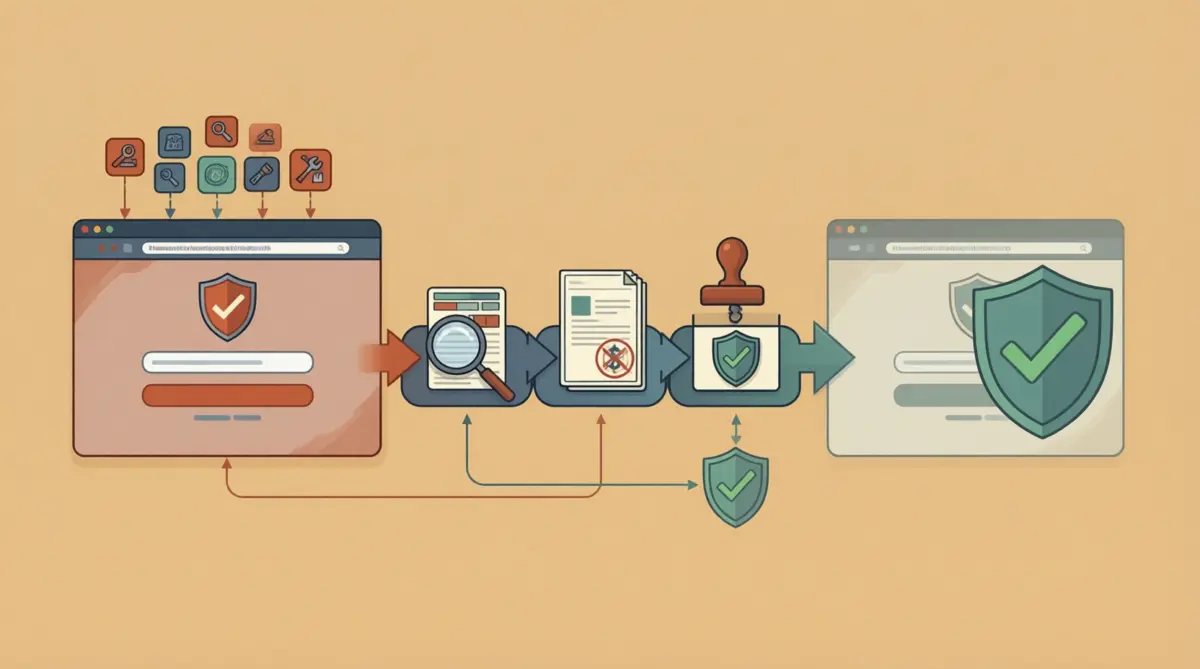
Crucially, capturing data does not always necessitate a native app download. Restaurants successfully build robust customer databases by embedding zero-party data preference centers into owned web experiences. By offering a short, frictionless enrollment survey during table-side QR code ordering or Wi-Fi login, operators can gather explicit details—such as preferred dining occasions or favorite menu categories—without creating technological friction for the diner.
Official Statements and Industry Insights
Industry leaders emphasize that customer retention directly underpins long-term financial stability. Analysts from Rewards Network note that restaurants capable of consistently drawing guests back enjoy a distinct competitive edge, particularly during periods of macroeconomic volatility.
"Loyalty programs do not operate in isolation. Their true effectiveness grows exponentially when integrated with broader digital marketing channels such as email, social media, and programmatic advertising. Retention is the single most powerful lever an operator has against rising acquisition costs."
— Industry Analysts, Rewards Network
Similarly, research highlighted in reports from Restaurant Dive (analyzing Paytronix data) underscores the integration of AI-driven messaging and behavioral analytics. Leading brands are moving away from static discounts and toward dynamic, experience-based rewards that foster emotional connections with patrons.
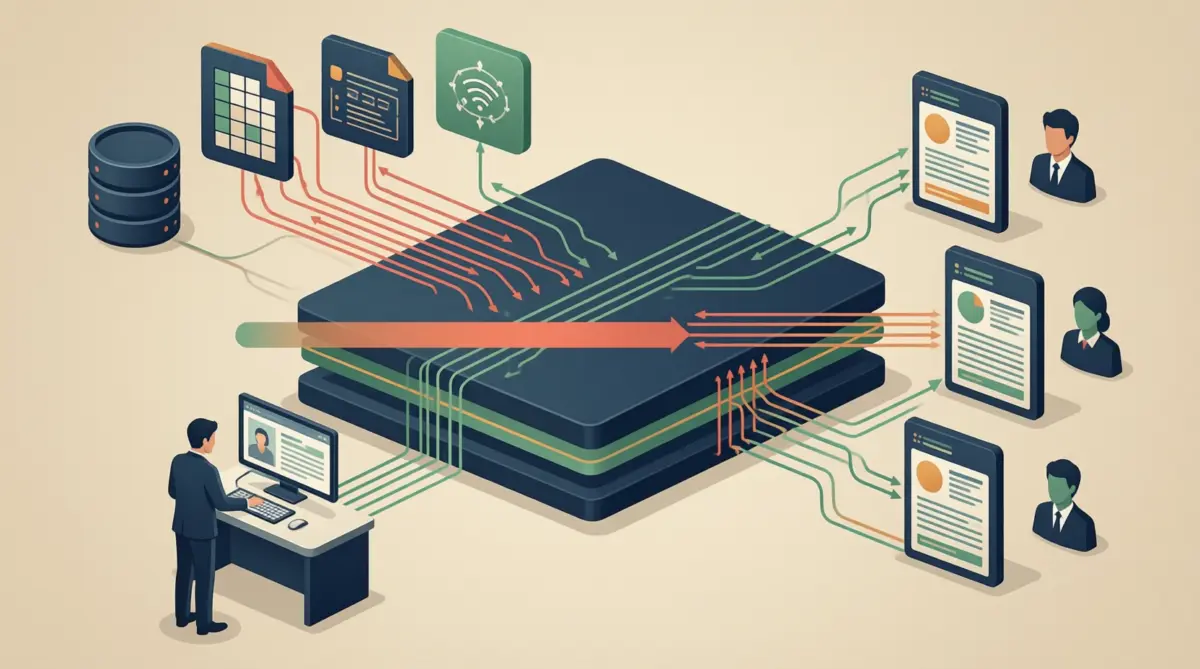
When loyalty data flows freely into a restaurant’s broader tech stack, marketing teams can deploy unified audience logic. An exclusive promotional offer can be deployed via targeted email campaigns, while social media channels reinforce brand visibility and community engagement, creating a self-sustaining feedback loop.
Future Outlook: The Next Frontier of Restaurant Retention
As the hospitality sector looks toward the future, several technological and operational trends will define the next generation of restaurant loyalty:
- Bridging the Delivery Data Gap: One of the most persistent operational hurdles is the fragmentation caused by third-party delivery apps. Future loyalty infrastructure will rely on deeper POS integrations and secure customer identifiers to accurately link delivery orders to owned guest profiles—ensuring that off-premise dining contributes meaningfully to customer analytics without skewing data integrity.
- Predictive AI and Automated Segmentation: Rather than manually creating promotional segments, operators will increasingly rely on machine learning models to predict when a regular customer is at risk of churning. Automated triggers will send hyper-personalized incentives precisely when a guest deviates from their normal visit cadence.
- Elevated Brand Advocacy: Future programs will increasingly incentivize non-transactional behaviors, such as organic social media sharing, constructive feedback, and community engagement. By rewarding advocacy independently of review ratings, restaurants can harness authentic word-of-mouth marketing that cuts through digital noise.
- Frictionless Omnichannel Redemption: As digital wallets (Apple Pay, Google Wallet) integrate deeper with restaurant loyalty accounts, the physical act of redeeming rewards will become entirely seamless. Guests will no longer need to scan separate barcodes or remember login credentials; rewards will apply automatically at the point of sale.
Conclusion
Ultimately, transforming casual diners into dedicated brand ambassadors requires moving past reactive marketing. By establishing a structured, data-informed loyalty ecosystem that prioritizes relevance, simplicity, and personalization, restaurant operators can insulate their businesses against market volatility and secure enduring, profitable growth.