In a decisive move to protect consumer privacy and hardware integrity, consumer electronics giant LG Electronics USA has announced an immediate purge of smart TV applications that silently transform home televisions into always-on residential proxy nodes. The enforcement action follows landmark cybersecurity research revealing that over 42 percent of applications available on LG’s proprietary webOS platform harbored stealthy software development kits (SDKs) designed to reroute third-party internet traffic through unsuspecting households.
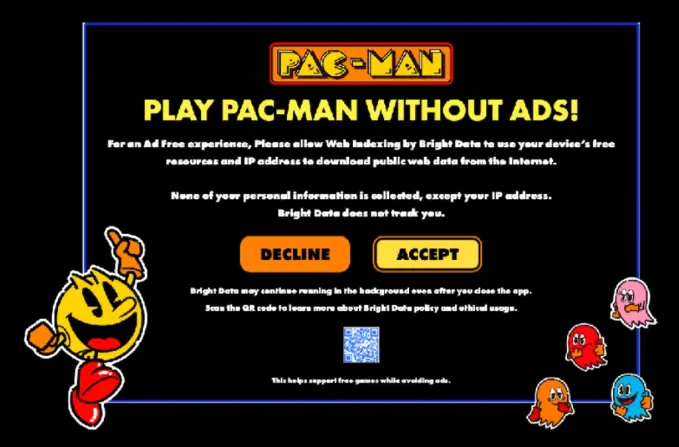
The ecosystem-wide crackdown targets a growing monetization trend in the Internet of Things (IoT) landscape, where app developers bundle residential proxy SDKs into innocuous software—ranging from classic arcade games like Pac-Man to ambient screensavers and system utilities. In exchange for recurring payouts from proxy broker firms, developers prompt users to opt into sharing their idle network bandwidth. However, security analysts warn that such mechanisms exploit consumer ignorance, pollute residential IP addresses, and potentially expose local home networks to malicious traffic.
LG’s public pledge to suspend non-compliant software and tighten app review standards marks a major shift in smart TV ecosystem governance. The initiative comes amid heightened scrutiny of hardware manufacturers’ monetization practices, emphasizing the fine line between legitimate developer incentives and the systemic compromise of consumer edge devices.
Detailed Chronology: From Academic Discovery to Corporate Purge
The operational pivot by LG unfolds against a backdrop of increasing federal and private cyber-threat monitoring focused on residential proxy networks, which frequently serve as the infrastructure layer for automated web scraping, credential stuffing, and botnet concealment.
+-----------------------------------------------------------------------------------+
| CHRONOLOGY OF EVENTS                                                              |
+-----------------------------------------------------------------------------------+
| • Early July: FBI seizes NetNut / Popa botnet infrastructure.                      |
| • July 2: Spur releases study detailing proxy SDK prevalence in webOS (42%) &     |
|   Tizen OS (25%+).                                                                |
| • Mid-July: KrebsOnSecurity engages LG leadership regarding platform risks.       |
| • Mid-July: LG issues compliance ultimatum to webOS app developers.               |
| • July 22: Bright Data responds, pointing to PwC audits and user opt-in screens. |
+-----------------------------------------------------------------------------------+
Early July: Federal law enforcement action highlights the vulnerability of consumer networks. The FBI executes a coordinated seizure of the NetNut/Popa botnet infrastructure, drawing renewed attention to how residential IP addresses are harvested and resold across global proxy marketplaces.
July 2: Threat intelligence firm Spur publishes a research report detailing the mechanics of residential proxy SDK integration in smart TV ecosystems. Spur’s analysis reveals that 42.1% of sampled applications on LG’s webOS app store, along with more than 25% of applications on Samsung’s Tizen OS platform, contained embedded proxy routines capable of routing external web requests through consumer connections indefinitely.
Mid-July: Industry outreach by security reporting outlet KrebsOnSecurity prompts direct executive engagement from LG Electronics USA leadership. LG launches an internal audit of its webOS application repository to identify developers utilizing unauthorized background proxy frameworks.
July 22: LG Senior Vice President John Taylor releases an official corporate policy statement declaring an immediate prohibition on residential proxy SDKs across all webOS applications, threatening permanent suspension for non-compliant developers. On the same day, residential proxy provider Bright Data issues a formal defense of its SDK model, citing compliance audits and explicit user consent mechanisms.
Supporting Context & Metrics: Decoding the Proxy SDK Engine
The Mechanics of Residential Proxy Monetization
To understand how smart TVs became proxy targets, one must analyze the economic incentives of the modern software market. Independent developers creating free applications for smart TVs face limited monetization options compared to mobile platforms, where in-app purchases and banner ads generate substantial revenue.
Residential proxy providers—such as Bright Data—offer developers an alternative revenue model. By embedding a lightweight proxy SDK into an app’s source code, developers receive financial compensation based on the volume of bandwidth routed through users who install the app.
When a user downloads an affected application, they are typically presented with a consent screen offering two choices:
View traditional, periodic video advertisements during app execution.
Accept an "ad-free" experience by agreeing to share unused device resources and network bandwidth.
If the user selects the second option, the embedded SDK initializes a persistent background daemon. Even when the television screen is turned off or running a passive screensaver, the device maintains a low-power connection to the proxy network’s command-and-control servers, serving as an active egress relay for paid third-party traffic.
Platform Breakdown and Risk Analysis
Data compiled by Spur demonstrates a stark divergence in SDK prevalence across the major smart TV operating systems:
Smart TV Operating System
Vendor / Maintainer
Estimated Proxy SDK Prevalence (%)
Primary Embedded Application Categories
webOS
LG Electronics
42.1%
Casual Games (Pac-Man), Utilities, Screensavers
Tizen OS
Samsung Electronics
>25.0%
Media Players, System Utilities, Clock Widgets
Prevalence of Proxy SDKs by OS Platform
===================================================================
webOS (LG)       [=====================================>    ] 42.1%
Tizen OS (Samsung)[=========================>             ] >25.0%
===================================================================
Smart TVs represent an exceptionally attractive target for proxy operators compared to mobile phones or laptops due to three structural factors:
Constant Power and Connectivity: Smart TVs remain plugged into wall outlets and connected to home Wi-Fi or Ethernet around the clock, eliminating battery drain constraints that plague mobile devices.
High-Speed Broadband Access: Modern households assign TV devices unmetered, high-bandwidth connections capable of processing simultaneous data requests.
Opaque User Interfaces: Smart TV operating systems lack advanced, desktop-grade activity monitors or task managers. The average consumer has no native tool to inspect outbound network sockets, CPU usage, or active background processes.
Technical and Operational Risks for Consumers
While proxy vendors maintain that traffic passing through their nodes is strictly monitored, the operational consequences for home network owners remain severe:
IP Address Pollution: Third parties using proxy services frequently execute high-frequency automated web scraping, price intelligence gathering, or vulnerability scanning. Target websites register these requests as originate from the homeowner’s IP address, resulting in the household being blocked by CAPTCHA security services, streaming providers, or banking platforms.
Lateral Network Exposure: Security researchers, including those tracking campaigns like the Kimwolf botnet, emphasize that compromised IoT devices on a local area network (LAN) can serve as entry points. If a vulnerability exists in the proxy SDK code or the underlying webOS system services, remote actors could potentially probe other internal devices—such as home computers, storage drives, and security cameras.
Bandwidth Hijacking and Performance Degradation: Uncontrolled third-party data transfers can degrade home internet latency, impacting real-time gaming, video conferencing, and high-definition streaming on other devices connected to the same router.
Official Statements and Industry Pushback
LG Electronics USA: Policy Prohibition and Enforcement
Responding directly to the security findings, LG Electronics USA made its position clear: turning residential televisions into commercial proxy relays violates the intended architecture of webOS.
"A residential proxy network is not an intended use for LG smart TVs, and LG Electronics is working with developers to remove the residential proxy option from their apps on the webOS platform," stated John Taylor, Senior Vice President at LG Electronics USA. "If this option is not removed, these apps will be suspended."
Taylor confirmed that LG’s internal app security teams have initiated a comprehensive evaluation of the entire webOS ecosystem to purge hidden proxy libraries.
"As part of our ongoing efforts to enhance platform quality and the user experience, LG will continue to strengthen our evaluation process for developer-submitted apps, including those that incorporate residential proxy SDKs," Taylor added, noting that the remediation process is "well underway now."
                          POLICY & PERSPECTIVE COMPARISON
+-----------------------------------------------------------------------------------+
| LG ELECTRONICS                                                                    |
| • Policy: Total ban on residential proxy SDKs in webOS.                           |
| • Stance: Proxy routing is an unintended, non-compliant use of consumer hardware. |
| • Action: Mandatory removal of SDKs or complete app suspension.                  |
+-----------------------------------------------------------------------------------+
| SPUR SECURITY RESEARCH                                                            |
| • Focus: Structural vulnerability of non-standard computing devices.              |
| • Stance: "Consent" models on TVs are fundamentally flawed and easily bypassed.    |
| • Action: Advocacy for strict platform-level restrictions and transparency.       |
+-----------------------------------------------------------------------------------+
| BRIGHT DATA                                                                       |
| • Defense: Fully opt-in, ethically operated commercial proxy network.            |
| • Stance: Vetted enterprise customers, independent PwC security audits.           |
| • Action: Continued operation within platform developer guidelines.               |
+-----------------------------------------------------------------------------------+
Spur: The Fallacy of Smart TV Consent
Threat intelligence firm Spur argues that platform-level bans are the only effective remedy, asserting that the concept of "informed user consent" breaks down within a smart TV environment.
"A one-time consent prompt buried in a TV app is not a substitute for meaningful transparency, ongoing control, and platform oversight," explained Trevor Sutter of Spur. "The risk is amplified when consent comes from individuals within the household who use the device but shouldn’t give consent, such as minors."
Spur’s research highlights that casual games targeted at children or shared household users often present complex legal disclaimers regarding bandwidth sharing. A child agreeing to bypass an ad banner can inadvertently enroll an entire household’s router into an enterprise data routing network without the primary account holder’s knowledge.
Bright Data: Defense of Ethical Peer Networks
In response to the scrutiny, Bright Data—identified in Spur’s research as the dominant provider of proxy SDKs within smart TV application repositories—defended its operational integrity and business model.
"Every peer opts in through a dedicated screen and receives value in return; every customer is vetted, and our practices have now undergone a second independent audit by PwC," Bright Data stated in an official communication. "We remain committed to an open, transparent internet where legitimate businesses, researchers, and institutions can responsibly access data that lives in the public domain."
Bright Data and similar commercial proxy providers argue that their infrastructure powers legitimate business intelligence, price comparison tools, and academic data aggregation. They emphasize that strict Know Your Customer (KYC) compliance frameworks prevent illicit actors from abusing their nodes, alongside software controls designed to isolate proxy traffic from the user’s broader home network.
Future Outlook: Governing IoT Monetization and Supply Chain Security
The Broader Hardware Monetization Landscape
LG’s decision to purge proxy SDKs occurs amid broader industry debates over how hardware vendors and software partners monetize consumer devices after point-of-sale. Smart TV manufacturers operate on thin hardware margins, increasingly relying on software services, target advertising, and content platform fees for long-term profitability.
However, aggressive monetization strategies can backfire, drawing criticism over user experience and corporate transparency. For example, LG recently faced consumer backlash regarding its desktop hardware drivers. Investigations by tech outlet Gamers Nexus revealed that software drivers for certain high-end LG LCD monitors automatically installed a promotional application promoting paid McAfee antivirus subscriptions via Windows Update—without requiring explicit approval prompts from the end user.
This overlap between TV proxy SDKs and monitor bloatware underscores a systemic issue across the hardware industry: consumer devices are increasingly bundled with third-party software that trades user trust for passive revenue streams.
Industry Ecosystem Implications
LG’s aggressive intervention sets a precedent that will force competitors and regulatory bodies to reassess smart home app governance:
+-------------------------------------------------------------------------------+
| FUTURE ECOSYSTEM GOVERNANCE TRAJECTORY                                        |
+-------------------------------------------------------------------------------+
| [1] APP STORE POLICIES                                                        |
|     Mandatory SDK scanning, prohibition of background bandwidth monetization, |
|     and strict developer code-signing requirements.                           |
|                                                                               |
| [2] REGULATORY PRESSURE                                                       |
|     Heightened oversight from FTC (US) & EU Cyber Resiliency Act regarding    |
|     background resource hijacking and minor consent models.                   |
|                                                                               |
| [3] COMPETITOR REACTION                                                       |
|     Increased pressure on Samsung (Tizen OS) and Android TV aggregators to    |
|     re-evaluate app store screening mechanisms.                               |
+-------------------------------------------------------------------------------+
Pressure on Competing Platforms: With LG taking a firm stance against proxy SDKs on webOS, industry attention shifts to Samsung Electronics and its Tizen OS platform, where Spur identified a 25% proxy SDK prevalence rate. Pressure will also mount on Google TV/Android TV ecosystem maintainers to disclose and purge similar SDK implementations.
Regulatory Scrutiny on IoT Monetization: Regulatory bodies, including the Federal Trade Commission (FTC) in the United States and European cyber policy directives, are closely watching dark patterns in consumer software consent. Consent flows that trade background bandwidth access for ad-free app usage—especially on shared family hardware—are likely to face stricter disclosure requirements.
Automated SDK Inspection Protocols: To enforce these bans, smart TV app store review pipelines must evolve. Platform maintainers will need to integrate automated static and dynamic binary analysis tools capable of detecting proxy communication libraries, encrypted network tunnels, and unauthorized background processes prior to approving app submissions.
As the lines between traditional computers and smart home appliances continue to blur, LG’s move against webOS proxy networks establishes a needed security boundary: consumer entertainment devices must not be converted into silent, commercial network relays at the expense of user safety and privacy.