










Executive Overview
The unprecedented global buildout of digital infrastructure—accelerated exponentially by the generative AI boom, cloud computing expansion, and enterprise digital transformation—has run headfirst into a compounding crisis: a critical shortage of skilled labor. According to DataX Connect’s comprehensive 2026 Data Center Salary Survey, which surveyed over 1,700 professionals across the United States, the United Kingdom, and continental Europe, organizations are aggressively driving up compensation packages in an attempt to attract and retain vital personnel. In Europe, 65% of surveyed professionals reported receiving a pay raise over the past year, while that figure climbs to 71% in the fiercely competitive US market.
Yet, money alone is failing to plug the talent leak. Nearly two in five permanent employees (roughly 40%) across both regions indicate an active intention to jump ship and change companies within the next 12 months. The findings underscore a profound disconnect in the modern digital infrastructure landscape: while financial incentives are at an all-time high, they are being undermined by opaque career progression pathways, unequal advancement opportunities, and burnout.
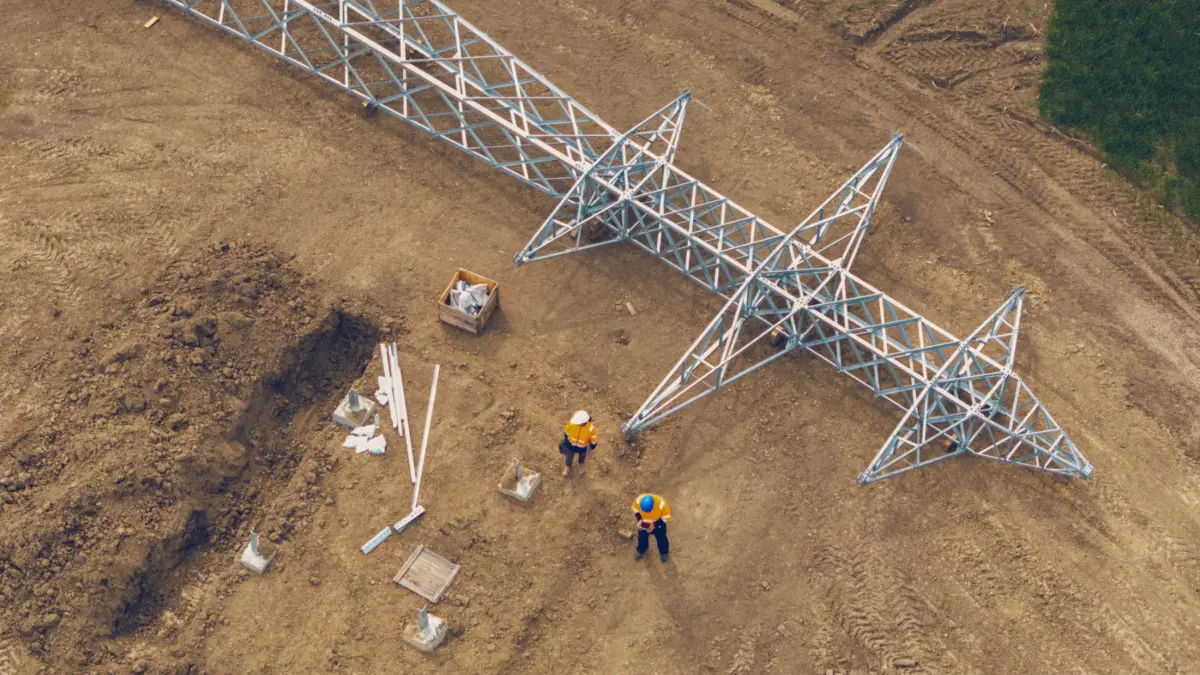
Industry leaders warn that this persistent talent deficit—particularly acute among skilled trades, mechanical, electrical, and plumbing (MEP) engineers, and commissioning agents—threatens to stall multi-billion-dollar construction pipelines. As Andy Davis, Director of DataX Connect and Data eXec, succinctly noted: "We can have the power, land, capital, and demand for a new data center, but if we don’t have enough people to build it, that becomes a problem." To survive this bottleneck, the sector must rethink its recruitment paradigms, looking beyond traditional data center poaching and tapping into high-potential talent pools in adjacent industries like energy, defense, and manufacturing.
Detailed Chronology: The Evolution of the Data Center Staffing Crisis
To understand how the data center industry arrived at its current labor precipice, it is necessary to examine how rapid technological scaling has outpaced workforce development over the past half-decade.
Phase 1: The Cloud and Hyperscale Acceleration (2018–2021)
During the late 2010s, the explosive growth of hyper-scale cloud providers (Amazon Web Services, Microsoft Azure, Google Cloud) initiated a massive wave of data center construction. Facilities transitioned from regional enterprise server rooms to massive, campus-style operations spanning millions of square feet. During this period, talent shortages were manageable, typically concentrated in specialized network architecture and cybersecurity. Most technical and construction staffing needs were met through traditional recruitment channels within the commercial construction and electrical trades.
Phase 2: Post-Pandemic Supply Chain and Labor Fragmentation (2022–2023)
The post-pandemic economic recovery introduced severe global supply chain disruptions, driving up material costs and stretching project timelines. Concurrently, the "Great Resignation" hit the tech and infrastructure sectors hard. Workers demanded higher wages, remote flexibility (where applicable), and improved benefits. Data center operators responded with reactive salary bumps, but systemic workforce planning took a backseat to immediate project execution needs. The skills gap began widening noticeably within mission-critical engineering roles.
Phase 3: The Generative AI Boom and the 2026 Reality Check (2024–Present)
The public launch and mass enterprise adoption of generative AI in late 2022 triggered an unprecedented gold rush for high-density, liquid-cooled data centers. Power demands skyrocketed, transforming data center development from a real estate and IT challenge into a complex energy and infrastructure crisis.
Released on September 15, the DataX Connect 2026 Salary Survey captured the boiling point of this trajectory. With over 1,700 respondents weighing in, the data confirmed that while employers were throwing money at the problem—delivering widespread raises—turnover intentions remained stubbornly high. The industry realized that throwing cash at a broken retention model was no longer sustainable, forcing a strategic shift toward structured career pathways and alternative talent pipelines.
Supporting Context & Metrics: Unpacking the DataX Connect 2026 Survey
A closer examination of the metrics reveals deep regional divergences in how professionals perceive their worth, career mobility, and the factors driving them to seek new employment.
Regional Compensation and Turnover Drivers
- The United States Market: The US represents the most aggressive and hyper-competitive data center landscape globally. With 71% of respondents reporting pay raises, salary remains the single largest motivator for American workers. This is directly tied to massive capital injections into domestic hubs like Northern Virginia (Data Center Alley), Texas, and Arizona. The breakneck pace of development creates an environment where experienced professionals can command top-dollar counteroffers.
- The European Market: In continental Europe and the UK, compensation increases are nearly as prevalent—with 65% of European respondents receiving raises—yet non-monetary factors play an equally decisive role in retention. European professionals place a premium on work-life balance, comprehensive benefits packages, and clear organizational structures.
- The Flight Risk: Despite these pay adjustments, 38% of permanent employees across both regions plan to seek employment elsewhere within a year. This persistent flight risk indicates that career stagnation, lack of mentorship, and burnout are pushing workers out the door faster than salary adjustments can pull them in.
The Epicenter of the Shortage: Where Talent is Bleeding
The talent crunch is not distributed evenly across job functions. The most acute shortages are heavily concentrated in the physical buildout and operational readiness phases:
- Journey-Level Electricians: Essential for high-voltage installations, backup generator integration, and power distribution units (PDUs).
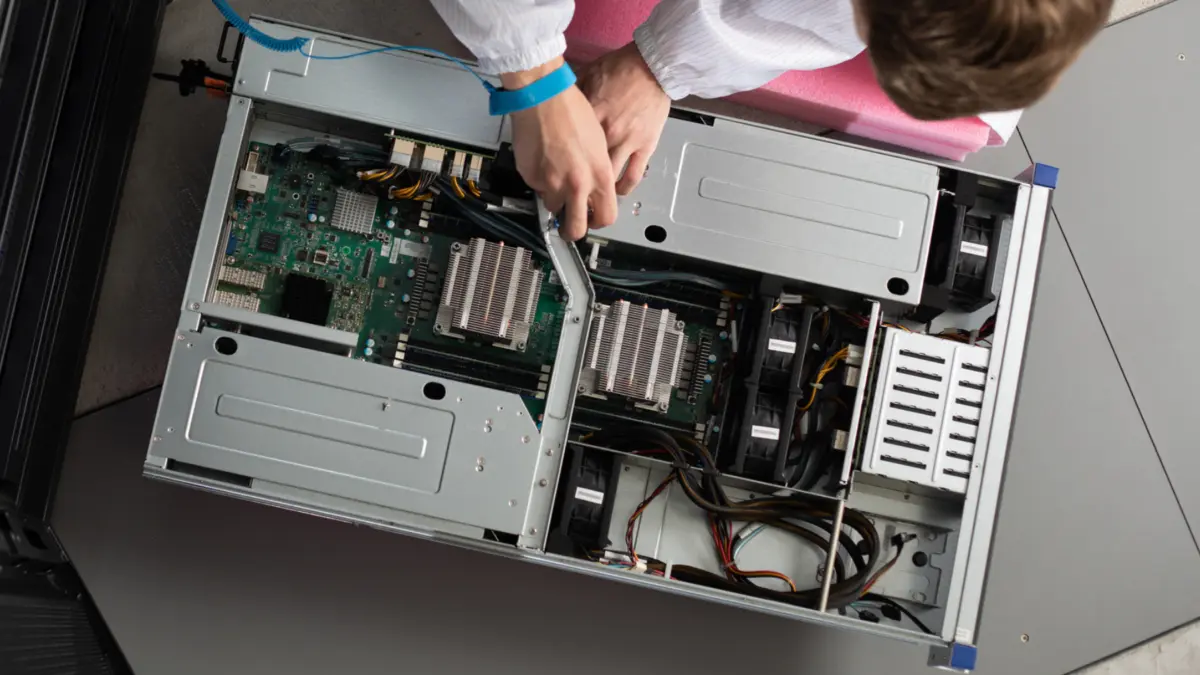
- MEP (Mechanical, Electrical, and Plumbing) Engineers: Critical for designing and maintaining complex cooling and thermal management systems, which are increasingly vital as AI chips generate unprecedented heat loads.
- Commissioning Agents: Professionals responsible for testing and validating that all data center subsystems operate safely and efficiently before going live. Delays here stall entire multi-million-dollar deployments.
- Hyperscale Project Managers: Leaders capable of managing multi-trade construction sites under aggressive deadlines.
According to Davis, the inability to fill these roles directly threatens project delivery schedules. When power capacity, land acquisition, and capital financing are secured, a deficit of boots on the ground becomes the single point of failure.
Official Statements and Industry Insights
The human element of the data center labor crisis is best understood through the perspectives of recruiters, executives, and industry analysts navigating the daily reality of the skills gap.
Reflecting on the unexpected trends uncovered in the 2026 research, Andy Davis, Director of DataX Connect and Data eXec, emphasized that the industry’s traditional recruitment playbooks are obsolete.
"It wasn’t necessarily a single surprise, but the most interesting finding for me was looking at where we can find new talent for the industry," Davis shared in an exclusive interview with Data Center Knowledge.
Addressing the fierce bidding wars seen across the Atlantic, Davis noted:

"In the US, salary is the biggest factor, which reflects just how competitive that market has become. There is a huge investment going into US data centers and experienced people are in high demand, so naturally that is pushing salaries up."
However, Davis was quick to pivot from mere compensation to the structural issues governing employee retention. He stressed that professionals are evaluating their long-term viability within an organization, looking for tangible signs of career progression.
"One of the big attractions of working in data centers is that it is a rapidly growing industry where you can potentially accelerate your career," Davis explained. "Organizations that are growing quickly can offer people more responsibility and opportunities to progress than they might get in a more mature sector."
To capitalize on this appeal, employers must demystify career trajectories. Employees need absolute clarity regarding their next promotion, the skills required to achieve it, and the training programs accessible to them.
"Ultimately, companies need to get the balance right. They need to pay competitively, but they also need to give people a reason to stay and build their careers with them."
Most importantly, Davis issued a stark warning regarding project delivery bottlenecks:
"The bigger concern for me is the impact this could have on project delivery. At the trade level, there simply aren’t enough skilled people to deliver the volume of projects that are being planned and built. We can have the power, land, capital, and demand for a new data center, but if we don’t have enough people to build it, that becomes a problem."
Future Outlook: Building the New Talent Pipeline
If the data center industry is to sustain its hyper-growth trajectory through the late 2020s and beyond, it must fundamentally transform how it sources talent. Relying exclusively on poaching experienced personnel from rival data center operators is a zero-sum game that merely drives up labor costs without expanding the overall talent pool.
Tapping into Adjacent Industries: Energy, Defense, and Semiconductors
The solution lies in aggressively recruiting from adjacent, mission-critical sectors where workers possess foundational competencies in high-stakes, highly regulated environments.
"The industry needs to get better at looking at transferable skills rather than simply asking whether someone has worked in a data center before," Davis asserted.
The survey metrics validate this transition is already underway, though it requires intentional acceleration:
- The US Market: Approximately 40% of US respondents transitioned into data centers from careers in the energy sector or the military.
- Continental Europe: Roughly 42% of respondents previously worked in energy, semiconductor manufacturing, or pharmaceutical engineering.
- The United Kingdom: Infrastructure and energy sectors combined accounted for 32% of respondents’ prior professional backgrounds.
Bridging the Learning Curve
While engineers and technicians from the military, oil and gas, and power generation industries possess the necessary hard technical foundations—such as understanding high-voltage grids, thermodynamic cooling loops, and rigorous safety protocols—they inevitably face a learning curve.
Integrating these workers requires robust internal training academies, mentorship programs, and standardized onboarding modules tailored to the unique commercial and technological ecosystem of data centers.
"There will obviously be a learning curve," Davis acknowledged. "They need to understand the specific technology, standards, processes, and commercial environment of the data center sector. But the underlying engineering skills are already there. Sometimes the best candidate is someone from an adjacent industry who has the right skills and just needs the opportunity and support to make the move."
Conclusion: A Holistic Workforce Strategy
The data center labor crisis cannot be solved by a paycheck alone. While market forces will continue to drive salaries upward—particularly in high-demand US hubs—true organizational resilience requires a holistic workforce strategy.
Operators that combine competitive, top-tier compensation with transparent career progression frameworks, targeted internal training, and open-minded recruitment from the energy and military sectors will successfully insulate themselves from the 40% turnover threat. Those that fail to evolve will find themselves sitting on billions of dollars in capital, land, and power allocations—staring at empty server halls they lack the personnel to build.