








Executive Overview
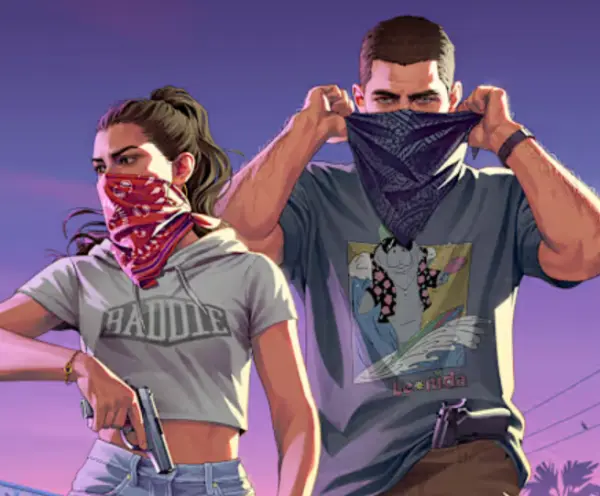
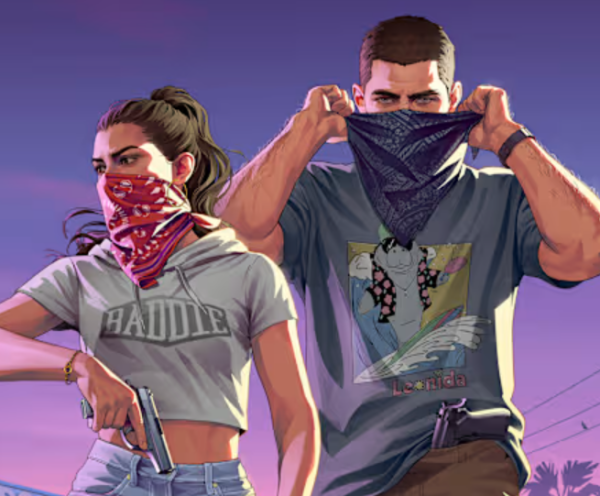
As the video game industry prepares for what is arguably the most anticipated commercial launch in modern entertainment history—Grand Theft Auto VI—the title’s publisher, Take-Two Interactive, and its development studio, Rockstar Games, find themselves locked in an intense digital manhunt. Scheduled for a major release later this fall, GTA VI has been subjected to some of the tightest marketing controls ever witnessed in the gaming sector. Yet, despite these security measures, the fortress has been breached.
On August 18, an anonymous actor operating under the moniker "Cyberleek" managed to puncture Rockstar’s armor, releasing unreleased, high-profile gameplay footage across the internet. The leak immediately went viral, igniting social media platforms and forcing Take-Two’s legal representatives into a reactive scramble. Accompanying the leaked assets was a bizarre anti-digital manifesto criticizing the gaming industry’s slow phasing out of physical discs, alongside opportunistic branding tied to a newly minted Solana cryptocurrency token.
In response, Take-Two has launched an aggressive, multi-pronged legal offensive. Utilizing Section 512(h) of the Digital Millennium Copyright Act (DMCA), the publisher has filed a series of sweeping subpoena applications in the U.S. District Court for the Southern District of New York. These legal instruments target some of the world’s largest tech platforms—including Discord, Microsoft, X Corp. (formerly Twitter), and Google/YouTube—in an effort to unmask the perpetrators.
However, the breadth of Take-Two’s legal strategy has triggered alarm bells across the digital privacy landscape. By demanding identifying data not just for suspected leakers, but for every single user who communicated within specific Discord community servers over a multi-month window, the publisher’s legal counsel has cast a wide, highly controversial dragnet. This report provides an in-depth, investigative breakdown of the legal filings, the mechanics of DMCA subpoenas, the friction between copyright enforcement and digital privacy, and what this high-stakes battle means for the future of online communities.

Detailed Chronology of the Leak and Legal Escalation
To understand the scale of Take-Two’s current legal offensive, it is necessary to trace the timeline of events that turned a routine software leak into a federal court proceeding.
The Breach: August 18
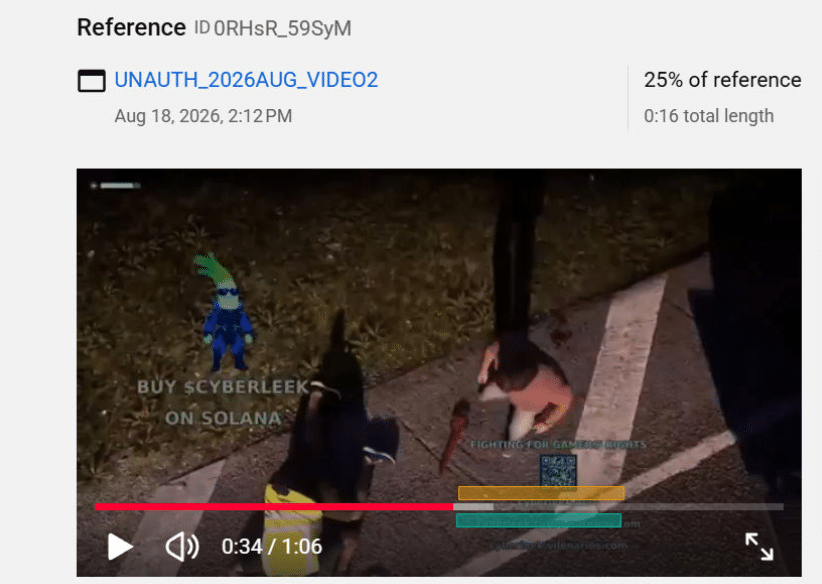
The incident began when user "Cyberleek" deployed unreleased GTA VI gameplay footage across various online channels. The videos spread like wildfire, replicated by thousands of users eager for a glimpse of Rockstar’s upcoming masterpiece. Crucially, the leaked material was heavily watermarked with promotional tags for a Solana-based crypto token ("BUY $CYBERLEEK ON SOLANA"), suggesting a dual motivation of clout-chasing and financial exploitation. Accompanying the leaks was a socio-political manifesto lambasting modern gaming trends, specifically targeting the decline of physical media ownership.
The First Wave of Subpoenas: Discord and Microsoft
Realizing that standard takedown notices were insufficient to stem the tide, Take-Two’s heavy-hitting legal representation from Kirkland & Ellis swiftly moved to the courts. On behalf of the publisher, the firm requested DMCA subpoenas targeting Discord and Microsoft.
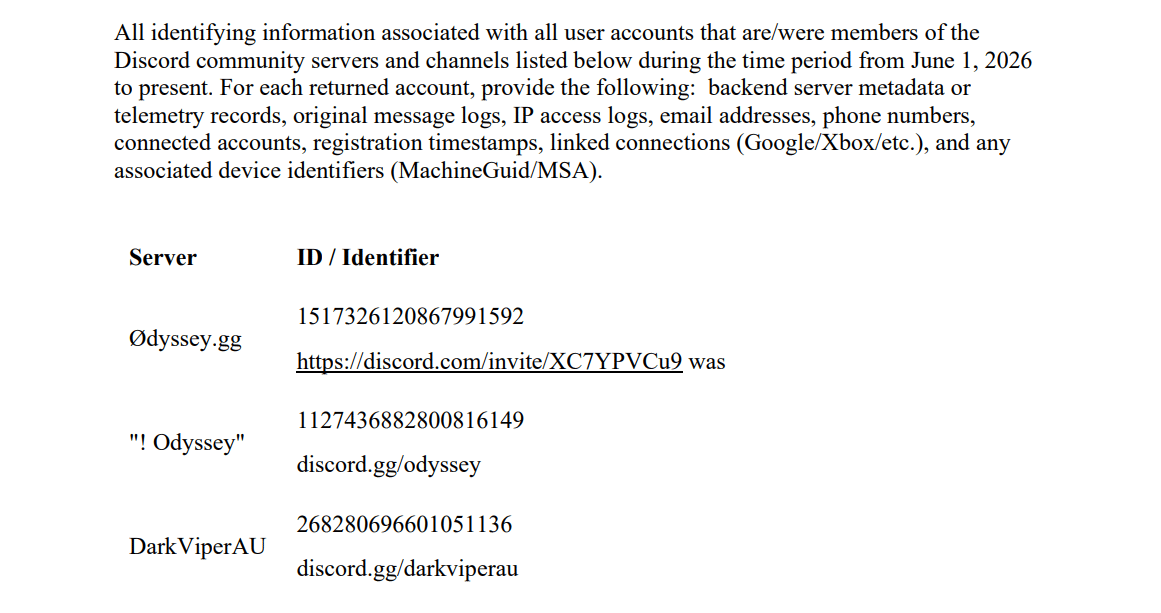
The scope of these initial filings stunned legal observers. Rather than focusing strictly on accounts known to have uploaded the infringing material, the Discord subpoena demanded logs, IP addresses, and personal identifying information for every user account that communicated within three specific Discord servers since June 1. Simultaneously, the Microsoft subpoena targeted internal company data, Windows device identifiers, IP access logs, and OneDrive contents connected to the "Cyberleek" investigation.
The Second Wave: X Corp. and Google
Barely 24 hours after the initial filings, a second legal team—Ruttenberg IP Law—filed targeted DMCA subpoena applications against X Corp. and Google.
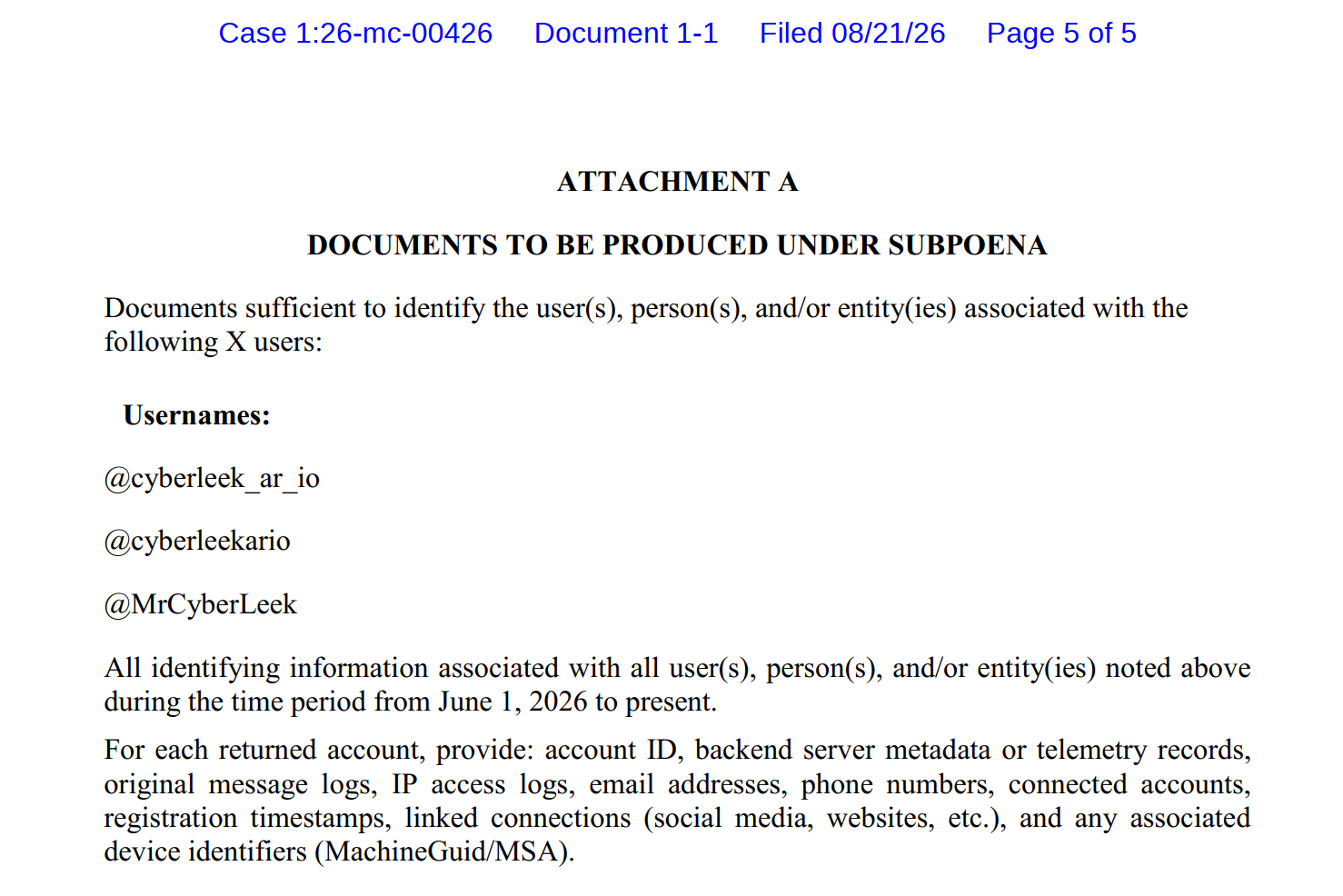
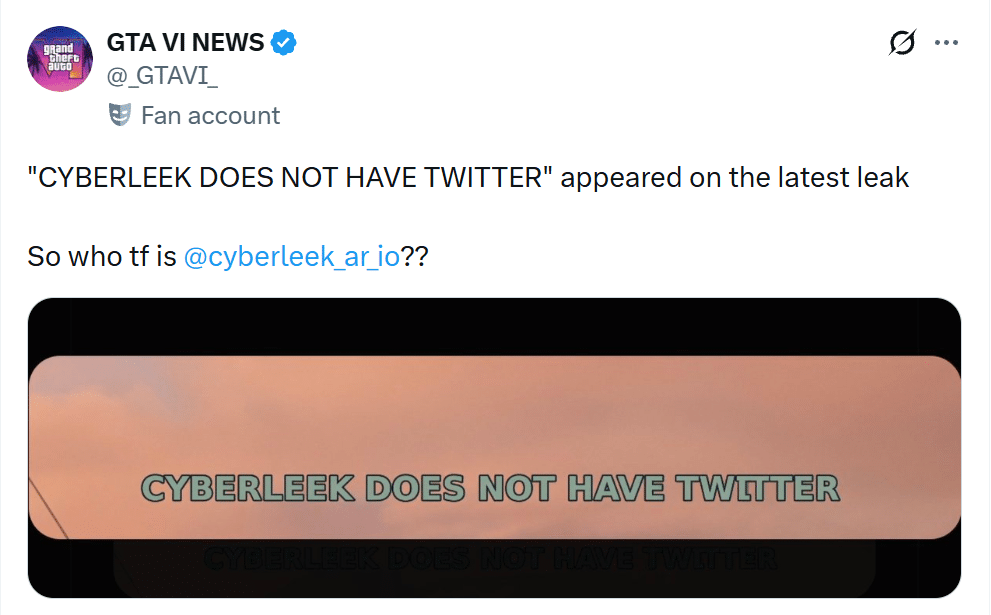
The application directed at X Corp. was considerably more focused than the Discord sweep, zeroing in on three specific handles: @cyberleek_ar_io, @cyberleekario, and @MrCyberLeek. Take-Two demanded account IDs, registration emails, phone numbers, connected accounts, and device identifiers from June 1 onward. Interestingly, this move occurred even as the GTA VI fan community and Cyberleek themselves had already flagged these accounts as impostors attempting to ride the coattails of the real leak.
Meanwhile, the Google/YouTube subpoena targeted a single specific leaked video and three associated channels: CyberLeeks, Surfer24k, and Cyberleek_ar_io. Through Content ID matches, Google had already flagged the unauthorized uploads as "UNAUTH_2026AUG_VIDEO2," giving Rockstar definitive digital fingerprints to cross-reference with data gathered from other platforms.
Procedural Status and Conflicting Reports
Under Section 512(h) of the DMCA, copyright holders can compel service providers to reveal user identities without needing to file a formal, fully-fledged lawsuit first. These administrative subpoenas require only a clerk’s signature, provided statutory conditions are met.
Initially, court dockets indicated that while presiding judges (such as Andrew L. Carter Jr. and Jennifer L. Rochon) had signed orders directing the court clerks to issue the subpoenas, the actual issuance had stalled, meaning no user data had immediately changed hands.
However, the situation grew murkier on August 31, 2026. In a subsequent court filing, Take-Two asserted that the primary Discord subpoena had indeed been issued on August 21 and "promptly served on Discord." This assertion created a direct contradiction with public statements made around August 24 by Discord’s marketing director, who insisted the company had not yet been served. Such discrepancies highlight the shadowy, fast-moving nature of digital copyright litigation, where docket entries and corporate realities frequently misalign.
Supporting Context & Metrics: The Anatomy of a DMCA Subpoena
To grasp the severity of Take-Two’s actions, one must analyze the legal mechanism being deployed: Section 512(h) of the Digital Millennium Copyright Act.
[Copyright Holder: Take-Two]
       │
       ▼ (Applies for Section 512(h) Subpoena)
[Federal Court / Clerk of Court]
       │
       ▼ (Issues Subpoena)
[Tech Platforms: Discord, Microsoft, Google, X]
       │
       ▼ (Compelled to Hand Over)
[User Data: IPs, Device IDs, Emails, Logs]
       │
       ▼ (Potential Outcome)
[Civil Lawsuits for Copyright Infringement & Damages]
Understanding Section 512(h)
The DMCA was enacted in 1998 to update copyright law for the digital age. Section 512(h) provides a streamlined shortcut for copyright owners. Normally, suing an anonymous internet user requires filing a "John Doe" lawsuit and engaging in formal discovery. Section 512(h), however, allows a copyright holder to request a court clerk to issue a subpoena directly to a service provider (like YouTube or Discord) demanding the identity of an alleged infringer based solely on a copyright takedown notice and a sworn declaration.
The Overbreadth Debate
The central controversy in Take-Two’s current campaign lies in the definition of an "alleged infringer."
While the law allows companies to unmask those who upload or distribute pirated content, Take-Two’s subpoena against Discord asks for the personal data of entire server populations—thousands of individuals, many of whom may have merely chatted about the weather, posted memes, or engaged in general gaming discussion within the targeted channels since June 1.
Digital rights advocates and legal scholars argue that this constitutes an abusive "fishing expedition." Compelling tech platforms to turn over private user logs for innocent bystanders violates core tenets of digital privacy. Conversely, corporate legal teams argue that tight-knit leak syndicates often operate within private, invite-only or gated channels, making sweeping data collection a necessary tool to map out sophisticated conspiracy networks.
Official Statements and Industry Reactions
As the legal documents circulate through the U.S. District Court for the Southern District of New York, stakeholders across the entertainment and tech industries have begun responding.
Take-Two’s legal counsel has maintained a firm, uncompromising stance, stating in court declarations that the exclusive purpose of the sweeping subpoenas is:
“…to obtain the identity of an alleged infringer or infringers, and that such information will only be used for the purpose of protecting Take-Two’s rights.”
This carefully worded declaration leaves the door wide open for subsequent multi-million-dollar civil lawsuits against anyone identified through the data handoff. Rockstar Games, meanwhile, has doubled down on its promotional strategy, refusing to let the leaks derail their upcoming "Extended Look" gameplay premiere slated to air on Netflix later this month.
On the tech side, platform resistance is mounting. While major corporations like Microsoft, Google, and Discord routinely process DMCA requests, the unprecedented breadth of Take-Two’s demands has prompted internal reviews. Internet freedom organizations have noted that service providers frequently push back against overly broad subpoenas, and individual users retain the legal right to file motions to quash if they believe their personal data is being unlawfully exposed.
Future Outlook: What Happens Next?
The fallout from the Grand Theft Auto VI leak investigation will likely set critical legal precedents regarding the boundaries of digital copyright enforcement. As autumn approaches, several key developments are expected to unfold:
- Motions to Quash: Legal defense organizations specializing in digital rights are expected to assist targeted users or advise platform operators to challenge the breadth of the Discord and Microsoft subpoenas. Arguing that the requests violate the First Amendment rights of anonymous speech and overreach the statutory limits of Section 512(h) will be central to these challenges.
- Data Handover and Civil Litigation: If the subpoenas withstand judicial scrutiny, Take-Two will gain access to a treasure trove of IP logs, device identifiers, and registration emails. Should the publisher identify individuals directly responsible for exfiltrating source code or unreleased assets from Rockstar’s servers, aggressive civil lawsuits—and potentially criminal referrals—will inevitably follow.
- The Marketing Countdown: Despite the turbulence caused by "Cyberleek" and the ensuing legal drama, the commercial machine behind GTA VI marches forward. Rockstar’s planned Netflix gameplay showcase remains the most critical upcoming milestone, serving as the company’s definitive counter-narrative to months of unauthorized, fragmented leaks.
Ultimately, Take-Two’s aggressive legal dragnet sends an unmistakable message to the gaming underground: the publisher will spare no expense and exploit every available legal avenue to protect its intellectual property. Whether that dragnet crosses the line from legitimate copyright protection into an overreaching invasion of digital privacy will now be decided in the federal courts.