






Executive Overview
The grim, gothic corridors of Sanctuary are finally making the long-awaited leap from PC and console monitors to the screen, as Blizzard Entertainment officially teams up with streaming giant Netflix to develop an animated television adaptation of its legendary Diablo franchise. The bombshell announcement was delivered by Blizzard President Johanna Faries during her keynote address at the opening ceremony of BlizzCon 2026, held at the Anaheim Convention Center.
For millions of fans who have spent the better part of three decades battling legions of the undead, cultists, and Prime Evils, this announcement marks a monumental watershed moment. Diablo, one of the most culturally defining and enduring dark fantasy properties in gaming history, has long been considered a prime candidate for cinematic or episodic storytelling. Its deeply layered lore, apocalyptic stakes, and philosophical explorations of good versus evil lend themselves naturally to a prestige animated format—a medium that has increasingly proven capable of handling mature, complex video game adaptations with the likes of Netflix’s Arcane and Castlevania.
This high-profile collaboration represents far more than just another cross-media adaptation; it is a strategic alignment of two entertainment juggernauts. For Blizzard, the project signals a aggressive push to expand its intellectual properties beyond traditional interactive entertainment, ensuring that universes built over decades permeate broader pop-culture landscapes. For Netflix, securing the rights to Diablo adds another prestigious, globally recognized gaming asset to its growing portfolio of high-end fantasy and animation properties.
As details continue to trickle out from Anaheim and Blizzard headquarters, the industry is left buzzing with anticipation. While specific casting, showrunners, and release windows remain tightly under wraps, the confirmation of the Diablo animated series sets a new tone for Blizzard’s post-acquisition era under Microsoft, proving that the developer is ready to unleash the forces of the Burning Hells upon a whole new audience.
Detailed Chronology: From the Catacombs of Tristram to the Halls of Netflix
To understand the magnitude of the Diablo animated series announcement, one must trace the winding, three-decade lineage of the franchise—a history defined by technological innovation, genre-defining gameplay loops, and a steadfast commitment to uncompromising dark fantasy.
The Genesis: 1996 and the Birth of the Action-RPG
The story of Diablo began in 1996 with the release of the original game developed by Blizzard North (then known as Condor). Released for MS-DOS and Microsoft Windows, the title was a modest yet revolutionary experiment that combined real-time action with traditional role-playing progression, item hunts, and randomized dungeon generation. Set in the fictional, beleaguered town of Tristram, players descended into the catacombs beneath a cathedral to face the Lord of Terror himself.
The game’s gothic atmosphere, haunting musical score composed by Matt Uelmen, and visceral combat struck a chord with gamers worldwide. It single-handedly birthed and popularized the modern action-RPG (ARPG) genre, establishing a design philosophy that would influence countless "clones" and successors over the next thirty years.
Scaling the Heavens and Hells: Sequels and Expansions
Capitalizing on the monumental success of the original, Diablo II launched in the year 2000, widely regarded today as one of the greatest video games ever made. Expanding the scope of the universe far beyond the borders of Tristram, the sequel introduced iconic classes like the Necromancer and Sorceress, a sprawling multi-act structure, and an endgame economy centered around loot hunting and trading that predated modern live-service paradigms. Its expansion, Lord of Destruction (2001), solidified its legendary status.
After a protracted development cycle marked by creative shifts, Diablo III arrived in 2012. Despite initial controversies surrounding its real-money auction house and stylized art direction—which were eventually overhauled and redeemed by the critically acclaimed Reaper of Souls expansion—the game shattered sales records, eventually welcoming tens of millions of players across PC, last-gen, and current-gen consoles.
The franchise further diversified in the late 2010s and early 2020s, expanding into the mobile space with Diablo Immortal (2022). While met with initial skepticism regarding its monetization model, Immortal proved to be a massive financial engine and a surprisingly robust narrative bridge, filling in critical canonical gaps between the events of Diablo II and Diablo III.
The Modern Era: Diablo IV and BlizzCon 2026
The most recent mainline entry, Diablo IV, launched in June 2023 to immense commercial success, anchoring Blizzard’s modern identity with its grimdark aesthetic, open-world exploration, and continuous seasonal updates. It proved that the appetite for Sanctuary’s bleak mythos had never been stronger.
Now, exactly thirty years after a lone hero first stepped into the church of Tristram, the franchise reaches its ultimate cross-media milestone. The announcement of the Netflix animated series at BlizzCon 2026 closes a loop that fans have dreamed about for decades, cementing Diablo not just as a titan of gaming, but as a pillar of global dark fantasy entertainment.
Supporting Context & Metrics: The Anatomy of Sanctuary and Industry Dynamics
To fully appreciate why a Diablo adaptation is viable and necessary right now, it is essential to examine the world of Sanctuary, the economic landscape of modern video game adaptations, and the structural shifts currently taking place within Blizzard Entertainment.
The Lore of Sanctuary: Eternal Conflict
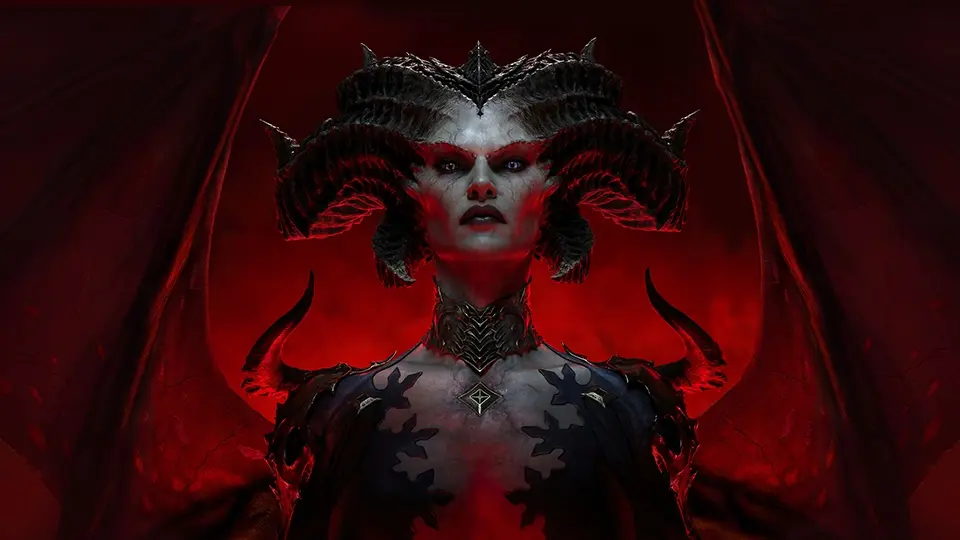
At the narrative heart of the franchise is Sanctuary, a realm created in secret by a renegade faction of angels and demons—led by the angel Inarius and the demoness Lilith—who grew weary of the endless "Eternal Conflict" between the High Heavens and the Burning Hells. Sanctuary was intended to be a safe haven, a sanctuary away from the cosmic war.
Instead, it became the ultimate prize. Humanity, the mortal offspring of angels and demons, possesses latent power that both sides seek to exploit or eradicate. The cosmology of Diablo is intensely theological, morally ambiguous, and profoundly visceral. The Prime Evils—Diablo, Baal, and Mephisto—and the Lesser Evils constantly plot the corruption of mankind, while the rigid, self-righteous Host of Heaven views humanity with suspicion, sometimes treating them as collateral damage in their divine war.
This rich tapestry of cosmic horror, political betrayal, familial tragedy (such as the tragic fate of King Leoric and Prince Albrecht), and existential dread provides fertile ground for serialized television. Unlike games where narrative pacing is dictated by player exploration and combat intervals, an animated series can dive deep into the psychological toll of the Eternal Conflict on ordinary mortals, cultists, and the heroic horadrim.
The Post-Acquisition Landscape: BlizzCon 2026
BlizzCon 2026 holds unprecedented historical significance for Blizzard Entertainment. It is the first iteration of the convention to take place following the monumental dust-settling of Microsoft’s $69 billion acquisition of Activision Blizzard, which formally closed in late 2023.
Under the new corporate umbrella, Blizzard has undergone a cultural and strategic revitalization. Leadership under president Johanna Faries has emphasized renewed creative freedom, cross-media synergy, and a return to fan-centric celebrations. The decision to reveal the Diablo Netflix series during the opening ceremony was a calculated display of confidence, signaling to the industry that Blizzard’s intellectual properties are being mobilized for a new era of expansion.
The Golden Age of Video Game Adaptations
The timing of the Diablo series is no accident. For decades, Hollywood treated video game adaptations as cursed properties, resulting in critically panned cinematic misfires. However, a profound paradigm shift has occurred over the last several years. Driven by high-fidelity animation and prestige television writing, projects like Riot Games’ Arcane, HBO’s The Last of Us, Amazon’s Fallout, and Netflix’s own Castlevania and Cyberpunk: Edgerunners have shattered the adaptation curse.
These shows have proven that audiences do not just tolerate faithful adaptations of complex video game lore—they crave them. With its distinct visual motifs, iconic monsters (from the Butcher to the Lord of Terror), and established global fanbase, Diablo is uniquely positioned to capitalize on this golden age of gamer-centric prestige television.
Official Statements & Industry Perspectives
The announcement at BlizzCon 2026 was accompanied by a wave of official commentary from key executives, illuminating the strategic vision driving the project forward.
In her keynote address at the Anaheim Convention Center, Blizzard President Johanna Faries underscored the studio’s desire to transcend the boundaries of interactive software. Following up on the announcement, Blizzard released an official statement outlining the broader corporate philosophy:
"After decades of bringing entire universes to life through our games, we’re partnering with some creative powerhouses to tell even more stories beyond gaming across new screens. A new animated series set in the world of ‘Diablo’ is in development with Netflix. More details will be shared in the future, but this is only the beginning, with even more taking shape across our universes."
Expanding on the momentum behind the studio’s current trajectory, Faries spoke with Variety in an exclusive interview ahead of the convention’s opening day, reflecting on the weight and timing of BlizzCon’s return:
"BlizzCon in and of itself represents so much for all of us to be able to shine a light on all the great work going on at Blizzard," Faries shared. "We have put a lot of thought into this moment, and why now, and how do we continue to capture and build on the momentum we’re experiencing as an organization."
Industry analysts have been quick to praise the partnership. By pairing Blizzard’s unparalleled world-building expertise with Netflix’s unrivaled global distribution network and proven track record in mature animation, the Diablo series enters development with structural advantages that few adaptations enjoy. While Netflix has yet to officially name the animation studio handling the project or the specific writers room spearheading the scripts, insider speculation points toward top-tier animation houses capable of replicating the grim, painterly, and visceral aesthetic that has defined the franchise’s cinematic history—qualities heavily reminiscent of Blizzard’s own legendary in-house cinematic team.
Future Outlook: What Lies Ahead for Sanctuary and Beyond
As BlizzCon 2026 presses forward through the weekend, with panels dissecting the future of World of Warcraft, Overwatch, and the Diablo franchise writ large, the horizon for Blizzard’s entertainment empire has never looked more expansive.
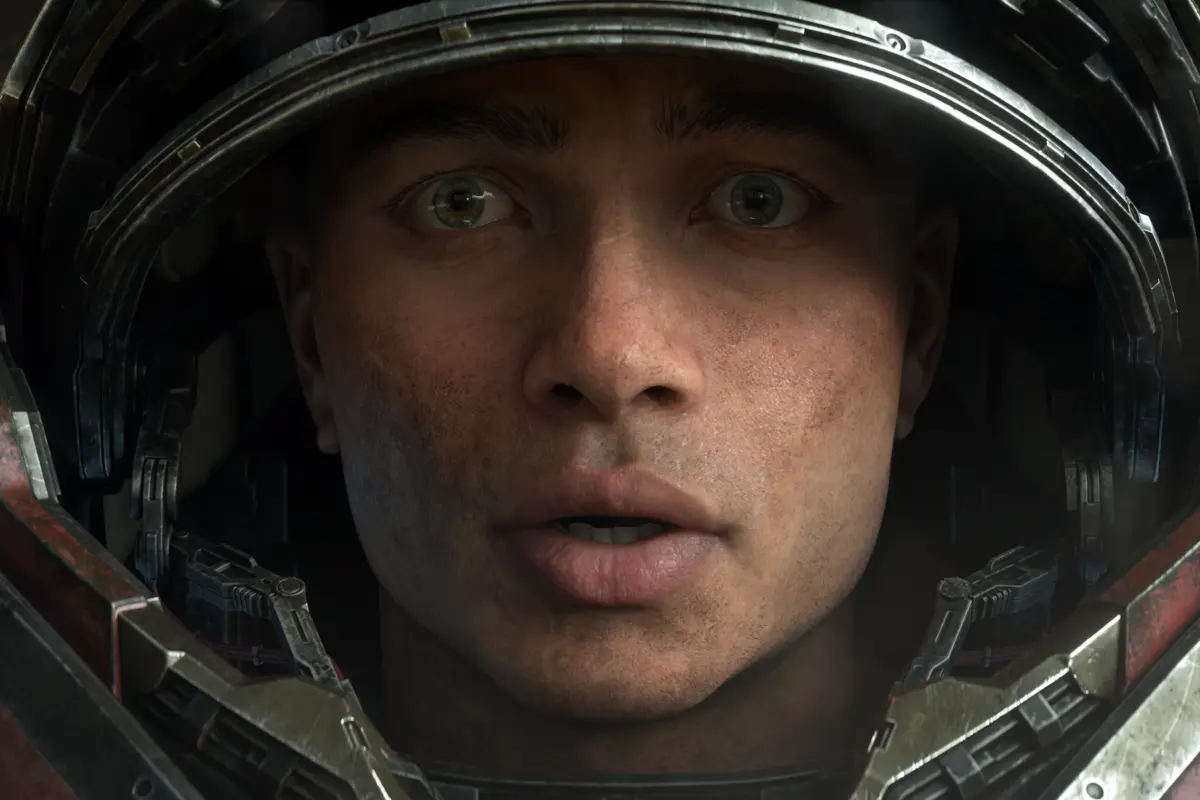
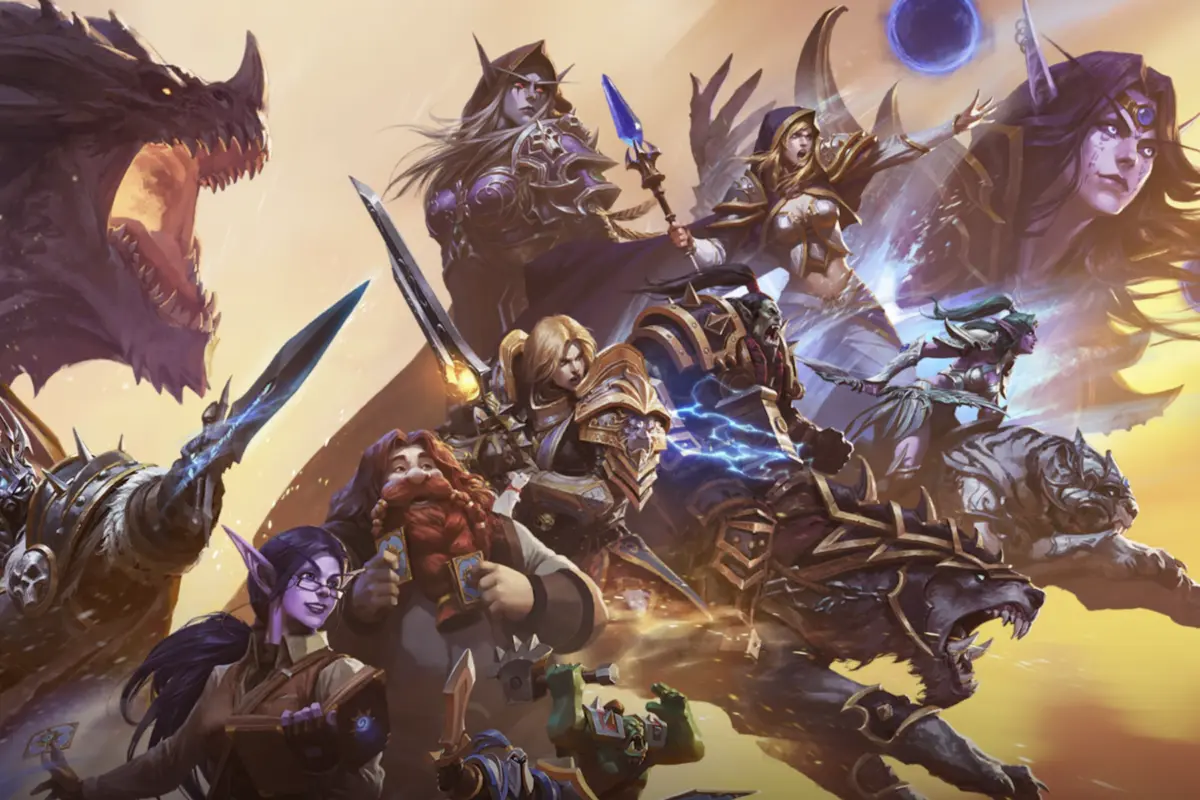
The development of the Diablo animated series raises exciting questions about what comes next. Blizzard’s official statement explicitly noted that this partnership is "only the beginning, with even more taking shape across our universes." This phrasing has inevitably ignited a firestorm of speculation among fans. Could a StarCraft military sci-fi epic or a high-fantasy World of Warcraft prestige series be lurking in the wings? Given the success of Arcane and the rising appetite for deep sci-fi and fantasy world-building, the possibilities are virtually limitless.
For now, all eyes remain fixed on Sanctuary. The journey from clicking on glowing red portals in 1996 to watching the harrowing tales of the Horadrim unfold in episodic animation is a testament to the enduring power of Blizzard’s dark creation. As the fires of the Burning Hells prepare to illuminate television screens worldwide, one thing is certain: humanity’s fight for survival in the shadows of the High Heavens is about to reach an entirely global, cross-media stage.
Variety will continue to provide comprehensive, on-the-ground coverage of BlizzCon 2026 throughout the weekend, bringing readers the latest breaking news, exclusive interviews, and deep-dive analysis as the story of the Diablo animated series unfolds.