In an era dominated by global shutter sensors, AI-driven vehicle-tracking autofocus, and continuous shooting speeds that exceed 120 frames per second, modern sports photography has reached a state of technological perfection. Yet, this clinical precision has sparked a quiet counter-revolution. A growing cohort of elite creative professionals is intentionally discarding high-speed digital systems in favor of mechanical, chemical, and highly restrictive analog equipment.
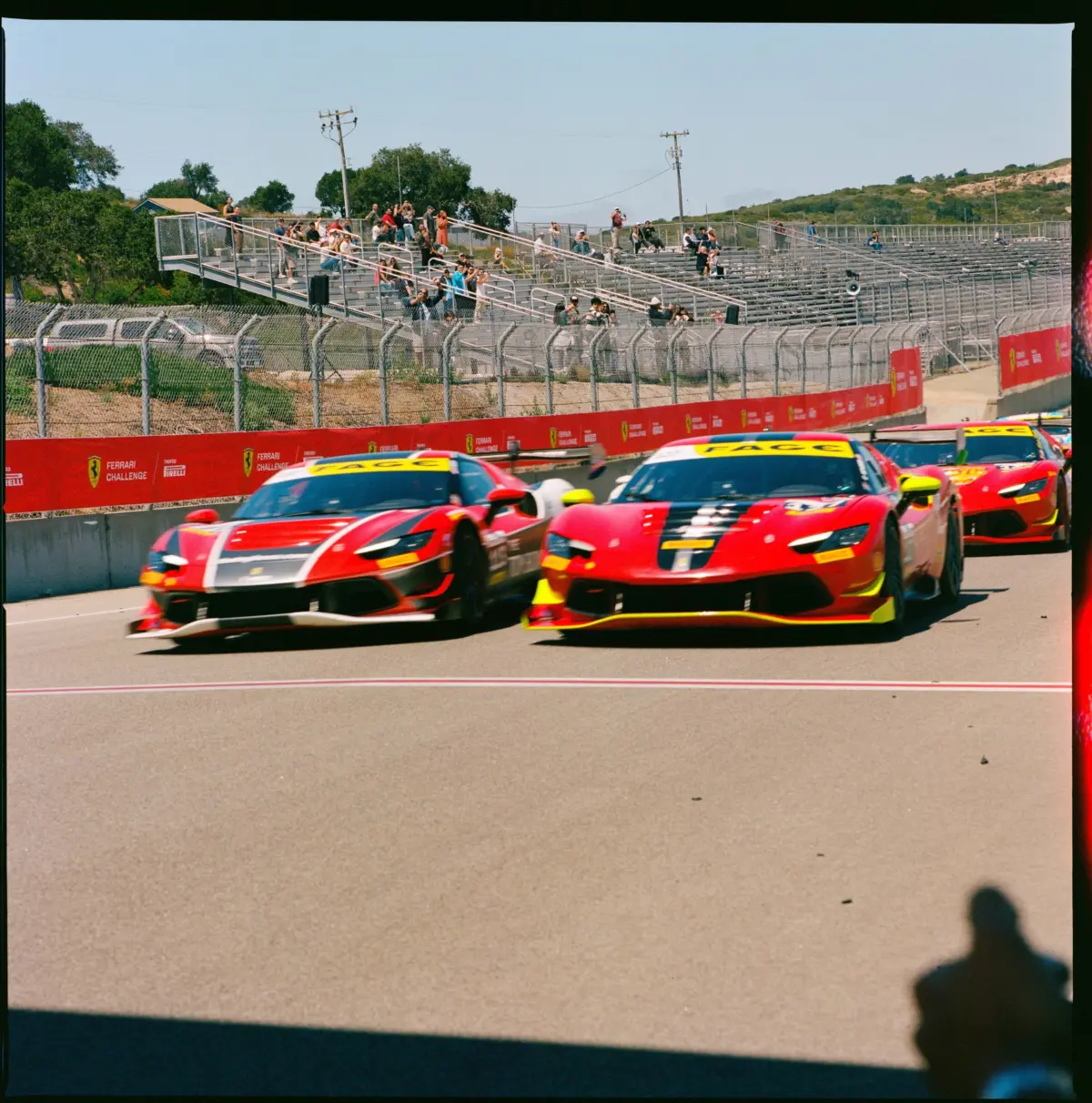
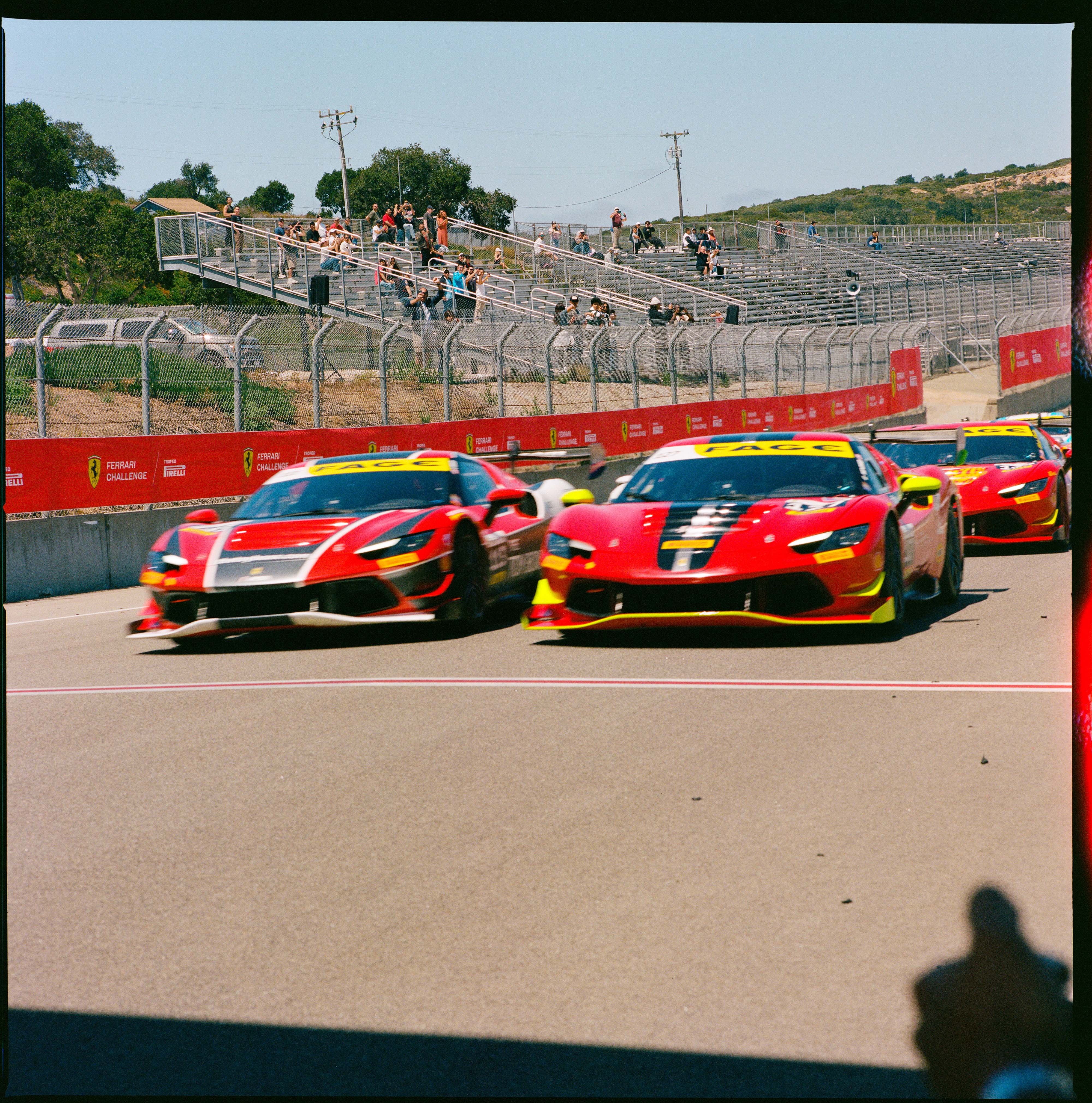
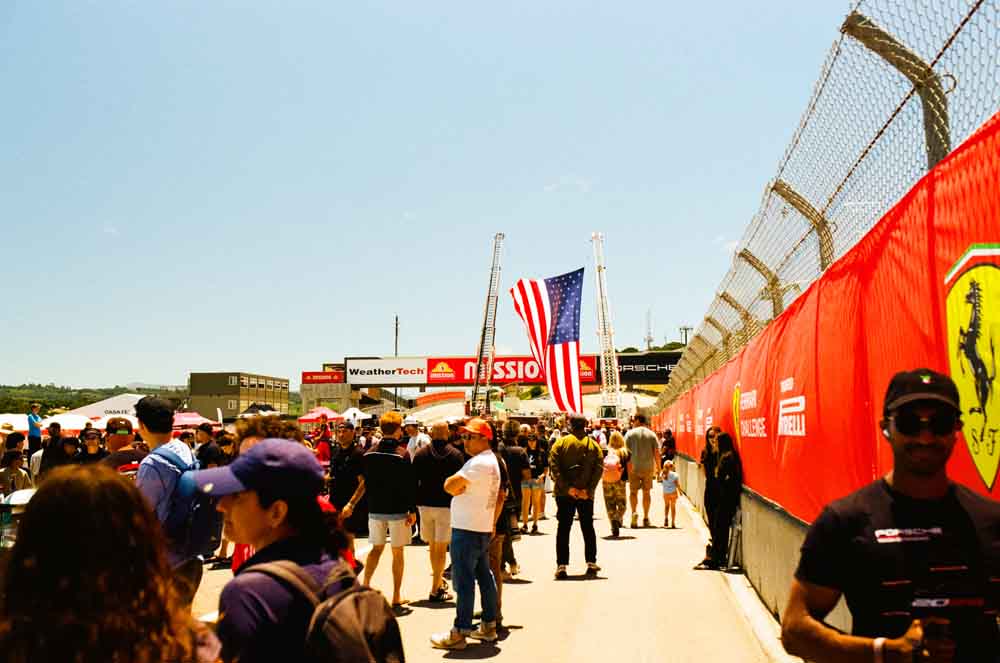
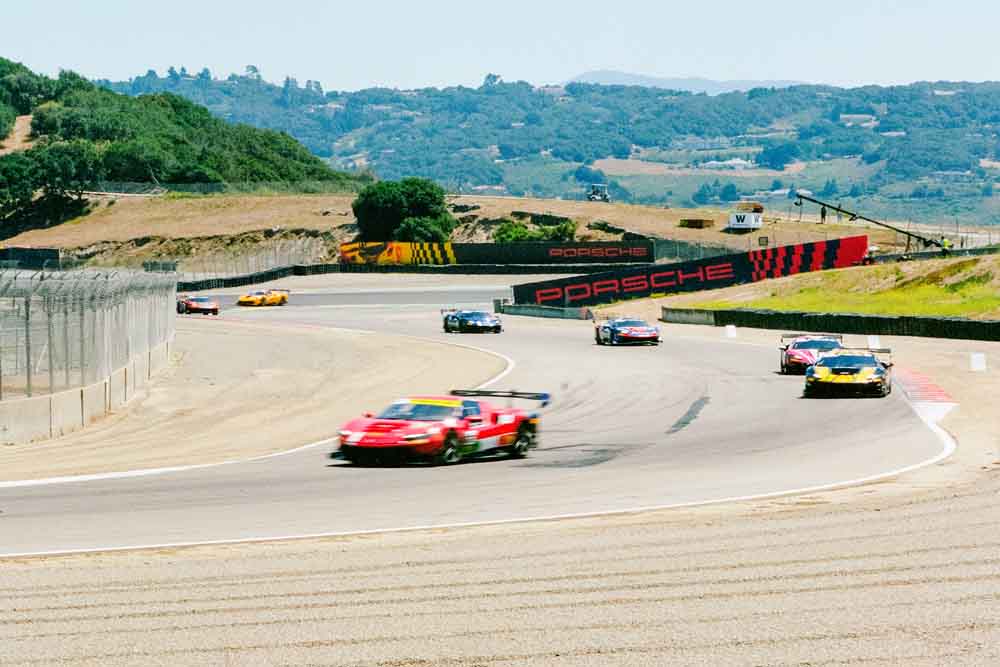
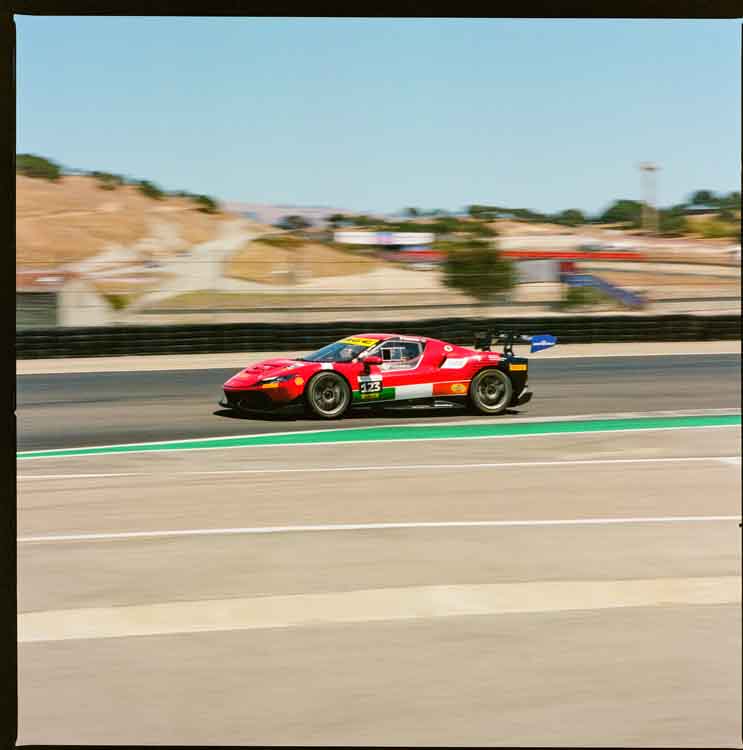
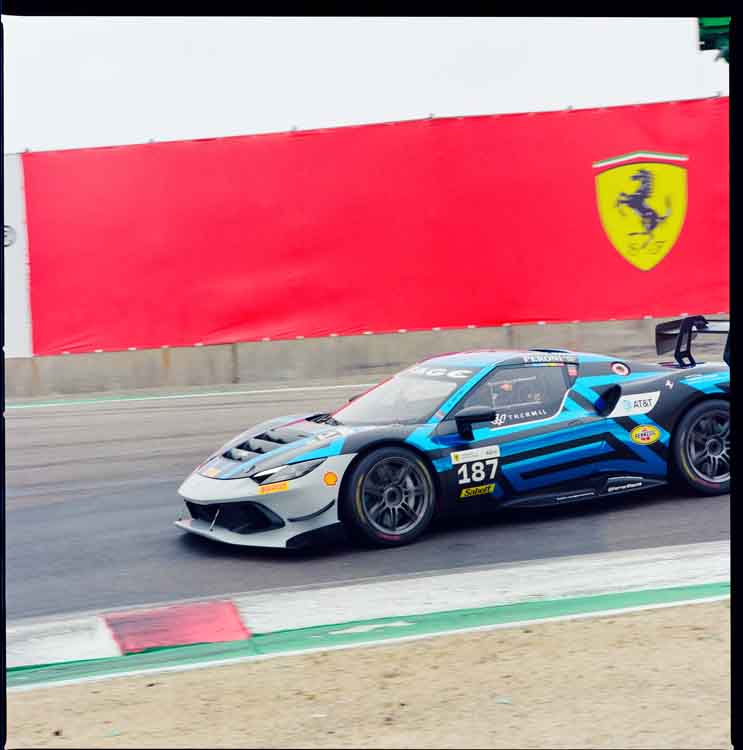
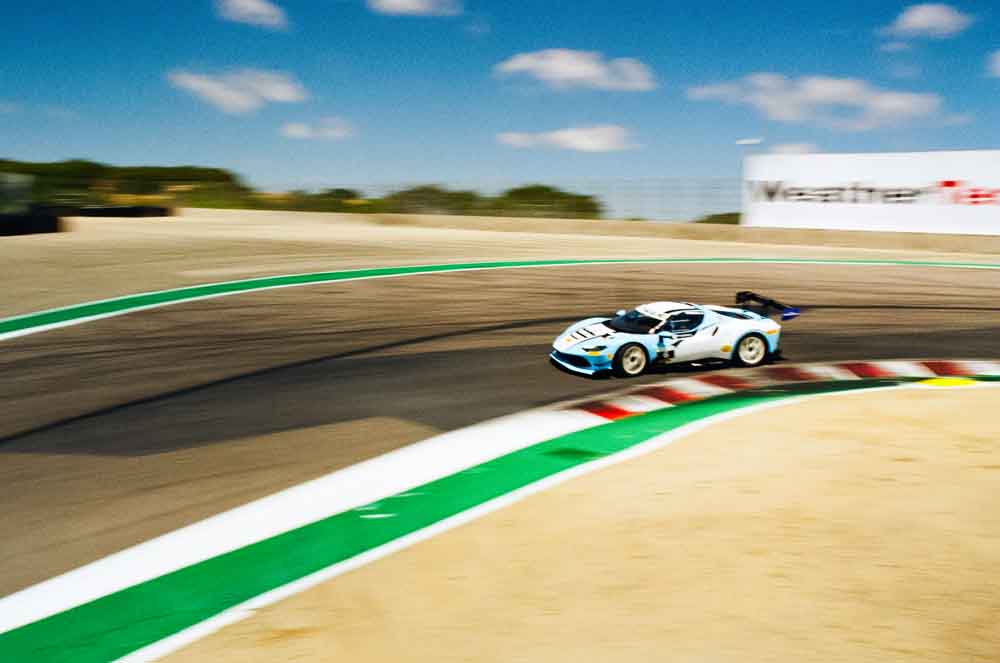
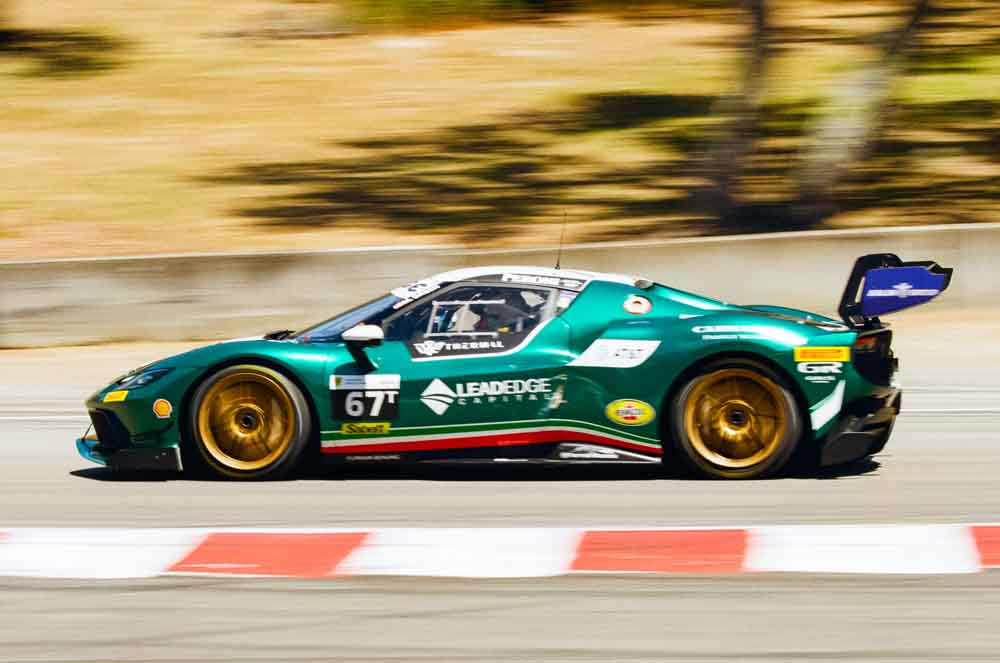
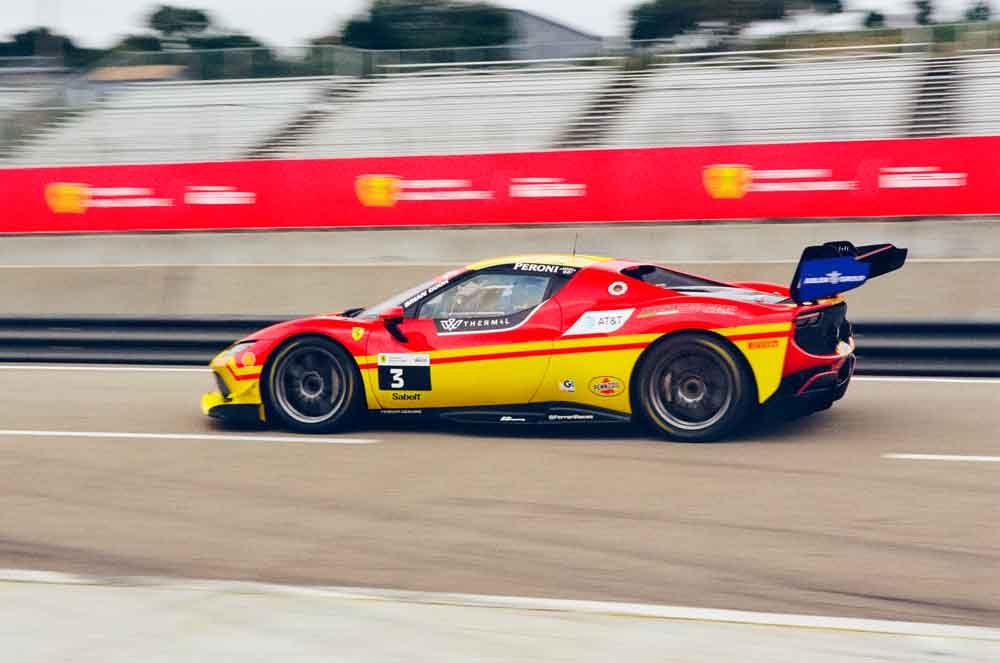
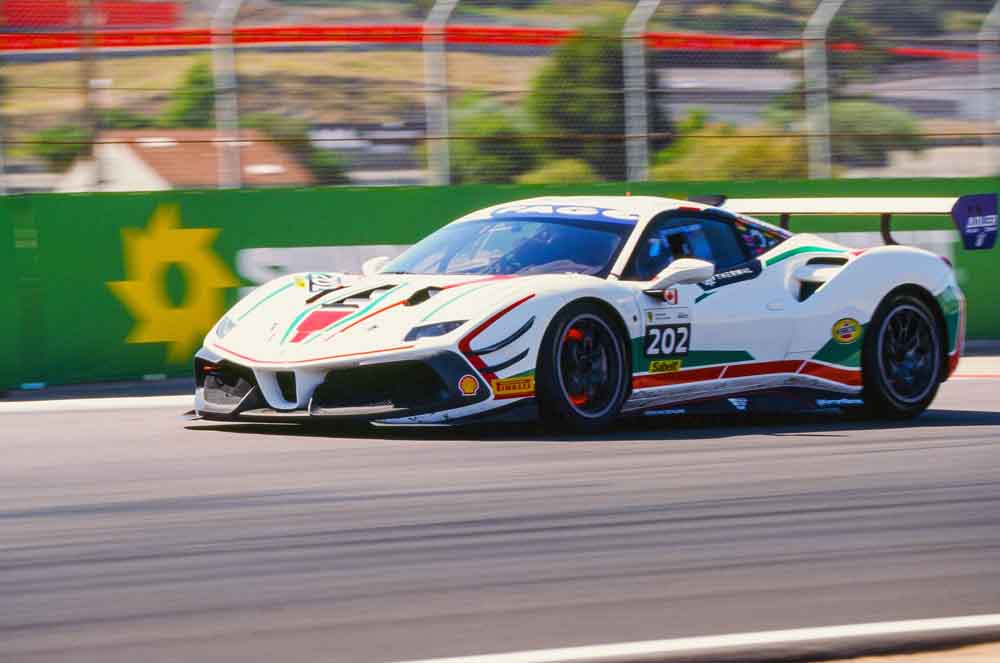
This investigative feature explores this phenomenon through a dedicated case study at the Ferrari Challenge North America race weekend, held at the historic WeatherTech Raceway Laguna Seca in Salinas, California. By documenting one of the world’s most prestigious spec-racing series using a mix of vintage medium-format and 35mm film cameras, this project exposes the creative, physical, and psychological tension between high-speed action and slow-paced analog documentation.
The findings reveal that while digital sensors deliver flawless technical execution, the deliberate constraints of film—such as manual focus, delayed gratification, and chemical grain—capture the emotional gravity, spatial geometry, and historical continuity of motorsport in a manner that computational digital systems cannot replicate.
Detailed Chronology of the Race Weekend
To understand the operational realities of shooting a high-speed motorsport event on analog film, we must trace the chronological progression of the Ferrari Challenge NA weekend, examining how different formats and chemical emulsions were deployed across varying environments.
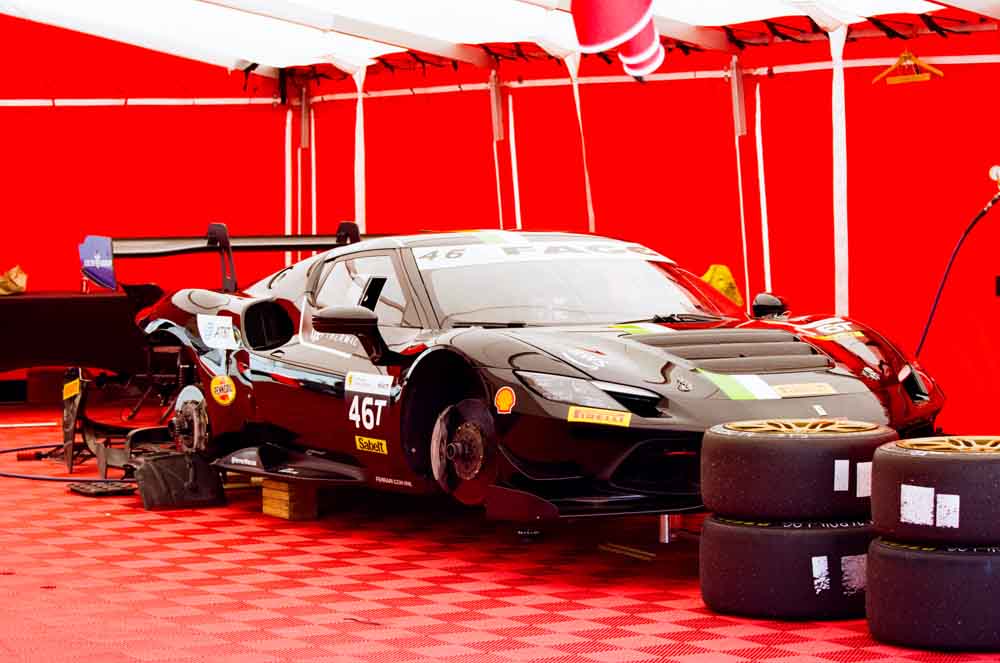
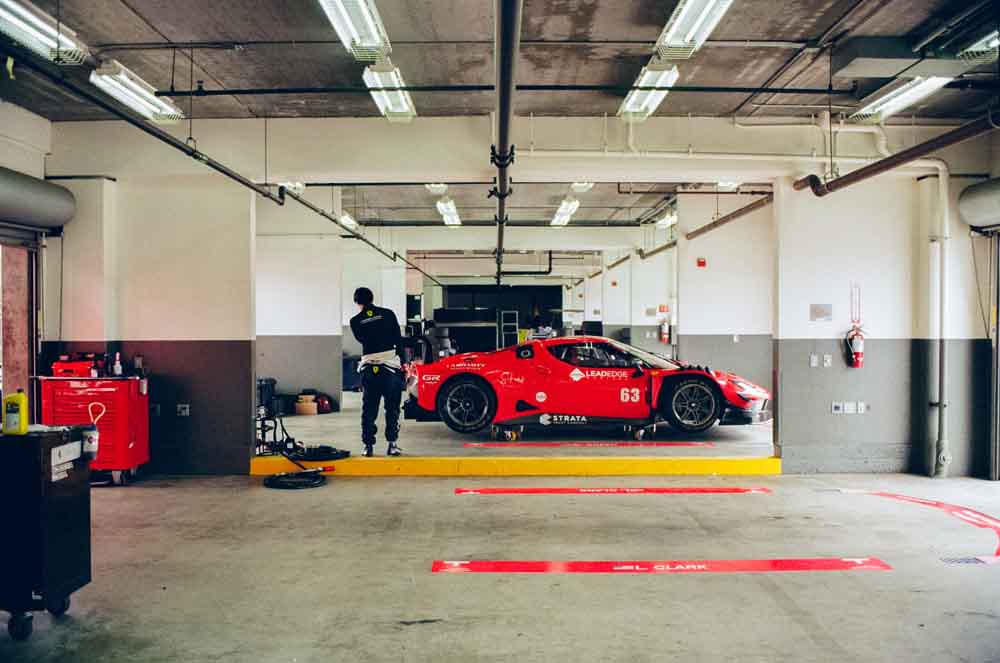
The race weekend began not on the asphalt, but in the relative sanctuary of the paddock and garages. Here, teams prepped identical Ferrari race cars, engineers analyzed telemetry, and drivers mentally prepared for the grueling sessions ahead.
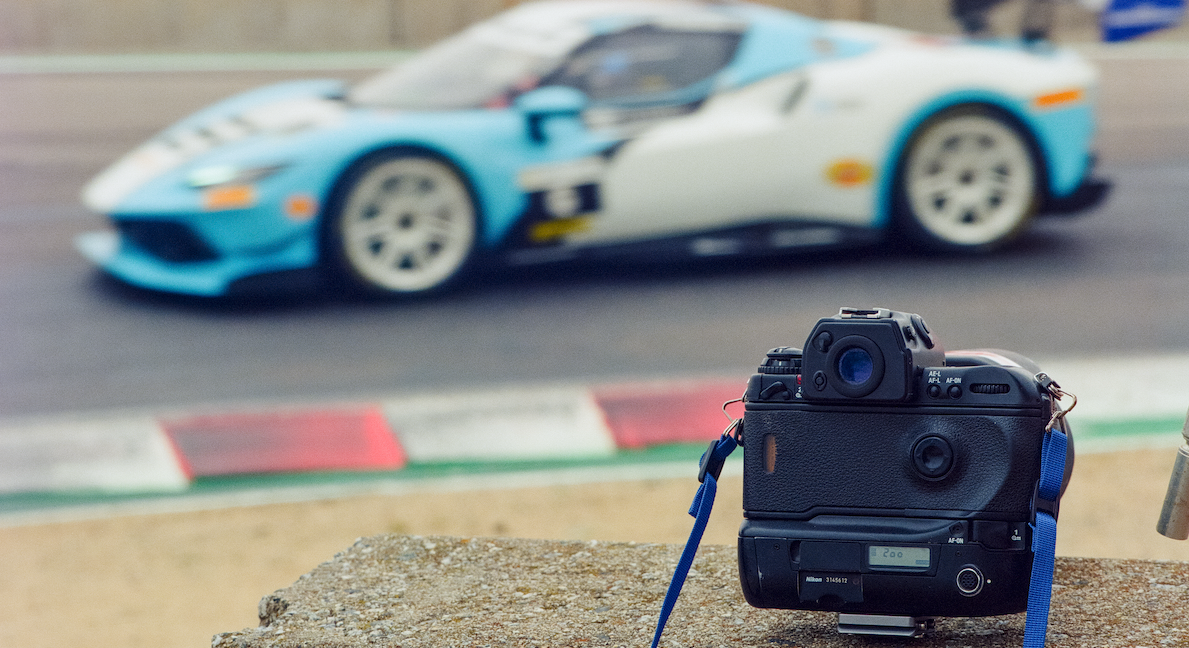
For these moments, the choice of medium was deliberate: low-speed color films like Kodak ProImage 100 and Kodak Portra 400, paired with the Nikon F5 and the legendary Hasselblad 500CM.
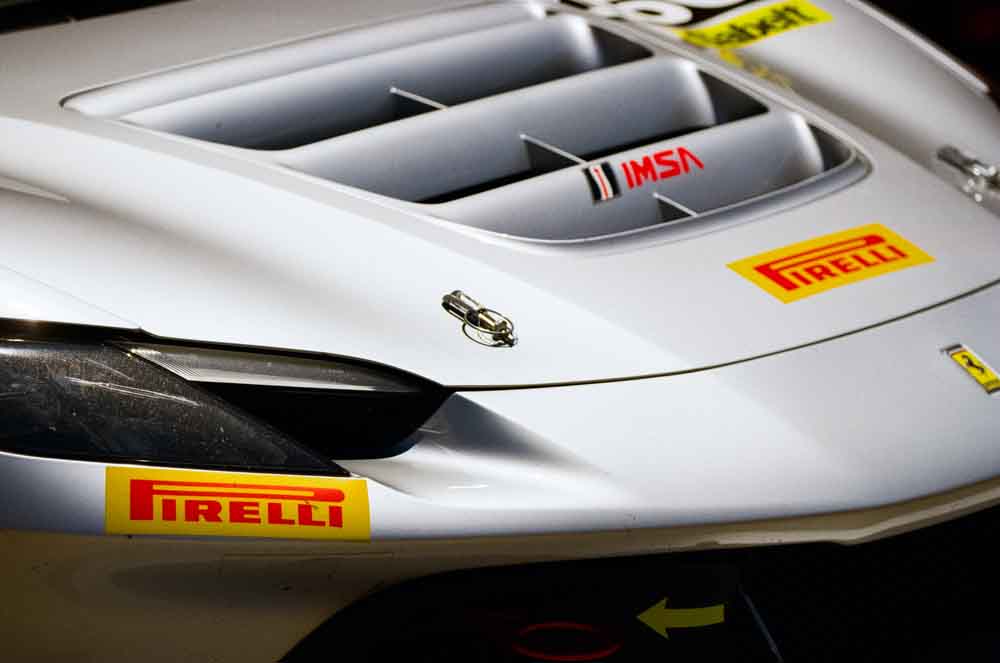
The Atmospheric Advantage: Unlike digital cameras, which tend to render clinical, hyper-sharp details of modern garage lighting, the analog film stocks captured the warm, reflective surfaces of the red bodywork and the soft, ambient dust of the garage stalls.
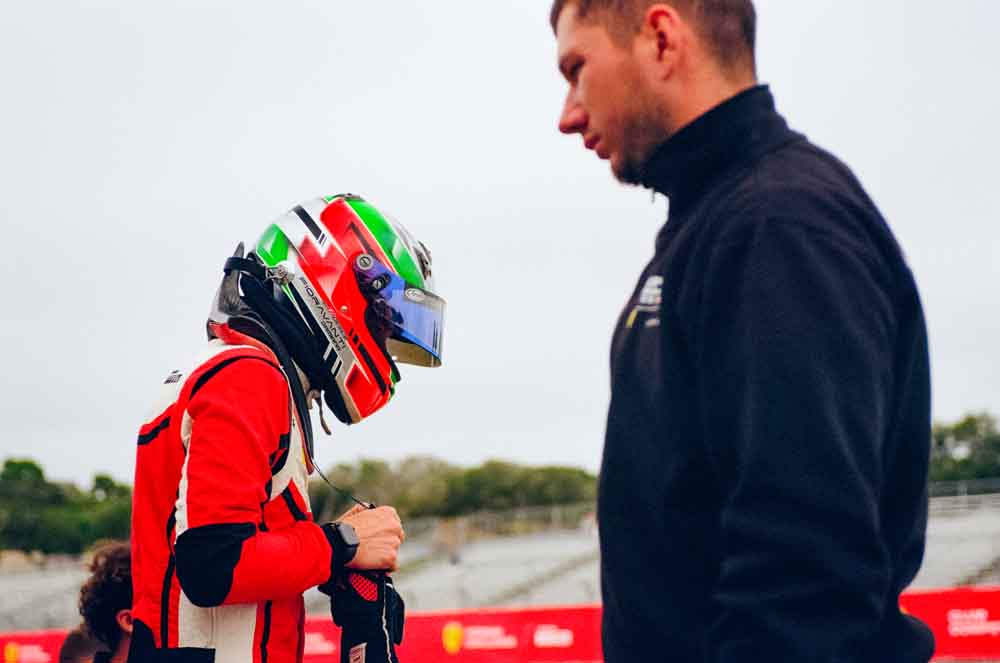
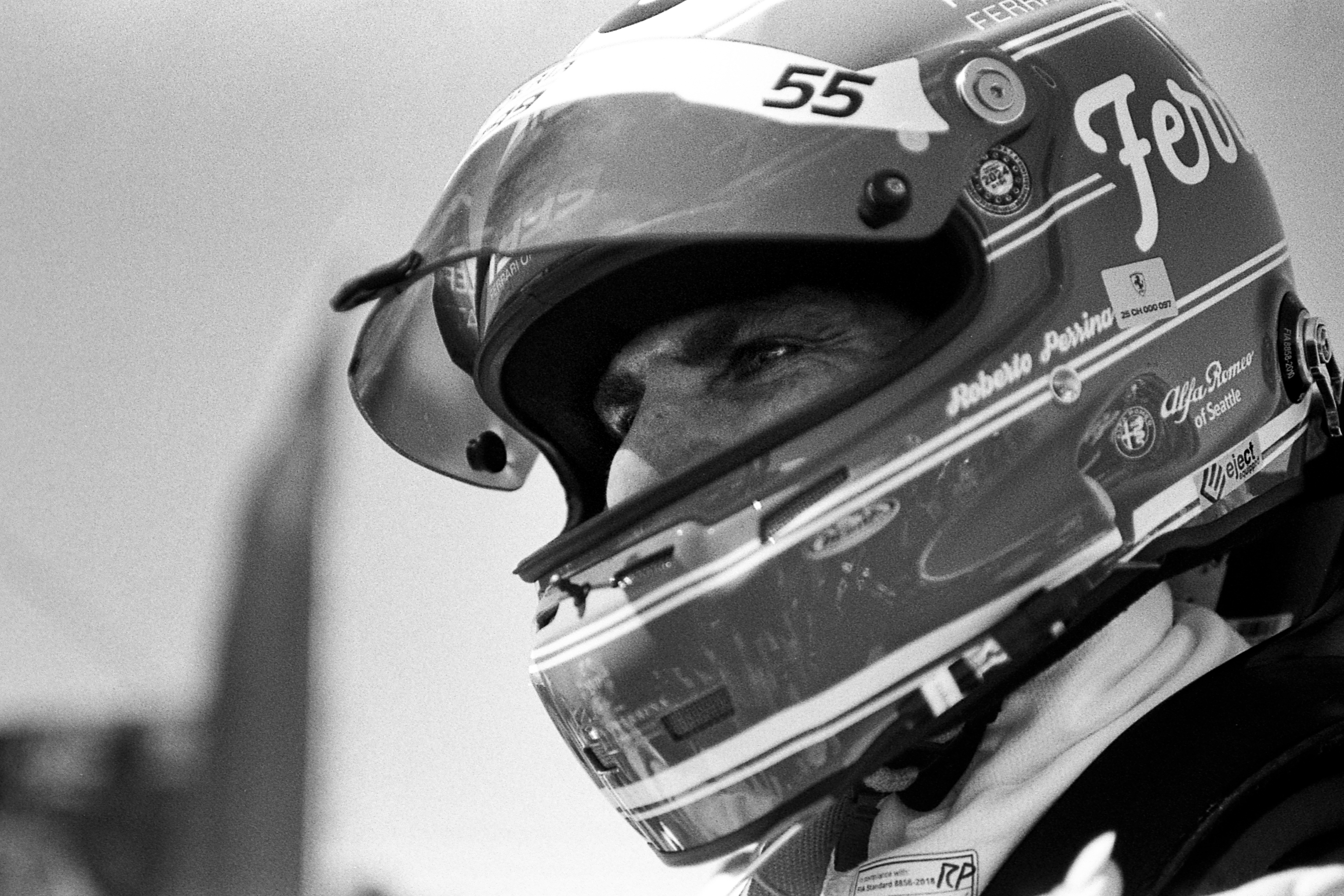
The Ritual of Engagement: Operating a manual-wind Hasselblad in the paddock altered the social dynamic between the photographer and the subjects. The slow, physical act of looking down into a waist-level finder signaled a respectful, non-intrusive approach, allowing the capture of candid moments—such as a driver inspecting tire tread or adjusting their helmet—without disrupting their pre-race focus.
Phase 2: Navigating "The Corkscrew" at Speed
As the spec-series Ferraris took to the track, the logistical and physical challenges of analog capture escalated dramatically. The primary destination was Laguna Seca’s infamous Turn 8 and 8a, universally known as "The Corkscrew."
                  [Turn 8 Crest]

                          -59 Ft. Drop
                           (18% Decline)

                     [Turn 8a Apex]
The Corkscrew is a blind, hard-left to hard-right turn that drops a staggering 59 feet in only 450 feet of track length, equivalent to a five-story plunge. Cars attack this feature at speeds exceeding 140 mph before braking heavily, causing the chassis to compress and the road to drop out from beneath them.
The Cognitive Challenge of the Waist-Level Finder: Panning a 140-mph racing car through the waist-level finder of a Hasselblad 500CM is a cognitive exercise in reverse physics. Because the image in the ground glass is reversed left-to-right, the photographer must physically pan the camera to the left to track a vehicle moving to the right.
Pre-Focusing and Spatial Geometry: With a manual-focus lens, tracking a car through a multi-dimensional drop is virtually impossible in real-time. The photographer had to pre-focus on a specific patch of asphalt (the Turn 8 apex), calculate the depth of field at a given aperture (typically f/5.6 or f/8), and trip the mechanical shutter at the exact millisecond the car entered the pre-determined focal plane.
Emulsion Choices for High-Velocity Action: Under the shifting coastal fog of Monterey, Kodak Portra 800 was deployed to maintain high shutter speeds (1/1000s or 1/2000s) to freeze the motion, while Kodak Ektachrome 100 slide film was selected for its tight grain and vivid color rendition, capturing the glowing brake rotors of cars entering Turn 5.
Phase 3: The Checkered Flag and the Monochromatic Climax
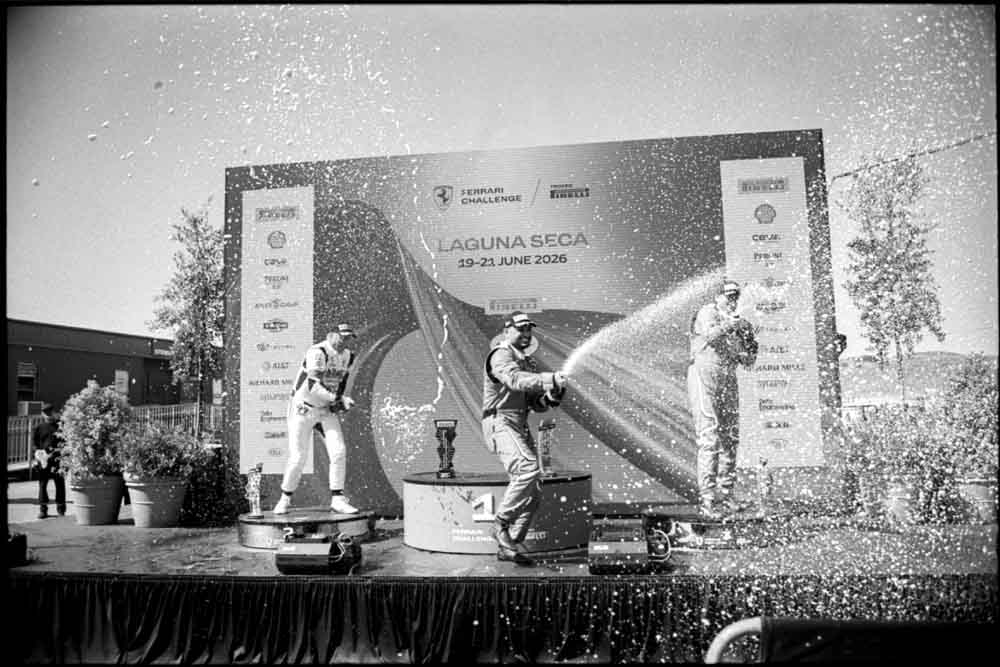
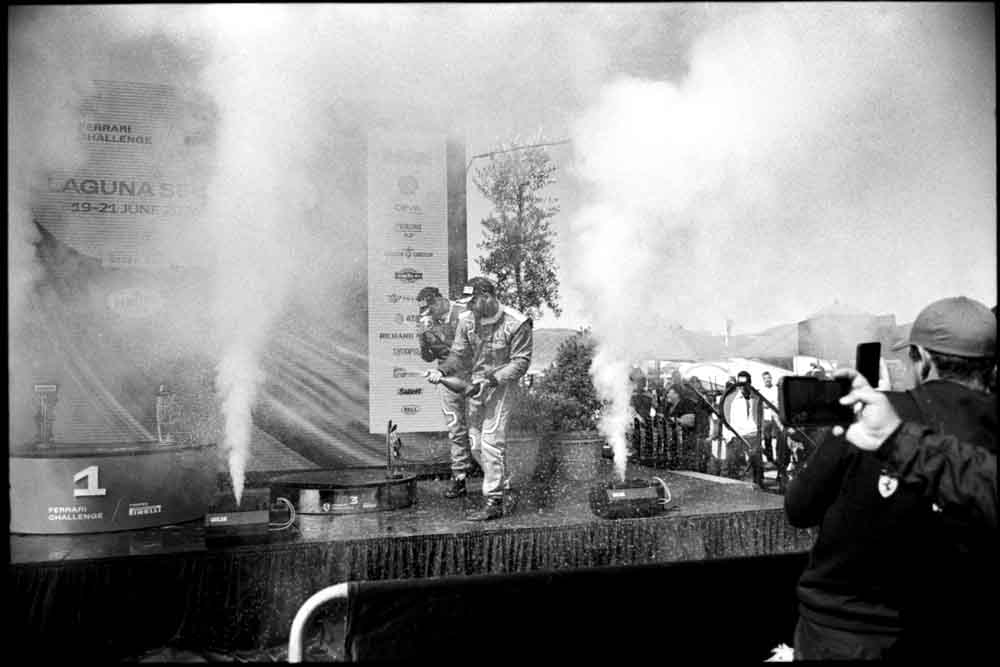
The culmination of the race weekend was marked by the traditional podium celebrations and post-race wind-down. As the roaring engines quieted, the photographic strategy shifted entirely to black-and-white film, specifically Ilford HP5+ and Ilford Delta series.
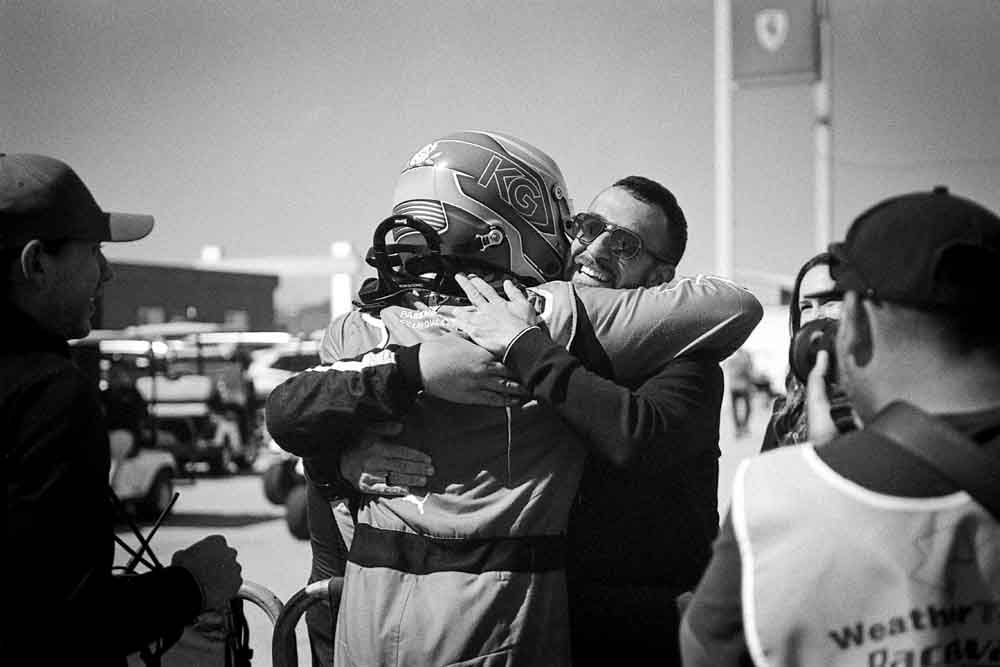
The Poignancy of Black and White: The transition to monochrome stripped away the distracting, vibrant colors of team sponsors and safety gear, focusing the viewer’s eye entirely on raw human emotion.
Capturing the Kinetic Energy of Celebration: Using the Nikon F5’s robust motor drive, the photographer captured the explosive spray of celebratory champagne and the intense, exhausted faces of the drivers. The organic silver halide grain of Ilford HP5+ lent a timeless, historical quality to these frames, making a modern Ferrari race look as though it could have been shot in 1968 or 1982.
Supporting Context & Technical Metrics
To appreciate why this analog experiment is significant, one must contrast the mechanical limitations of vintage gear with the baseline capabilities of modern digital imaging.
Comparative Technology Matrix
Camera System
Focus Method
Max Frame Rate
Exposures Per Roll/Card
Approximate Setup Time
Feedback Loop
Modern Digital Flagship(e.g., Sony A1 / Nikon Z9)
Real-time AI vehicle-tracking AF
30 – 120 fps
10,000+ (Dual CFexpress)
Instantaneous
Instant (EVF & LCD "Chimping")
Nikon F5(35mm Film SLR)
Dynamic 5-point AF (Late 90s tech)
8 fps (motor drive)
36 frames
Moderate
None (Requires chemical development)
Hasselblad 500CM(Medium Format)
Manual ground-glass focusing
~1 frame per 3 seconds
12 frames (120 film)
Slow (Manual wind & dark slide)
None (Requires chemical development)
The Physics of Laguna Seca’s Key Photographic Sectors
Turn 2 (Andretti Hairpin): A double-apex, slow-speed hairpin. This sector allows the Hasselblad’s manual focusing to succeed because the cars slow down significantly, providing a wider window of exposure.
Turn 5: An uphill left-hander where cars accelerate hard. High contrast here tests the dynamic range of slide films like Ektachrome, which has a narrow latitude of roughly +/- 1.5 stops compared to modern digital sensors (+/- 15 stops).
The Corkscrew (Turn 8/8a): Features a steep 18% decline. The rapid change in altitude and yaw makes panning incredibly difficult for any format, but the physical weight of a medium-format camera actually helps stabilize hand-held panning motions.
Official Statements and Creative Philosophy
The choice to shoot analog in a digital world is not merely a technical gimmick; it is rooted in a deeply considered creative philosophy. Photographers who embark on these projects often face skepticism from peers who rely on modern convenience.
During the Laguna Seca weekend, several digital sports photographers approached the analog setup with a mixture of curiosity and disbelief, asking: "You’re making things harder for yourself, aren’t you?"
The photographer’s internal and external responses form the core philosophical defense of the medium:
"That’s half the fun! Film is incredibly unforgiving. There is no safety net in post-production, but that limitation is precisely what breeds creativity and sharpens your instincts."
The Concept of Creative Friction
In modern photography, the friction between the eye and the final image has been almost entirely engineered out. Autofocus is instantaneous, exposure is calculated automatically by matrix-metering computers, and memory cards are effectively infinite.
By contrast, analog photography introduces deliberate creative friction:
The Absence of the Instant Review: Digital photographers often engage in "chimping"—the habit of immediately looking at the back LCD screen after taking a shot. This behavior pulls the creator out of the present moment. Film eliminates this feedback loop entirely. Once the shutter clicks, the photographer must accept the exposure and immediately look for the next frame.
The Value of the Frame: With only 12 frames on a roll of 120 medium-format film, every button press carries a financial and temporal cost. This economic constraint forces the photographer to slow down, analyze the composition, evaluate the light, and wait for the perfect moment rather than "spraying and praying."
The Pedagogical Power of Mistakes: An old industry adage states: "There is never a wasted roll of film." Even a completely ruined or blank roll of film provides a vital diagnostic lesson. The physical nature of film forces a deeper understanding of the mechanics of photography—aperture, shutter speed, ISO, and chemical development temperatures.
Future Outlook: The Resurgence of the Analog Aesthetic
The popularity of film is no longer a niche nostalgia trip; it has evolved into a structural market shift within the creative industries. As audiences become increasingly desensitized to the polished, hyper-real, and often artificial look of digital and AI-assisted imagery, the demand for authentic, tactile visual assets is surging.
+-----------------------------------------------------------------------------+
|                      THE MODERN CREATIVE FEEDBACK LOOP                      |
+-----------------------------------------------------------------------------+
|  [Digital Satiation] --> [AI & Computational Fatigue] --> [Search for Texture]|
|          ^                                                        |         |
|          |                                                        v         |
|  [Enhanced Visual Value] <-- [Methodical Analog Capture] <-- [Tactile Craft] |
+-----------------------------------------------------------------------------+
Market Dynamics and the Vintage Revival
Hardware Valuation: Vintage mechanical cameras, particularly Hasselblad 500-series bodies and late-generation professional 35mm film SLRs like the Nikon F5 and F6, have seen their market values double or triple over the last decade.
Emulsion Innovation: Film manufacturers such as Kodak Alaris and Ilford have struggled to keep up with global demand, leading to a revitalization of manufacturing lines and the re-introduction of classic emulsions to the market.
Commercial Viability: Major brands, including high-end automotive manufacturers and lifestyle labels, are increasingly commissioning photographers to shoot campaign assets on film. The organic grain, distinctive color palettes, and slight imperfections of analog film are perceived as luxury markers of craftsmanship, contrasting sharply with the mass-produced aesthetic of digital media.
Conclusion: The Ultimate Reward
Ultimately, photographing the Ferrari Challenge on film demonstrates that the value of an image is not merely a function of its resolution or technical perfection. It is a product of the intention, presence, and physical effort invested by the creator.
Using vintage analog equipment to capture high-velocity motorsport may indeed be "making things harder" for the photographer. But in an increasingly automated world, choosing the hard path is often the only way to create something truly unforgettable.