








Executive Overview
The video game industry has weathered profound shifts over the past several years, but few structural transformations have hit as abruptly as Xbox’s aggressive mid-2026 corporate restructuring. In July 2026, Microsoft shed thousands of internal positions and parted ways with several long-standing studios under its umbrella, including Compulsion Games, Ninja Theory, Undead Labs, and the iconic independent-turned-subsidiary Double Fine Productions. For Double Fine—led by industry veteran Tim Schafer—the separation brought immediate turbulence, culminating in painful staff reductions and a swift return to independence.
In a revealing deep-dive interview, Schafer offered a candid look back at Double Fine’s tenure under Xbox, the changing corporate mandates that spelled the end of their acquisition era, and the studio’s unapologetic philosophy regarding game development. Despite titles like Keeper and Kiln failing to hit the commercial high notes required by today’s corporate ledgers, Schafer fiercely rejects the "arthouse" label often ascribed to the studio’s output. Instead, he maintains that Double Fine has never intentionally pursued unprofitable projects, firmly believing that their distinctive creations carry widespread, cross-demographic potential.
As Double Fine steers back into independent waters through innovative revenue models—such as a massively successful Kickstarter campaign for Amnesia Fortnight 2026 and new publishing initiatives under the "Double Fine Action Labs" banner—the studio remains committed to its creative DNA. This article explores the anatomy of Double Fine’s departure from Xbox, the financial and operational realities facing mid-tier developers, and the studio’s resilient path forward.
Detailed Chronology: From Xbox Acquisition to Independence
The relationship between Double Fine Productions and Microsoft’s Xbox division was initially heralded as a marriage made in heaven. Following years of scraping by through crowd-funding campaigns like Broken Age and securing publishing deals on a project-by-project basis, Double Fine joined the Xbox Game Studios family in 2019. The acquisition provided financial security, eliminating the existential dread of payroll anxieties and allowing Schafer’s team to focus entirely on creative execution.
For years, the partnership functioned smoothly. Under the leadership of former Xbox boss Phil Spencer, the mutual objective was clear and aligned: populate the Xbox Game Pass subscription service with diverse, high-quality, critically acclaimed titles. Double Fine delivered Psychonauts 2 to critical acclaim in 2021, cementing the studio’s reputation for imaginative storytelling and platforming excellence.
However, the foundation of this relationship began to fracture at the start of 2026. Following Phil Spencer’s retirement, Asha Sharma stepped in as the new head of Xbox, bringing a heavily revised corporate strategy and stricter fiscal expectations. The era of loose curation for Game Pass gave way to intense scrutiny regarding profitability, return on investment, and immediate market performance.
According to Schafer, the shift in corporate mission was absolute. "We had a mutually beneficial mission, which is just to put great games on Game Pass, and then their mission changed," Schafer explained. Realizing the writing on the wall, Schafer acknowledged that no amount of modest profitability could have saved them from the corporate axe unless they landed a generational, multi-million-seller on the scale of Minecraft.
By early July 2026, the axe fell. Microsoft implemented a sweeping restructuring plan that resulted in roughly 3,200 job cuts across the gaming division and the formal jettisoning of several prominent studios. Double Fine found itself independent once again—a structural shift that, while celebrated by purists who champion studio autonomy, brought immediate and painful consequences.
Supporting Context & Metrics: The Human and Financial Toll
Independence, while freeing, is rarely painless in the modern gaming economy. At the end of July 2026, just weeks after parting ways with Xbox, Double Fine was forced to lay off 23 staff members. In a tight-knit studio historically known for maintaining a familial, collaborative culture, the cuts were devastating.
"As a small, tightly-knit team, these actions are not taken laid lightly," Schafer said in a statement released during the layoffs. "Only the survival of our studio would ever make us consider such a painful action. Our transition to becoming an independent company also means becoming a size that we can sustain."
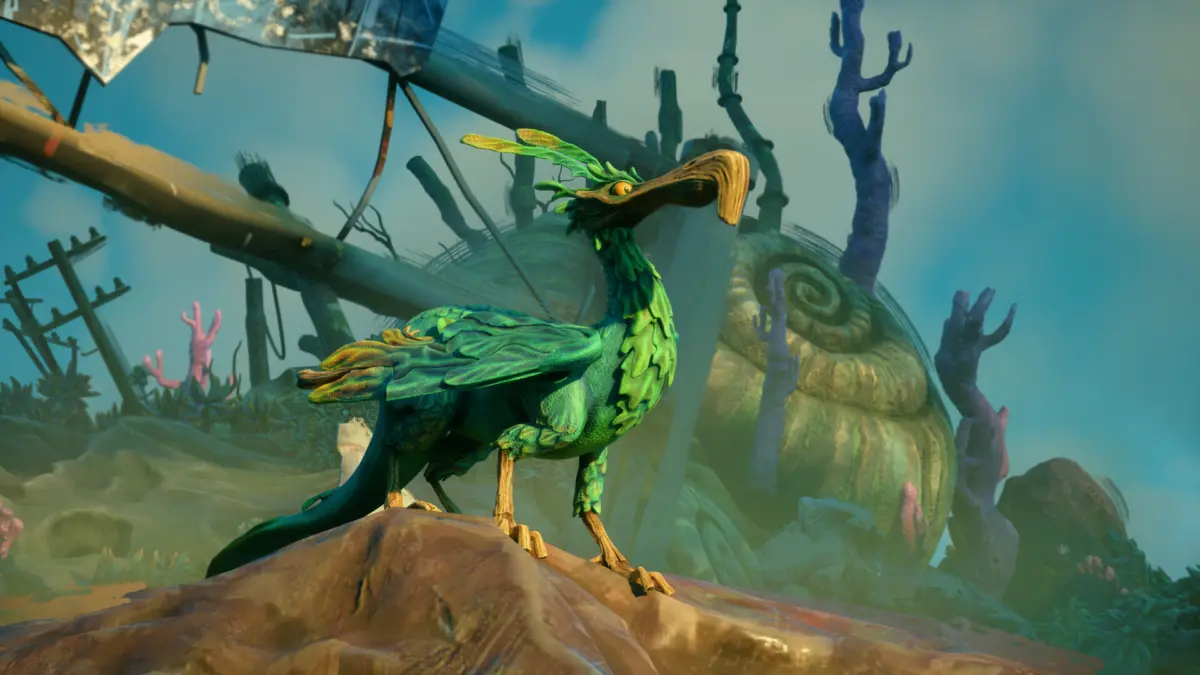
The financial pressures facing Double Fine stem from the underperformance of recent titles like Keeper and Kiln. While these games earned critical praise for their aesthetic charm and mechanical inventiveness, they failed to set commercial box offices on fire. In the eyes of traditional financial analysts, these titles were categorized as high-prestige, niche "arthouse" projects designed for a narrow segment of core gamers.
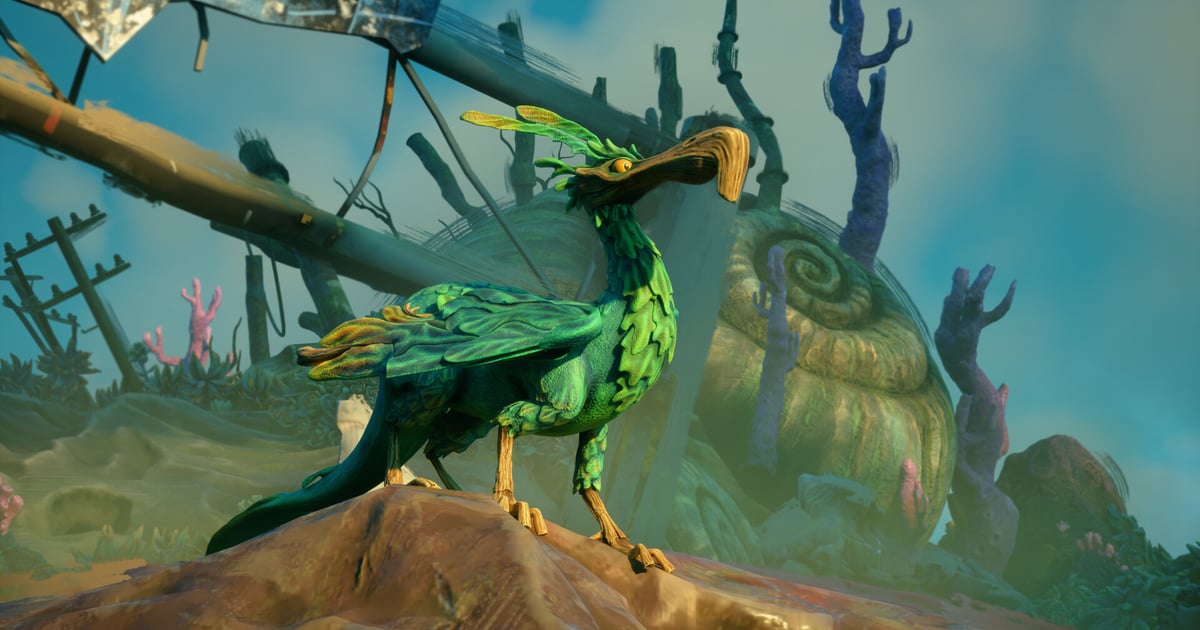
Schafer strongly pushes back against this characterization. He argues that the perceived lack of commercial viability is less about the games themselves and more about systemic issues in reaching broader audiences. Discussing Keeper, Schafer noted:
"I think people would say, ‘oh, Keeper looks like this art house thing that no one expects to be a hit.’ But to me it’s the kind of game that someone who doesn’t play games would love. I really think there’s a mass market appeal to Keeper. If we could just get to those people, we could have them catch Lighthouse Fever."
The reality, however, is that mid-sized independent studios operating without a mega-publisher’s marketing muscle face an uphill battle in capturing consumer attention in an oversaturated market. To bridge this financial gap, Double Fine has had to pivot quickly, exploring alternative revenue streams including back-catalog ports, digital remasters, and direct-to-consumer fundraising initiatives.
Official Statements and Industry Insights
Schafer’s reflections on the business of game development highlight a profound paradox that plagues many veteran creators: the inverse relationship between financial predictability and creative fulfillment. Decades in the industry have taught Schafer that formulas and market research offer no guaranteed protection against failure.
"After all these years, how little I understand about the business just shows how hard it is to know," Schafer admitted. This humility underscores his current operational philosophy. Rather than chasing fleeting market trends or trying to engineer a calculated blockbuster, Schafer’s focus remains anchored on team preservation and creative integrity.
"That’s why I’m focused on keeping my team alive," Schafer noted. "That’s why we do these creative things all the time. If we stopped doing these wacky creative things, we’d eventually be like, ‘Who cares?’ These games aren’t lucrative enough to make up for how hard they are. They have to also be really fun and rewarding to make."
This philosophy directly informs how Double Fine approaches project incubation. Instead of relying on traditional venture capital or publisher-funded milestones that come with suffocating creative restrictions, the studio has returned to its roots of community-driven development.
The revival of Amnesia Fortnight via Kickstarter serves as a primary example. The campaign—designed to fund an internal game jam where developers prototype experimental ideas over a condensed timeframe—shattered its $400,000 funding goal with weeks remaining in the campaign window. The winner of this jam will be polished into a compact release distributed under Double Fine Action Labs, a newly minted publishing label dedicated entirely to producing "weird little games."
Future Outlook: The Road Ahead for Double Fine
As Double Fine settles into its second era of independence, the immediate future is characterized by calculated experimentation and financial pragmatism. The runaway success of the Amnesia Fortnight 2026 Kickstarter campaign proves that a fiercely loyal fanbase remains eager to support the studio’s unconventional creative impulses.
Yet, the broader industry landscape remains fraught with uncertainty. Mid-sized developers across the globe are grappling with rising development costs, shifting consumer habits, and a publisher ecosystem that is increasingly risk-averse. For Double Fine, survival depends on maintaining a lean operational footprint while continuing to pitch innovative concepts to external investors who understand the studio’s unique value proposition.
Whether the newly established Double Fine Action Labs label can foster sustainable financial health remains to be seen. However, one thing is certain: Tim Schafer and his team have no intention of abandoning the eccentric, boundary-pushing design philosophy that put them on the map. Even as the corporate winds shift around them, Double Fine continues to forge its own path, proving that artistic courage and commercial survival—though difficult to balance—can still coexist in the modern video game landscape.