









Executive Overview
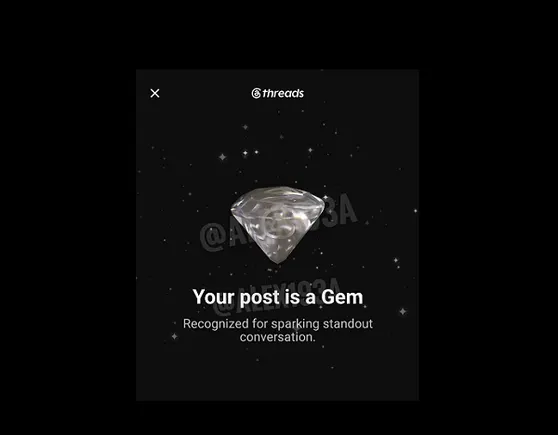
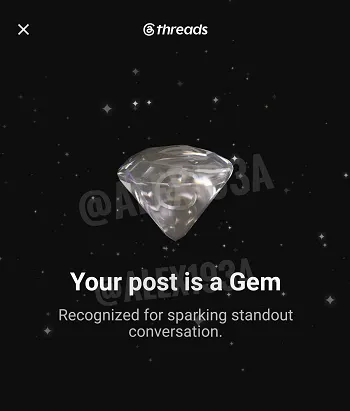
Meta’s text-based conversational platform, Threads, is exploring new frontiers in user retention and creator incentive design. According to recent discoveries embedded within the application’s backend architecture, the platform may soon roll out a virtual "gem" reward system designed to recognize and celebrate high-performing content. Unearthed by noted app researcher Alessandro Paluzzi, the code points toward a dedicated post-recognition interface that awards virtual gems to creators who cross specific community engagement thresholds.
As the battle for social media mindshare intensifies—particularly among microblogging platforms vying for top-tier creators, journalists, and public figures—incentive structures have become the primary battleground. While Threads has enjoyed explosive organic growth and steadily narrowed the gap with legacy competitors, securing sustained, long-form, and high-engagement posting habits remains a critical strategic priority.
This developing feature mirrors broader industry trends toward gamification, drawing immediate comparisons to rival initiatives such as X’s (formerly Twitter) short-lived "Bangers" promotion and its multi-tiered monetization models. However, by relying on automated engagement thresholds rather than subjective curation or complex financial bounties, Threads may be engineering a more sustainable, scalable approach to creator validation. This report examines the technical discovery, contextualizes it within the modern social media landscape, analyzes the shifting economics of creator incentives, and projects what this feature could mean for the future of digital discourse.
Detailed Chronology and Technical Discovery
The journey toward the potential introduction of Threads gems began quietly in the application’s code repositories, far removed from public view. Software engineering and app reverse-engineering have long served as the primary early-warning system for the technology sector, allowing eagle-eyed researchers to spot features months before official product rollouts.
The Paluzzi Discovery
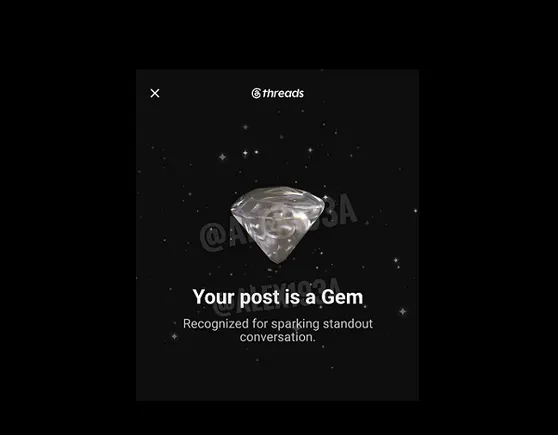
On a Tuesday that quickly caught the attention of social media analysts worldwide, app researcher Alessandro Paluzzi published a screenshot to his Threads profile detailing a new backend feature: a "post recognition screen." The imagery revealed clean, minimalist UI elements characteristic of Meta’s design language, featuring a stylized virtual gem icon intended to highlight exceptional user content.
According to the initial code analysis, the feature is designed to trigger when a user’s post achieves a high level of audience interaction—measured through replies, reposts, likes, and quote threads. Rather than requiring human moderators or subjective editorial boards to select winning posts, the system appears entirely algorithmic, tied directly to baseline engagement metrics.
The Mechanics of Engagement Triggers
While Meta has not yet confirmed the precise algorithmic thresholds required to earn a gem, industry experts speculate that the system will scale dynamically. In a platform ecosystem as vast as Threads—which boasts hundreds of millions of active monthly users—a static threshold would either render gems far too common to be prestigious or too difficult for emerging creators to attain.
By automating the process through backend code triggers, Threads minimizes operational overhead. Creators who hit the mark would presumably see a visual badge or gem icon attached to their post or profile, signaling to the broader community that the content has achieved elite status. Whether this status carries tangible algorithmic advantages—such as a temporary boost in the "For You" algorithmic feed—remains unconfirmed, though product strategists note that such utility is standard practice in gamified social architectures.
Supporting Context & Metrics: The Evolution of Creator Incentives
To understand the significance of the Threads gem concept, one must examine the historical evolution of social media incentives. For over a decade, platforms relied primarily on organic reach and vanity metrics (followers, view counts, and heart icons) to reward creators. However, as the digital creator economy matured into a multi-billion-dollar industry, creators began demanding direct alignment between platform value generation and personal compensation—or, at the very least, meaningful status symbols that could be leveraged for brand partnerships.
The Rise and Fall of X’s "Bangers" Initiative
The concept of curating and rewarding top-performing posts is not entirely new. In November of the previous year, X launched its much-publicized "Bangers" promotion. The initiative was straightforward: each month, X aimed to spotlight the most engaging, viral posts across the platform, funneling them into a dedicated account (@Bangers) and awarding participating creators a special profile badge.
The underlying psychology was identical to Meta’s current exploration—harnessing peer recognition and digital prestige to stimulate continuous, high-quality posting. Yet, the execution faltered. X appeared to lose institutional momentum almost immediately after the first wave of recognition. The @Bangers account went entirely dormant following its inaugural November selections, leaving creators wondering whether the initiative was a permanent fixture or a fleeting marketing experiment.
Financial Bounties vs. Gamified Prestige
Concurrently, platforms like X have experimented with heavy financial incentives, offering million-dollar prizes for long-form articles, superior video generation, and specific platform challenges (such as the Grok Super Bowl ad competition). While cash prizes undoubtedly capture headlines, they introduce severe economic complexities, including tax reporting burdens, regional legal restrictions, fraud mitigation, and creator disillusionment when payouts are delayed or disputed.

Threads, by contrast, appears to be leaning into pure gamification. By awarding a virtual asset (the gem), the platform sidesteps the regulatory and financial friction of direct cash distribution while still tapping into profound psychological drivers. Gamification—the integration of game-mechanic elements into non-game environments—triggers the release of dopamine associated with achievement, status acquisition, and completionism. For everyday users and micro-influencers alike, a virtual gem acts as a digital badge of honor that requires no tax form to collect, yet carries immense social currency within digital subcultures.
Comparative Industry Analysis: Gamification Across Platforms
Gamification is hardly novel in consumer technology, but its application to conversational text platforms represents a unique design challenge. Unlike TikTok or Instagram, where visual aesthetics and video algorithms naturally lend themselves to viral loops, text-based platforms rely heavily on wit, debate, news-breaking, and community rapport.
How Other Giants Leverage Gamification
- Reddit: Utilizes Karma scores, awards, and gilding systems to gamify contributions. While Reddit has experimented with various monetization layers (such as community points), its core engagement loop remains deeply tied to peer-to-peer virtual recognition.
- Twitch: Employs subscriber badges, bit donations, and chat emotes to create a robust hierarchy of user status, turning audience engagement into a high-stakes social game.
- Stack Overflow: Relies on reputation points, badges (gold, silver, bronze), and specialized privileges, proving that technical and intellectual communities thrive when contributions are systematically measured and badged.
Where Threads Fits In
Threads occupies a unique ecosystemic position. Tethered to Instagram’s massive social graph, it possesses an onboarding pipeline envied by every competitor in tech history. However, getting users to download an app is fundamentally different from getting them to open it daily and compose thoughtful, engaging threads.
By introducing virtual gems, Threads is attempting to solve the "blank page" problem. If users know that crafting a witty reply, an insightful thread, or a breaking news summary could earn them a rare platform badge, the psychological incentive to post shifts upward. Furthermore, because Threads operates within the decentralized Fediverse (via ActivityPub protocol), the introduction of platform-native status symbols creates a distinct ecosystem boundary, encouraging users to remain within the core Meta app experience rather than migrating to alternative open-source servers where such gamification might not exist.
Official Statements and Industry Perspectives
As of publication, representatives from Meta and the Threads product team have declined to comment on the leaked backend code. This radio silence is standard operating procedure for Silicon Valley product development teams, who routinely test features in production environments without committing to public launch timelines.
What Industry Experts Are Saying
Independent social media analysts and product strategists have offered mixed reactions to the leaked gem feature:
- Dr. Elena Vance, Digital Culture Researcher: "Virtual gamification is a double-edged sword. On one hand, it successfully exploits the human desire for status and validation, driving short-term engagement spikes. On the other hand, if the algorithm feels arbitrary or opaque, users quickly grow cynical. Transparency in how these gems are awarded will make or break the feature."
- Marcus Thorne, Growth Marketing Consultant: "Meta doesn’t need to reinvent the wheel here. They’ve watched X struggle with inconsistent execution on features like Bangers. If Threads can automate this seamlessly—turning viral moments into instantaneous digital keepsakes—it gives creators a fun, frictionless reason to keep checking the app."
The broader consensus among digital economists is that while virtual gems are unlikely to replace direct monetization for full-time professional creators, they represent an invaluable middle tier of retention mechanics. They reward the "prosumer"—the passionate power user who drives daily platform culture but may not yet command the audience size required for brand sponsorships or ad-revenue sharing.
Future Outlook: What Lies Ahead for Threads
The discovery of the Threads gem feature signals a maturing product roadmap. Having successfully built a massive baseline user base by leveraging Instagram’s network effects, Meta is now shifting its engineering focus from acquisition to retention and culture-building.
Potential Trajectories for the Feature
- Iterative Rollout & Beta Testing: Before any global release, expect Threads to quietly roll out the gem feature to a restricted cohort of verified creators or specific geographic markets. This will allow data scientists to monitor whether the feature actually alters posting behavior or simply creates digital clutter.
- Monetization Integration: While the initial iteration appears strictly visual, Meta has a well-documented history of evolving engagement features into commercial avenues. It is entirely plausible that future iterations of gems could unlock perks such as priority customer support, advanced analytics dashboards, or eventual eligibility for creator fund payouts.
- Community Reception and Cultural Impact: The ultimate success of Threads gems will depend on how the community perceives them. If gems become a universally respected symbol of quality writing and high engagement, they could redefine what it means to be a "thought leader" on the platform. Conversely, if the metrics feel gamed or spam-driven, users may dismiss them as hollow vanity metrics.
As Threads continues to challenge established heavyweights in the social media arena, small product details like a virtual gem in the backend code reveal a grander design philosophy: turn everyday microblogging into an engaging, rewarding game where everyone has a shot at the high score.