







Executive Overview
In the rapidly evolving landscape of digital marketing, technological innovation serves as the primary currency for brands vying for consumer attention. Google, a dominant force in the global advertising ecosystem, has officially unveiled its latest suite of updates for Demand Gen campaigns. Designed to bridge the gap between passive viewing and active engagement, this new rollout introduces several powerful capabilities: direct-to-consumer messaging links embedded within YouTube ads, real-time travel and local activity data feeds, personalized hotel promotions, and wider access to state-of-the-art artificial intelligence-powered video creation tools within Asset Studio.
These strategic updates address two of the most persistent challenges facing modern marketers: friction in the conversion funnel and the high cost of producing high-converting, multi-format creative assets. By allowing potential customers to transition seamlessly from an in-stream YouTube ad directly into a brand-managed direct message (DM) chat, Google is effectively collapsing the consideration and conversion phases into a single fluid interaction. Simultaneously, the integration of real-time data feeds for travel advertisers and the democratization of advanced multimodal AI video generation signal a significant shift toward hyper-personalized, context-aware advertising at scale.
This comprehensive analysis delves into the mechanics of Google’s August 2026 Demand Gen feature drop. We will examine how these developments impact the consumer journey, explore the technical underpinnings of the updated Asset Studio, evaluate the implications for the travel and hospitality sectors, and project the long-term trajectory of AI-driven media buying and creative execution.
Detailed Chronology of the August 2026 Update
The rollout of Google’s latest Demand Gen enhancements represents a continuation of the tech giant’s aggressive integration of generative artificial intelligence and conversational commerce into its core advertising products. To fully understand the scope of this release, it is necessary to trace the sequence of developments that culminated in this comprehensive platform update.
Phase 1: The Evolution of Demand Gen Campaigns
Originally introduced to help advertisers find and convert consumers across Google’s most immersive, visual surfaces—such as YouTube, Discover, and Gmail—Demand Gen campaigns were built to replace Discovery ads with more robust video and image capabilities. Over the past several quarters, Google has steadily added predictive audience modeling, lookalike segments, and enhanced reporting metrics to the format. However, marketers continuously flagged a familiar bottleneck: moving users from a visually arresting ad to a direct, actionable conversation or transactional environment often required multiple clicks, leading to drop-offs.
Phase 2: The Introduction of In-Stream DM Links
Addressing the conversion friction head-on, Google initiated testing on a feature that embeds direct messaging links straight into Demand Gen placements on YouTube. Announced formally in the August 2026 update, this capability allows viewers to click an in-stream prompt that immediately launches a conversation with the brand via their preferred messaging application. Rather than forcing a user to navigate away from a video, find a landing page, and locate a "Contact Us" form, the ad itself becomes the portal for immediate customer service, lead qualification, and sales inquiries.
Phase 3: Vertical-Specific Enhancements for Travel and Hospitality
Recognizing that travel planning is inherently dynamic and time-sensitive, Google expanded its Demand Gen framework to incorporate real-time data feeds. The platform now overlays live local activities, upcoming events, and time-sensitive promotional offers directly within travel-focused ad units. Coupled with newly optimized hotel recommendation algorithms that match specific properties to hyper-targeted audience segments, these updates transform static visual ads into dynamic, informative travel guides powered by up-to-the-minute Google data.
Phase 4: Democratization of Asset Studio and Omni AI Tools
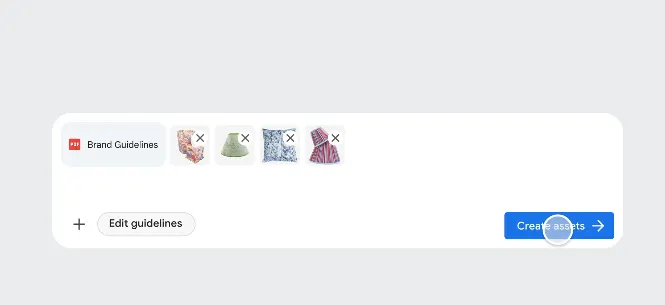
The final, and perhaps most technologically ambitious, pillar of the August 2026 update is the widespread availability of advanced AI-powered video creation tools within Google’s Asset Studio. Following the integration of the company’s proprietary Omni AI creation tools, advertisers of all sizes gained the ability to generate both horizontal and vertical video assets from a single, unified workflow. By simply uploading brand guidelines, reference imagery, and text prompts, marketers can leverage multimodal AI to produce professional-grade video content tailored to the precise specifications of Demand Gen inventory across multiple placements.
Supporting Context & Metrics: The Shift Toward Conversational Commerce and Generative Creativity
To contextualize the strategic importance of Google’s latest feature drop, one must examine the broader macroeconomic and consumer behavior trends shaping the digital advertising landscape.
The Rise of Conversational Commerce
Consumers increasingly expect instantaneous, frictionless interactions with brands. According to numerous industry studies on digital consumer behavior, more than 60% of shoppers prefer messaging a business over calling or emailing, citing speed and convenience as primary drivers. By integrating DM links directly into YouTube in-stream placements, Google is capitalizing on the "conversational commerce" revolution.
In traditional digital marketing funnels, an ad generates awareness, a click leads to a website, and a form capture initiates a lead. Each step introduces a drop-off rate, often resulting in conversion efficiencies dropping below 3% for cold traffic. By introducing a direct communication channel at the exact moment of peak engagement—while the user is actively watching a compelling video ad—advertisers can capture high-intent leads while their interest is unflagged. This direct-response mechanism is projected to significantly shorten sales cycles, particularly for high-consideration industries such as automotive, financial services, real estate, and B2B SaaS.
The Economics of Content Production
Historically, running multi-format campaigns across YouTube (requiring horizontal video), YouTube Shorts (requiring vertical video), Discover, and Gmail demanded substantial production budgets and lengthy lead times. Brands had to commission separate video edits, resize graphics, and manually storyboard assets for each unique screen ratio.
Google’s Asset Studio, now supercharged with multimodal AI and Omni AI capabilities, directly addresses this cost-efficiency barrier. Industry benchmarks indicate that generative AI tools in creative workflows can reduce asset production time by up to 70% while lowering production costs significantly. By allowing advertisers to ingest brand guideline documents and raw image assets into a single conversational prompt interface, Google empowers even small and medium-sized enterprises (SMEs) to field sophisticated, multi-format video campaigns that were previously the exclusive domain of major multinational brands with massive agency budgets.
Official Statements and Technical Insights
Google’s product leadership and engineering teams have emphasized that these updates are designed to make high-end advertising techniques accessible, automated, and performance-driven.
Bridging Storyboarding and Execution
In official documentation and announcements regarding the August 2026 update, Google highlighted the operational efficiency unlocked by its updated Asset Studio workflow:
"Advertisers can now go from storyboarding to creating horizontal and vertical assets in one workflow, enabling them to show up across all Demand Gen inventory."
This singular workflow eliminates the disjointed handoffs between creative brainstorming, video editing, format resizing, and campaign deployment. An advertiser inputs their core narrative concepts, brand style guides (including typography, color palettes, and tone-of-living parameters), and visual assets into the multimodal system. The AI engine then synthesizes these inputs, generating compliant, visually engaging video variations optimized for both landscape (horizontal) and portrait (vertical) viewing environments.
The Power of Multimodal AI in Asset Studio
Google’s multimodal video creation suite is built on foundational AI models capable of processing multiple data types simultaneously—text, image, audio, and structured brand rules. When an advertiser uploads product imagery alongside text prompts, the system does not merely stitch images together with transitions; it interprets the brand context. It understands the ethos of the brand, ensuring that the generated video maintains visual consistency with past campaigns while tailoring the pacing and messaging to maximize response rates on Demand Gen surfaces.
Furthermore, the introduction of Omni AI creation tools this week equips advertisers with advanced editing and generation capabilities. These tools allow for iterative refinement, enabling marketers to tweak specific elements of an AI-generated video via conversational text commands—such as "make the background tone warmer" or "emphasize the call-to-action text in the final three seconds"—without needing professional video editing software.
Vertical Focus: Transforming Travel and Local Discovery
While the general enhancements to Asset Studio and DM links benefit all advertisers, the travel and hospitality sector receives a uniquely tailored suite of updates designed to capture high-intent wanderlust.

Real-Time Data Feeds and Local Activities
Travel booking decisions are heavily influenced by timely context. A consumer might be inspired to book a weekend getaway if they realize a specific concert, festival, or seasonal exhibition is taking place at a desired destination. Google’s updated travel Demand Gen ads now automatically pull in live local activities, events, and real-time offers directly sourced from Google’s vast ecosystem of local data.
By surfacing these live updates within the ad unit, brands give consumers compelling, rational justifications to book immediately rather than deferring their decision. This transforms the ad from a passive visual banner into an interactive travel planner that responds to real-world happenings.
Personalized Hotel Promotions
In addition to local event feeds, Google has rolled out enhanced personalized hotel ads within Demand Gen campaigns. Leveraging advanced audience signals and machine learning algorithms, these ads dynamically display hotel properties that precisely match the user’s past search behavior, budget preferences, geographic inclinations, and loyalty memberships.
For hoteliers and online travel agencies (OTAs), this means higher ad relevance, reduced wasted spend on disinterested demographics, and significantly higher return on ad spend (ROAS). By putting the right property in front of the right traveler at the exact moment of inspiration, Google is strengthening the conversion potential of its visual ad inventory.
Future Outlook: The Next Frontier of AI-Driven Advertising
As we look beyond the August 2026 release, Google’s latest Demand Gen updates offer a clear window into the future of digital advertising. The convergence of conversational commerce, automated multimodal creative generation, and real-time data integration points toward an ecosystem characterized by hyper-personalization and absolute operational efficiency.
1. The Autonomous Campaign Era
The evolution of Asset Studio and Omni AI suggests a future where human marketers transition from creators of raw assets to strategic directors of AI systems. As generative video and image models become more sophisticated, the barrier between an idea and a live, multi-channel global campaign will approach zero. Advertisers will increasingly define high-level business objectives and brand guardrails, leaving autonomous AI systems to generate, test, optimize, and scale thousands of creative variations tailored to micro-segments in real-time.
2. The Mainstreaming of Conversational Ad Formats
The integration of in-stream DM links on YouTube is likely just the beginning. As messaging protocols standardize across platforms, we can expect conversational touchpoints to become standard across all major digital ad formats. The traditional landing page may eventually be superseded by instant, AI-moderated chat interfaces embedded directly within ad units, allowing consumers to complete complex transactions, secure customer support, and finalize purchases without ever leaving their media-consumption environment.
3. Hyper-Contextual Dynamic Ads
The success of Google’s real-time travel data feeds paves the way for similar integrations across other verticals. Imagine retail ads that automatically update to display local store inventory and real-time weather-based promotions, or automotive ads that adjust financing offers based on live interest rate fluctuations. By anchoring creative assets to live, contextual data feeds, advertisers can maintain continuous relevance in an unpredictable market.
Conclusion
Google’s August 2026 Demand Gen ad update represents a major leap forward for digital marketers seeking to maximize ROI, streamline creative production, and shorten the customer journey. By bridging the gap between immersive video viewing and direct-response messaging through YouTube DM links, Google has unlocked new pathways for conversational commerce. Simultaneously, the vertical-specific enhancements for travel—featuring real-time local activities and personalized hotel promotions—demonstrate the power of context-aware advertising.
When combined with the widespread availability of advanced multimodal AI tools within Asset Studio and the integration of Omni AI capabilities, these updates equip advertisers of all sizes with enterprise-grade creative power. As brands begin to adopt these new workflows, the digital advertising landscape will undoubtedly shift toward faster, smarter, and infinitely more engaging consumer experiences.