







Executive Overview
In a landmark convergence of the world’s leading video platform and its largest online retailer, YouTube has announced a significant expansion of its U.S. Shopping Affiliate Program. Eligible creators can now seamlessly tag products from Amazon directly within their uploaded videos, YouTube Shorts, and live streams. This strategic partnership marks a major milestone in the creator economy, bridging the gap between content creation and social commerce by allowing digital influencers to earn commissions on a vastly expanded inventory of consumer goods.
For years, content creators have relied on traditional "link-in-bio" setups or cluttered description boxes to monetize their recommendations. These legacy methods often resulted in friction for the consumer, leading to lower conversion rates and missed revenue opportunities for creators. By integrating Amazon’s robust product catalog directly into the native YouTube viewing experience, both platforms are positioning themselves to capture a larger share of the booming social commerce market.
Industry analysts view this integration as a win-win-win scenario: consumers enjoy a frictionless shopping experience without leaving their preferred video-watching environment; creators unlock unprecedented monetization potential and higher click-through rates; and both YouTube and Amazon solidify their dominance in the digital retail ecosystem. This extensive report explores the mechanics of the new integration, the historical evolution of YouTube’s shopping initiatives, the empirical data driving these platform changes, and the long-term implications for the future of digital media and e-commerce.
Detailed Chronology of YouTube’s Shopping Initiative
To fully understand the gravity of the Amazon integration, one must examine the methodical, phased rollout of YouTube’s shopping ecosystem over the last several years. What began as a cautious experiment has rapidly evolved into a core pillar of YouTube’s monetization strategy.
2022: The Genesis of Social Shopping on YouTube
YouTube first launched its shopping affiliate program in the United States in 2022, signaling a clear shift in how the platform viewed its role in the consumer journey. Recognizing that millions of viewers turn to YouTube for product reviews, unboxings, and "haul" videos, leadership sought to capture transactional intent natively. Initially rolled out to a select tier of creators in the U.S., the program allowed participants to tag specific items featured in their content, directing viewers to purchase pages while generating a modest affiliate commission.
Following the initial U.S. rollout, YouTube steadily expanded the geographic footprint of its shopping features, testing the infrastructure in international markets with high creator density and engaged consumer bases, such as Thailand and India. These localized tests provided valuable technical data regarding latency, user interface design, and payout reliability, laying the groundwork for a broader global strategy.
Early 2026: International Expansion and Platform Maturity
The momentum behind YouTube Shopping accelerated dramatically in early 2026. Earlier this month, YouTube officially rolled out its shopping affiliate program to U.K.-based creators, opening up European markets to native product tagging and localized brand partnerships.
Parallel to these international launches, Google and YouTube engineers were working behind the scenes on enterprise-level integrations. The most ambitious of these efforts culminated in the recent announcement allowing U.S. creators to tag Amazon products directly within their content. By bringing the world’s most ubiquitous e-commerce infrastructure into the YouTube ecosystem, the platform has effectively bypassed the limitations of managing disparate retailer networks, offering creators a singular, streamlined solution for monetization.
Program Mechanics: How Creators Can Leverage Amazon on YouTube
Integrating Amazon product tags into a YouTube channel requires adherence to specific platform guidelines and technical configurations. Designed to be robust yet accessible, the setup process bridges two distinct tech giants into a unified workflow.
Eligibility and Account Linking
To begin utilizing Amazon product tags and earning commissions, creators must meet baseline eligibility requirements for both platforms. Specifically, creators must be:
- Enrolled in the YouTube Shopping Affiliate Program (which typically requires good standing within the broader YouTube Partner Program and meeting minimum subscriber thresholds).
- Enrolled in the Amazon Influencer Program.
Once both accounts are active, creators are required to link their YouTube channel directly to their Amazon profile. This secure handshake enables the tracking mechanisms necessary to credit sales accurately and distribute commissions to the rightful creators.
Tagging, Catalogs, and Auto-Tagging
Once accounts are linked, creators gain access to a curated catalog of products provided directly by Amazon, specifically vetted for compatibility with YouTube’s tagging infrastructure.
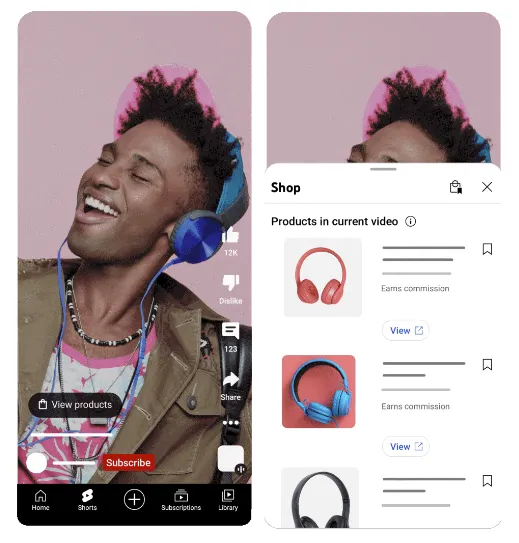
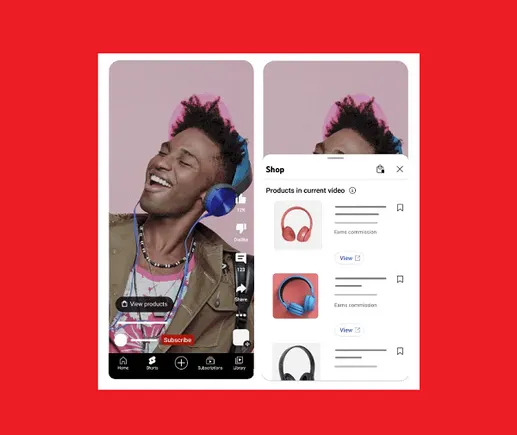
- Manual Tagging: Creators can handpick items that naturally appear in their videos, Shorts, or live streams. When a viewer clicks on a timestamped or pinned product icon, an overlay appears, allowing them to explore and purchase the item on Amazon without losing their place in the video.
- Product Requests: If a specific item featured in a video is missing from the curated catalog, program participants retain the ability to request the inclusion of those products through administrative dashboards.
- Auto-Tagging: To reduce friction and administrative burden for high-volume creators, YouTube has introduced auto-tagging capabilities. This feature leverages machine learning and video metadata to automatically detect eligible Amazon products featured in uploads and apply the corresponding tags, streamlining the monetization process.
Supporting Context & Metrics: The Data Behind the Pivot
The push toward native in-stream shopping is not merely an aesthetic choice; it is a calculated response to hard consumer data. For over a decade, digital marketers have debated the efficacy of description box links versus native interactive elements. Recent empirical evidence released by YouTube provides definitive answers.
The Death of the Description Box Link
Historically, creators pasted raw or shortened affiliate links (such as Amazon Associates links) into the video description box. While functional, this method suffered from severe usability flaws:
- Viewers had to minimize or scroll past the video player to access the description.
- Mobile users often experienced clunky browser transitions when jumping from the YouTube app to external retail sites.
- Click-through rates (CTR) were chronically low because the call-to-action (CTA) was disconnected from the visual focal point of the video.
Empirical Proof: The July 2026 Experiment
In an effort to quantify the impact of native shopping features, YouTube released compelling data from a controlled experiment conducted in July 2026. According to internal metrics, videos utilizing YouTube Shopping product tags alone saw over 110% more clicks on products compared to videos relying on description links alone.
This staggering more-than-doubling of user engagement underscores a fundamental truth of modern consumer behavior: convenience drives conversion. When a viewer sees an item discussed on screen and can interact with a sleek, native overlay to inspect, price-check, and purchase the item in real time, cognitive friction is minimized. For creators, this translates directly into maximized earning potential per video, transforming casual viewers into active buyers with minimal disruption to the viewing experience.
Official Statements and Industry Perspective
The rollout of the Amazon integration represents a collaborative milestone between tech behemoths that historically operated as fierce competitors in the digital landscape. While Google dominates search and video, Amazon reigns supreme in product search and e-commerce transactions. By joining forces, both companies acknowledge the shifting boundaries of digital real estate.
In official documentation released to creators, YouTube emphasized the transformative nature of the update:

"You can tag products from Amazon directly in your videos, Shorts, and livestreams. When you tag your favorite Amazon items, your audience can discover and purchase them directly from Amazon. This helps you maximize your channel earning potential compared to description links."
Industry analysts point out that this integration is a defensive and offensive masterstroke. As social media platforms like TikTok (via TikTok Shop) and Instagram aggressively build out closed-loop shopping ecosystems, YouTube risked losing its top-tier creators to platforms where monetization is more direct and frictionless. By integrating Amazon—the gold standard of fulfillment and consumer trust—YouTube instantly neutralizes the competitive advantage held by dedicated social commerce apps.
Furthermore, Amazon benefits immensely from tapping into YouTube’s unrivaled top-of-funnel reach. Millions of consumers search YouTube for product reviews before making a purchasing decision. By capturing those high-intent users at the exact moment of consideration, Amazon cements its position as the ultimate endpoint for online retail transactions.
Future Outlook: The Next Frontier of Creator Commerce
As we look toward the future of digital media, the boundary between entertainment, community, and commerce will continue to dissolve. The expansion of YouTube’s shopping affiliate program to include Amazon products is merely the opening salvo in a broader transformation of the internet economy.
The Rise of Shoppable Live Streaming
While pre-recorded videos and YouTube Shorts benefit immensely from product tagging, the live-streaming sector represents the next major battleground for social commerce. During live broadcasts, creators can pin Amazon products in real-time, responding to audience questions about fit, quality, and functionality on the fly. This real-time interactive shopping model—modeled heavily after successful Asian live-commerce markets—is projected to generate billions of dollars in gross merchandise value (GMV) over the coming years.
Algorithmic Integration and Personalization
Looking ahead, expect YouTube and Amazon to leverage advanced machine learning models to personalize product tags based on viewer demographics, watch history, and past purchasing behavior. Imagine a future where two different viewers watching the same YouTube video see different, hyper-personalized product recommendations tagged by the creator, dynamically optimized for maximum conversion.
Challenges and Regulatory Scrutiny
Despite the glowing metrics and optimistic forecasts, challenges remain on the horizon. Transparency in sponsored content, disclosure of affiliate relationships, and consumer protection laws will continue to invite regulatory scrutiny from bodies like the Federal Trade Commission (FTC). Creators will need to navigate these compliance requirements carefully, even as platform-provided disclosures become more automated. Additionally, platform dependency remains a persistent anxiety for creators, who must balance algorithm shifts with sustainable business models.
Conclusion
YouTube’s integration of Amazon products into its Shopping Affiliate Program is a watershed moment for the creator economy. By replacing antiquated description links with sleek, high-performing native tags, YouTube has drastically reduced friction for consumers while unlocking unprecedented revenue streams for creators. Backed by data showing a 110%+ increase in product clicks, this partnership cements social video as the premier storefront of the 21st century. As technology evolves and live-streaming commerce matures, the union of video entertainment and instant e-commerce will redefine how the world discovers, evaluates, and purchases goods online.