










Executive Overview
In the modern digital economy, the ability to write words that move people to action is arguably the single most valuable skill a business owner, marketer, or creator can possess. Having generated over seven figures online primarily through written channels—ranging from blog posts and social media to targeted email newsletters—the foundational driver of that success has always been direct-response copywriting.
Copywriting is frequently misunderstood. Amateurs often mistake it for an exercise in literary eloquence, believing that complex vocabulary and poetic flair are the hallmarks of a master. In reality, exceptional copywriting is defined by ruthless clarity, concise messaging, and an uncompromising focus on a single metric: conversion.

This investigative report breaks down the definitive framework for modern copywriting. Moving beyond surface-level tactics, this piece examines the structural, psychological, and data-driven methodologies required to transform words into a predictable growth engine. Whether you are an independent creator, an agency founder, or an enterprise leader looking to scale customer acquisition, the following ten strategic principles represent the distillation of over a decade of high-level digital marketing execution.
Detailed Chronology & Strategic Framework: The 10 Rules of High-Converting Copy
Transitioning from a struggling writer to a high-earning copywriter requires a systematic approach to market research, competitor analysis, process optimization, and data tracking. Below is the comprehensive framework required to achieve mastery.
1. Talk to Customers (and Mine the Voice of the Market)
The primary objective of a copywriter is to capture a prospect’s attention, build instant trust, introduce a viable solution, dismantle objections, and guide them to a transaction. To achieve this, you must deeply understand your target audience’s psychological state, internal frustrations, and daily realities.
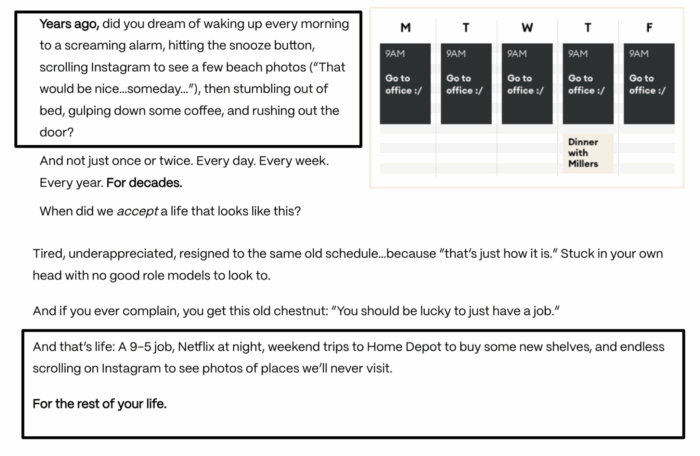
Consider how elite marketers structure their messaging. On Ramit Sethi’s landing page for his flagship program, Earnable, the copy does not simply state, "Here is how to make more money." Instead, it mirrors the precise, lived monotony of the ideal customer: the draining 9-to-5 job, retreating to Netflix at night, weekend trips to big-box hardware stores, and endless, unfulfilling scrolling on social media.
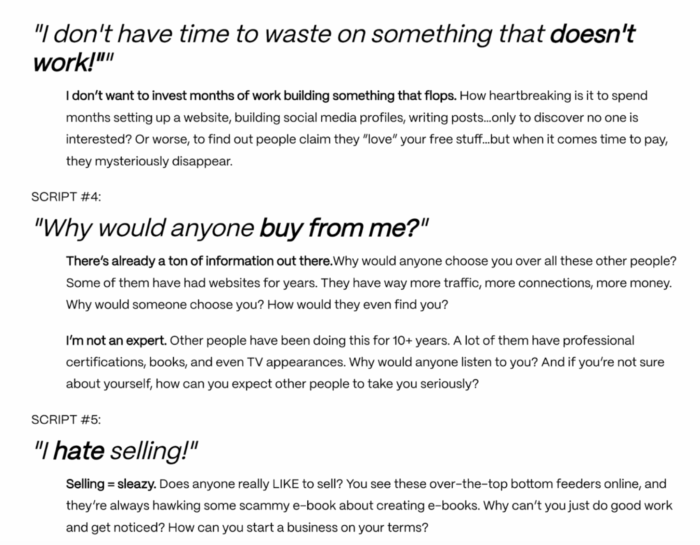
By reflecting a prospect’s exact reality back to them, you prove an immediate comprehension of their pain. When readers feel understood, they naturally assume you have the solution.
- The Tactical Execution: When working with clients on tight deadlines, direct customer interviews may be impossible. To bypass this, interview the client’s sales representatives to uncover recurring objections. Alternatively, download sales call transcripts, upload them to an LLM, and prompt the tool to extract primary pain points. If no sales data exists, immerse yourself in niche Reddit threads and online communities where your target demographic gathers.
2. Learn From Your Competitors via Ad Libraries
Competitors within your industry have likely spent considerable capital testing headlines, angles, and calls to action. Rather than starting from scratch, analyze their public footprints—specifically through platforms like the LinkedIn and Meta Ad Libraries.

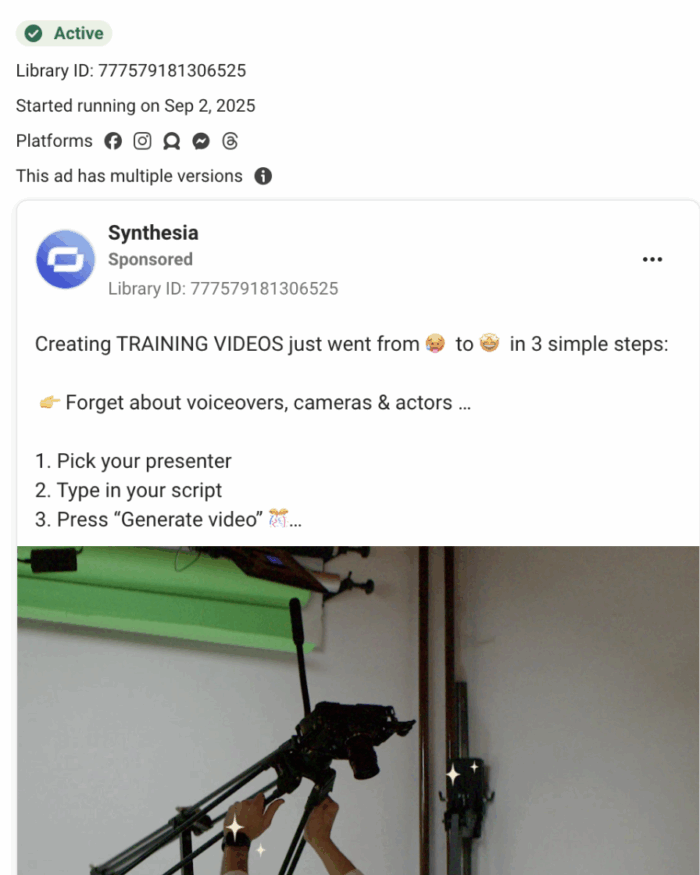
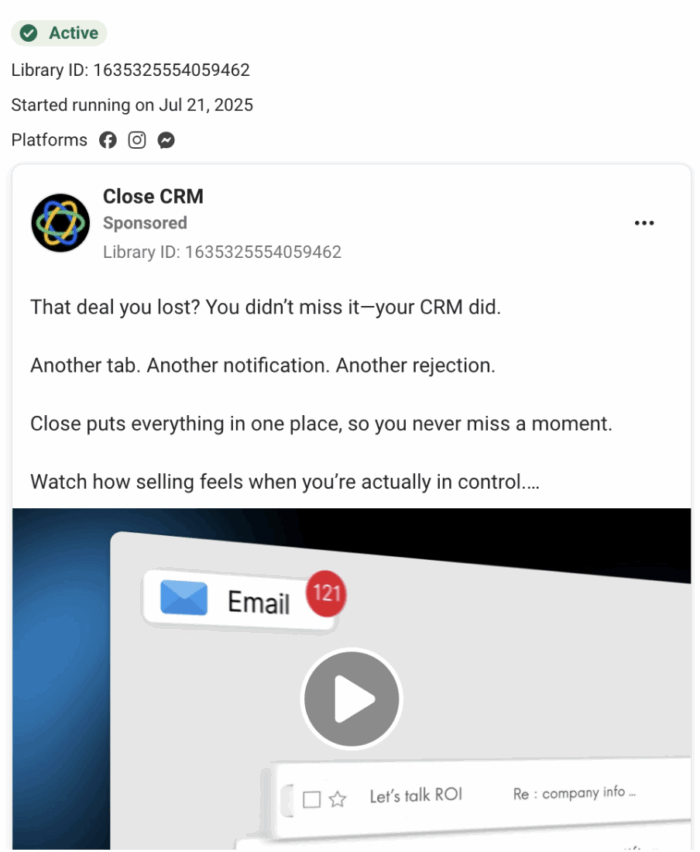
Ads that run continuously over many weeks or months are generally winning variations. By examining these long-running campaigns, you can identify the core pain points driving market interest. For instance, SaaS giants like Synthesia and Close utilize ad libraries to highlight hyper-specific operational frustrations—such as the logistical nightmare of filming corporate training videos or the revenue lost due to messy CRM data. Use these validated angles as the foundation for your own email sequences and landing pages.
3. Build and Maintain a Swipe File
Curating a personal "swipe file" of high-performing headlines, persuasive sales pages, and compelling ad copy is a time-tested tradition among elite copywriters. Saving examples that capture your attention trains your pattern recognition. In addition to building your own archive, reference curated platforms like SwipeFile.com (maintained by veteran copywriter Neville Medhora) to study advertisements deemed successful by industry professionals.

4. Establish a Repeatable Writing Process
Staring at a blank page is the ultimate productivity killer. Master copywriters do not rely solely on sudden bursts of inspiration; they rely on structured processes.
A reliable workflow for long-form content or sales copy typically follows a strict sequence:

- Deep Research & Outlining: Gather pain points, competitor angles, and customer quotes before writing a single sentence.
- Drafting the Core Argument: Focus exclusively on getting the narrative flow down without self-editing.
- Refinement & Polish: Strip away filler words, tighten phrasing, and verify that the call-to-action (CTA) is unmistakable.
A systematic approach eliminates writer’s block and ensures that every piece of content methodically builds trust and drives conversion.
5. Practice Writing with Commercial Intent
The only way to improve as a writer is through deliberate practice. However, mindless writing yields minimal growth. To accelerate your progression, write copy for your own projects, side ventures, or independent case studies.

Whether you launch an affiliate marketing site to master SEO, build a micro-SaaS tool, or start an e-commerce store, writing copy with real financial stakes teaches you the difference between generating empty traffic and driving true purchase intent. Furthermore, verifiable case studies from your own projects serve as powerful leverage when pitching high-paying clients.
6. Embrace AI for the Right Use Cases
Artificial Intelligence should not be used to blindly generate generic copy from scratch. However, when utilized as an analytical and research partner, AI can exponentially increase your output quality.
- Pain Point Discovery: Prompt AI models to analyze forum discussions or industry trends to unearth user frustrations.
- Sentence Phrasing & Clarity: Paste dense or awkward passages into an LLM and request clearer phrasing or alternative tones to spark inspiration.
- Expert Sourcing: Use AI to locate real-world quotes, case studies, and discussions from industry leaders on platforms like LinkedIn to substantiate your claims.
7. Master One Platform and Its Algorithm
Different distribution channels require radically different psychological hooks and structural formats. Thought leadership content thrives on LinkedIn, whereas highly technical, actionable guides dominate organic search engine results (SEO). By deeply understanding the algorithmic nuances and user behavior of a single platform, you can consistently deliver a higher return on investment (ROI)—thereby justifying premium pricing for your services.
8. Measure the ROI of Your Work
Subjective opinions on writing are infinite; hard revenue metrics are absolute. To prove your value, you must track the financial impact of your copy across different channels:
- Social Ghostwriting: Track audience quality by evaluating the professional titles of those engaging with the content, alongside custom conversion fields on landing pages.
- SEO Blog Content: Implement conversion tracking in analytics software to determine which informational articles are directly driving software signups or product purchases.
- Sales Pages: Monitor conversion rates, average order values, and funnel drop-off points in collaboration with your clients.
9. Join a Community and Solicit Ruthless Feedback
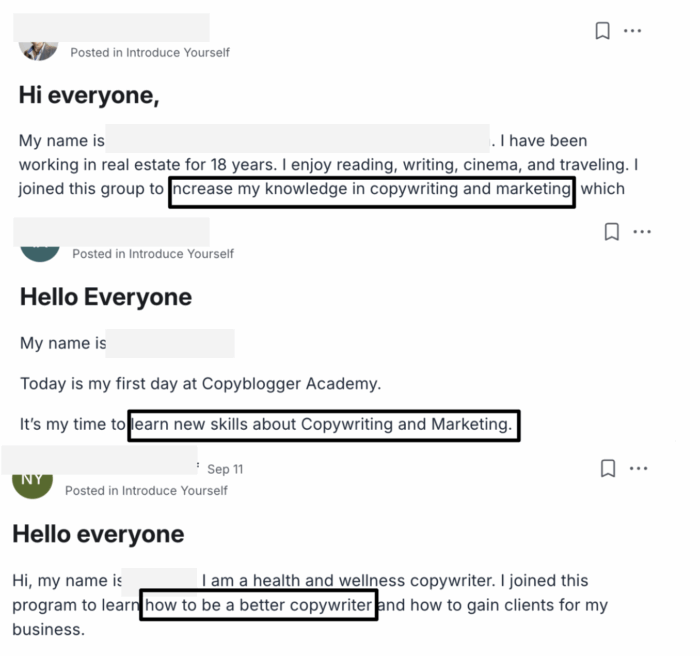
Building a career as a copywriter can be an isolated endeavor. Surrounding yourself with a vetted community of operators who share insights, critique drafts, and exchange job referrals drastically compresses the learning curve. Engaging with accomplished peers provides actionable feedback that prevents costly mistakes and accelerates professional growth.
10. Be Impatient With Action and Patient With Results
Borrowing from Naval Ravikant’s philosophy on wealth and execution, high-performing copywriters maintain an aggressive bias toward daily action while remaining deeply patient regarding macro outcomes. Consistency over a sustained timeline compounds quietly until exponential growth occurs.

Supporting Context & Metrics: The Shift Toward ROI-Driven Copy
The digital marketing landscape has undergone a structural shift over the past decade. With the proliferation of automated content generation tools, the market is currently saturated with low-effort, generic text. Consequently, enterprise organizations and high-growth startups are placing a premium on writers who can demonstrate measurable business outcomes.
- The Economics of Clarity: Data indicates that landing pages utilizing customer-centric language—specifically addressing user pain points identified through qualitative research—experience conversion lifts ranging from 20% to over 100% compared to feature-focused copy.
- The Value of Specialization: Freelance copywriters who position themselves as revenue-drivers (tying their output directly to pipeline generation or e-commerce sales) command hourly and project rates up to 300% higher than generalists who bill purely on word counts.
Official Industry Perspectives
Industry veterans consistently emphasize that technical writing skill is secondary to market empathy and strategic distribution. Charles Miller, a prominent personal branding and digital marketing authority, notes:
"The greatest copy in the world will fail if it speaks to the wrong person, at the wrong time, with the wrong intent. Mastery isn’t about vocabulary; it’s about deeply understanding human psychology and aligning your solution with an already urgent desire."
Furthermore, digital publishing platforms report that content ecosystems built around clear user intent—where blogs, social channels, and email newsletters feed into a unified acquisition funnel—generate significantly higher customer lifetime values (LTV) than isolated, top-of-funnel traffic strategies.

Future Outlook: The Evolution of Copywriting in an AI-Driven Era
As artificial intelligence continues to commoditize baseline content creation, the role of the human copywriter is evolving from a tactical producer of words to a strategic architect of customer journeys.
The future belongs to the "full-stack copywriter"—professionals who understand market research, audience psychology, platform algorithms, and conversion rate optimization (CRO). AI can draft paragraphs, but it cannot conduct customer interviews, interpret nuanced behavioral data, or build high-trust relationships within a community.

For aspiring and established copywriters alike, the path forward is clear: double down on proprietary research, master the metrics that dictate real revenue, and integrate within elite environments designed to sharpen execution. By combining relentless daily action with a long-term strategic vision, the written word remains the most powerful leverage tool in modern business.