








Executive Overview
The technological landscape is undergoing a structural paradigm shift, driven by the rapid maturation and proliferation of generative artificial intelligence. For decades, software development was an exclusive domain requiring years of specialized education, syntax mastery, and rigorous debugging. Today, the AI boom has dismantled these barriers, empowering a vastly wider demographic of creators, entrepreneurs, and domain experts to draft code, test algorithms, and launch fully realized software applications from scratch.
While this transformation introduces complex debates within the engineering community—ranging from structural concerns over developer dependency to the pressure on seasoned professionals to accelerate output—it has simultaneously birthed a new class of hyper-growth enterprises. At the epicenter of this software revolution sits Replit.
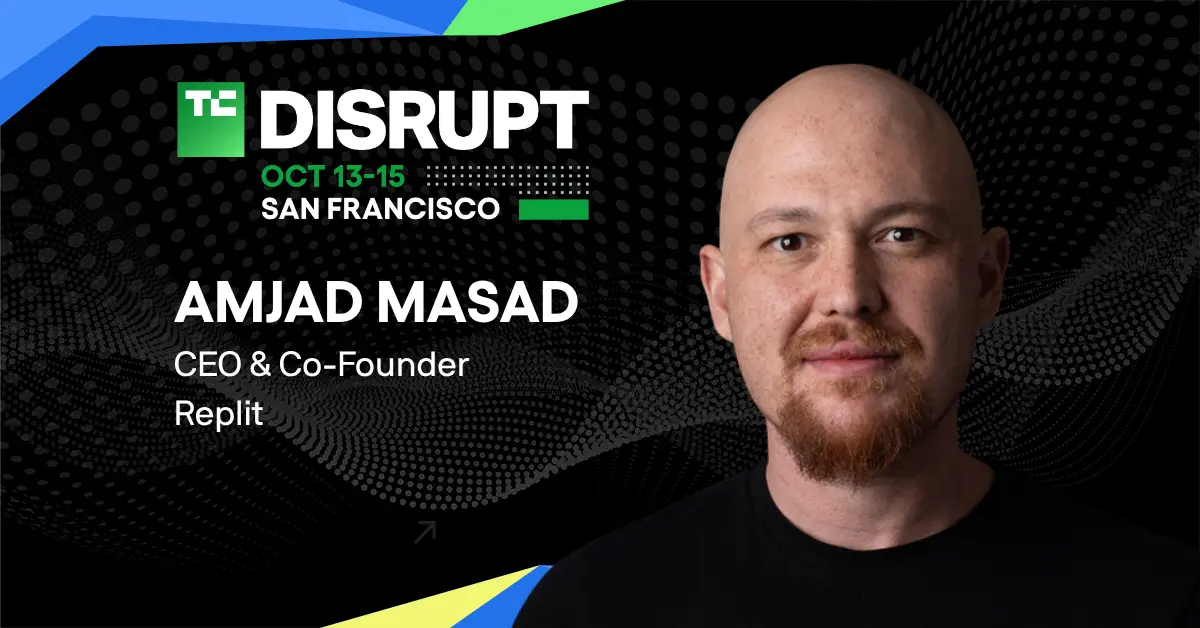
As the platform’s CEO and co-founder, Amjad Masad, prepares to take center stage at TechCrunch Disrupt 2026, the tech industry is watching closely. Masad’s keynote address will interrogate the future of programming and examine the profound, wide-ranging implications of a world where converting a conceptual idea into a market-ready product is as simple as articulating a prompt.
This article explores the trajectory of Replit, the astronomical financial metrics underpinning its current valuation, the cultural and technical shifts redefining the coding ecosystem, and what attendees can expect from San Francisco’s premier technology conference this coming October.
Detailed Chronology: From Niche IDE to $9 Billion Titan
The Early Foundations (2015–2023)
Founded a decade ago by Amjad Masad, Haya Al-Husseini, and Faris Masad, Replit initially launched as an accessible, browser-based integrated development environment (IDE). Its core value proposition was simple yet revolutionary: eliminate the cumbersome local setup processes that traditionally frustrated novice programmers, allowing anyone with an internet connection to write and run code instantly.
For years, the platform cultivated a loyal, grassroots following among educators, hobbyists, and students. However, it operated primarily within the traditional boundaries of developer tooling, steadily growing its user base while navigating the competitive pressures of the cloud-development market.
The Generative AI Inflection Point (2024–2025)
The true inflection point for Replit arrived with the broader generative AI explosion. Recognizing that AI could bridge the gap between human intent and machine execution, the company pivoted aggressively, embedding advanced large language models directly into its core interface. Features like code generation, natural language debugging, and automated project scaffolding transformed Replit from a passive workspace into an active co-pilot.
The financial proof of this transformation is staggering. In 2024, Replit reported modest annual revenues of approximately $2.8 million. However, as the platform captured the imaginations of both casual creators and professional engineering teams seeking productivity multipliers, its financial performance went parabolic. By early 2026, Replit’s annualized run-rate had surged toward an astonishing $1 billion.
The Hyper-Valuation Era (2026)
Venture capital markets have responded to this hyper-growth with unprecedented aggression. In late 2025, Replit secured a $3 billion valuation. Just six months later, in March 2026, institutional investors—convinced of the platform’s dual utility for non-technical entrepreneurs and professional coders alike—pushed its valuation to a staggering $9 billion.
This meteoric rise positions Replit not merely as a successful software-as-a-service (SaaS) provider, but as a defining pillar of the modern AI economy. Yet, this rapid ascent invites pressing industry questions: Can a company scaling at such a velocity maintain operational stability, and will today’s record-breaking metrics appear modest by this time next year?
Supporting Context & Metrics: The Macroeconomics of AI-Assisted Coding
The phenomenon fueling Replit’s growth is part of a broader macroeconomic shift in how software is conceptualized and deployed. Industry data indicates that the global reliance on AI coding assistants has moved from an experimental luxury to an operational necessity. Recent surveys show that a growing percentage of professional coders refuse—or strongly prefer not—to work without AI integration, citing velocity and cognitive offloading as primary drivers.
However, this reliance introduces systemic risks. Software engineering is historically rooted in deep foundational logic, architectural foresight, and security hardening. When code is synthetically generated en masse by users who may not fully comprehend the underlying architecture, technical debt can accumulate invisibly.
Replit has consciously structured its product roadmap to address this challenge. The platform’s strategic evolution is deliberately designed to push beyond casual prototyping. While it effortlessly enables novices to draft an initial concept, its deeper toolsets are engineered to guide users through the complex lifecycle of software development—helping them refine, scale, and secure production-ready applications.
This dual-market capture—democratizing software creation for the uninitiated while supercharging the workflows of seasoned developers—underpins the $9 billion market confidence displayed by institutional backers.
Official Perspectives and Keynote Preview: TechCrunch Disrupt 2026
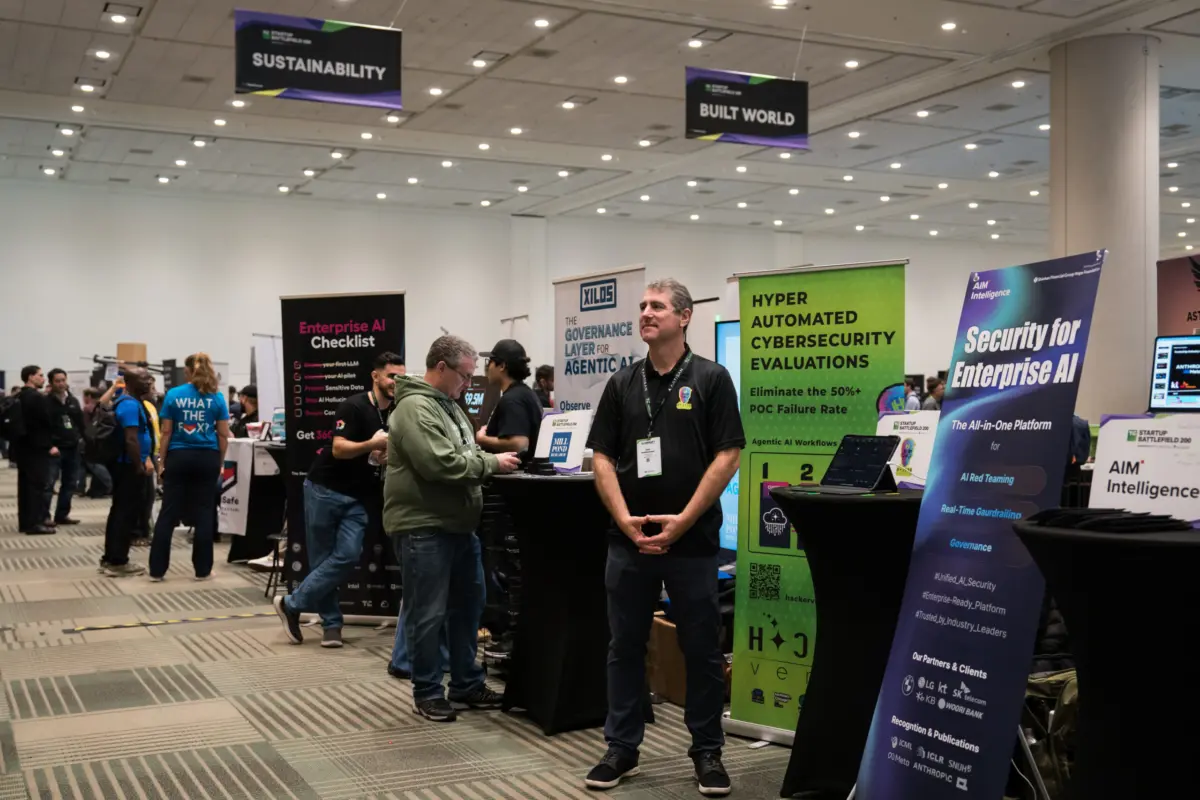
The intersection of these cultural, technical, and financial currents will form the backbone of Amjad Masad’s upcoming appearance at TechCrunch Disrupt 2026. Taking place from October 13–15 at San Francisco’s Moscone West, the event is projected to draw over 10,000 founders, investors, and technologists.
Masad’s keynote will tackle several critical themes:
- The Evolution of Programmer Identity: How the definition of a "developer" is expanding beyond traditional computer science graduates to include domain experts across every conceivable industry.
- Beyond Prototyping: Strategies for ensuring that AI-generated applications possess the structural integrity, scalability, and security required for enterprise deployment.
- Industry Consolidation and Competition: Addressing market dynamics, such as navigating strategic partnerships, competing against tech conglomerates, and maintaining independent operational momentum amidst surging market caps.
The Broader Disrupt 2026 Agenda
Beyond the Replit keynote, Disrupt 2026 will span six distinct stages, addressing the existential questions currently facing the global startup ecosystem. Chief among these concerns is financial sustainability in an era defined by high computational costs, shifting capital availability, and rapid AI disruption. Attendees will gain direct insights from headline leaders representing powerhouses such as Amazon, Tether, and other pioneers shaping the next decade of technology.
For founders and builders looking to secure their place at the conference, organizers have extended a special promotional pricing tier. Interested participants can secure up to $300 off their tickets until 11:59 p.m. PT on Tuesday, August 25.
Future Outlook: Navigating the Frontier of Human-AI Collaboration
As we look toward the remainder of 2026 and beyond, the software development landscape will continue to be reshaped by platforms that lower the friction between human creativity and technical execution.
The trajectory of Replit serves as a case study for this new era. By transforming programming from a text-based, syntax-heavy discipline into a conversational, intent-driven process, the company has unlocked an entirely new tier of global productivity. However, the true test for Replit—and the broader AI software ecosystem—will lie in its longevity.
Can platforms like Replit foster an environment where speed does not compromise systemic safety? Will the next generation of non-technical founders successfully scale sustainable enterprises, or will they encounter insurmountable architectural hurdles as their user bases grow?
These are the exact questions that industry leaders, venture capitalists, and visionary technologists will debate this October in San Francisco. One reality remains indisputable: the genie is out of the bottle. The ability to turn ideas into software with conversational ease is no longer a futuristic sci-fi trope—it is the defining business reality of the modern technological age.
Essential Information for Disrupt 2026 Attendees
- Dates: October 13–15, 2026
- Location: Moscone West, San Francisco, CA
- Key Highlights: Six content stages, 10,000+ attendees, headline keynotes from tech pioneers including Replit CEO Amjad Masad.
- Ticket Promotion: Save up to $300 by purchasing your pass before 11:59 p.m. PT on Tuesday, August 25.
For more information regarding startup exhibition opportunities, side-event hosting, and hotel discounts, visit the official TechCrunch Disrupt portal.