








Executive Overview
As the global economy races to support the insatiable demands of artificial intelligence, high-performance computing, and advanced cloud infrastructure, data center construction has emerged as the definitive engineering and real estate story of 2026. While broader commercial and residential construction markets display signs of cooling amid fluctuating macroeconomic pressures, digital infrastructure remains a resilient, multi-billion-dollar exception. Driven by the explosive growth of generative AI training and inference workloads, construction planning momentum continues to break records, shining brightly as the preeminent sector in modern building.
Yet, this unprecedented expansion is encountering profound friction. The convergence of immense capital outlays, constrained electrical grids, chronic labor shortages, and rising public pushback has transformed the data center landscape. Stakeholders are no longer just asking how to build massive digital campuses, but where, at what cost to local communities, and with what long-term impact on regional power supplies.
This comprehensive report examines the multifaceted challenges defining the 2026 data center boom. By analyzing legislative moratoria, evolving insurance and risk management strategies, private power innovations, and shifting community relations, we explore how the technology, construction, and financial sectors are adapting to ensure sustainable, secure, and collaborative growth.
Detailed Chronology: How the 2026 Infrastructure Surge Unfolded
The trajectory of the 2026 data center boom is marked by rapid acceleration followed by critical regulatory and logistical interventions. Tracing this timeline reveals how the industry transitioned from an unchecked land grab into a disciplined, highly scrutinized phase of digital expansion.
Q1 2026: The Surge Begins and Specialized Insurance Steps Up
At the outset of 2026, market data—such as the Dodge Momentum Index—signaled a relentless upward trajectory for data center planning. Recognizing the technical complexity, massive capital requirements, and unique risk profiles of next-generation facilities, major financial institutions and insurers mobilized. In January, Zurich introduced its specialized Data Center Project Guard offering. Within months, the initiative received more than three dozen broker submissions representing approximately $140 billion in cumulative project value. This early flood of proposals highlighted a stark industry reality: while financial demand was virtually limitless, physical delivery mechanisms were beginning to stretch thin.
Late Spring 2026: Grid Realities Hit the Spotlight
As spring unfolded, industry-wide forums and trade events increasingly focused on operational bottlenecks. Power constraints shifted from a secondary consideration to a primary existential threat for developers. Hyperscalers and co-location providers realized that traditional utility interconnect agreements were taking years to secure. Concurrently, labor forces faced severe shortages, particularly in specialized electrical and mechanical trades capable of installing complex cooling systems and high-density server racks.
July 2026: Legislative Pushback and Regulatory Interventions
July marked a historic turning point for community and regulatory pushback against uncontrolled digital expansion:
- New York’s Landmark Moratorium: New York officially became the first U.S. state to impose a strict one-year pause on new hyperscale data center approvals. The legislative timeout was designed to give state regulators time to establish comprehensive standards protecting local ratepayers, stabilizing the energy grid, and safeguarding environmental resources.
- Texas Grid Audits: In Texas—long considered a haven for data center development due to its deregulated energy market—Governor Greg Abbott ordered comprehensive state audits of data center projects seeking grid connections. Citing mounting anxieties over electricity demand, water consumption for cooling towers, localized environmental impacts, and project transparency, the state signaled that cheap, unconditional power access was coming to an end.
August 2026 and Beyond: The Pivot Toward Collaboration
Entering the second half of 2026, the data center ecosystem began recalibrating. Industry leaders acknowledged that blanket bans and punitive regulations were symptoms of a deeper communication failure between developers and the public. A new consensus emerged: data center operators must evolve from traditional, secretive real estate developers into transparent, collaborative community partners willing to shoulder the true costs of their energy and infrastructure footprints.
Supporting Context & Metrics: The Scale of the Digital Gold Rush
The numbers underpinning the 2026 data center boom illustrate a scale of capital deployment rarely seen in peacetime infrastructure history.
- $140 Billion in Specialized Risk Submissions: Zurich’s global construction insurance business recorded an 18% growth rate in the first half of 2026 alone. The influx of over three dozen major submissions under the Data Center Project Guard framework underscores the sheer financial magnitude of individual campuses, many of which now exceed gigawatt-scale power consumption.
- The Multi-Billion-Dollar AI Backing: Highlighting the corporate heavyweight matches funding this boom, private and public guarantees are shattering historical benchmarks. Notably, high-profile mega-buildouts—such as massive regional expansions backed by major tech firms and hardware giants like Nvidia—feature staggering financial guarantees, including multi-billion-dollar investments directed at single-site clusters designed to power OpenAI and other leading AI labs.
- Gigawatt-Scale Private Power Trials: Projects like the proposed 1.5-gigawatt Prometheus Pecos plan in Texas are testing the viability of private, off-grid power generation. Rather than relying solely on public utilities, developers are increasingly capitalizing on dedicated microgrids to bypass traditional transmission bottlenecks.
The Anatomy of Modern Data Center Risks
Building a modern hyperscale data center is vastly different from constructing a standard commercial office building or warehouse. Key technical hurdles include:
- Thermal Density and Cooling: Liquid cooling and advanced HVAC systems are now mandatory to manage the intense heat generated by high-density AI accelerators. A failure in these systems can result in catastrophic equipment loss.
- Uninterrupted Power Quality: Data centers cannot simply tolerate brownouts; minor fluctuations in voltage can crash training models worth millions of dollars.
- Supply Chain Lead Times: Critical electrical components, such as high-voltage step-up transformers and heavy-duty switchgear, face global backorders stretching up to three to four years.
Official Statements and Industry Perspectives
The friction points dividing developers, regulators, and communities have generated intense debate across the corporate and financial leadership landscape. Industry executives and risk experts have articulated clear visions for navigating this turbulent phase.
The Community Partnership Imperative
Addressing the wave of local pushback, Compass Datacenters CEO Chris Crosby addressed the core cultural divide in a widely discussed commentary published via Fortune. Crosby argued that communities deserve reliable, transparent partners rather than sudden zoning fights or blanket legislative bans. He emphasized that trust must be systematically earned through ongoing dialogue, public accountability, and enforceable community benefits. Crosby outlined five fundamental questions that every modern data center developer must answer transparently for host municipalities:
- How much water will be consumed, and what are the wastewater mitigation plans?
- What is the exact impact on local electricity rates for residential and small business ratepayers?
- What visual, acoustic, and traffic disruptions will local neighborhoods experience during construction and operation?
- What local employment and tax revenue benefits will genuinely materialize?
- How will the facility transition to sustainable, low-carbon energy sources over its operational lifecycle?
The Insurer’s Lens: Early Integration and Lifecycle Risk Management
From an insurance underwriting and risk engineering perspective, mitigating losses requires tearing down traditional silos. Kelly Kinzer, Global Head of Construction and Surety at Zurich North America, emphasizes that modern projects are achieving breakthroughs by bringing insurers into the fold long before final site selection or architectural blueprints are finalized.
"By adopting a holistic, lifecycle perspective, insurers and owners can collaborate to identify risks that may not be significant during construction but could become critical over decades of operation," notes Kinzer.
Engaging underwriting and risk engineering teams during the conceptual phase allows developers to optimize protection systems, build-in robust fire suppression frameworks, and align engineering requirements with long-term insurability goals. This proactive collaboration is pivotal in securing predictable property insurance pricing and favorable coverage terms in an otherwise hardening reinsurance market.
Future Outlook: Engineering a Sustainable, Disciplined Horizon
As the industry looks past the immediate regulatory hurdles of 2026, the long-term outlook for data center construction remains overwhelmingly positive, provided the sector successfully navigates its structural growing pains.
The Evolution of Energy Sourcing
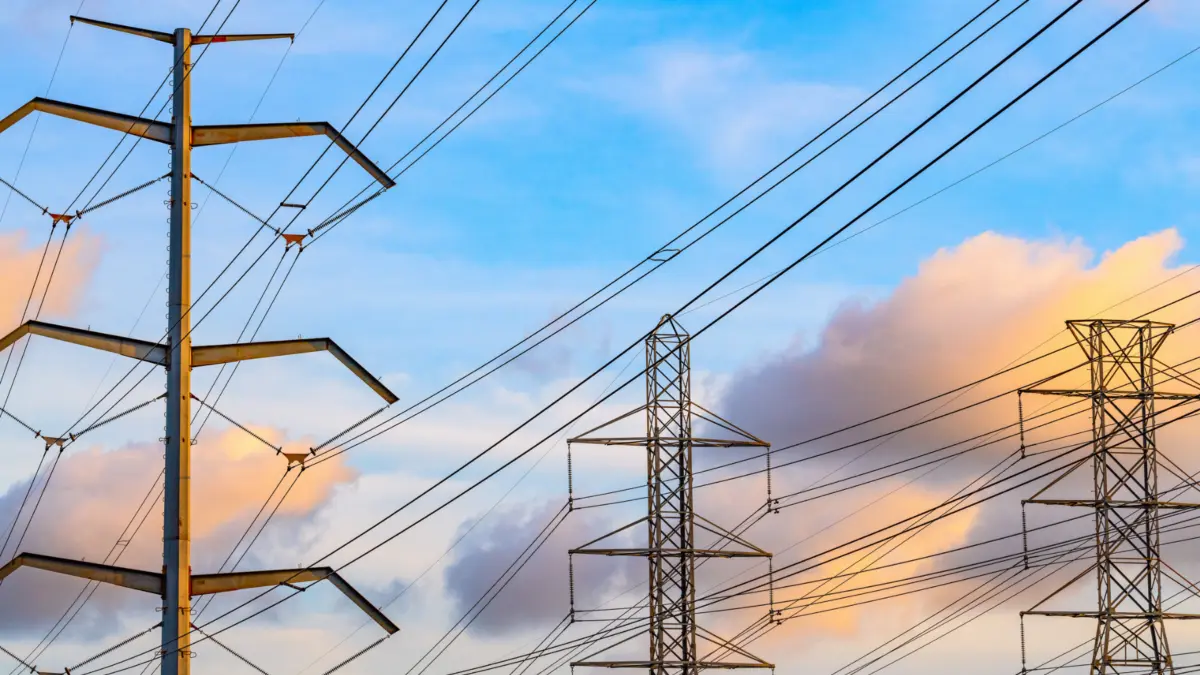
The conversation surrounding power is no longer merely about securing enough raw electricity from the grid. Instead, it has shifted toward ensuring high-reliability power delivery that does not destabilize regional grids or compromise service for everyday citizens and businesses.
To achieve this, developers are aggressively diversifying their power procurement strategies:
- Natural Gas Microgrids: Utilizing localized generation to provide immediate, on-demand baseload power without waiting for long-distance transmission line construction.
- Advanced Fuel Cells and Energy Storage: Deploying utility-scale battery energy storage systems (BESS) and hydrogen-ready fuel cells to smooth out intermittent renewable generation.
- Geothermal and Nuclear Horizons: Exploring next-generation geothermal energy and long-term commitments to small modular nuclear reactors (SMRs) to supply zero-emission, gigawatt-scale baseload power for future AI campuses.
- Cost-Allocation Models: Pioneered by forward-thinking operators, the principle that "data centers should pay their own power costs" is gaining traction. Developers are increasingly willing to fund dedicated transmission upgrades and new generation facilities directly, shielding local ratepayers from infrastructure cost overhauls.
Conclusion: Laying Solid Foundations for the AI Era
The data center buildout of 2026 is much more than a temporary construction surge; it is the physical foundation of the global digital economy. While local moratoria in New York and regulatory audits in Texas serve as stern reminders that unchecked growth is no longer acceptable, they are also catalysts for positive evolution.
By embracing early risk engineering collaboration, transparent community partnerships, and innovative private energy solutions, the data center ecosystem is proving its resilience. We are still a long way from total build-out completion, but the fundamental lessons learned today are shaping a more disciplined, sustainable, and collaborative tomorrow.