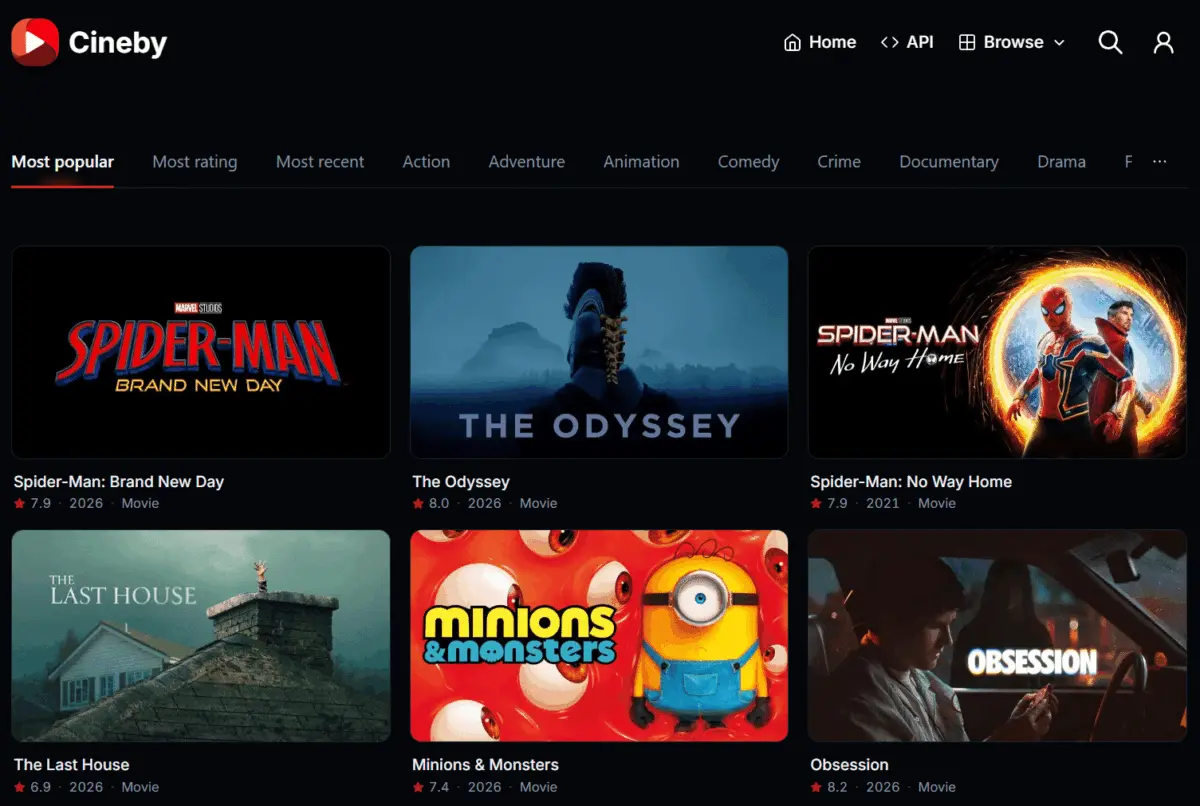
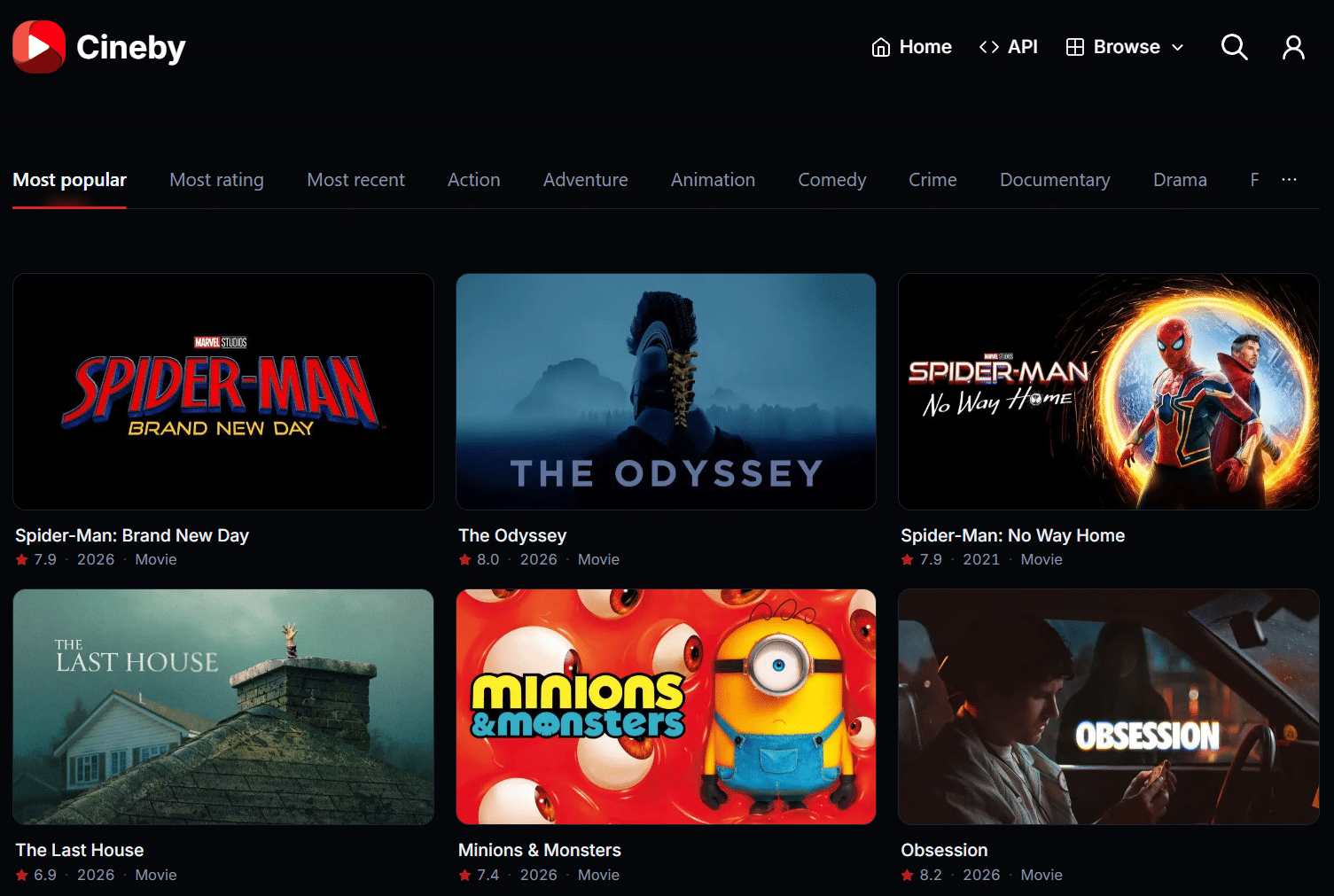
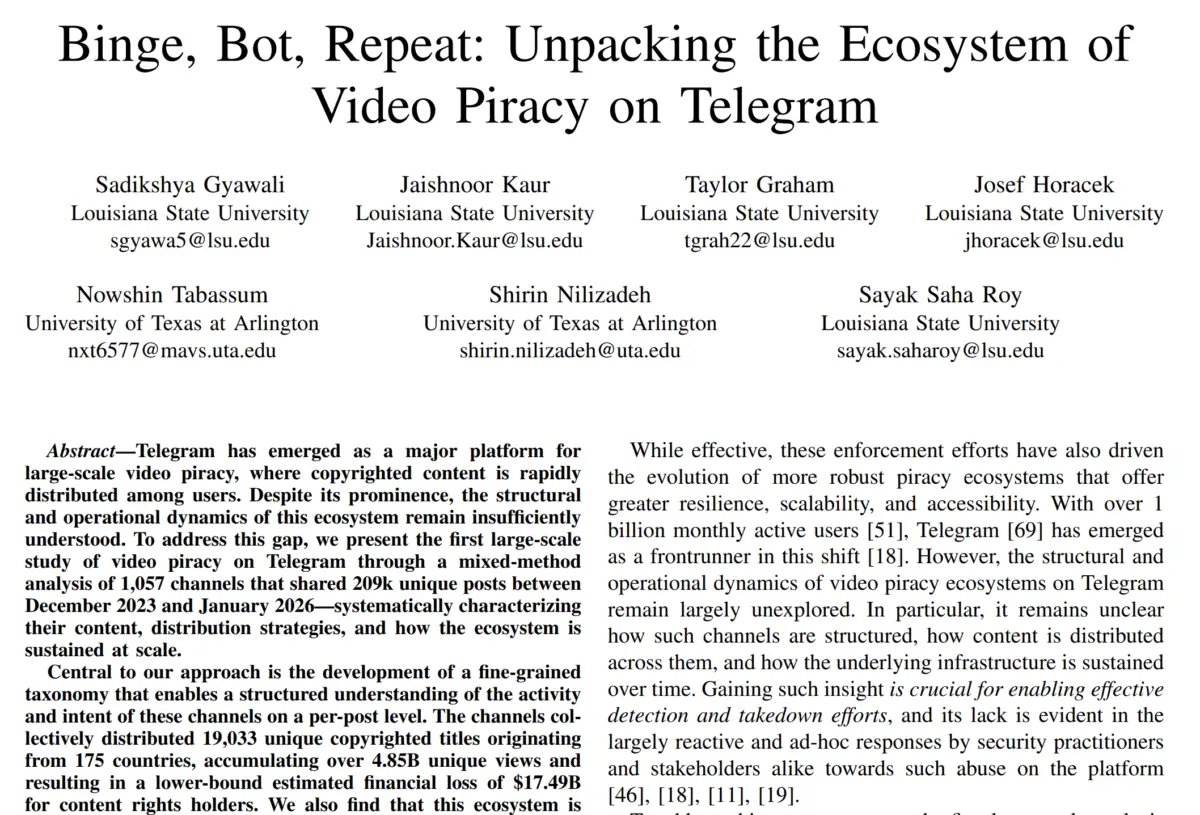
In the high-stakes chess match between global entertainment conglomerates and illicit digital networks, a major player is bowing out—or at least changing its disguise. Cineby, one of the most prolific and heavily trafficked pirate streaming platforms on the internet, has announced that it will permanently shutter its operations on August 26. The platform, which commanded an astonishing 160 million visits in a single month prior to its shutdown notice, served as a one-stop shop for movies and television series without requiring users to pay a subscription fee or configure dedicated hardware.
While Cineby’s operators have offered no official rationale for their sudden retreat, the decision arrives against a backdrop of escalating, coordinated legal and diplomatic pressure. For years, the Motion Picture Association (MPA)—acting on behalf of major Hollywood studios—has targeted Cineby as a prime example of the modern "hydra site." These decentralized, rapidly mutating platforms aggregate content with the ease of commercial IPTV services while avoiding the infrastructural overhead.
The impending closure marks a significant milestone in modern copyright enforcement, demonstrating how cross-border legal actions, omnibus site-blocking injunctions, and intense trade-sanction pressure can drive major illicit operators into a corner. However, industry veterans and digital rights researchers caution that the disappearance of Cineby’s primary domain will not eradicate the underlying problem. True to the mythological creature from which the "hydra" label is derived, cutting off one head of the streaming network often gives rise to several more. Indeed, updates following the initial announcement revealed that Cineby’s sister sites, including Cineplay and Fmovies+, are displaying the exact same farewell message, signaling a coordinated retreat—or a widespread tactical pivot.
Detailed Chronology: The Rise, Pressure Points, and Fall of Cineby
To understand the significance of Cineby’s departure, one must trace the trajectory of its explosive growth and the corresponding dragnet cast by international rightsholders.
The Ascendancy of a Streaming Behemoth
Operating primarily out of infrastructure linked by security researchers to Russia, Cineby evolved rapidly from a minor video aggregator into an internet titan. By leveraging a "piracy-as-a-service" (PaaS) framework, the platform embedded streams hosted by third-party providers, allowing it to scale its catalogue infinitely while minimizing its own direct storage costs. This frictionless user experience resonated deeply with global audiences. By the summer of 2024, web analytics placed Cineby among the elite tier of illicit streaming destinations, pulling in over 160 million monthly visits.
Hollywood Takes Aim: The MPA and USTR Interventions
As Cineby’s traffic metrics soared, it naturally captured the attention of the Motion Picture Association. In the MPA’s comprehensive submission to the Office of the United States Trade Representative (USTR) last autumn, Cineby was formally designated as a "notorious market."
The MPA explicitly called out the platform’s architectural model:
“Cineby is a fast-growing one-stop-shop piracy site in the ‘hydra site’ category. These are a rapidly expanding category of one-stop piracy sites offering content somewhat comparable to IPTV services, but without the need for subscriptions or dedicated devices.”
This diplomatic naming-and-shaming set off a chain reaction, putting pressure on foreign governments to take direct judicial action against the site and its operational infrastructure.
Global Judicial Encirclement in 2024
The web began to tighten around Cineby during the first half of 2024, as movie studios pursued aggressive multi-jurisdictional litigation:
May 2024 (United Kingdom): Cineby was explicitly incorporated as a primary target in the UK’s sweeping new "omnibus" pirate site-blocking order. Orchestrated via Cloudflare disclosures, this legal mechanism went a step further than traditional injunctions by preemptively sweeping up known successors and copycats associated with the brand.
June 2024 (Canada): The Federal Court of Canada issued an expanded-scope blocking order. Mirroring the UK’s forward-thinking jurisprudence, the Canadian injunction was crafted to automatically capture existing Cineby domains as well as any future derivative sites that might attempt to capture its fleeing user base.
July 2024 (India): In a case spearheaded by HBO and other major Hollywood studios, the Delhi High Court issued a stringent injunction targeting four distinct Cineby domains. The order directed Indian Internet Service Providers (ISPs) to implement immediate network-level blocks, while commanding domain registrars to suspend the associated assets.
Despite these cascading legal victories, enforcement was uneven. For instance, Cineby’s primary .at domain remained active because its registrar, Registrar.eu, did not immediately comply with the Indian court’s directive. Yet, the cumulative weight of global injunctions clearly eroded the operational security and financial viability of the platform.
The Final Days: August 2024 Shutdown Notice
Visitors navigating to Cineby’s main portal in late August were met not with pirated streams, but with a stark, unceremonious text announcement:
“Cineby and all related services will cease operations on August 26th. It’s been a good run, but the time has come to stop. All servers will be shut down, and every user account will be deleted.”
Moments later, reports confirmed that sister networks Cineplay and Fmovies+ had deployed identical shutdown copy, confirming that the retreat was systemic across the operators’ portfolio.
Supporting Context & Metrics: The Anatomy of Modern Piracy
The scale of Cineby’s operation highlights a broader structural evolution within the global digital piracy ecosystem. Understanding how Cineby operated—and why traditional enforcement struggles to permanently excise such platforms—requires examining quantitative metrics and technical frameworks.
Traffic and Economic Impact
With 160 million monthly visits, Cineby rivaled legitimate, mid-tier streaming subscription services in terms of user engagement. The economic damage claimed by rightsholders runs into hundreds of millions of dollars in potential subscription conversions and advertising revenue. In the digital economy, traffic is monetized aggressively through programmatic ad networks that specialize in gray-market traffic, including offshore casinos, adult entertainment, and unregulated software downloads. When a site like Cineby shuts down, a massive vacuum of high-intent entertainment traffic is instantly released back into the wild.
The Piracy-as-a-Service (PaaS) Model
Unlike early-generation pirate sites that physically hosted massive libraries of .mp4 or .mkv files on raided physical servers (the classic Megaupload model), modern hydra sites like Cineby operate on abstraction layers. By utilizing PaaS architecture:
Decoupled Hosting: The front-end portal acts merely as a search engine and media player interface.
Third-Party Embeds: The actual video files are hosted on distributed, anonymous cloud storage providers and video-hosting nodes scattered across lax jurisdictions.
Resilience: If a specific domain or front-end interface is seized or blocked, the operators can spin up a clone within hours because their content ingestion pipeline remains entirely untouched.
The Domain Registry Conundrum
Cineby’s continued survival on its .at domain despite international court orders underscores the fragmentation of global internet governance. While local courts can compel domestic ISPs to block traffic, domain suspension relies entirely on the voluntary compliance of foreign registrars and registry operators. When a registrar sits outside the enforcing court’s direct jurisdiction—or demands lengthy legal verifications—sites can maintain their digital real estate long after their financial or operational pillars have crumbled.
Official Statements & Industry Perspectives
The reaction from major industry bodies reflects both satisfaction at a notable scalp and weary realism regarding the permanence of the victory.
The Motion Picture Association (MPA) has consistently pointed to platforms like Cineby as proof that copyright enforcement must evolve past single-site takedowns. In statements accompanying their USTR submissions, MPA representatives stressed that modern anti-piracy strategies must target the underlying infrastructure—such as rogue content delivery networks (CDNs), ad brokers, and lax domain registrars—rather than just playing whack-a-mole with front-end domains.
Independent Copyright Researchers tracking the shutdown have emphasized the tactical nature of the move. Speaking on condition of anonymity, one senior digital forensics analyst noted:
“When a site pulls 160 million visits voluntarily closes without a police raid, it usually means the operators have monetized successfully, smelled the approaching subpoenas, and decided to cash out clean. They aren’t leaving the industry; they are sanitizing their digital footprint to launch under a fresh brand name next month.”
This perspective is historically validated by previous high-profile departures. For instance, the immensely popular anime streaming operation that cycled through the brands Zoro, Aniwatch, and eventually HiAnime utilized similar voluntary shutdowns and rebrandings to evade international trade sanctions and criminal investigations—notably in regions like Vietnam, where local authorities faced intense pressure from U.S. trade representatives.
Future Outlook: The Hydra Effect and the Next Generation
As the clock ticks past August 26, the primary question facing intellectual property lawyers, studios, and cyber-security experts is simple: What happens next?
The Inevitable Succession
History dictates an immediate scramble to capture Cineby’s 160 million orphaned monthly visitors. Within hours of the shutdown announcement, speculative forums on Reddit, Telegram, and Discord began buzzing with users hunting for alternative portals. Simultaneously, opportunistic copycat domains—some operated by the original crew under new aliases, others by opportunistic third parties attempting spoofing attacks—have registered variations of the Cineby brand.
Testing Expanded Legal Frameworks
The true test of the legal innovations introduced in 2024 will occur in the weeks following Cineby’s demise. Because the UK’s "omnibus" blocking order and Canada’s "expanded scope" injunction were specifically engineered to preemptively cover successors and future copycats of targeted hydra sites, rightsholders will not need to return to court to block Cineby’s immediate replacements.
Instead, entertainment lawyers can theoretically update existing blocklists dynamically, compelling ISPs to drop traffic to newly emergent domains associated with the Cineby infrastructure almost as soon as they propagate across the Domain Name System (DNS).
A Cat-and-Mouse Game Without End
Despite these advanced legal tools, the structural realities of the internet ensure that the cat-and-mouse game will persist. As long as global demand for fragmented, subscription-gated media outstrips consumer willingness or ability to pay for dozens of competing streaming services, the economic incentives for hydra sites will remain robust.
Cineby may be turning off its servers and purging its user databases, but the underlying infrastructure of the decentralized web ensures that the multi-headed streaming hydra will live on, quietly sprouting new heads in the dark corners of the digital frontier.