








Executive Overview
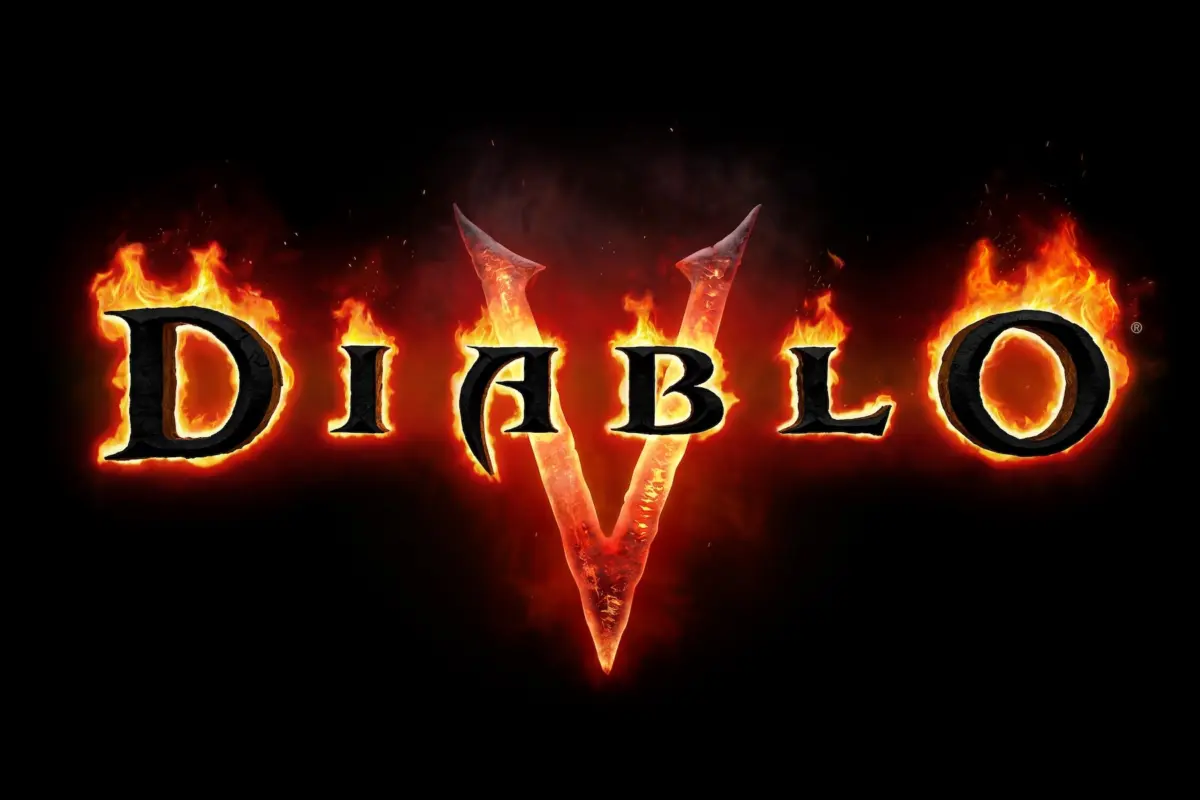
The halls of the Anaheim Convention Center erupted on Saturday morning as Blizzard Entertainment—operating under the banner of its parent company, Xbox—unveiled a blockbuster slate of announcements during the grand opening ceremony of BlizzCon 2026. Dominating the convention’s opening hours was the official confirmation that Diablo V is currently in active development, targeting a Spring 2029 release window.
In a radical departure for the historic dark fantasy franchise, Diablo V will thrust players into an unprecedented narrative scenario: a world where the Lord of Terror has officially triumphed, its champions have been systematically eradicated, and the realm of Sanctuary has fallen into absolute ruin. Set a century after the tumultuous events of Diablo IV (2023), the upcoming sequel poses a harrowing existential dilemma to its prospective players: What must you become when the world has already fallen?
This monumental reveal arrived during a milestone year for the intellectual property. 2026 marks the 30th anniversary of the original Diablo, which debuted in 1996 and fundamentally reshaped the action-RPG genre. To commemorate three decades of demon-slaying, gothic lore, and loot-driven gameplay, Blizzard president Johanna Faries took to the stage to announce not only the next mainline gaming chapter but also an expansive multimedia strategy. Most notably, Blizzard is partnering with streaming giant Netflix to develop an original Diablo animated television series.
The cascading wave of announcements did not stop at the gates of Sanctuary. Blizzard leveraged the BlizzCon 2026 spotlight to tease another long-awaited franchise resurrection, confirming that a brand-new StarCraft open-world shooter is actively in production with an eye toward a 2030 release. As Blizzard looks toward the horizon, the studio is aggressively expanding its universes beyond the confines of traditional PC and console gaming, signaling a bold new era for the developer under Microsoft’s Xbox division.
Detailed Chronology: BlizzCon 2026 Opening Ceremony
The energy inside the Anaheim Convention Center was palpable hours before the lights dimmed for the BlizzCon 2026 opening ceremony. Tens of thousands of passionate fans, cosplay enthusiasts, and industry media packed the arena, buzzing with anticipation regarding the future of Blizzard’s premier franchises. When the house lights finally fell, the convention’s tone was set immediately by Blizzard President Johanna Faries, who addressed the global audience both in-person and via livestream.
Faries wasted little time diving into retrospective celebrations. Acknowledging the 30th anniversary of the original 1996 release of Diablo, she highlighted the cultural legacy of the franchise before shifting the focus entirely to the future. The presentation transitioned into a cinematic sequence that stunned the gaming world.
The reveal trailer for Diablo V—subsequently made available to global audiences—unfolded across grim, desolate landscapes. The footage confirmed long-standing community theories while shattering others: Sanctuary is no longer a contested battleground between the High Heavens and the Burning Hells. Instead, it is a ruined husk ruled entirely by darkness.
Following the Diablo V unveiling, the ceremony pivoted toward cross-media expansion. Faries officially confirmed the studio’s partnership with Netflix to bring the universe of Diablo to television screens in an animated format. This announcement was framed as a cornerstone of Blizzard’s broader strategy to transcend traditional gaming boundaries.
To cap off an already historic morning, the presentation concluded with a teaser for StarCraft, confirming the sci-fi strategy titan’s return as an open-world shooter slated for 2030. For a company that has weathered corporate restructuring and shifting industry tides over recent years, BlizzCon 2026 served as a resounding statement of creative intent, anchored firmly by the impending arrival of Diablo V.
Supporting Context & Metrics: The Legacy of Diablo at 30 Years
To understand the magnitude of Diablo V, one must examine the staggering historical trajectory of the franchise. When Blizzard North released the original Diablo in January 1996, it pioneered the Action Role-Playing Game (ARPG) genre, introducing randomized dungeon layouts, relentless item hunting, and an oppressive, gothic atmosphere that starkly contrasted with the brighter fantasy titles of the era.
Over the span of three decades, the series has evolved through monumental milestones:
- Diablo II (2000): Widely considered one of the greatest PC games of all time, it solidified the franchise’s mechanics, introduced iconic class archetypes, and established a legendary online economy via Battle.net.
- Diablo III (2012): Despite a rocky launch plagued by server issues and the controversial real-money auction house, Diablo III eventually matured into a massively successful, fast-paced ARPG phenomenon across multiple generations of consoles and PC, ultimately surpassing millions of lifetime players.
- Diablo IV (2023): Released to critical acclaim and record-breaking sales, Diablo IV returned the franchise to its dark, grounded roots while introducing a shared open world, dynamic world bosses, and robust post-launch seasonal content that kept players engaged for years.
According to official metrics shared by Blizzard during BlizzCon 2026, the cumulative reach of the franchise has now surpassed 130 million players worldwide. This vast player base represents multiple generations of gamers who have traversed the treacherous dungeons of Tristram, Westmarch, and the fractured peaks of Sanctuary.
The announcement of Diablo V targeting a Spring 2029 release date gives the development team at Blizzard a generous runway to iterate upon the foundations built by Diablo IV. It also ensures that Diablo IV will continue to receive dedicated support, expansions, and seasonal updates for several more years before the torch is officially passed to the next mainline installment.
Official Statements and Narrative Vision
The thematic core of Diablo V marks a radical departure for a series traditionally rooted in the classic hero’s journey. For thirty years, players have assumed the mantle of the savior—an isolated hero or band of adventurers rising up against impossible odds to push back the encroaching demonic hordes.
The official narrative brief released by Blizzard for Diablo V flips this dynamic entirely on its head:
"For the first time, players will enter a Sanctuary where Diablo has triumphed and its heroes have been defeated. At the heart of Diablo V lies a defining question: what must you become when the world has already fallen?"
This bleak narrative premise suggests that Diablo V will delve deep into survival horror elements, moral ambiguity, and desperation. If Sanctuary has fallen, the remaining inhabitants are likely living under the brutal yoke of demonic supremacy. Players may no longer be fighting to save a flourishing world, but rather scavenging the ashes of a lost civilization, forced to employ dark and questionable means to survive and resist.
Complementing the game’s narrative ambitions is Blizzard’s multi-platform storytelling push. Elaborating on the studio’s partnership with Netflix for the Diablo animated series, Blizzard issued a comprehensive statement regarding its transmedia strategy:
"After decades of bringing entire universes to life through our games, we’re partnering with some creative powerhouses to tell even more stories beyond gaming across new screens. A new animated series set in the world of ‘Diablo’ is in development with Netflix. More details will be shared in the future, but this is only the beginning, with even more taking shape across our universes."
This initiative aligns with a broader industry trend where major gaming IPs are successfully translated into prestige television and film (such as HBO’s The Last of Us and Netflix’s own critically acclaimed Arcane, which was also based on a massive gaming property). Given the rich, sprawling lore of the High Heavens, the Burning Hells, the Horadrim, and the Sin War, the Diablo universe offers a fertile canvas for adult-oriented animated storytelling.
Future Outlook: The Road to 2029 and Beyond
As the dust settles on BlizzCon 2026, the gaming community faces a lengthy waiting period before they can step foot into the fallen world of Diablo V. With a targeted release window of Spring 2029, fans have roughly three years of anticipation ahead of them.
This extended timeline raises several strategic considerations for Blizzard and its parent company, Xbox:
1. Sustaining Diablo IV
With Diablo V still years away, Blizzard faces the challenge of keeping Diablo IV vibrant and engaging. The development team will need to roll out successive expansions, innovative seasonal mechanics, and compelling endgame loops to retain its massive player retention numbers through the late 2020s.
2. The Netflix Adaptation as a Bridge
The upcoming Netflix animated series could serve as a vital narrative and marketing bridge. If released ahead of Diablo V—though specific release dates for the show have not yet been finalized—the series could introduce millions of mainstream streaming subscribers to the lore of Sanctuary, priming a massive new audience for the 2029 game release.
3. A Crowded Horizon for Blizzard
The announcements of Diablo V (Spring 2029) and the new StarCraft open-world shooter (targeting 2030) indicate that Blizzard is playing the long game. Under Xbox’s stewardship, the legendary studio is mapping out its release cadence years in advance, signaling renewed stability, ample funding, and a clear creative vision for its treasured franchises.
As Variety continues its on-the-ground coverage of BlizzCon 2026 throughout the weekend, more details regarding gameplay mechanics, engine advancements, and creative leadership for Diablo V are expected to emerge. For now, however, one immutable truth echoes across the gaming landscape: the Lord of Terror has won, and the ultimate test of survival in Sanctuary is yet to come.