







By Chris Kerr | September 8, 2026
Executive Overview
FuturLab, the celebrated development studio best known for the breakout hit PowerWash Simulator, has confirmed a round of layoffs impacting seven employees. The downsizing follows the abrupt cancellation of an unannounced, non-PowerWash-related video game project that had been in active development for two to three years.
According to studio leadership, the title was canceled during pre-production after financial models revealed that its projected development costs far outweighed its anticipated commercial return. While studio CEO Kirsty Rigden framed the decision as a necessary and proactive step to safeguard the studio’s long-term financial stability, internal sources have painted a more complex picture. Reports suggest that the handling of the cuts—characterized by weeks of employee limbo, communication breakdowns among management, and controversial internal directives regarding corporate terminology—has raised serious questions about transparency and internal communication within the independent studio.
This development arrives during a turbulent era for the global interactive entertainment industry, where even successful mid-sized studios are being forced to aggressively re-evaluate their portfolios, operational expenses, and risk profiles amid shifting macroeconomic conditions.
Detailed Chronology of Events
To understand how the situation at FuturLab unfolded, it is necessary to trace the timeline from the initial project stall to the public disclosure of the restructuring process.
June 2026: The Project Is Shelved
According to accounts provided by sources familiar with the situation, the unnamed project—which had consumed internal resources for upwards of 36 months—was quietly shelved by executive leadership in June 2026. However, the decision to halt development did not immediately trigger structural changes or clear communication channels for the personnel assigned to the title.
Instead, sources allege that affected workers were left in an informational vacuum. For several weeks following the halt, these employees were reportedly assigned no new tasks, sitting in professional limbo while leadership deliberated on the studio’s next moves. This period of uncertainty created significant anxiety among the rank-and-file staff, many of whom were kept in the dark regarding the long-term viability of their positions.
July 2026: The Layoffs and Managerial Blind Spots
By July 2026, the studio moved to formally reduce its headcount, eliminating seven positions. However, the execution of these layoffs drew sharp internal criticism.
According to whistleblowers who spoke with This Week In Videogames, senior leaders and direct team managers were allegedly kept out of the loop regarding the imminent departures. One source claimed, "Managers and team leads were not informed that their direct reports were going to be away or why." This absence of operational transparency meant that immediate supervisors were left unprepared to handle team workflows, project handovers, or inquiries from remaining staff members who watched their colleagues suddenly disappear from communication channels.
August 2026: Formal Restructuring and Controversial Directives
The fallout from the July cuts culminated in a company-wide meeting held in August 2026. During this gathering, FuturLab COO Chris Mehers officially confirmed that the company had commenced a formal restructuring process.
However, the meeting drew additional scrutiny due to subsequent reports concerning internal communications. Employees were reportedly instructed by management to avoid using the term "redundancy" or "layoffs" when discussing the departure of their former colleagues. Instead, staff members were allegedly asked to refer to those who had lost their jobs euphemistically as "the leavers." Critics argue that this linguistic sanitization reflects a growing corporate trend of deflecting accountability and minimizing the psychological impact of job losses through semantic rebranding.
Official Statements and Leadership Rationale
Faced with mounting inquiries from trade publications, FuturLab CEO Kirsty Rigden issued an official statement addressing the cancellation and subsequent restructuring. Rigden did not shy away from acknowledging the difficulty of the situation, while simultaneously defending the strategic necessity of the cuts.
"This is awful as these are people who are super talented and many of whom have been with us a long time, and I really really appreciate them. This was not an easy or quick decision to make, but by making difficult decisions early we protect FuturLab in the future."
— Kirsty Rigden, CEO, FuturLab
Rigden elaborated that the scrapped game—described strictly as a "non-PowerWash related project"—faced an insurmountable financial hurdle. Despite years of conceptualization and foundational development, financial projections indicated that the capital required to bring the title to a commercial release would eclipse its potential revenue generation. In the current economic climate, where publishers and investors are increasingly risk-averse, maintaining a loss-leading project was deemed an existential threat to the independent studio.
While leadership emphasized the protective nature of the maneuver—aiming to secure the jobs of the remaining workforce—the friction between executive strategy and employee-level execution highlights the human cost of corporate risk management.
Supporting Context and Industry Metrics
To contextualize FuturLab’s recent restructuring, one must examine the broader economic landscape of the video game industry over the past several years. The years 2023 through 2026 have been characterized by historic levels of contraction, following an unsustainable boom during the COVID-19 pandemic.
The Mid-Sized Studio Squeeze
Independent developers with moderate headcounts—often referred to as "AA" studios—have been hit hardest by market corrections. While massive conglomerates can absorb the financial blow of a canceled project or a commercial flop, mid-sized developers rely heavily on predictable milestone payments, publisher backing, or the sustained revenue of a single evergreen title.
- Rising Development Costs: As video game fidelity expectations rise, the cost of pre-production and production has ballooned. A project that takes three years in pre-production or early conceptual phases can accumulate millions in sunk costs before a single public trailer is ever released.
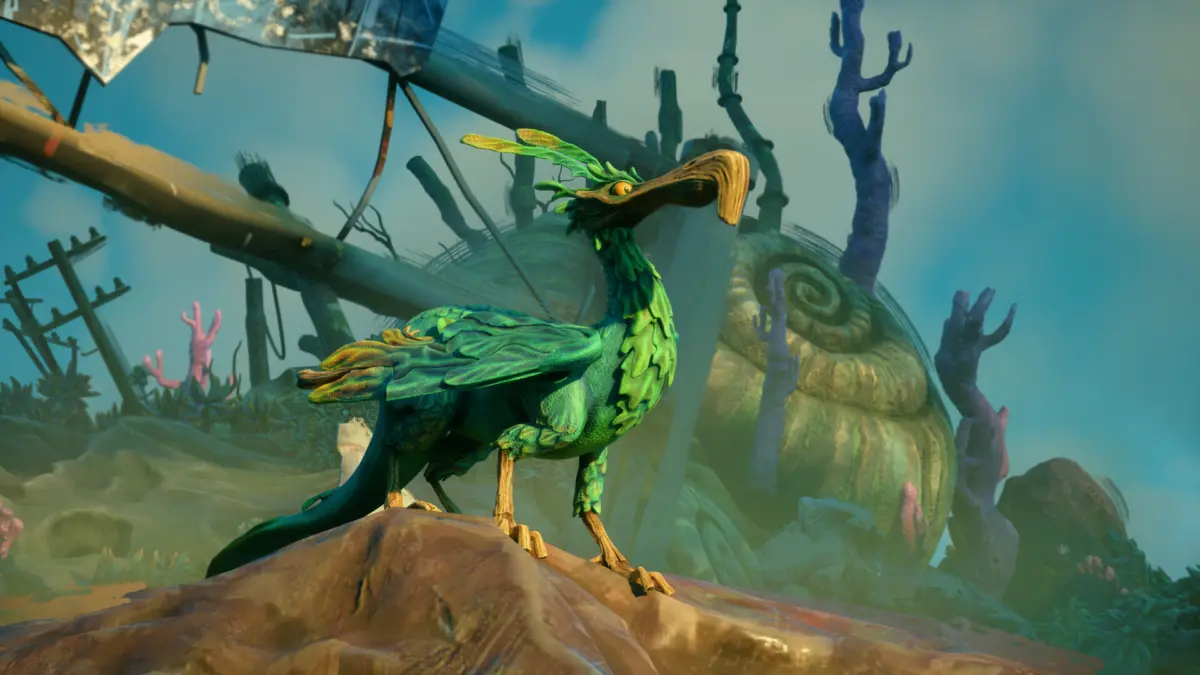
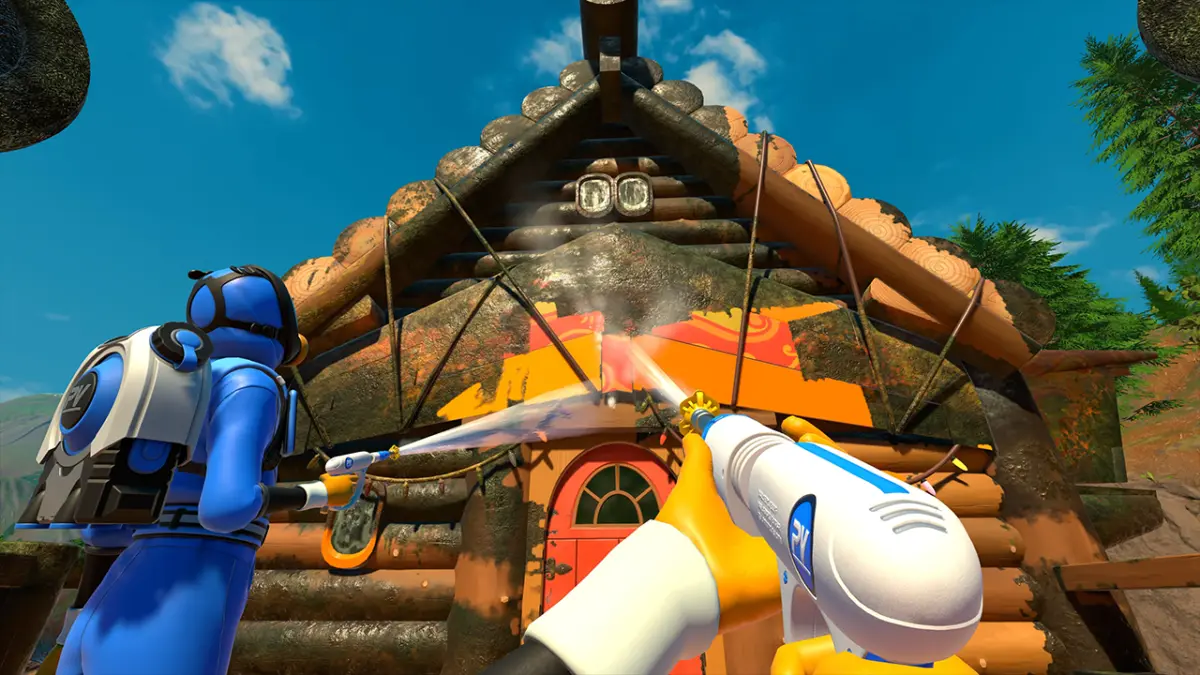
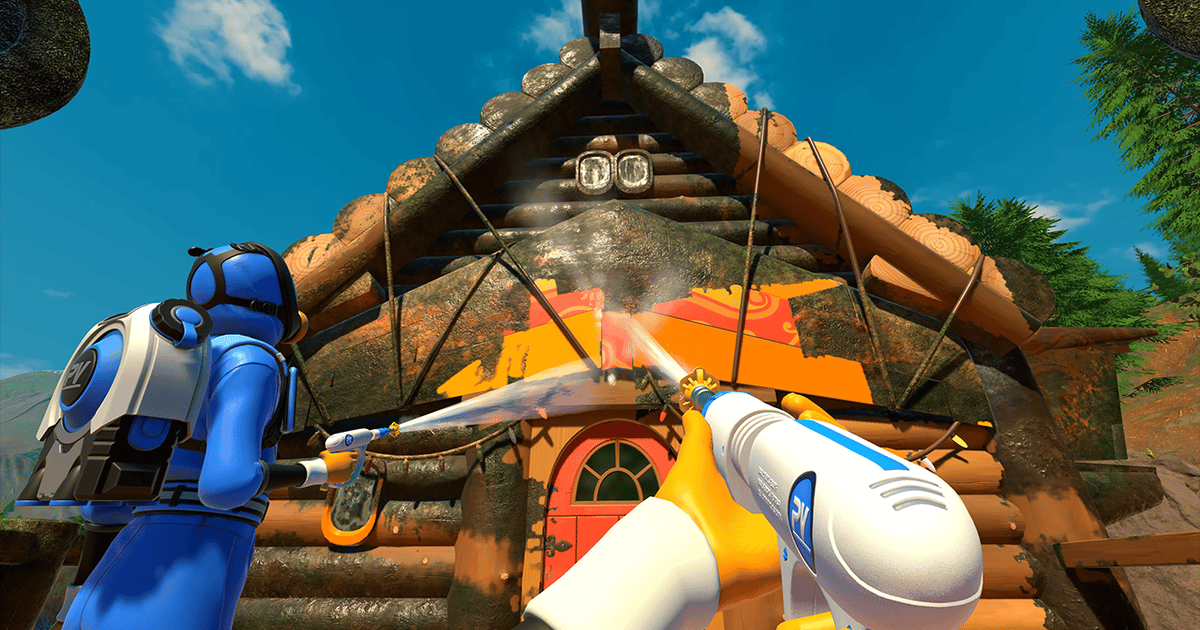
- The PowerWash Phenomenon: FuturLab achieved massive commercial success with PowerWash Simulator, a title that resonated globally through its relaxing gameplay loop and clever post-launch support, including high-profile crossovers (such as Back to the Future and Warhammer 40,000). However, relying on the long-tail revenue of a single breakout hit places immense pressure on subsequent portfolio expansion. When a secondary project fails its financial viability checks, the fallout can disrupt the entire corporate ecosystem.
The Trend of Internal Miscommunication
FuturLab’s reported missteps regarding employee communication—such as leaving workers without assignments for weeks and bypassing middle management—are unfortunately reflective of wider systemic issues across the tech and gaming sectors. When companies undergo rapid scaling followed by sudden contractions, HR pipelines and communication protocols frequently break down, leading to alienation among remaining staff and diminished morale across departments.
Future Outlook for FuturLab and the Independent Sector
As FuturLab moves past this painful restructuring phase, the studio faces the dual challenge of rebuilding internal trust while charting a secure financial course for the future.
- Rebuilding Internal Morale: For the surviving employees, restoring confidence in leadership will require transparent communication, clearer pathways for project development, and an acknowledgment of the emotional toll inflicted by the July restructuring.
- Portfolio Diversification: The cancellation of their mystery project leaves FuturLab heavily tethered to the PowerWash brand and its associated updates. Moving forward, the studio will need to carefully evaluate how to diversify its offerings without over-leveraging its financial resources on high-risk, unproven concepts.
- Industry-Wide Implications: FuturLab’s situation serves as a cautionary tale for the broader independent development community. As inflation, tightening venture capital, and saturated storefronts continue to pressure developers, the threshold for project approval has never been stricter. Studios of all sizes are learning that early, painful cancellations are increasingly seen as preferable to catastrophic launch failures—though the human cost borne by developers remains a critical ethical challenge for the industry at large.
About the Author
Chris Kerr is the Senior Editor of News at GameDeveloper.com. An award-winning games industry journalist with over a decade of experience, his reporting has appeared in prominent print and digital publications, including Edge, Stuff, Wireframe, International Business Times, and PocketGamer.biz. Throughout his career, Chris has covered major international industry gatherings, including GDC, PAX Australia, Gamescom, Paris Games Week, and Develop:Brighton.