








Executive Overview
In the fast-paced ecosystem of digital advertising, data fragmentation has long been one of the most persistent hurdles for marketers. When running cross-channel campaigns, brands frequently find themselves toggling between native platform analytics and third-party measurement tools, trying to reconcile disparate metrics, different attribution windows, and conflicting performance indicators. For app marketers, this disconnect makes it exceptionally difficult to determine true return on ad spend (ROAS) and optimize acquisition funnels effectively.
Addressing this industry-wide pain point, Snapchat has officially announced the global expansion of its Unified Attribution approach for app marketers. Initially introduced in a targeted rollout in May with a select cohort of data integration partners, the updated framework is now rolling out worldwide. Crucially, this expansion integrates major mobile measurement partners (MMPs) such as AppsFlyer and Adjust, bringing a comprehensive suite of analytical capabilities to all advertisers globally.
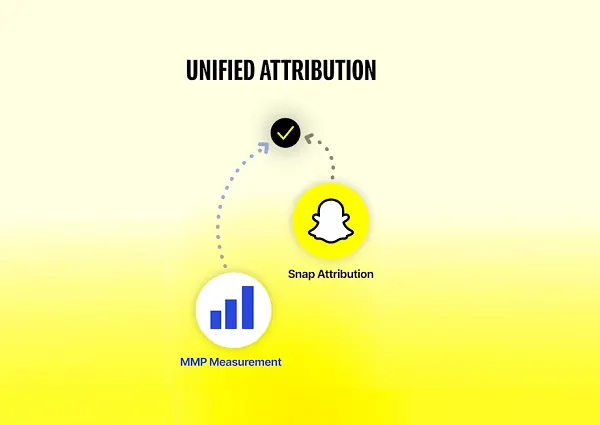
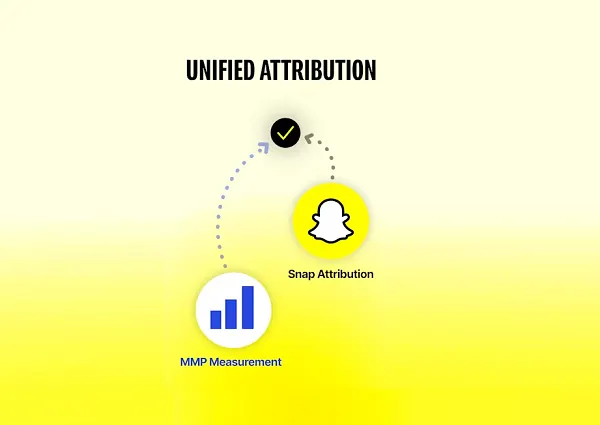
By bridging native Snapchat platform metrics with cross-channel performance signals from trusted MMPs, Unified Attribution presents marketers with a single, consolidated dashboard. This integration is designed to demystify ad performance, enabling brands to connect high-level campaign decisions directly to tangible business outcomes—whether those goals involve driving initial app installs, streamlining user onboarding, boosting in-app purchases, or scaling efficient user acquisition.
This strategic move comes at a time when Snapchat is actively overhauling its app promotion ecosystem. Following the introduction of innovative ad formats like Sponsored Snaps—which deliver promotional content directly into a user’s inbox—Snapchat is doubling down on its unique positioning among younger demographic groups. By pairing high-engagement ad inventory with advanced, transparent measurement tools, Snapchat is positioning itself as an indispensable channel for modern app developers and growth marketers looking to maximize efficiency and optimize performance.
Detailed Chronology: From Initial Conception to Global Availability
To understand the significance of Snapchat’s latest announcement, it is essential to trace the developmental timeline that brought Unified Attribution to the global stage.
The Pain Point of Disjointed Analytics
For years, the digital advertising landscape has wrestled with attribution silos. Native platforms like Snapchat provided rich data regarding impressions, video completions, and immediate swiping behaviors, but they often lacked the deep, post-install funnel visibility tracked by third-party mobile measurement partners. Conversely, MMPs provided granular insights into user behavior post-download but sometimes lacked the contextual nuances of top-of-funnel ad engagement natively captured by the publishing platform. Advertisers were forced to manually cross-reference data sets, leading to discrepancies, analysis paralysis, and suboptimal budget allocations.
May: The Initial Soft Launch
Recognizing these friction points, Snapchat laid the groundwork in May by launching the initial iteration of Unified Attribution. Rolled out to a limited group of advertisers and paired with a selective roster of data integration partners, this pilot phase served as a testing ground. The core objective was to evaluate how well native platform signals and third-party attribution data could be harmonized without introducing latency or data discrepancies. Feedback from early adopters highlighted a strong demand for a more holistic, single-pane-of-glass perspective on campaign effectiveness.
The Evolution of App Promotion Options
Throughout the past year, Snapchat has systematically introduced a series of robust updates aimed at elevating its app promotion capabilities. Beyond standard story and collection ads, the platform rolled out expanded options for Sponsored Snaps, allowing brands to place app promotions directly within the direct messaging environments where users spend a significant portion of their time. However, as ad products grew more sophisticated, the need for equally sophisticated measurement tools became glaringly apparent. Advertisers spending heavily on emerging placements required equally advanced attribution infrastructure to justify their expenditures.
Today: Global Rollout and MMP Integration
Marking a major milestone in its ad-tech evolution, Snapchat has now lifted geographic and partner restrictions on the feature. The integration now fully encompasses industry giants AppsFlyer and Adjust, ensuring that virtually any app marketer operating on the platform can tap into the Unified Attribution framework. This global deployment transitions the tool from an experimental beta feature into a core pillar of Snapchat’s enterprise-grade advertising suite, signaling a maturity in the platform’s approach to enterprise-level data transparency.
Supporting Context & Metrics: Bridging the Gap Between Impressions and Outcomes
The mechanics of Unified Attribution are rooted in a simple yet powerful premise: combining native platform data with independent verification creates a truer picture of campaign performance. But how does this translate to day-to-day operations for media buyers and growth managers?
The Power of Combined Signals
Under the traditional measurement paradigm, an app marketer might see a high volume of swipe-ups on Snapchat, but struggle to verify whether those users ultimately completed high-value actions, such as registering an account or making an in-app purchase days later. MMPs track these downstream events meticulously, but often view them divorced from the creative and contextual environment of the initial ad impression.
Unified Attribution merges these data streams. By synchronizing Snapchat’s platform metrics with cross-channel performance insights from MMPs, the system eliminates blind spots. Advertisers can observe the entire user journey—from the initial scroll-stopping impression on Snapchat to the final conversion event tracked by the MMP—within a single, unified view.
Impact on Core Conversion Goals
Snapchat’s ecosystem is uniquely diverse, catering to brands with vastly different user acquisition funnels. The unified approach addresses multiple tiers of the marketing funnel:
- Driving Installs: Identifying which specific creative variations and audience segments are most efficient at converting impressions into app downloads.
- Improving Onboarding: Analyzing whether users acquired via specific Snapchat campaigns drop off early or successfully complete initial account setup and tutorial phases.
- Increasing Purchases: Tracking long-term return on ad spend (ROAS) by mapping downstream monetization events back to the specific top-of-funnel Snapchat campaigns that initiated the user journey.
- Scaling Efficient Acquisition: Empowering automated bidding algorithms with cleaner, more comprehensive data signals to lower acquisition costs while scaling volume.
Navigating Privacy and Data Complexity
In an era defined by stringent privacy regulations (such as Apple’s ATT framework and evolving global data protection laws) and the gradual deprecation of legacy tracking identifiers, modern measurement is exceedingly complex. Privacy-centric attribution models often result in aggregated, delayed, or incomplete data.
By deeply integrating with privacy-compliant MMP frameworks like AppsFlyer and Adjust, Snapchat’s Unified Attribution approach helps marketers navigate this challenging landscape. It maximizes the utility of available data signals while respecting user privacy standards, offering a reliable compass for campaign optimization even in privacy-first operating environments.
Official Statements and Industry Perspective
The rollout of Unified Attribution has garnered significant attention from industry observers and leadership figures alike, highlighting the strategic importance of data harmonization in modern social media advertising.
The Snapchat Perspective
In official communications detailing the global rollout, Snapchat emphasized the practical benefits for growth-focused brands:
"By bringing Snapchat and MMP signals together, Unified Attribution gives app advertisers a clearer way to connect campaign decisions with the outcomes they value. Whether the goal is driving installs, improving onboarding, increasing purchases, or scaling efficient acquisition, advertisers can use the measurement signals they trust to guide optimization on Snapchat."
This statement underscores Snapchat’s pivot toward accountability and outcome-based marketing. Rather than asking advertisers to rely solely on platform-reported metrics—which historically faced skepticism regarding attribution bias—Snapchat is actively inviting third-party validation into its core optimization loops.
Industry Reaction and Implications for Media Buyers
Digital marketing analysts have praised the move, noting that platform-agnostic measurement is no longer a luxury, but a baseline requirement for enterprise brands managing multi-million-dollar budgets.

For media buyers, the integration with AppsFlyer and Adjust removes a persistent workflow bottleneck. Instead of exporting CSV files from multiple dashboards, normalizing data in Excel, and attempting to build bespoke attribution models, marketers can rely on an out-of-the-box solution that aligns Snap Ad metrics with true business outcomes. This operational efficiency frees up valuable human capital, allowing growth teams to focus less on data sanitation and more on creative strategy, audience targeting, and campaign scaling.
Furthermore, industry experts point out that this level of transparency is vital for maintaining advertiser confidence, particularly on platforms like Snapchat that heavily index younger demographics. Gen Z and Millennial audiences are notoriously difficult to reach through traditional media, making Snapchat’s youthful user base an invaluable asset. However, brands targeting these cohorts demand rigorous accountability. By offering advanced measurement capabilities, Snapchat reassures advertisers that their budgets are driving measurable, high-value business growth.
Future Outlook: The Next Frontier of App Marketing on Snapchat
As the digital advertising industry continues to evolve at a breakneck pace, the global launch of Unified Attribution represents a foundational stepping stone rather than a static endpoint. Looking forward, several key trends and trajectory shifts are likely to define Snapchat’s advertising ecosystem.
Deeper Automation and AI-Driven Optimization
With cleaner, combined data streams feeding back into Snapchat’s ad delivery systems, the platform’s machine learning and automated bidding algorithms will grow increasingly sophisticated. When ad platforms are fed fragmented data, their optimization engines struggle to identify high-value users accurately. By integrating MMP signals directly into the attribution loop, Snapchat’s AI can optimize delivery toward users who not only install the app but exhibit high lifetime value (LTV) characteristics. In the future, we can expect to see automated bidding models that natively optimize for post-install events with unprecedented precision.
Expansion of Integrated Partners
While the current global rollout heavily emphasizes key players like AppsFlyer and Adjust, the architecture of modern marketing stacks means that advertisers utilize a wide variety of specialized measurement and analytics platforms. As Unified Attribution matures, industry analysts anticipate that Snapchat will expand its roster of integrated data partners, bringing similar single-view analytics capabilities to brands utilizing alternative MMPs and enterprise data warehouses.
The Synergy of New Ad Formats and Advanced Measurement
Snapchat’s recent aggressive push into innovative ad placements—exemplified by the expansion of Sponsored Snaps delivering app promotions directly into user inboxes—creates unique engagement opportunities. However, inbox-delivered advertising requires careful management to avoid user fatigue and banner blindness.
The combination of high-impact, intimate placements like Sponsored Snaps and robust data engines like Unified Attribution creates a powerful synergy. Marketers can experiment with immersive, direct-to-inbox app promotion formats while possessing the precise measurement tools required to evaluate their exact ROI. This ensures that creative innovation is continuously balanced with fiscal discipline.
Conclusion
Snapchat’s global expansion of Unified Attribution is a watershed moment for app marketers navigating an increasingly complex digital landscape. By bridging the gap between native platform insights and trusted third-party measurement partners like AppsFlyer and Adjust, Snapchat has dismantled historical data silos.
The result is a transparent, cohesive, and highly effective framework that empowers brands to connect upper-funnel ad engagement with bottom-line business outcomes. As privacy regulations tighten and competition for user attention intensifies, tools that offer clarity, accountability, and efficiency will define the market leaders. With this comprehensive update, Snapchat has firmly reinforced its position as a forward-thinking, enterprise-ready platform for modern app growth.