




Executive Overview
In one of the most destructive and high-profile cybercrime prosecutions in recent history, 26-year-old Canadian national Connor Riley Moucka has formally pleaded guilty in U.S. federal court to computer fraud, wire fraud, aggravated identity theft, and conspiracy. Described by federal prosecutors and cybersecurity researchers as one of the most prolific threat actors of 2024, Moucka led a ruthless extortion ring that systematically compromised cloud-hosted repositories belonging to more than 165 major corporations and government-adjacent targets.
Operating primarily under the aliases “Judische” and “Waifu,” the Kitchener, Ontario resident targeted customer databases hosted on the cloud-data platform Snowflake. His operations resulted in the exfiltration of terabytes of highly sensitive, confidential enterprise data—including the call and text messaging records of more than 100 million AT&T customers, financial data, payroll records, legal identifiers, and sensitive law enforcement records.
The U.S. Department of Justice (DOJ) revealed that Moucka and a tightly knit network of co-conspirators extracted over $2.5 million in illicit ransom payments. The group engaged in aggressive extortion, harassment of security researchers, and high-pressure re-extortion schemes targeting corporate executives, government officials, and their immediate families.
Moucka’s conviction marks a critical milestone in a multi-agency, cross-border law enforcement initiative involving the Federal Bureau of Investigation (FBI), the Royal Canadian Mounted Police (RCMP), and international intelligence partners. His pending sentencing underscores the grave legal reckoning facing threat actors operating within the complex nexus of Western cybercrime rings.
The Anatomy of the Campaign: Target Acquisition and Technical Vectors
Between February and October 2024, Moucka and his network targeted enterprise environments hosted on Snowflake’s Software-as-a-Service (SaaS) architecture. Rather than exploiting a zero-day vulnerability in Snowflake’s infrastructure itself, the syndicate capitalized on systemic identity and access management (IAM) failures across individual customer environments.
+-------------------------------------------------------------------------+
|                    ATTACK VECTOR & EXFILTRATION PATH                    |
+-------------------------------------------------------------------------+
| 1. Credential Harvesting                                                |
|    - Infostealer Malware Logs (LUMMA, REDLINE, VIDAR)                   |
|    - Historical breaches & unhashed compromised credentials              |
+-------------------------------------------------------------------------+
                                    │
                                    ▼
+-------------------------------------------------------------------------+
| 2. Identity & Access Exploitation                                      |
|    - Target: Accounts lacking Multi-Factor Authentication (MFA)          |
|    - Single-Factor Authentication Bypass                                |
+-------------------------------------------------------------------------+
                                    │
                                    ▼
+-------------------------------------------------------------------------+
| 3. Cloud Exfiltration (Snowflake SaaS Architecture)                     |
|    - Bulk data downloads via custom tools (e.g., FROSTBITE)              |
|    - Exfiltration of PII, call/text logs, DEA records, financial data    |
+-------------------------------------------------------------------------+
                                    │
                                    ▼
+-------------------------------------------------------------------------+
| 4. Monetization & Dual-Stage Extortion                                  |
|    - Cyber-extortion demands (Ransoms > $2.5 Million in Crypto)          |
|    - Re-extortion & public leaks on dark web / Telegram platforms        |
+-------------------------------------------------------------------------+
Key Technical Characteristics of the Breach:
- Credential Harvesting via Infostealer Malware: The co-conspirators systematically purchased and aggregated compromised employee credentials from dark web marketplaces and illicit Telegram channels. These credentials were originally harvested by infostealer malware families—such as Vidar, RedLine, and Lumma—infecting contractors’ and employees’ personal and unmanaged corporate devices.
- Exploitation of Single-Factor Authentication: The attackers systematically targeted Snowflake tenant accounts that failed to enforce Multi-Factor Authentication (MFA). By abusing valid, un-MFA-protected credentials, the threat actors authenticated to cloud instances without triggering automated access anomalies.
- Mass Data Exfiltration: Utilizing specialized command-line tools and custom scripts, the attackers queried internal cloud storage buckets, downloading vast troves of structured database tables.
The stolen records encompassed a staggering array of Personally Identifiable Information (PII) and sensitive corporate assets, including:
- Non-content call and text history logs from major telecommunications providers (most notably AT&T).
- Social Security Numbers (SSNs), passport details, and driver’s license numbers.
- Banking, payroll, and proprietary corporate financial data.
- Sensitive regulatory credentials, including Drug Enforcement Administration (DEA) registration numbers.
In response to the unprecedented scope of the breaches, Snowflake overhauled its platform security baseline, mandating multi-factor authentication across all customer tenants and elevating default password complexity standards to prevent single-factor credential abuse.
Detailed Chronology of the Extortion Ring
The timeline below traces the escalation of Moucka’s cybercrime activities—from early voice-phishing operations to international extortion, coordinated arrests, and court proceedings.
2020 – 2023        Feb – Oct 2024       Sept 2024          Oct 30, 2024       July 2025        Oct 2026 (Sched.)
   │                    │                   │                   │                │                     │
   ▼                    ▼                   ▼                   ▼                ▼                     ▼
Initial Breaches    Snowflake Campaign    Undercover ID      RCMP Arrests     Co-Conspirator      Moucka Sentencing
& SIM Swapping     Extorts 165+ Orgs     "Judische" Exposed   Moucka in CA     Wagenius Guilty      (Up to 32 Years)
2020 – 2023: Genesis of the Threat Actor
Moucka emerged in underground cybercrime forums, participating in Voice Phishing (vishing), SIM-swapping, and credential harvesting campaigns aimed at U.S. enterprises. Operating alongside English-speaking threat networks collectively known as "The Com," Moucka aligned himself with bad actors involved in corporate extortion, cyber-harassment, and online harassment networks.

February – September 2024: The Snowflake Extortion Campaign
Moucka, adopting shifting aliases including "Judische" and "Waifu," coordinated a mass breach of Snowflake tenant environments. Over eight months, the group compromised at least 165 high-profile organizations. Victims spanned retail, financial, entertainment, and logistics sectors—notably including Ticketmaster, LendingTree, Advance Auto Parts, Neiman Marcus, and AT&T.
The group issued ransom demands ranging from hundreds of thousands to millions of dollars in cryptocurrency, threatening to publish or sell confidential corporate databases on underground cybercrime forums if companies refused to pay.
September 2024: Public Exposure
Investigative disclosures publicly linked the handle "Judische" to a software developer residing in Ontario, Canada. Reports underscored the overlapping boundaries between financial cybercrime and extremist online harassment groups that manipulate and extort minors into self-harm.
October 30, 2024: Law Enforcement Interception
Acting on a provisional extradition request issued by the U.S. Department of Justice, the Royal Canadian Mounted Police (RCMP) arrested Moucka at his residence in Kitchener, Ontario. Canadian authorities seized digital infrastructure, encrypted hardware, and cryptocurrency assets linked to the extortion proceeds.
July 2025: Co-Conspirator Conviction
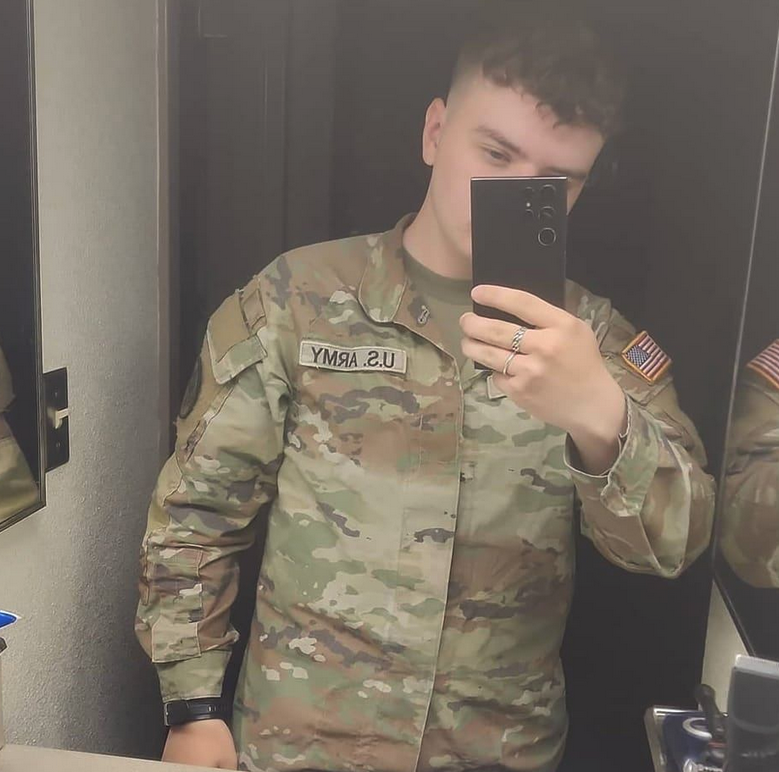
Co-conspirator Cameron "Kiberphant0m" Wagenius, an active-duty U.S. Army soldier stationed in South Korea, formally pleaded guilty in U.S. federal court for his role in extorting telecommunications providers AT&T and Verizon.
Present Day: Guilty Plea & Legal Reckoning
Moucka entered a formal guilty plea to four federal counts. He faces mandatory imprisonment, with sentencing scheduled in federal court.
Profiles of the Cybercrime Syndicate
The conspiracy operated as a loose, highly effective triumvirate, bringing together specialized expertise in credential exploitation, military access, and high-volume data exfiltration.
               +----------------------------------------+
               |       SNOWFLAKE EXTORTION RING         |
               +----------------------------------------+
                                   │
         ┌─────────────────────────┼─────────────────────────┐
         ▼                         ▼                         ▼
+-----------------+       +-----------------+       +-----------------+
|  CONNOR MOUCKA  |       | CAMERON WAGENIUS|       | JOHN ERIN BINNS |
| ("Judische")    |       | ("Kiberphant0m")|       | ("IntelSecrets")|
+-----------------+       +-----------------+       +-----------------+
| • Lead Hacker   |       | • US Army Insider|       | • Infrastructure|
| • Canadian Nat. |       | • Retaliatory   |       | • Fugitive in   |
| • Dual Extortion|       |   Leaker        |       |   Turkey        |
+-----------------+       +-----------------+       +-----------------+
1. Connor Riley Moucka ("Judische" / "Waifu")
- Age: 26
- Residency: Kitchener, Ontario, Canada
- Role: Primary orchestrator of access, exfiltration, and extortion negotiations.
- Tactics: Moucka frequently changed online aliases to evade law enforcement while retaining control over stolen cloud repositories. Known for his aggressive tactics, Moucka repeatedly harassed incident responders, government personnel, and victim executives. In at least one documented instance, Moucka initiated re-extortion demands against a victim organization that had already acquiesced to initial ransom demands, leveraging stolen personal records belonging to a former U.S. government official and their immediate family members to compel secondary payments.
2. Cameron "Kiberphant0m" Wagenius
- Background: Former active-duty U.S. Army soldier stationed in South Korea.
- Role: Key co-conspirator focused on telecommunications infrastructure and enterprise extortion.
- Retaliatory Disclosures: Following Moucka’s arrest in late October 2024, Wagenius launched retaliatory leaks on hacker forums. He posted files claiming to contain call records for high-profile political figures—including then-President-elect Donald Trump and Vice President Kamala Harris—alongside schematics allegedly originating from the U.S. National Security Agency (NSA).
- Legal Status: Wagenius pleaded guilty in July 2025 to conspiracy to commit wire fraud, computer fraud extortion, and aggravated identity theft. His sentencing is scheduled for September 3, 2026, where he faces up to 27 years in federal prison.
3. John Erin Binns ("IRDev" / "IntelSecrets")
- Age: 26
- Background: U.S. citizen and long-time fugitive residing internationally.
- Historical Ties: Binns gained notoriety as the architect behind the massive 2021 T-Mobile data breach, which exposed the personal information of more than 76 million individuals.
- Legal Shielding: Following an indictment in the United States, Binns fled to Turkey. Though detained for a period in a Turkish correctional facility, sources confirm Binns was subsequently released and obtained Turkish citizenship. Under Turkish constitutional law, native citizens are shielded from foreign extradition, effectively neutralizing U.S. arrest warrants so long as Binns remains within Turkish jurisdiction.
Comparative Data Analysis of Impacted Organizations
The following table illustrates the scope, compromised data types, and organizational impact across several primary victim entities targeted by the syndicate during the 2024 campaign:
| Target Organization | Primary Data Exfiltrated | Records Impacted | Primary Attack Vector | Extortion & Resolution Status |
|---|---|---|---|---|
| AT&T | Metadata, non-content call/text logs | ~100 Million+ Customers | Single-Factor Cloud Storage Account | Extorted; Co-conspirators prosecuted; Data leaked on dark web |
| Ticketmaster | Customer PII, payment info, event sales | ~560 Million Users | Stolen Snowflake Credentials | Extorted; Ransom demanded; Public disclosure on dark web |
| Advance Auto Parts | Customer profiles, SSNs, driver’s licenses | ~380 Million Records | Un-MFA Protected SaaS Tenant | Data exfiltrated; Extortion notice issued |
| Neiman Marcus | Retail PII, customer purchasing histories | ~1.1 Million Customers | Stolen Service Account Credentials | Public breach confirmation; Systems secured |
| LendingTree | Financial applications, customer quotes | Enterprise Database Tables | Credential Stuffing / Infostealer Logs | Extortion attempt mitigated; Enhanced platform controls applied |
Official Statements & Legal Dynamics
The guilty plea of Connor Riley Moucka represents a victory for international law enforcement collaboration against transnational cybercrime networks.
U.S. Department of Justice Position
In an official statement released by the DOJ, federal prosecutors outlined the gravity of the syndicate’s actions:
"The defendant engaged in a widespread campaign of digital extortion, breaching the perimeter of over 165 corporate entities, compromising the highly sensitive records of hundreds of millions of individuals, and demanding millions of dollars in illicit payments. This guilty plea affirms that cybercriminals operating across international borders cannot evade the reach of federal law enforcement."
Federal court filings detail the complete legal framework of Moucka’s guilty plea:
+-------------------------------------------------------------------------+
|                    STATUTORY CHARGES & MAXIMUM PENALTIES                |
+-------------------------------------------------------------------------+
| 1. Aggravated Identity Theft                                            |
|    - Penalty: MANDATORY MINIMUM 2 Years Imprisonment (Consecutive)      |
+-------------------------------------------------------------------------+
| 2. Computer Fraud, Wire Fraud, & Conspiracy                             |
|    - Penalty: MAXIMUM UP TO 30 Years Imprisonment                       |
+-------------------------------------------------------------------------+
| COMBINED MAXIMUM SENTENCING EXPOSURE: Up to 32 Years in Federal Custody |
+-------------------------------------------------------------------------+
Moucka’s formal sentencing hearing is scheduled for October 27. While federal sentencing guidelines will inform the final determination, the presiding U.S. District Judge holds wide discretion in imposing a sentence reflective of the historic scale of the breach.
Future Outlook & Industry Implications
The resolution of the case against Moucka provides critical operational and strategic lessons for the cybersecurity sector, cloud software providers, and enterprise security operations.
+-------------------------------------------------------------------------+
|                  STRATEGIC IMPERATIVES FOR ENTERPRISES                   |
+-------------------------------------------------------------------------+
| 1. Mandatory Identity Enforcement                                       |
|    - Eliminate single-factor authentication across all cloud tenants    |
|    - Enforce Strict FIDO2 / Passkey-based MFA standards                |
+-------------------------------------------------------------------------+
| 2. Shared Responsibility Realignment                                    |
|    - SaaS vendors must enforce security baselines by default            |
|    - Continuous monitoring of third-party integration points            |
+-------------------------------------------------------------------------+
| 3. Advanced Threat Hunting & Infostealer Mitigation                     |
|    - Automated monitoring of dark web credential dumps                  |
|    - Enterprise device isolation & unmanaged endpoint protection         |
+-------------------------------------------------------------------------+
1. Paradigm Shift in Shared Responsibility Models
Historically, SaaS providers functioned under a strict interpretation of the "shared responsibility model," leaving access management configuration entirely to customer discretion. The breach of 165 Snowflake accounts demonstrated that cloud providers can suffer brand damage when customers misconfigure access controls. As a result, major SaaS vendors are increasingly shifting to enforced security baselines, mandating MFA by default and automatically deprecating insecure legacy authentication protocols.
2. Defending Against the Infostealer Ecosystem
The primary initial access vector relied upon by Moucka—credentials harvested by cheap, ubiquitous infostealer malware—highlights a critical flaw in enterprise security perimeters. Organizations are shifting focus toward:
- Continuous monitoring of dark web credential exposures.
- Implementations of zero-trust architecture (ZTA) where valid credentials alone cannot grant database access without device health compliance verification.
- Mandating FIDO2-compliant, hardware-backed authenticators (such as YubiKeys) that are resistant to adversary-in-the-middle (AiTM) phishing and infostealer interception.
3. The Rising Cost of Ransomware and Extortion Schemes
Moucka’s willingness to perform re-extortion—targeting victims even after ransom demands were met or negotiated—signals a broader trend in the cybercrime ecosystem. Security teams and insurance providers increasingly view financial settlement with extortion actors as ineffective. Regulatory bodies continue to escalate compliance scrutiny on companies that fail to adequately protect consumer data stored in third-party cloud environments.
As law enforcement continues to prosecute members of "The Com" and associated threat groups, the convictions of Moucka and Wagenius send a clear message: multi-jurisdictional cyber-extortion schemes carry severe legal consequences, regardless of online anonymity or geographical boundaries.