






Executive Overview
The landscape of live sports broadcasting is undergoing a seismic, irreversible transformation. For decades, the ritual of watching American professional football was tethered to the living room television set, bound by the rigid infrastructure of cable subscriptions, satellite dishes, and traditional broadcast networks. Today, that monolithic model is fracturing under the weight of digital-first consumption habits. At the center of this revolution is YouTube’s high-stakes acquisition of the NFL’s Sunday Ticket.
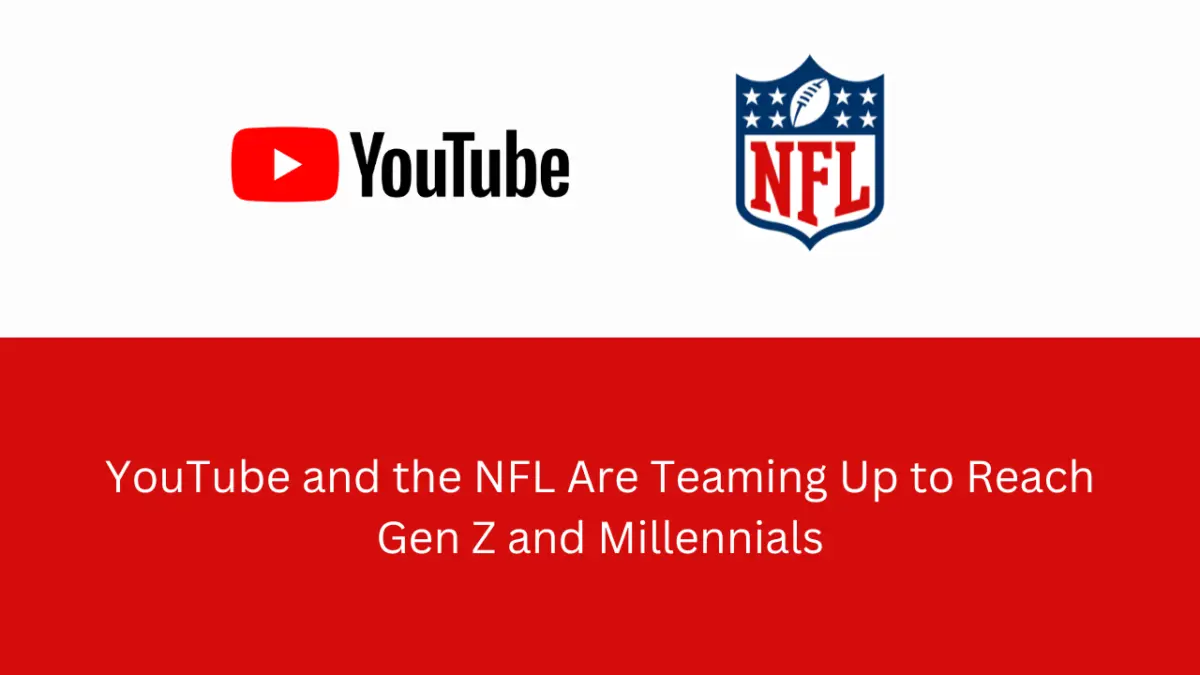
When YouTube secured the rights to Sunday Ticket, industry skeptics questioned whether a tech giant could successfully translate a traditional TV staple into a streaming ecosystem. However, according to YouTube CEO Neal Mohan, the partnership has achieved something far more valuable than subscriber numbers alone: it is successfully "aging down" the NFL’s audience. By fusing live, premium game broadcasts with the organic, community-driven ecosystem of digital creators, highlight reels, reaction videos, and memes, YouTube is capturing a demographic that traditional television lost years ago.
This convergence of premium sports rights and user-generated content marks a fundamental shift in media consumption. Gen Z and millennial viewers do not simply sit back and watch a three-hour broadcast; they participate in a continuous, multi-platform digital dialogue. By meeting these younger fans directly within their daily digital habits, YouTube and the NFL are not just streaming games—they are engineering a new cultural paradigm for how the world experiences live sports.
Detailed Chronology: The Evolution of a Digital Partnership
To understand the magnitude of YouTube’s impact on the NFL, it is necessary to examine the chronological progression that brought the world’s most dominant sports league into the digital creator economy.
The Cord-Cutting Catalyst (Late 2010s – 2021)
For years, sports leagues relied heavily on the lucrative, guaranteed revenues of the traditional cable bundle. However, as cord-cutting accelerated among younger demographics, media executives realized a dangerous trend: audiences were aging out of traditional television faster than new, younger viewers were aging in. Cable boxes were becoming obsolete fixtures in households dominated by smartphones, tablets, and smart TVs. Recognizing this existential threat, the NFL began experimenting with digital distribution, partnering with various platforms for Thursday Night Football and digital-exclusive packages, setting the stage for a more radical pivot.
The Landmark Sunday Ticket Acquisition (2022–2023)
The turning point arrived when YouTube—utilizing the massive infrastructure and reach of both YouTube and YouTube TV—outbid traditional media conglomerates to secure the exclusive rights to NFL Sunday Ticket starting with the 2023–2024 season. Moving the out-of-market package from a satellite provider to a ubiquitous video platform instantly lowered accessibility barriers for millions of tech-native households. Analysts initially focused on subscriber acquisition metrics, but the deeper strategy was far more ambitious: integrating live football into the world’s largest video-sharing community.
Expanding the Funnel: Global Streams and Free Access (2024 and Beyond)
Building on the momentum of its inaugural Sunday Ticket season, YouTube began deploying bolder strategies to expand the NFL’s global footprint. Moving beyond the paywall for specific high-profile matchups became a cornerstone of this strategy. A prime example is the historic season-opening clash between the Kansas City Chiefs and the Los Angeles Chargers, hosted in São Paulo, Brazil. By streaming this global spectacle worldwide for free, YouTube demonstrated a willingness to dismantle traditional distribution playbooks in favor of a top-of-funnel conversion model.
Supporting Context & Metrics: The Anatomy of a Cultural Shift
The success of the YouTube-NFL partnership is underpinned by staggering scale and changing consumer behaviors. To contextualize why this shift is happening, one must examine the metrics driving modern media consumption.
The Scale of the Ecosystem
With over 2 billion active daily users globally, YouTube possesses a distribution engine unlike any traditional broadcasting network or standalone streaming service. This vast infrastructure allows the platform to seamlessly blend live, high-bandwidth sports broadcasts with billions of hours of short-form video, creator commentary, and community interactions.
Bridging the Gap: The Creator Economy Meets Live Sports
Historically, sports leagues fiercely guarded their broadcast rights, aggressively striking down unauthorized clips and fan-made commentary. The YouTube model flips this script entirely. Recognizing that younger fans experience sports through a fragmented, highly social lens—via TikToks, YouTube Shorts, fantasy leagues, and reaction channels—YouTube has deliberately intertwined official broadcasts with creator content.
According to platform data, fans no longer view live games and online commentary as competing entities; they consume them synchronously. A fan might watch the live game feed on their television or tablet while simultaneously refreshing reaction streams, tactical breakdowns from independent creators, and real-time meme culture on their phones. By housing both the official game and the auxiliary commentary under one digital roof, YouTube captures the entirety of the fan’s attention span.
Official Statements and Industry Insights
The strategic vision behind this transformation was articulated by YouTube CEO Neal Mohan during an in-depth conversation with Ankler Media’s Janice Min. Mohan provided rare internal insights into how the platform evaluates its sports investments and the behavioral shifts of modern audiences.
Discussing the demographic impact of the partnership, Mohan noted that the collaboration has already begun to "age down" the league’s audience on YouTube. For a heritage sports property like the NFL, attracting younger demographics is vital for long-term health and commercial viability.
"Younger fans don’t just watch games anymore. They watch reactions, highlights, creator commentary—content that lives within the YouTube ecosystem." — Neal Mohan, CEO, YouTube
To illustrate this behavioral shift, Mohan pointed to his own household, citing his 17-year-old son—a dedicated sports enthusiast who consumes almost all of his athletic content through independent YouTube creators rather than traditional, linear television broadcasts. This anecdote mirrors a broader generational reality: the trusted authority figure in sports media is no longer exclusively the network broadcaster in a suit, but increasingly the digital creator who speaks the authentic language of the internet.
Detailing the core philosophy of their distribution strategy, Mohan described the deliberate mechanics designed to convert casual viewers into long-term enthusiasts:
"That was the flywheel we were betting on. If fans discover live games through the creators they already watch, we can convert that interest into something bigger."
By offering free entry points—such as the global stream of the Chiefs-Chargers matchup from Brazil—YouTube is actively lubricating this "flywheel." Millions of international viewers or younger casual fans who would never initially purchase a premium Sunday Ticket subscription are introduced to the game via familiar digital touchpoints, eventually graduating deeper into the ecosystem.
Future Outlook: The Next Era of Sports Media
As the dust settles on initial streaming milestones, the long-term implications for the sports media industry are coming into sharp focus. The partnership between YouTube and the NFL has established a blueprint that other leagues, sports organizations, and entertainment entities will inevitably follow.
The Death of Cable Exclusivity
The traditional cable model, built on forced bundling and exclusive regional territories, is rapidly losing its grip on sports rights. As digital platforms demonstrate superior technological capabilities, targeted advertising integration, and immersive community features, rights holders will continue to migrate toward tech giants. The question facing media executives is no longer if live sports will fully transition to digital ecosystems, but rather how rapidly legacy leagues can adapt their distribution strategies to match consumer demand.
Globalization Through Digital Architecture
One of the most profound outcomes of the YouTube-NFL collaboration is its international potential. American football has long sought to expand its footprint beyond domestic borders. By leveraging YouTube’s global infrastructure, localized creator networks, and seamless cross-platform accessibility, the NFL can introduce its product to international markets without the friction of regional broadcast blackouts or restrictive international television deals.
The Holistic Viewing Experience
Ultimately, the future of sports media belongs to platforms that can offer a holistic, 360-degree experience. Fans do not want a sterile window showing only 60 minutes of game clock; they demand depth, interactivity, community, and humor. By bridging the gap between official athletic excellence and grassroots digital culture, YouTube has redefined what it means to broadcast a game. The gridiron has officially entered the digital age, and the rules of the game will never be the same.