Executive Overview
In the modern corporate landscape, a brand is rarely defined by the multi-million-dollar campaigns approved in boardrooms or the glossy visual aesthetics carefully curated by creative agencies. Instead, a brand is forged—and frequently fractured—in the micro-moments of everyday execution: the friction of a mobile checkout path, the frustrating delay of an automated customer support chat, the inconsistent tone of an email notification, or the physical reliability of a product upon arrival.
According to PwC’s comprehensive 2025 Customer Experience Survey, the stakes of these interactions are monumental: 29% of consumers have permanently abandoned a brand they once loved strictly due to a poor customer experience.
This stark reality has triggered a paradigm shift in how visionary leadership teams measure market perception. Traditional marketing metrics—such as ad recall, impression share, and creative sentiment—are no longer sufficient indicators of brand health. To survive and thrive in an unforgiving market, enterprises are increasingly turning to Customer Experience (CX) Analytics. By synthesizing disparate data streams—including direct customer feedback, digital behavioral telemetry, and back-end operational workflows—CX analytics bridges the chasm between what a company promises to deliver and what the customer actually encounters.
This article explores the evolution of CX analytics, the dangers of internal corporate blind spots, the anatomy of turning data into actionable operational change, the necessity of cross-channel consistency, and how predictive intelligence is securing the future of brand loyalty.
Detailed Chronology: The Evolution from Creative Branding to Empirical CX Intelligence
To understand how modern enterprises manage brand equity, it is essential to trace the historical progression of how businesses evaluate their own public image.
Phase One: The Era of Pure Aesthetics (Pre-2010s)
For decades, brand management was overwhelmingly the domain of marketing departments and creative advertising agencies. Success was evaluated primarily through qualitative lenses: focus groups, creative awards, and awareness surveys. Operational realities—such as supply chain delays, inventory inaccuracies, or prolonged customer service wait times—were treated as back-office logistical problems, entirely disconnected from the sacred domain of "brand building."
Phase Two: The Digital Sprawl and Siloed Metrics (2010–2018)
As commerce migrated online, businesses flooded their digital footprints with tracking tools. Web analytics platforms measured page views and bounce rates; customer relationship management (CRM) software tracked support tickets; social media monitoring tools scraped public sentiment. However, these tools operated in profound isolation. Marketing teams stared at engagement dashboards while customer support leads stared at ticketing queues, rarely connecting a spike in refund requests to a poorly targeted digital acquisition campaign.
Phase Three: The Rise of Unified Business Intelligence (2018–2023)
Driven by the proliferation of cloud computing and advanced data warehousing, progressive organizations began integrating enterprise data sources. Business intelligence (BI) systems emerged as the bridge between operational data and customer perception. Organizations realized that isolating Net Promoter Scores (NPS) from operational performance metrics yielded a dangerously incomplete picture of organizational health.
Phase Four: The Modern Era of Real-Time CX Analytics and Telemetry (2023–Present)
Today, customer experience analytics has evolved into a continuous, multi-dimensional discipline. Modern enterprises no longer look merely at what a customer says via a post-purchase survey; they analyze what they do in real-time. By merging vehicle telemetry, event logs, transactional histories, and qualitative feedback, companies can pinpoint the exact millisecond a customer journey begins to fail—often intercepting dissatisfaction before it materializes into a public review or a lost customer.
Supporting Context & Metrics: The Anatomy of Brand Disconnect
The widening gap between corporate self-perception and consumer reality is one of the most hazardous vulnerabilities facing contemporary businesses. Executives, deeply immersed in the internal mechanisms of their own products and workflows, routinely suffer from institutional familiarity bias. They know a product’s intended use case so intimately that they fail to recognize the cognitive friction experienced by a novice user.
The Cost of Operational Friction
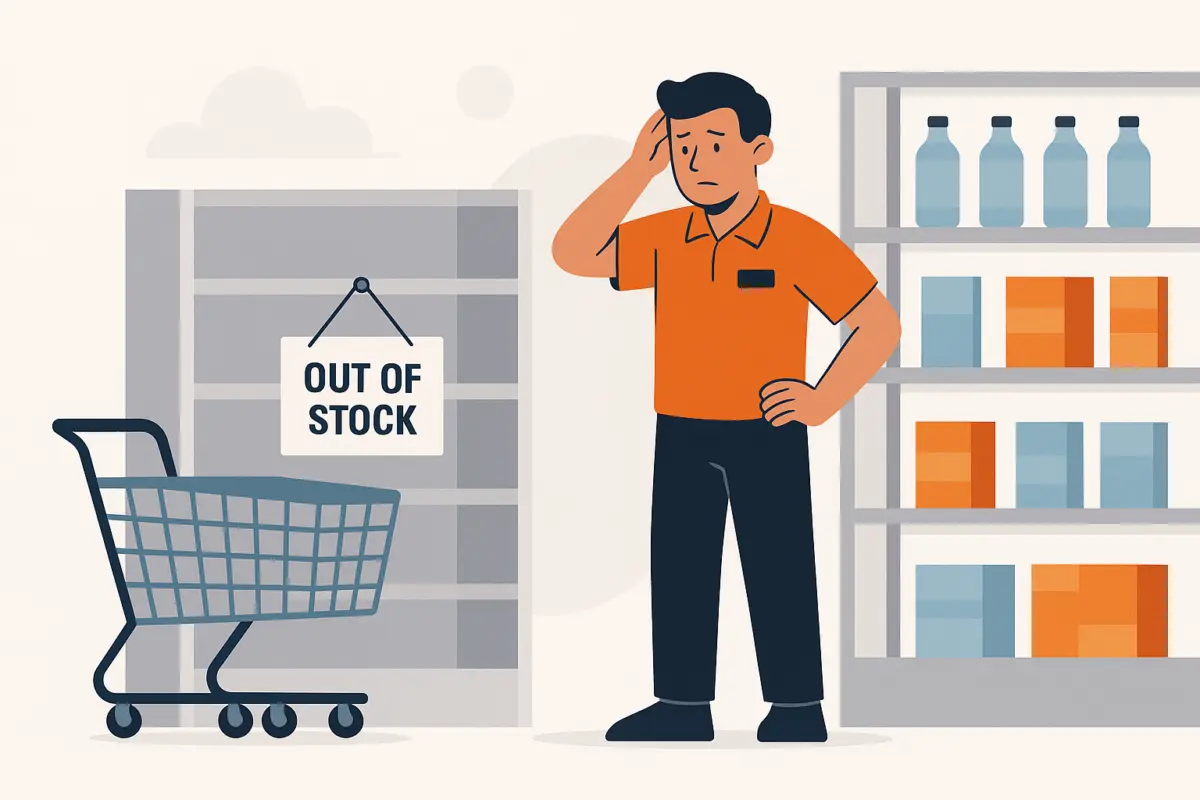
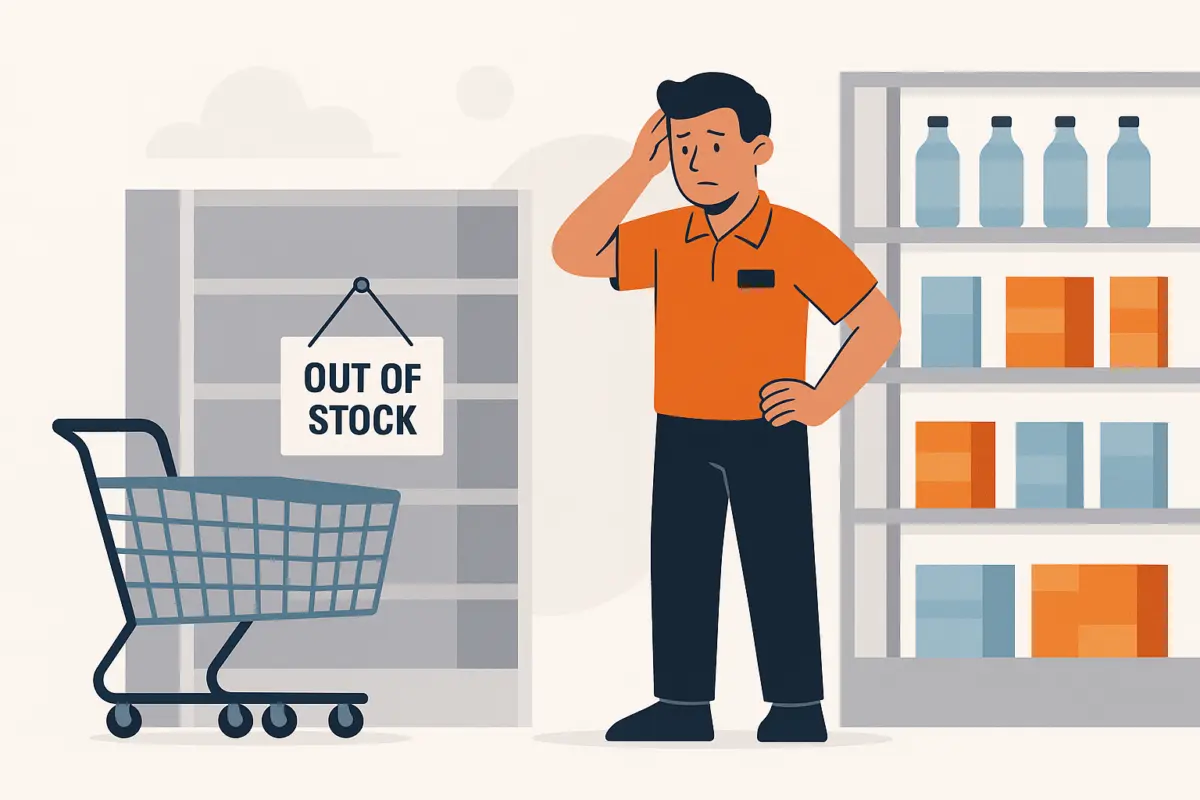
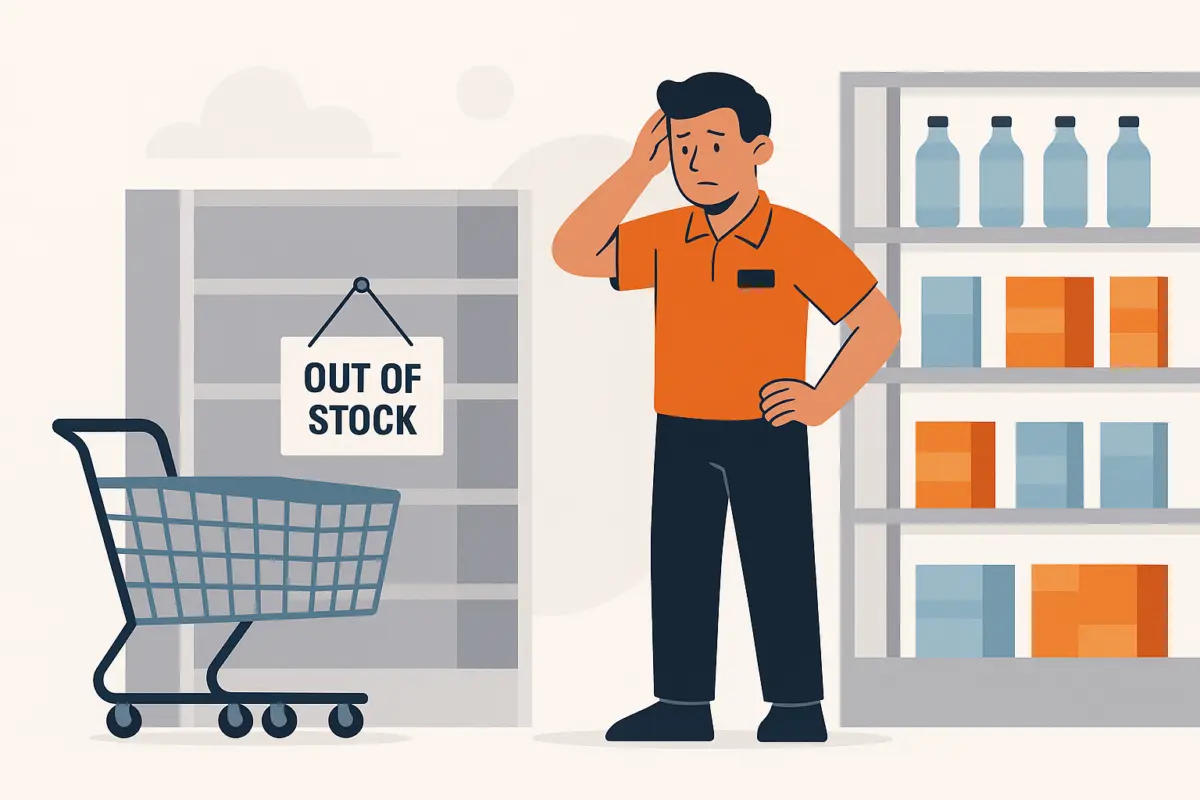
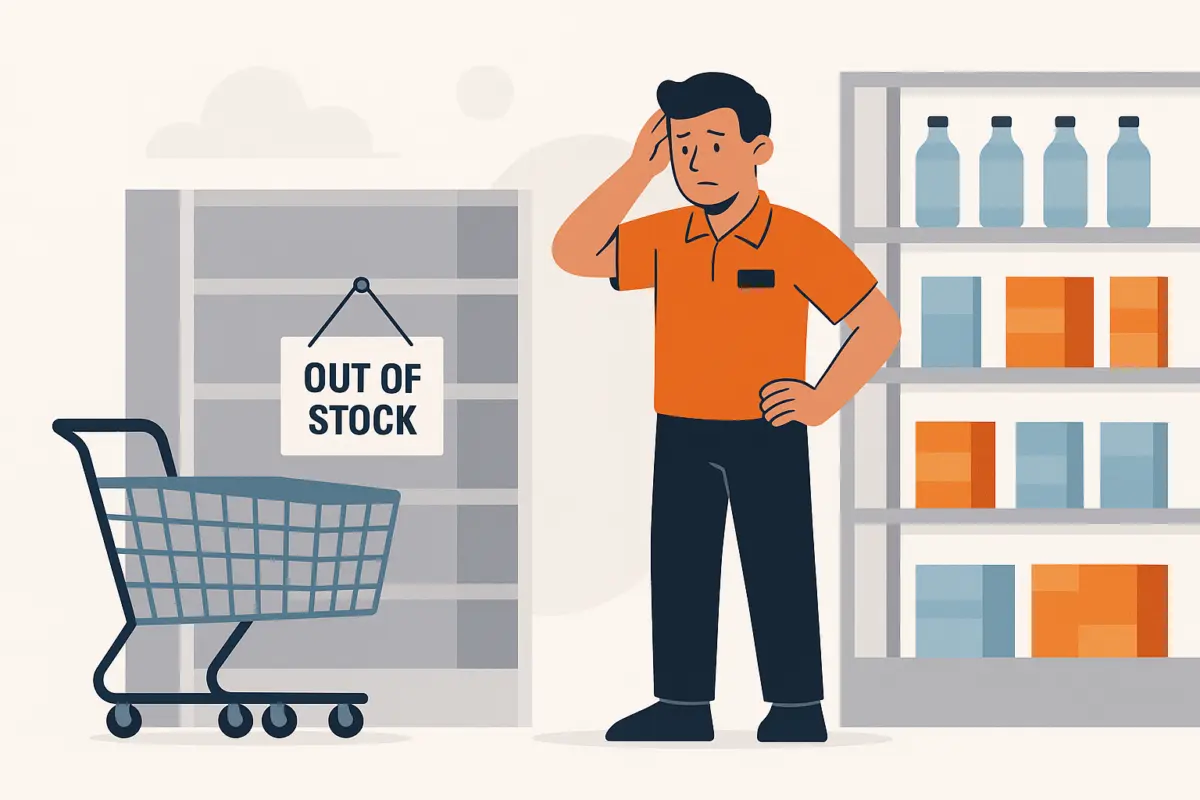
Consider the compounding impact of minor operational stumbles. A customer encounters a delayed package notification, followed by an unresponsive chat bot, followed by a hidden restocking fee upon return. Individually, each touchpoint might be dismissed by management as an isolated anomaly. Cumulatively, they signal an organization that is unreliable and untrustworthy.
Data from enterprise intelligence frameworks underscores this phenomenon. When organizations utilize BI dashboards to juxtapose operational bottlenecks—such as page-exit rates during checkout, average support resolution times, and fulfillment delays—against customer feedback themes, a startling pattern emerges: Brand erosion is almost always an operational failure disguised as a marketing problem.
For example, an unexpected drop in repeat purchases is frequently misdiagnosed by marketing teams as a lack of promotional incentives. However, when viewed through a comprehensive CX analytics lens, that same metric often reveals an underlying service defect, a product usability flaw, or a silent breakdown in cross-departmental communication.
Real-World Application: The GetGo Case Study
A prime example of operational data driving customer experience is found in the mobility sector. GetGo, a prominent Singapore-based car-sharing enterprise, faced the complex challenge of maintaining vehicle availability, safety, and user satisfaction across a vast decentralized fleet.
To overcome this, GetGo integrated a sophisticated architecture leveraging real-time events, customer feedback loops, and advanced vehicle telemetry. By pairing direct user complaints (such as cleanliness or mechanical issues reported via mobile app) with diagnostic vehicle data, the company unlocked the ability to make near-real-time operational decisions. Proactive maintenance was triggered before minor vehicle faults disrupted a customer’s rental experience.
The strategic takeaway for modern enterprises is universal: Organizations must establish a direct telemetry link between a customer complaint and the precise moment in the journey where that friction originated.
Official Statements and Industry Insights
As the corporate world reconciles with the empirical realities of customer experience analytics, industry leaders and researchers have increasingly emphasized the transition from passive data collection to aggressive operational accountability.
Industry analysts frequently point out that the sheer volume of available metrics can easily paralyze leadership teams if not filtered through a lens of strategic clarity. In discussions surrounding enterprise research and consumer behavior, subject matter experts routinely emphasize a fundamental operational question: What constitutes a genuinely actionable insight?
"Useful market analysis and customer intelligence must transcend vague generalizations. It must explicitly identify a specific friction point, isolate its root operational cause, and assign clear departmental ownership for its remediation."
Furthermore, organizational psychologists and customer success strategists note that brand trust is fragile because it is systemic. When asked about cross-channel consistency, executive advisors frequently stress that customers do not view a business through the isolated lens of individual departments—marketing, sales, engineering, and support are perceived as a singular entity.
"A customer does not care whether a pricing discrepancy originates in the billing department or the marketing email campaign. To the end-user, the enterprise speaks with one voice. If that voice contradicts itself across touchpoints, institutional credibility evaporates instantaneously."
Turning Information Into Better Decisions
Data collection, by itself, is a vanity metric. Piles of unstructured customer reviews, petabytes of web traffic logs, and years of archived support transcripts hold zero intrinsic value until they are systematically translated into corporate behavior.
Overcoming Internal Blind Spots
The primary impediment to effective CX optimization is internal bias. Employees who design software interfaces, author help documentation, or construct checkout funnels possess an inherent "curse of knowledge." Because they understand the system’s design intent, they effortlessly bypass the subtle UX traps that baffle everyday users.
To dismantle these internal blind spots, leadership must mandate the integration of business intelligence dashboards that expose the raw, unfiltered truth of the customer journey. By correlating internal KPIs—such as server latency, inventory stock-outs, and support ticket escalation rates—with external customer feedback, organizations can clearly visualize the chasm between brand aspiration and brand execution.
Establishing an Actionable Framework
To transform raw information into sustained competitive advantage, organizations should implement a structured operational rhythm:
- Isolate the Root Cause: When customer sentiment dips or churn rises, cross-functional analytics should be deployed to trace the dissatisfaction backward through the digital or physical journey.
- Assign Accountability: Vague directives like "improve customer service" fail because they lack ownership. Effective insights assign specific corrective actions to discrete teams—such as tasking the UX team with simplifying a multi-step checkout form, or requiring engineering to patch a recurring mobile app crash.
- Prioritize Impact: Avoid the temptation to chase every isolated customer complaint. Prioritize interventions based on aggregate volume, financial impact, and frequency of brand-damaging friction.
- Measure Remediation: Once a fix is deployed, continuous performance reviews must evaluate whether the friction was genuinely eliminated or merely displaced to another part of the ecosystem.
Building Consistency Across Every Channel
In an omnichannel economy, consistency is the bedrock of customer trust. Modern consumers fluidly transition across a vast spectrum of touchpoints within minutes: they may discover a brand via a targeted social media advertisement, browse products on a mobile application, read reviews on an independent blog, complete a transaction on a desktop browser, and later seek assistance via an automated chatbot or a telephone support line.
If any single touchpoint delivers conflicting information—such as a promotional discount advertised on Instagram that fails to apply at desktop checkout, or support agents who are entirely unaware of an ongoing shipping delay communicated via email—the illusion of competence shatters.
Centralized Data Management as the Great Unifier
Achieving absolute brand consistency requires abandoning departmental data silos. Centralized data management acts as the single source of truth, aligning marketing, operations, sales, and customer service around unified performance metrics and verified product information.
When all departments share a centralized reporting infrastructure, brand perception ceases to be viewed merely as a marketing campaign deliverable. Instead, it becomes an enterprise-wide responsibility. When a customer support agent has real-time visibility into active marketing campaigns, or when a marketing team is instantly alerted to recurring product defects logged by support, the entire organization operates with synchronized empathy and operational agility.
Future Outlook: Continuous Analysis and Predictive Loyalty
Looking toward the future, the organizations that dominate their respective markets will be those that treat customer experience analytics not as a quarterly retrospective exercise, but as a living, breathing operational discipline.
Customer expectations are dynamic and unforgiving. As digital maturity accelerates, what constitutes an "acceptable" customer experience today will be viewed as archaic tomorrow. Consequently, organizations must embed continuous analysis into their standard operating rhythms. By routinely auditing feedback loops, engagement metrics, and operational performance, forward-thinking enterprises can identify emerging structural issues before they cascade into macro-level reputational crises.
The Power of Predictive Analytics
The next frontier of brand equity lies in predictive analytics. Rather than reacting to historical churn rates or processing post-mortem customer complaints, predictive frameworks utilize machine learning algorithms to identify behavioral precursors to dissatisfaction.
By analyzing micro-signals—such as subtle shifts in navigation pacing, declining login frequencies, or early patterns in support ticket sentiment—predictive models can flag at-risk accounts before the customer is even consciously aware of their own mounting frustration. Organizations can then deploy targeted interventions, customized offers, or proactive customer success outreach to secure retention.
Conclusion
Ultimately, business intelligence transforms branding from an artistic, creative exercise into an empirical, evidence-based science. The mandate for modern leadership is clear: connect customer signals directly to the operational teams capable of executing change, and rigorously measure whether those interventions altered the lived experience of the buyer.
Organizations that master this continuous loop will transcend the superficiality of traditional advertising. They will achieve a profound understanding of how their customers truly experience the brand—positioning themselves to build unshakeable customer loyalty, protect their market share, and secure sustainable, profitable growth long before dissatisfaction ever impacts the bottom line.