Executive Overview
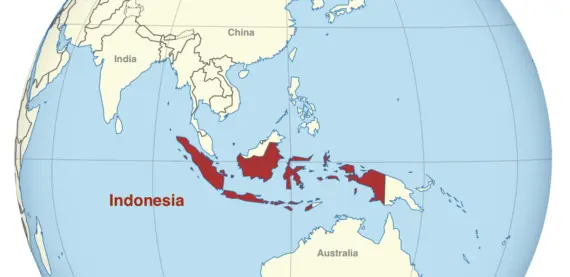
As the global digital economy matures, multinational brands and cross-border sellers continually scour the globe for the next high-growth frontier. While saturated markets in North America and Western Europe grapple with diminishing marginal returns, and neighboring giants like China and India face intense domestic competition and complex regulatory mazes, Southeast Asia has quietly emerged as a powerhouse of digital commerce. At the epicenter of this dynamic region lies Indonesia—a sprawling archipelago that currently commands global attention not just for its sheer demographic scale, but for an intriguing economic paradox: exceptionally high digital connectivity juxtaposed with relatively low overall retail consumption per capita.
According to United Nations demographic projections for 2026, Indonesia stands proudly as the world’s fourth most populous nation, playing home to approximately 288 million residents. It trails only India (1.46 billion), China (1.41 billion), and the United States (345 million). Yet, when cross-referencing this vast population with macroeconomic indicators such as the World Bank’s Household Final Consumption Expenditure—a standardized metric measuring the market value of all goods and services purchased by households—a fascinating discrepancy comes to light. While the U.S. consumer market towers at nearly $19.8 trillion and China commands $7.48 trillion, Indonesia’s household consumption rests at roughly $773.6 billion.
Simultaneously, digital adoption figures from DataReportal underscore a hyper-connected populace. Indonesia boasts approximately 230.4 million internet users, translating to an impressive 80% penetration rate. This high level of digital engagement paired with a nascent retail expenditure baseline signals a textbook market primed for explosive online retail growth. For international enterprises looking to expand their footprint outside of traditional Western and East Asian strongholds, Indonesia represents both an unmissable opportunity and a complex logistical puzzle. Mastering this market requires a nuanced understanding of local consumer behavior, omnichannel distribution frameworks, strict regulatory compliance, and localized marketing ecosystems.
Detailed Chronology: The Evolution of Indonesia’s Digital Commerce Landscape
To understand how Indonesia arrived at its current status as Southeast Asia’s most coveted e-commerce battleground, it is essential to trace the historical and structural evolution of its retail ecosystem. The transformation from traditional, fragmented neighborhood trading to hyper-modern digital marketplaces did not happen overnight; it was forged through sequential phases of infrastructure development, regulatory shifts, and cultural adoption.
Phase 1: The Foundation of Mobile-First Internet (Early 2010s)
Long before dedicated e-commerce super-apps dominated daily life, Indonesia’s digital revolution was catalyzed by the mass adoption of affordable smartphones. Unlike Western markets, where desktop computers served as the primary gateway to the internet, Indonesia skipped the PC era almost entirely. Consumers leaped straight into a mobile-first reality. Telecommunication infrastructure investments gradually bridged the vast geographical gaps across the nation’s thousands of inhabited islands, setting the stage for digital inclusion.
Phase 2: The Rise of Domestic Marketplaces (Mid-to-Late 2010s)
As connectivity stabilized, homegrown tech startups seized the opportunity to solve Indonesia’s unique geographic hurdles. Platforms like Tokopedia and Bukalapak emerged to connect mom-and-pop shops (warungs) and regional merchants with buyers across different islands. Concurrently, regional players backed by massive international capital—most notably Shopee (Sea Group) and Lazada (Alibaba Group)—entered the fray, aggressively deploying subsidies, free-shipping vouchers, and gamified shopping experiences to capture market share. During this period, e-commerce transitioned from an urban novelty into a mainstream consumer habit.
Phase 3: The Social Commerce Explosion and Regulatory Maturation (2020–2024)
The COVID-19 pandemic served as a massive accelerant, forcing both consumers and traditional offline retailers online out of necessity. This era witnessed the rapid ascent of social commerce. Platforms like WhatsApp, Instagram, Facebook, and later TikTok Shop integrated entertainment, social interaction, and seamless checkout into a single frictionless loop. However, this explosive growth caught the attention of regulators. Concerned about the protection of local micro, small, and medium enterprises (MSMEs) against predatory pricing and unvetted cross-border imports, the Indonesian government introduced a series of stringent regulations, culminating in temporary bans and eventual structural reorganizations of social-commerce-meets-marketplace operations.
Phase 4: The Strategic Omnichannel Era (2025–Present)
Today, Indonesia’s e-commerce market has entered a phase of sophisticated institutionalization. The "wild west" era of unmitigated cross-border dumping has given way to rigorous compliance frameworks, mandatory local corporate structures, and sophisticated omnichannel strategies. Foreign brands no longer view Indonesia merely as an export destination where cheap goods can be shipped directly to consumers. Instead, they treat it as an integrated market requiring local warehousing, regional distribution partnerships, official marketplace flagship stores, and hyper-localized brand engagement built upon absolute adherence to Indonesian language and trade laws.
Supporting Context & Metrics: Decoding the Data
Evaluating Indonesia’s commercial viability requires a rigorous examination of both macroeconomic indicators and digital engagement metrics.
Population and Consumption Discrepancies
When assessing the sheer purchasing power of global markets, analysts often look to the World Bank’s Household Final Consumption Expenditure metric. Based on the most comprehensive global datasets, the comparative hierarchy stands as follows:
- United States: $19.8 trillion (Population: 345 million)
- China: $7.48 trillion (Population: 1.41 billion)
- India: $2.4 trillion (Population: 1.46 billion)
- Indonesia: $773.6 billion (Population: 288 million)
While Indonesia’s absolute household expenditure figure appears modest compared to the trillion-dollar giants, its per capita growth trajectory is climbing rapidly alongside a swelling middle class. Urban centers—most notably Greater Jakarta, which commands a massive metropolitan population of 32 million residents—serve as dense hubs of high-disposable-income consumers who eagerly emulate global lifestyle, fashion, and technology trends.
Internet Penetration and Digital Behavior
Comparable online retail sales figures across emerging markets are frequently obscured by disparate government reporting standards and decentralized informal economies. Consequently, internet penetration serves as the most reliable leading indicator of addressable e-commerce markets. According to DataReportal’s comprehensive global digital reports, internet adoption metrics across the world’s most populous nations demonstrate remarkable connectivity in Southeast Asia’s largest economy:
- China: 1.3 billion internet users (92% penetration)
- United States: 323.9 million internet users (94% penetration)
- Indonesia: 230.4 million internet users (80% penetration)
- India: 1.0 billion internet users (68% penetration)
With 230.4 million citizens actively connected to the internet, Indonesia possesses a digital audience larger than the entire population of many developed Western nations. Yet, because retail expenditure has historically lagged behind this digital immersion, the market is characterized by structural headroom—meaning there is substantial room for consumption to scale upward as digital financial services, local logistics, and consumer credit become increasingly sophisticated.
The Marketplace Triopoly and Social Commerce
Market research from Australia-based consultancy Asialink highlights that online consumers in Indonesia concentrate their shopping activity heavily on a few dominant platforms. Shopee Indonesia, Tokopedia, and Lazada command a staggering 76% of total online sales. Both Shopee and Lazada maintain robust first-party retail operations in addition to acting as third-party marketplaces.
A testament to the openness of these platforms to international equity is the roster of global giants already thriving within them. Household-name brands operating via Indonesian marketplaces include beauty and personal care titans such as L’Oréal Paris, Nivea, Garnier, La Roche-Posay, and Maybelline; sportswear icons like Adidas and Puma; consumer electronics leaders Samsung, Xiaomi, and Philips; appliance manufacturers like Tefal; and food-and-beverage multinationals such as Nestlé and Kellogg’s.
Simultaneously, social commerce channels—encompassing WhatsApp, Instagram, Facebook, and TikTok Shop—play an indispensable role in discovery, community building, and direct-to-consumer sales conversion.
Official Statements and Industry Insights
Navigating a complex sovereign market like Indonesia requires listening closely to regulatory bodies, trade authorities, and commercial logistics experts who manage the day-to-day realities of cross-border and domestic trade.
Trade authorities, including the United States International Trade Administration (ITA) through its Indonesia Country Commercial Guides, consistently emphasize that while e-commerce represents a high-growth vector, foreign entrants must respect structural and cultural realities. A representative trade compliance advisory notes:
"Foreign brands entering the Indonesian digital economy face a unique intersection of high consumer appetite and stringent regulatory frameworks. While digital penetration creates a nationwide storefront, long-term sustainability requires localized legal incorporation, absolute adherence to language mandates, and strategic alignment with established domestic supply chains."
Furthermore, commercial logistics and distribution experts operating on the ground in Jakarta point out that the traditional assumption of borderless, frictionless e-commerce collapses under the weight of Indonesia’s physical geography and regulatory design. Industry analysts observe that low-cost cross-border shipping models—which rely on lightweight, low-value parcels shipped directly from foreign warehouses—are heavily penalized by local customs policies. Specifically, statutory requirements mandate a minimum wholesale value of $100 per unit on goods entering the country, effectively pricing out ultra-cheap cross-border arbitrage and forcing brands to adopt localized inventory models.
Commercial distribution executives highlight that bridging the gap between digital storefronts and physical fulfillment requires tapping into established infrastructure providers. As one logistics strategist noted:
"You cannot conquer an archipelago of over 17,000 islands from a server farm abroad. Success in Indonesian e-commerce demands physical proximity to the consumer, whether through wholesale distributors who understand regional retail quirks or specialized e-commerce enablers who manage marketplace storefronts with granular cultural fluency."
Future Outlook: Strategic Playbooks for Entering the Indonesian Market
As Indonesia marches toward the latter half of the 2020s, the strategic imperative for foreign brands transitions from experimental market-testing to institutionalized, omnichannel integration. Brands attempting to capture a share of the nation’s 230 million internet users must navigate a clear hierarchy of market entry strategies, compliance obligations, and operational models.
1. Corporate Structuring: The PT PMA Route
For multinational brands seeking direct, independent control over their operations, assets, and data in Indonesia, establishing a PT PMA (Penanaman Modal Asing—foreign-owned limited liability company) is the mandatory gold standard.
- Requirements: A PT PMA requires at least two shareholders (one of whom must be foreign) and a substantial minimum capital requirement of $150,000, alongside other rigorous statutory compliance rules.
- Benefits: Successfully establishing a PT PMA grants the enterprise a Business Identification Number (Nomor Induk Berusaha or NIB), which serves as the legal prerequisite for operating an e-commerce business, importing commercial goods, and maintaining local merchant accounts.
2. The Omnichannel Playbook: Distributors vs. Enablers
Foreign ecommerce brands rarely rely on a single channel in Indonesia. Instead, they adopt a sophisticated omnichannel matrix:
- Local Distributors: To secure broad market access across physical and traditional retail networks, brands partner with established wholesale distributors who purchase sector-specific inventory in bulk and redistribute it. Prominent examples operating in the region include DKSH Indonesia and Enseval. These partners alleviate the immense friction of customs compliance and traditional retail logistics.
- E-commerce Enablers: Distinct from traditional distributors, e-commerce enablers specialize in the digital realm. They manage a brand’s official flagship stores, digital marketing campaigns, customer service, and inventory fulfillment across marketplaces like Shopee and Tokopedia. Industry-leading enablers such as Jet Commerce and SCI Group provide the localized operational expertise necessary to run high-volume digital storefronts effectively.
3. Localization Imperatives: Language and Customs Compliance
Two absolute pillars govern success in Indonesian digital commerce:
- Language Laws: Under Indonesian law, Bahasa Indonesia is strictly mandatory for all consumer-facing ecommerce product descriptions, labeling, and legal documentation. Automated translations that fail to capture cultural nuance or violate statutory labeling standards can result in severe penalties or delisting by marketplace administrators.
- The $100 Unit Threshold: Because Indonesian customs and trade regulations enforce a minimum wholesale value of $100 per unit on incoming foreign goods, low-cost cross-border drop-shipping is commercially non-viable. Brands must bulk-import inventory into domestic bonded warehouses or local fulfillment centers, paying appropriate duties upfront to ensure rapid, compliant delivery to end consumers.
Conclusion
Indonesia stands as a defining frontier for modern international e-commerce. Its massive, youthful population of 288 million, combined with an 80% internet penetration rate, provides an enviable foundation of digital demand. While regulatory hurdles, geographic fragmentation, and strict corporate entry requirements such as the PT PMA framework demand patience and capital, the long-term rewards are immense. By pairing local distribution partners and e-commerce enablers with robust omnichannel strategies—and respecting the cultural and linguistic fabric of the nation—global brands can unlock unprecedented growth in one of the world’s most vibrant digital economies.