







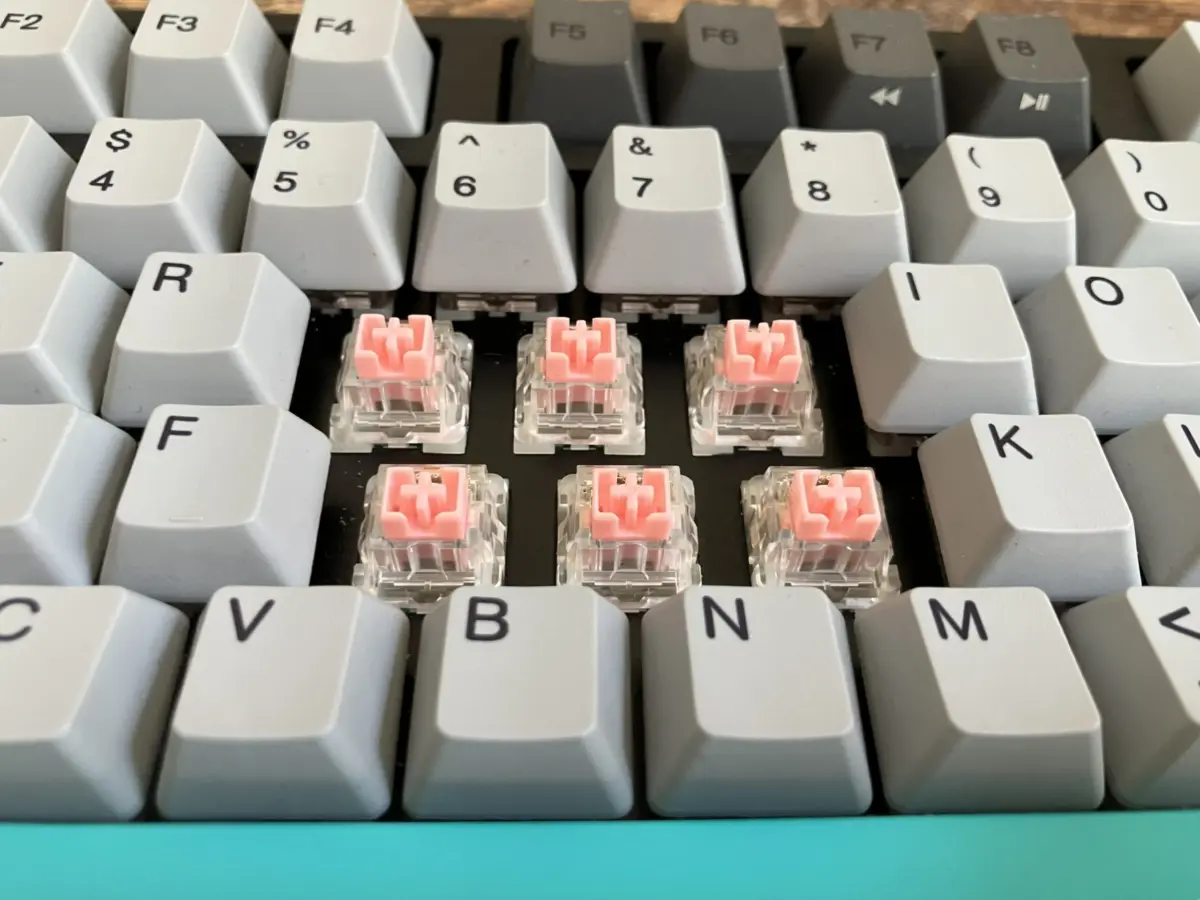
For decades, the phrase "mechanical keyboard" evoked a singular, reliable physical interaction: two metal leaves colliding to complete an electrical circuit. This classic architecture, championed by iconic designs like the Cherry MX switch, has long been the gold standard for typists and gamers alike.
However, the definition of a mechanical keyboard is undergoing a profound evolution. Over the past six years, the market has seen an explosive rise in alternative sensing technologies. From optical light beams and magnetic Hall-effect fields to quantum tunneling magnetoresistance (TMR) and inductive eddy currents, "contactless" switches are rapidly claiming territory at the high end of the enthusiast and gaming markets.
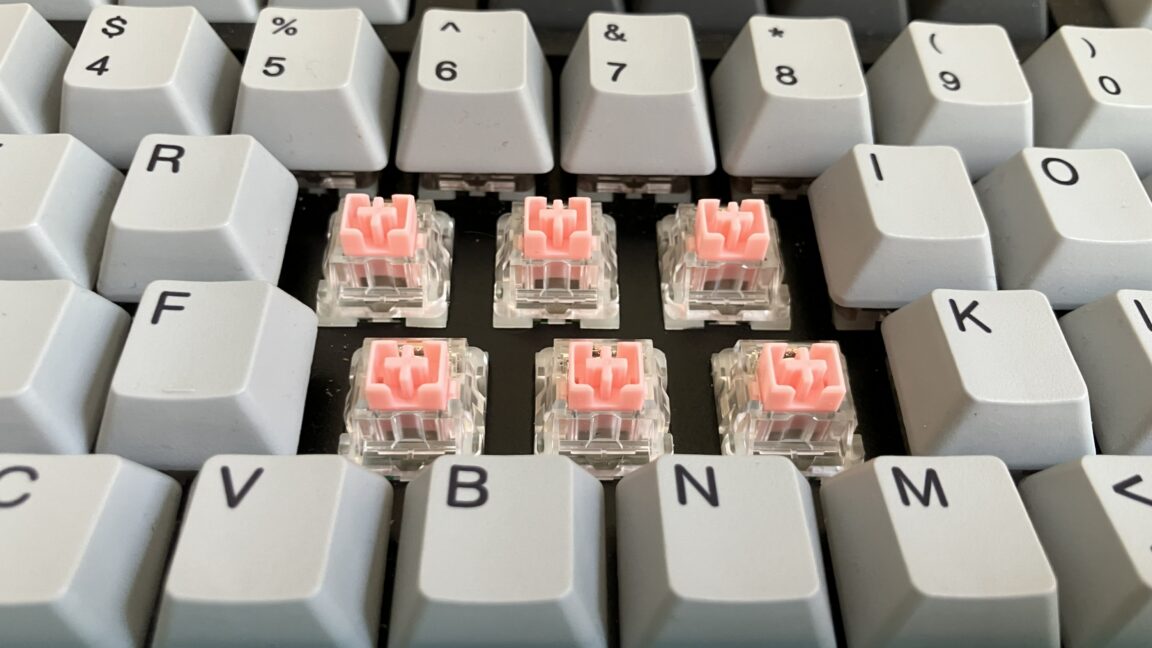
Commanding premium prices above traditional mechanical boards, these non-contact switches promise theoretical performance advantages—particularly in latency reduction, actuation customizability, and long-term durability. Yet, in daily use, the boundary between old and new can blur. This comprehensive guide breaks down how these modern contactless switches operate, why they are transforming the peripheral landscape, and where their true advantages and limitations lie.
Executive Overview: The Shift Away from Physical Contact
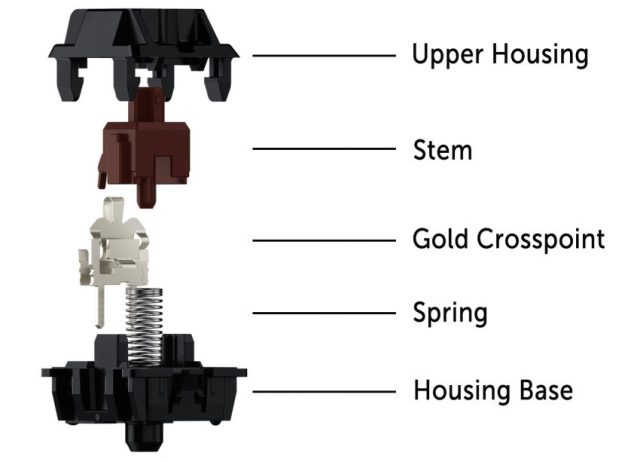
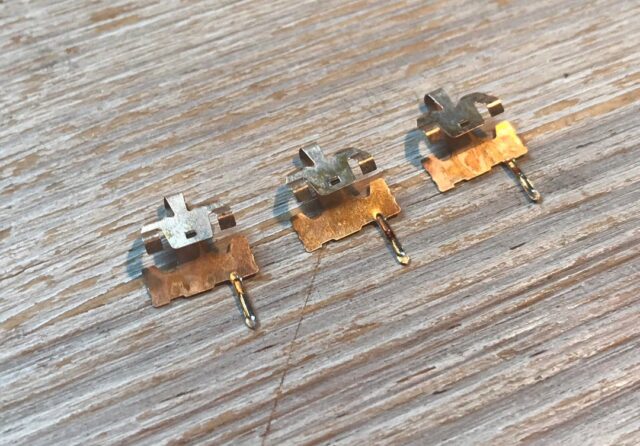
To understand the current paradigm shift, one must first look at the inherent limitations of traditional mechanical switches. Standard switches rely on physical contact between metal components—specifically, spring-loaded metal leaves often referred to as a "crosspoint." When a key is depressed, a plastic stem forces these leaves together, closing a circuit on the printed circuit board (PCB) and sending a signal to the keyboard’s microcontroller.
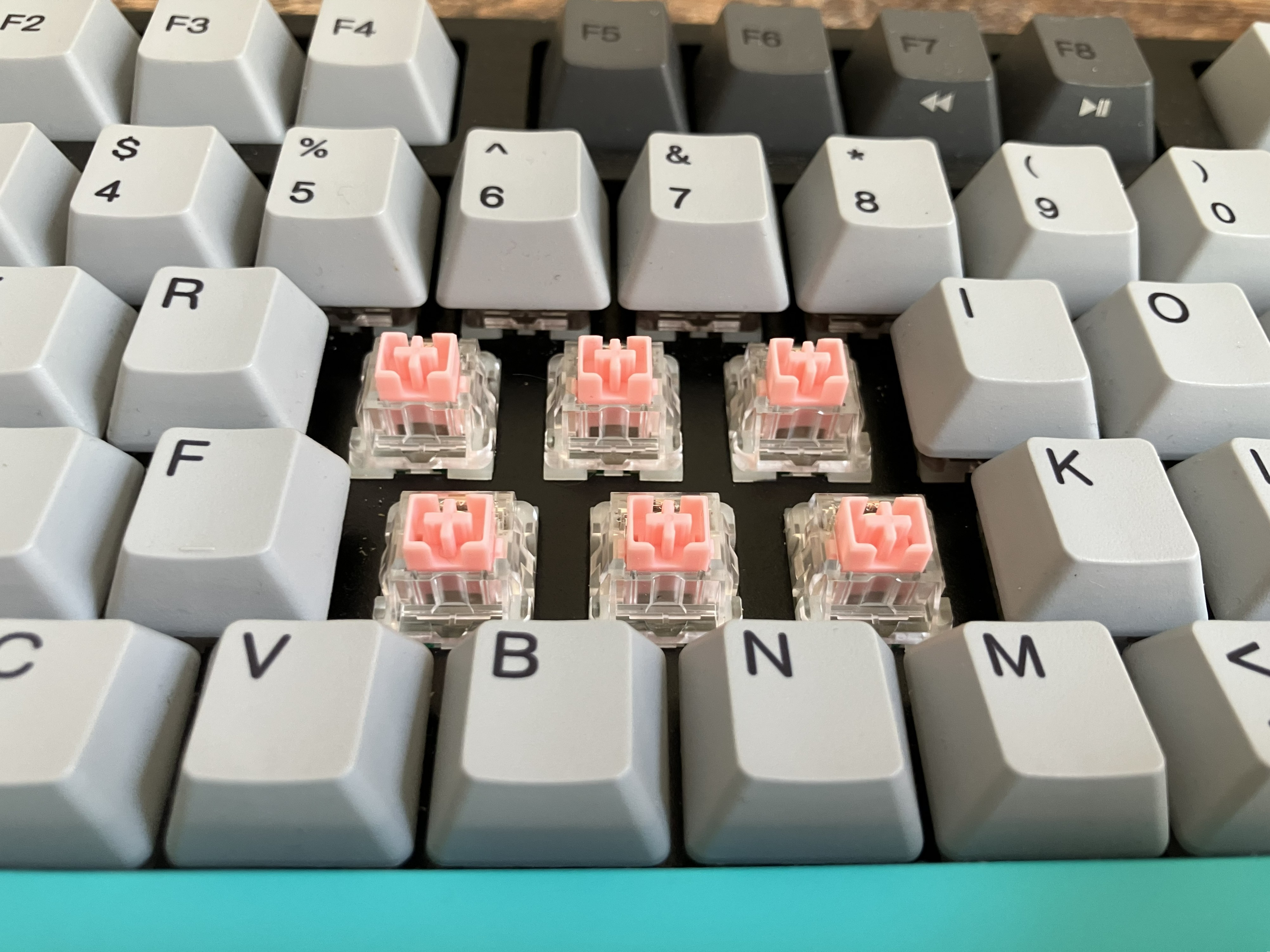
While robust, this physical collision introduces mechanical wear. Over millions of keystrokes, metal leaves are susceptible to oxidation, corrosion, and physical fatigue. Furthermore, physical impact causes microscopic bouncing as the leaves strike one another. To prevent a single keystroke from registering multiple times (e.g., turning "a" into "aaaa"), keyboards must implement "debounce delay"—a deliberate pause introduced by firmware to let the signal stabilize.
Contactless switches bypass these physical limitations entirely. By utilizing light, magnetism, or electrical induction to sense actuation without components ever physically touching, these modern designs eliminate the need for traditional debouncing, mitigate wear from oxidation, and unlock advanced features like adjustable actuation points, rapid trigger resets, and analog input.
Detailed Chronology: How Non-Contact Technologies Evolved
The journey from primitive membrane boards to modern, high-precision contactless switches spans decades of engineering milestones:
- 1879: American physicist Edwin Hall discovers the Hall effect, establishing the foundational principle for magnetic sensing.
- 1968: Honeywell manufactures the first commercial keyboard utilizing Hall-effect magnetic sensors. While durable, high production costs relegate the technology to niche industrial applications for decades.
- 1990s: Hall-effect sensors gain widespread notoriety in the gaming world, adopted by Sega for controllers like the Saturn and Dreamcast to combat analog stick drift.
- 2016: Optical switches—relying on infrared (IR) light beams to register inputs—hit the consumer keyboard market for the first time, championed by brands like Bloody and later Razer.
- 2021: Wooting releases the Two HE, effectively kickstarting the modern consumer revolution for prebuilt Hall-effect magnetic gaming keyboards.
- 2024–Present: A new wave of advanced technologies breaks into the mainstream. Tunnel Magnetoresistance (TMR) keyboards and Cherry’s new induction-based switches debut, offering even higher precision, lower power consumption, and advanced analog capabilities.
The Contenders: A Breakdown of Contactless Switch Technologies
1. Optical Switches: Breaking the Beam
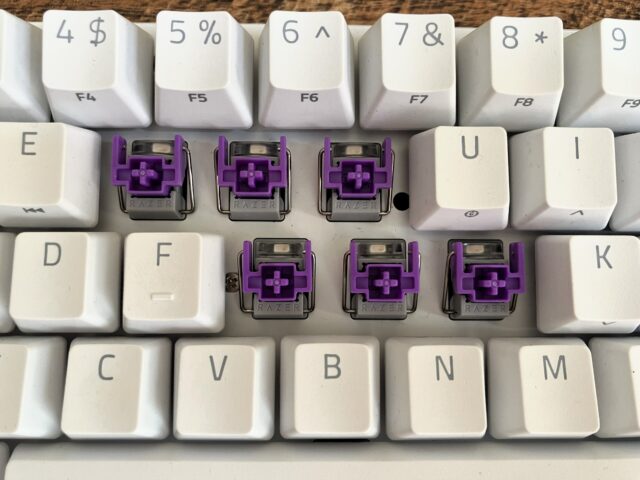
Optical switches substitute physical metal leaves with an infrared (IR) light beam. When a user presses a key, the switch stem acts as a physical shutter, either interrupting or redirecting the light beam so that it strikes—or stops striking—a dedicated photoelectric sensor integrated into the PCB.
- Pros: Because they do not rely on physical metal contact, optical switches are immune to leaf oxidation and boast theoretically faster response times due to the absence of debounce delays.
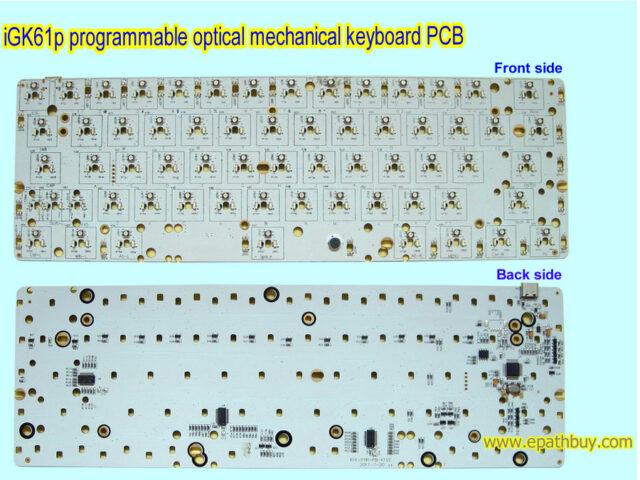
- Cons: Prebuilt optical keyboards are rarely hot-swappable in the traditional sense, as the alignment between the switch housing, the PCB sensors, and the light path must be meticulously fixed. Furthermore, you cannot drop optical switches into a standard mechanical PCB.
2. Electrostatic Capacitive (EC) Switches: The Legacy Heavyweights
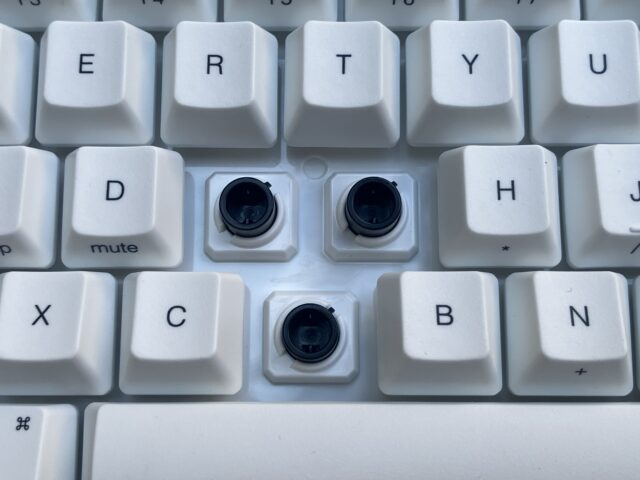
Electrostatic capacitive keyboards—exemplified by legendary IBM Model F buckling-spring designs and modern Topre boards—occupy a fascinating middle ground. They utilize a capacitance-sensing PCB paired with a conductive element or flipper. As a key is depressed, the distance between the moving element and the PCB sensor decreases, altering the local electrical capacitance until an input is registered.
Crucially, in switches like Topre, the physical resistance felt by the user stems from a rubber dome rather than a traditional metal coil spring, delivering a distinctive, muffled, and satisfying "thock" acoustic profile.
- Pros: Renowned for exceptional smoothness, build quality, and a unique typing feel.
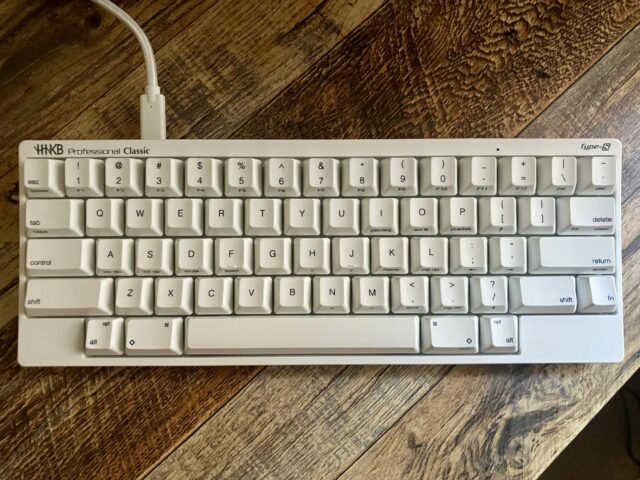
- Cons: Premium pricing. High-end EC keyboards like the HHKB Professional Classic Type-S often command prices upwards of $260 while lacking mainstream customizability options.
3. Hall-Effect (HE) Switches: The Gaming Darling
Hall-effect switches embed a permanent magnet inside the switch stem. When pressed, the magnet moves closer to a dedicated Hall-effect sensor on the PCB. The sensor measures the changing magnetic field strength, translating alterations in voltage into digital or analog inputs.
- Pros: Unmatched customizability. Hall-effect boards excel at offering adjustable actuation points (allowing users to set a key to trigger at an ultra-sensitive 0.1mm or a deeper 3.0mm) and analog input, mimicking joystick behavior.
- Cons: Complex hardware requirements. Magnetic flux ranges and switch polarity must align perfectly with the PCB. Stray magnetic fields from nearby electronics (such as heavy-duty Bluetooth speakers) can occasionally cause sensor interference.
4. Tunnel Magnetoresistance (TMR) Switches: The Next Frontier
Emerging heavily in recent years, TMR switches also utilize magnets, but they replace traditional Hall-effect sensors with advanced TMR sensors. These sensors feature two ferromagnetic layers separated by a microscopic insulating barrier.
As a switch is pressed, the shifting magnetic field alters the quantum tunneling of electrons through the barrier, dramatically shifting electrical resistance.
- Pros: TMR sensors offer significantly higher peak sensitivity and a superior signal-to-noise ratio compared to Hall-effect sensors. This allows for hyper-precise actuation adjustments (often in 0.01mm increments) while drawing less electrical power, making them ideal for wireless implementations.
- Cons: High wafer and packaging costs make TMR keyboards noticeably more expensive. Branding confusion is also prevalent, with some manufacturers marketing TMR boards under the more widely recognized "HE" (Hall-effect) umbrella.
5. Inductive Switches: The Eddy Current Innovators
Representing one of the newest entries to the market via manufacturers like Cherry, Kailh, and Unionwell, inductive switches do not contain magnets at all. Instead, a conductive metal actuator (frequently cone-shaped) descends toward the PCB, entering and distorting an electromagnetic field generated by tiny coils on the board. This induces "eddy currents" that alter the coils’ inductance, which is then measured by onboard sensors.
- Pros: Highly resistant to external magnetic interference since the switches themselves are non-magnetic. They can also offer lower power consumption because they eliminate the need for dedicated sensors under every single key.
- Cons: Extremely limited ecosystem. DIY parts, barebones kits, and switch-swapping options are currently scarce, locking buyers mostly into prebuilt offerings.
Supporting Context & Performance Metrics: Is the Speed Real?
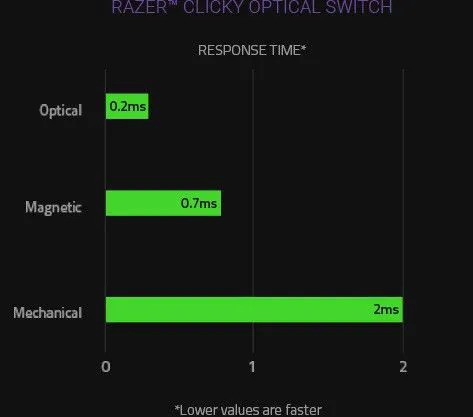
Marketing campaigns from peripheral manufacturers frequently boast about sub-millisecond response times, contrasting contactless switches directly against "slow" mechanical counterparts. While technically true—primarily due to the elimination of debounce delay—the real-world impact depends heavily on context.
+------------------------+-------------------+--------------------------------+--------------------------+
| Switch Technology      | Sensing Mechanism | Key Advantage                  | Primary Limitation       |
+------------------------+-------------------+--------------------------------+--------------------------+
| Traditional Mechanical | Metal Leaf Touch  | Universal compatibility, cost  | Oxidation, debounce lag  |
| Optical                | IR Light Beam     | Fast response, no leaf wear    | Rigid assembly, rare DIY |
| Electrostatic Capac    | Capacitance Shift | Exceptional acoustic feel      | High cost, limited range |
| Hall-Effect            | Magnetic Field    | Adjustable actuation, analog   | Polarity/flux complexity |
| TMR                    | Quantum Tunneling | High sensitivity, low power    | Premium pricing, scarcity|
| Inductive              | Eddy Currents     | Magnetic immunity, efficiency  | Extremely limited parts  |
+------------------------+-------------------+--------------------------------+--------------------------+
As industry testing laboratories like RTINGS have noted, software interfaces do not always reflect a switch’s true physical actuation point, often exhibiting fractional millimeter discrepancies. Furthermore, overall keyboard latency is a composite metric. A wireless keyboard with optical switches and a low polling rate will still exhibit higher end-to-end latency than a traditional wired mechanical board operating at an 8,000 Hz polling rate.
For the average typist or casual gamer, the difference in response time between a top-tier mechanical switch and an optical or magnetic switch is imperceptible. These technologies truly shine for competitive esports professionals who demand razor-thin margins—provided their CPU, GPU, and monitor are already optimized to minimize system-wide input lag.
Official Industry Perspectives
Navigating the nuances of these technologies reveals sharply contrasting philosophies among hardware manufacturers:
- On Optical Longevity vs. Modding: When asked why optical keyboards resist hot-swappable designs, a Razer representative emphasized that their structural integrity is engineered as a fixed assembly: "While the switches themselves are not soldered on, the keyboards are engineered as a fixed assembly to maintain the precise alignment required for consistent and accurate performance."
- On Magnetic Specifications: Addressing the confusion surrounding magnetic flux and user customizability, Paul Tan, COO of Keychron, argued that raw magnetic metrics are fundamentally engineering details rather than consumer metrics. Keychron utilizes onboard firmware calibration to normalize minor variations: "Users experience consistent performance regardless of minor variations in magnetic field strength."
- On TMR Branding: Addressing why some companies package TMR technology under the "HE" label, market consensus points to consumer familiarity. Because "Hall-effect" became a household term for magnetic keyboards first, brands often use it as a shorthand for all magnetic sensing mechanisms, even when deploying superior TMR architectures underneath.
Future Outlook: Where is the Market Headed?
The traditional mechanical keyboard is far from dead, anchored by a massive global community of enthusiasts who prize customizability, tactile feedback, and endless acoustic tinkering. Premium mechanical switches—such as Cherry’s MX2A series—have also successfully pushed traditional lifespans up to 100 million keystrokes, neutralizing the longevity argument that contactless switches once dominated.
Yet, innovation is relentless. As manufacturing yields improve and production costs stabilize, contactless technologies will likely transition from high-end gaming novelties into standard features. Whether consumers gravitate toward the quantum precision of TMR, the magnetic versatility of Hall-effect, or the electromagnetic immunity of inductive coils, the future of the keyboard is undeniably defined by physics beyond the metal leaf.